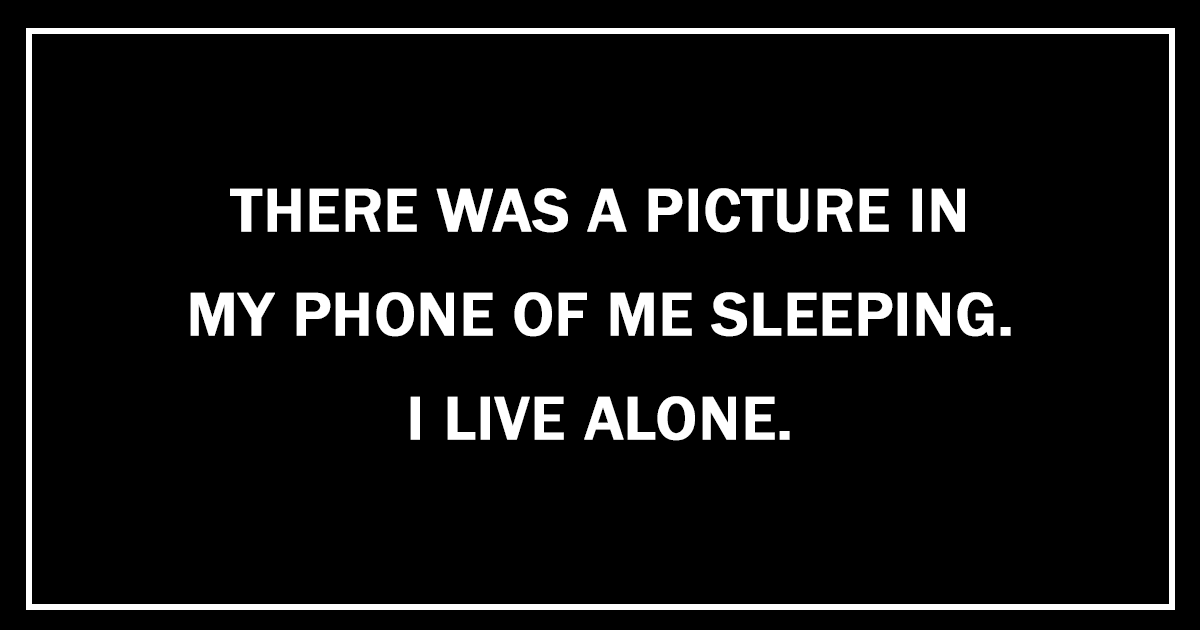
Some horror stories need a haunted mansion, a thunderstorm, three suspicious portraits, and a basement door that absolutely should not be opened. Others need only two sentences. That is the strange magic of 2-sentence horror stories: they walk into your brain quietly, turn off the lights, and leave before you can ask who touched your shoulder.
The appeal is simple but powerful. A short scary story gives readers a complete jolt without asking for a weekend commitment. No sprawling mythology. No twelve-volume vampire genealogy. Just a setup, a twist, and the sudden desire to check whether the closet door was always open.
Two-sentence horror has become a favorite format online because it fits the way people read now: quickly, visually, and with one thumb hovering over the next post. Yet the best examples are not throwaway gimmicks. They are tiny exercises in suspense, implication, misdirection, and emotional timing. A great one does not merely say, “Boo.” It whispers, “You should have noticed the second toothbrush.”
What Are 2-Sentence Horror Stories?
Two-sentence horror stories are ultra-short scary tales that deliver a complete creepy idea in two sentences or fewer. The first sentence usually establishes a normal situation: a child calling from another room, a phone buzzing at midnight, a parent tucking someone into bed, a person waking up after surgery. The second sentence changes the meaning of the first. Suddenly, the ordinary becomes impossible, tragic, supernatural, or disturbingly human.
The format sits inside the larger world of flash fiction and microfiction. It borrows the compression of poetry, the structure of a joke, and the dread of a horror movie scene where the music has stopped but the camera refuses to cut away. That refusal is important. In a good two-sentence scare, the story ends before the reader feels safe. The silence after the final word becomes part of the horror.
Why Tiny Horror Stories Work So Well
Short horror works because the human imagination is a terrible roommate. Give it one missing detail, and it will redecorate the whole house with nightmares. Long horror often explains the monster. Two-sentence horror points toward the monster and lets your brain do the landscaping.
1. They Use the Fear of the Unknown
Horror has always fed on uncertainty. A shadow is scarier before we know what casts it. A sound in the hallway is worse before we see the source. In two-sentence horror, there is almost no room for explanation, so uncertainty becomes the main character. Readers are forced to fill in the blank, and unfortunately, the blank has teeth.
2. They Turn Everyday Life Against Us
The strongest short scary stories often begin with something familiar: a baby monitor, a family photo, a smart speaker, an elevator, a text message, a bedroom mirror. These ordinary objects already live in our homes, which is rude of them. When a story makes them suspicious, the fear follows readers off the page.
3. They Deliver a Twist Without Wasting a Word
A two-sentence horror story has no space for decorative fog. Every word must either build comfort or destroy it. The first sentence invites the reader to assume one reality. The second sentence pulls out the rug, folds it neatly, and reveals the trapdoor underneath.
The Classic Structure: Setup and Knife-Twist
Most effective 2-sentence horror follows a simple structure:
- Sentence one: Present a normal, emotional, or mysterious situation.
- Sentence two: Reveal one detail that changes everything.
Think of it like a magic trick performed by someone who definitely should not have access to your house key. The setup says, “Look here.” The twist says, “You should have been looking behind you.”
Here is an original example:
Every night, my daughter asks me to check under her bed for monsters. Tonight, something under there whispered, “Please don’t let her look in the closet.”
The first sentence is familiar. Parents checking under beds is almost a bedtime ritual. The second sentence shifts the danger. Now the monster might not be under the bed at all. Worse, it might be afraid too.
Popular Themes in Two-Sentence Horror Stories
Although the format is tiny, the range of themes is surprisingly wide. The best stories often combine one relatable fear with one impossible detail.
Home Invasion Horror
Home is supposed to be safe, which is exactly why horror loves kicking in the door. A two-sentence home invasion story can use a lock, a window, a security camera, or a familiar voice to create instant panic.
The doorbell camera showed me standing on the porch, smiling and waving. I was watching the footage from my bedroom, where I had been hiding all night.
Technology Horror
Modern life gives horror writers many shiny toys: phones, GPS, baby monitors, smart speakers, fitness trackers, and doorbell cameras. Technology is useful until it starts knowing too much.
My sleep app congratulated me for eight hours of perfect rest. It also recorded a second heartbeat beside mine from 2:13 to 6:47 a.m.
Family Horror
Family horror works because love raises the stakes. A creepy stranger is frightening. A creepy parent, child, sibling, or spouse is devastating. Two sentences can turn affection into dread with one carefully placed revelation.
My son finally stopped crying after I sang the lullaby my mother used to sing to me. From the baby monitor, my mother sang the next verse, though she died before he was born.
Body Horror
Body horror is the genre’s way of reminding us that renting a skeleton wrapped in nerves is already a questionable arrangement. In two sentences, it works best when the detail is small: a tooth, a scar, a heartbeat, a reflection, a bruise that moves.
The doctor said the X-ray looked normal except for one small problem. My skeleton was facing the other way.
Psychological Horror
Psychological horror does not always need ghosts. Sometimes the monster is memory, guilt, paranoia, or the possibility that the narrator is not reliable. These stories linger because they make readers question the storyteller’s mindand their own assumptions.
I was relieved when the therapist told me the voices in my head were only stress. Then she asked why one of them was answering her questions before I did.
Why the Second Sentence Matters Most
In this format, the second sentence is the trap springing shut. It must do more than surprise the reader. It should reframe the first sentence so completely that the reader wants to go back and reread it. That rereading is where the chill deepens.
A weak second sentence explains too much. A strong one reveals just enough. The goal is not to write, “And then a ghost appeared, and it was scary.” That is not horror; that is a weather report with a bedsheet. A better ending gives the reader one specific, unsettling clue.
Compare these two ideas:
I heard a noise in the basement. It was a monster.
That is direct, but flat. Now try:
I heard my dog barking from the basement. I buried him behind the house last winter.
The second version does not explain what is in the basement. It only tells us what should not be possible. That is enough. Horror readers are extremely efficient at making things worse.
How to Write Your Own 2-Sentence Horror Stories
Writing a tiny horror story is easy. Writing a good one is like packing a suitcase for a demon: limited space, terrible consequences. Here are practical techniques that help the format work.
Start With Something Normal
The more ordinary the first sentence feels, the harder the twist hits. Begin with brushing teeth, answering a phone, feeding a pet, reading a bedtime story, checking an email, or hearing a noise from another room. Horror loves normalcy because normalcy gives it something to ruin.
Use Specific Details
Specific details make short horror feel real. “A sound” is vague. “Three slow knocks from inside the freezer” is much better and much worse. Specificity helps readers see, hear, and feel the moment before they have time to defend themselves.
Leave Room for the Reader
Do not explain everything. The reader should understand enough to feel dread but not enough to feel comfortable. A little mystery is seasoning. Too much explanation is a flashlight with fresh batteries, and horror hates that.
Avoid Overloading the Sentences
Because the format allows only two sentences, some writers try to cram a whole novel into each one. The result can feel like a haunted run-on sentence wearing too many hats. Keep the rhythm clean. Let the scare breathe.
Make the Twist Emotional
The best horror twist is not only strange; it matters. Fear becomes stronger when attached to grief, guilt, love, shame, loneliness, or regret. A monster behind the door is scary. A monster using your mother’s voice is personal.
Original 2-Sentence Horror Stories to Make Your Spine File a Complaint
Here are several original examples that show how different fears can fit into the two-sentence format.
1. The Family Photo
I found an old family photo where everyone had their eyes scratched out except mine. The picture was taken tomorrow.
2. The Baby Monitor
The baby monitor crackled, and a soft voice whispered, “Mommy, come here.” My baby is six months old and has never spoken, but the voice sounded exactly like me.
3. The Elevator
The elevator stopped between floors, and the emergency speaker asked how many people were inside. I said one, but it replied, “Then why are there seven shadows?”
4. The Funeral
At my funeral, everyone cried except my twin brother. He was too busy practicing my signature.
5. The Smart Speaker
I asked my smart speaker to play rain sounds so I could sleep. It replied, “The person in your attic prefers silence.”
6. The Missing Cat
After three days, my missing cat finally scratched at the front door. I opened it and found only his collar, still purring.
7. The Mirror
I smiled at my reflection to prove I was not afraid. It stopped smiling first.
What Separates a Good Two-Sentence Horror Story From a Cheap Jump Scare?
A cheap jump scare startles. A good short horror story haunts. The difference is aftermath. If the reader forgets the story after three seconds, it was probably just noise. If they think about it while turning off the kitchen light, congratulations: the story has moved in and is not paying rent.
Good two-sentence horror usually has at least one of these qualities:
- Reversal: The second sentence changes the meaning of the first.
- Implication: The story suggests more terror than it shows.
- Emotion: The fear is tied to someone or something that matters.
- Specificity: One vivid detail makes the scene believable.
- Restraint: The story stops before it becomes silly.
Restraint is especially important. Horror and comedy live closer together than they like to admit. Add one detail too many, and a chilling story becomes accidental soup. The monster should not explain its childhood, favorite snacks, and five-year plan in sentence two.
Why We Enjoy Being Scared by Short Horror
People enjoy horror because it offers fear with a safety net. Readers can experience dread, adrenaline, curiosity, and relief without actual danger. It is the emotional equivalent of riding a roller coaster designed by a poet with sleep paralysis.
Two-sentence horror makes that experience especially accessible. You can read one during a lunch break, between text messages, or while pretending not to be scared in bed at 1:00 a.m. The format gives the brain a quick puzzle: What happened? What does it mean? Why did the cat just stare at the hallway?
Short horror also invites participation. Readers often create their own versions, remix familiar tropes, and compete to deliver the cleanest twist. The format is democratic. You do not need a castle, a publishing deal, or a thunder machine. You need one creepy idea and the discipline to stop at exactly the right moment.
Experiences That Make 2-Sentence Horror Feel Too Real
The reason these 2-sentence horror stories will send shivers down your spine is not only that they are clever. It is that they borrow from experiences almost everyone recognizes. You do not need to believe in ghosts to understand the fear of hearing footsteps when you are home alone. You do not need to fear mirrors to feel uneasy when your reflection seems a little delayed in a dark bathroom. Tiny horror works because it starts with ordinary human moments, then lets one wrong detail crawl across the ceiling.
Consider the experience of waking up in the middle of the night. The room is familiar, but not fully. Furniture becomes shapes. A coat on a chair becomes a person sitting too still. Your phone glows like evidence. In daylight, the mind edits the world politely. At night, it becomes a conspiracy theorist with excellent sound design. A two-sentence story about a whisper from the hallway works because readers already know that half-awake vulnerability.
Another common experience is the uneasy feeling of technology behaving strangely. A phone lights up with no notification. A smart device answers a question nobody asked. A camera shows motion where nothing should move. These glitches are usually harmless, but horror does not care about “usually.” It lives in the one percent of doubt. A short scary story can turn a normal digital hiccup into a sign that something has noticed you back.
Family memories also sharpen short horror. A lullaby, an old photograph, a favorite recipe, or a childhood toy can carry emotional weight in just a few words. When horror touches those objects, the scare becomes intimate. A haunted house is creepy; your grandmother’s voice coming from an unplugged radio is worse because it knows your name and probably your embarrassing middle-school haircut.
Then there is the experience of being watched. Humans are extremely sensitive to eyes, attention, and presence. We can feel uncomfortable in an empty parking lot, a quiet office, or a hallway where every door is closed. Two-sentence horror thrives on that feeling. It does not need to show the watcher. It only needs to suggest that someoneor somethinghas been patient.
The best tiny horror stories also echo small regrets. Did you forget to lock the door? Did you ignore the strange noise? Did you delete the voicemail before listening to the end? Regret is a powerful engine because it turns the reader into a participant. The story seems to say, “You would have made the same mistake.” Honestly, rude. Accurate, but rude.
That is why the format lasts. A two-sentence horror story is not just a miniature plot. It is a tiny haunted mirror. It reflects the nervous little rituals of daily life: checking under the bed, avoiding the basement, laughing too loudly after a scare, telling yourself the sound was just the house settling. Maybe it was. Houses do settle. They also remember. And if a two-sentence story can make that thought feel possible for even one second, it has done its job beautifully.
Conclusion
2-sentence horror stories prove that fear does not need a long hallway to reach you. With the right setup, one sharp twist, and a carefully chosen detail, two sentences can create a chill that lingers longer than many full-length scares. The format works because it trusts readers to complete the nightmare themselves. It gives them a door, a sound, a shadow, or a familiar voiceand then it ends before anyone can turn on the lights.
Whether you enjoy reading them, writing them, or dramatically pretending they did not scare you, these tiny tales show how powerful short horror can be. They are fast, fun, creepy, and surprisingly artful. Best of all, they remind us that the scariest stories are not always the loudest. Sometimes the most terrifying thing in the room is the second sentence.