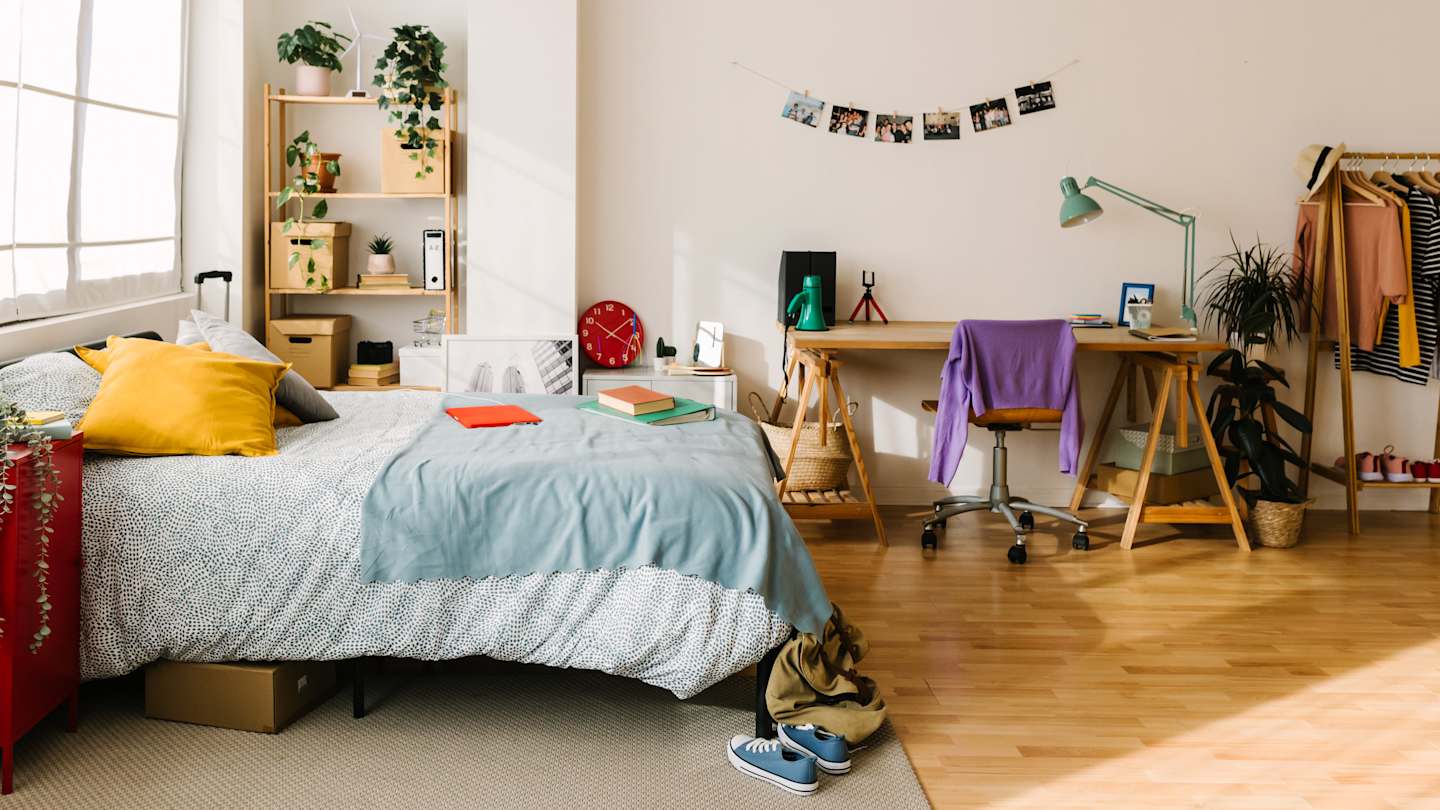
When people picture college dorms, the imagination usually serves up a suspiciously narrow bed, a shower caddy, fluorescent lighting, and at least one microwave that has witnessed unspeakable ramen-related crimes. But at Washington University in St. Louis, commonly known as WashU, the dorm experience has developed a very different reputation. This Missouri university has become a national standout for student housing, earning the No. 1 spot for best college dorms in major college-life rankings and proving that campus living does not have to feel like a four-year camping trip with textbooks.
WashU’s residence halls are not simply places where students sleep between lectures. They are designed as communities, with study spaces, social lounges, recreation rooms, dining access, student support, and a layout that makes daily life easier. For families comparing colleges, that matters. A dorm is not just a room. It is where students make their first friends, call home after a long day, learn the politics of shared refrigerators, and discover whether they are truly capable of doing laundry before the emergency sock phase begins.
So why does Washington University in St. Louis top the list of the best dorms in the country? The answer is a combination of comfort, design, convenience, student support, and a campus culture that treats residential life as part of education rather than an afterthought. Let’s take a closer look at what makes WashU dorms so highly rated and why this Missouri university keeps showing up at the top of the housing conversation.
Washington University in St. Louis: The Missouri School Behind the Ranking
Washington University in St. Louis is a private research university located in St. Louis, Missouri. It is known nationally for strong academics, a beautiful campus, selective admissions, and a student experience that blends intellectual ambition with a surprisingly warm residential environment. While many universities advertise campus life with smiling students tossing Frisbees on suspiciously perfect lawns, WashU has the housing details to back up the brochure sparkle.
In recent rankings, WashU has been listed at the top for best college dorms in the United States. The Princeton Review names Washington University in St. Louis No. 1 for Best College Dorms, based on student ratings of dorms and residence halls. Niche also ranks WashU No. 1 among more than a thousand colleges for best dorms in America. That double recognition is not a tiny gold star hiding in the corner of a report card. It is a major signal that students consistently view WashU housing as one of the strongest residential experiences in higher education.
The school’s housing reputation is especially impressive because “best dorms” is not only about having nice buildings. Students judge the whole experience: room comfort, bathrooms, noise, safety, maintenance, community, dining, convenience, and whether the place feels livable after the third week of midterms. WashU performs well because it pays attention to the full ecosystem of residential life.
What Makes WashU Dorms Different?
1. The South 40 Feels Like a Student Village
For first-year students and sophomores, the heart of campus living is the South 40, a residential area on the southwest side of the Danforth Campus. It includes multiple residential communities and functions almost like a small student village. Instead of feeling like a row of anonymous dorm blocks, the South 40 gives students a defined neighborhood with housing, dining, fitness, study areas, green space, and social hubs nearby.
This layout matters because first-year students need more than a bed and a desk. They need a soft landing. Moving to college can feel like being dropped into a new city while carrying a laundry basket and pretending to understand meal plan math. The South 40 helps make the transition easier by placing students close to resources, classmates, and everyday essentials.
The neighborhood-style design also encourages casual connection. Students run into each other on the way to breakfast, meet friends in lounges, study together in shared rooms, and join residence-based programs. Those small interactions may not sound dramatic, but they are often the difference between feeling isolated and feeling at home.
2. Suite-Style and Traditional Options Give Students Choices
One reason WashU dorms stand out is the range of housing styles. First-year housing includes modern suite-style buildings as well as traditional buildings. Modern suites often include double rooms connected by a restroom, with some singles and triples available. Traditional halls offer single and double rooms, with shared community restrooms or suite-style configurations in some buildings.
That variety gives students options based on personality and preference. Some students want the privacy and convenience of a suite-style setup. Others enjoy the social energy of a traditional hall, where it is easier to meet people simply because everyone is constantly crossing paths. One student may want quiet, structured space. Another may want the full “door open, come say hi” first-year experience. WashU’s housing system can support both.
The best college dorms are not necessarily the fanciest ones. They are the ones that match how students actually live. WashU seems to understand that student comfort is not one-size-fits-all. A future engineer, a pre-med student, a studio artist, and someone still deciding between economics and existential dread may need different rhythms. Good residential design gives them room to build those rhythms.
3. Dorm Amenities Go Beyond the Basics
WashU residence halls include many of the features students and parents hope to see: furnished rooms, wireless internet, utilities, laundry facilities, heating, air conditioning, desks, chairs, dressers, closets or wardrobes, and mattresses. That may sound like a practical checklist, but practical checklists are exactly what keep college life from becoming chaotic.
Consider laundry. Nobody writes a college application essay about the joy of clean towels, but laundry access can affect daily life more than students expect. Convenient laundry facilities mean fewer weekend expeditions, fewer emergency outfit calculations, and fewer moments when a student considers whether a hoodie can be worn “one more time” because technically only the sleeves are questionable.
Reliable internet access is another essential. College students do not simply use Wi-Fi for entertainment. They use it for assignments, research, online textbooks, group projects, academic portals, video meetings, and the occasional late-night search for “how to cite a source I forgot existed.” When housing includes strong everyday infrastructure, students can focus more on learning and less on troubleshooting.
Residential Life Is Built Around Community, Not Just Comfort
Comfort helps WashU earn attention, but community helps explain its staying power. The university’s residential communities include social lounges, study rooms, personal computing labs, and recreation rooms. Each community also has trained Resident Advisors, professional Residential Community Directors, housekeeping and maintenance support, and faculty or staff connections that help students navigate university life.
This support system is important because college housing is not a hotel. Students are not just checking in, sleeping, and leaving a towel on the floor with hotel-level optimism. They are learning independence. They are managing schedules, relationships, stress, academics, and personal growth. The residence hall becomes the backstage area of that entire performance.
Resident Advisors can help students solve roommate issues, find campus resources, understand policies, and connect socially. Professional staff help manage operations and student needs. Faculty and staff involvement can also make the university feel smaller and more approachable. For a student at a rigorous institution, that network can make a meaningful difference.
The Dining Factor: Why Good Food Helps Good Dorms Feel Great
No discussion of great dorms is complete without food. A beautiful residence hall loses some charm if the nearest meal tastes like cardboard with ambition. WashU’s South 40 dining options strengthen the residential experience by giving students convenient access to a variety of meals close to where they live.
Bear’s Den is one of the central dining locations on the South 40 and is known for having diverse options, including grill items, pizza and pasta, global flavors, kosher choices, and allergen-friendly selections. Cherry Tree offers coffee, tea, and breakfast favorites, while Paws & Go gives students access to groceries, grab-and-go items, and local products.
This matters for both convenience and inclusion. Students have different schedules, diets, cultures, allergies, and preferences. A strong dining program supports daily life by making it easier to eat well without turning every meal into a logistical puzzle. For first-year students especially, nearby food options can make campus feel manageable. Also, let’s be honest: the fastest way to make a residence hall feel like home is to put decent breakfast nearby.
Why Rankings Love WashU Dorms
College dorm rankings usually combine student feedback, housing quality, campus resources, and overall satisfaction. WashU performs well because it does not rely on one flashy feature. Instead, it stacks many small advantages: comfortable rooms, strong amenities, well-planned residential neighborhoods, dining access, student programming, maintenance, and a culture that values quality of life.
The Princeton Review’s recognition is based on student ratings of dorms and residence halls, which means the ranking reflects the opinions of people who actually live there. Niche’s ranking adds another layer, using data and reviews to compare student housing across a large number of colleges. When both rankings point to WashU, the message is clear: students are noticing the difference.
That does not mean every room is perfect or every student has the same experience. No university can promise that a roommate will not chew loudly, borrow a charger indefinitely, or set an alarm that becomes a public performance. But overall, WashU’s housing system appears to deliver a level of comfort and support that many students appreciate.
What Future Students Should Know About WashU Housing
Living on Campus Can Shape the First-Year Experience
For many students, the first year of college is defined by the residence hall. It is where they meet study partners, discover campus traditions, learn how to share space, and build routines. At WashU, first-year students live in residential communities that are intentionally designed to support that transition.
That can be especially valuable at a highly academic university. Students may arrive excited but also nervous about workload, competition, and independence. A strong dorm environment helps reduce friction. When meals, study spaces, support staff, and social opportunities are nearby, students have more energy for classes, friendships, and exploration.
Nice Dorms Do Not Replace Good Habits
Even the best dorms in the country cannot do a student’s laundry, organize a desk, or politely tell a roommate that 2:00 a.m. is not the ideal time to practice electric ukulele. Students still need communication skills, time management, and respect for shared spaces.
However, good housing makes those habits easier to build. A comfortable room can encourage better sleep. Study lounges can help students separate work from rest. Nearby dining can support routines. Community programming can help students feel connected before loneliness becomes a problem. The physical environment cannot guarantee success, but it can remove a surprising number of obstacles.
How WashU Compares With the Stereotypical Dorm Experience
The stereotypical dorm is often treated as a rite of passage: tiny room, questionable mattress, crowded bathroom, and a thermostat that seems controlled by a mysterious committee of ghosts. WashU has worked against that stereotype by offering housing that feels more modern, more supportive, and more student-centered.
Modern suite-style rooms, shared community areas, private or semi-private bathroom arrangements in many spaces, and well-maintained facilities all help change the tone. Instead of “survive your dorm,” the message becomes “live, study, rest, and belong here.” That shift is important. Students are more likely to thrive when their environment supports both productivity and well-being.
Parents may also appreciate the practical side. Housing that includes utilities, Wi-Fi, furnishings, laundry facilities, and maintenance support can simplify planning. It does not make college inexpensive, of course, but it does make the living arrangement clearer and more convenient.
The Bigger Lesson: Dorms Are Part of Student Success
WashU’s ranking points to a larger truth about higher education: residential life matters. Colleges often compete on academic programs, research opportunities, faculty credentials, and career outcomes. Those are important. But students do not live inside a course catalog. They live in rooms, hallways, dining halls, lounges, libraries, and campus neighborhoods.
A dorm can influence sleep, stress, friendship, studying, safety, and belonging. It can make campus feel welcoming or exhausting. It can help a student say, “I can do this,” during a hard week. That is why the best college dorms are not just real estate. They are part of the educational experience.
Washington University in St. Louis has earned national attention because it treats housing as more than a place to store students between classes. Its residence halls are connected to dining, wellness, academic support, leadership opportunities, and community life. That is the kind of design that turns a dorm from a building into a launchpad.
Experiences Related to WashU’s Best-in-the-Country Dorm Life
Imagine arriving at WashU on move-in day. The car is packed with bedding, storage bins, a fan your parents insisted you needed, and enough snacks to survive a mild apocalypse. You step onto the South 40 and quickly realize this does not feel like the gloomy dorm legend passed down by older cousins. There are students everywhere, staff helping with directions, families carrying mini-fridges with heroic determination, and residence halls that feel like actual living spaces rather than storage units with homework.
The first few days in a WashU dorm would likely revolve around small discoveries. You find the nearest laundry room, locate the dining options, figure out which lounge is best for quiet reading, and learn that the person down the hall is also looking for someone to eat dinner with. That is where a strong residential community shines. It turns awkward beginnings into natural connection. You do not have to engineer every friendship with the precision of a NASA launch. Sometimes you just meet someone while waiting for coffee, walking to Bear’s Den, or asking whether anyone understands the printer.
A student living in a modern suite might appreciate the balance between privacy and community. There is enough personal space to decompress after class, but shared areas make it easy to connect. A student in a traditional hall might enjoy the constant energy of neighbors, open doors, and spontaneous conversations. Both styles can work because the surrounding residential system gives students places to study, socialize, eat, and ask for help.
The experience also changes during the semester. In August, the dorm is about introductions and learning names. By October, it becomes a routine: breakfast before class, study group in the lounge, laundry squeezed between assignments, late-night conversations about majors, homesickness, internships, and whether cereal counts as dinner. By finals, the residence hall becomes a team sport. Students share notes, encourage one another, and collectively develop strong opinions about caffeine.
What makes the WashU dorm experience special is not simply that the rooms are comfortable. Comfort is the foundation, but the real value comes from how the housing supports student life. A well-designed dorm gives students the chance to rest properly, study without leaving their neighborhood, eat conveniently, meet friends, and feel watched over without feeling smothered. It provides independence with a safety net.
For parents, that experience can be reassuring. Sending a student to college is emotional enough without imagining them in a crumbling building where the shower pressure has the strength of a polite sneeze. WashU’s housing reputation suggests that residential life is a priority, not an afterthought. For students, it means the place they come home to after a difficult exam or a long lab is built to support them.
That is why this Missouri university topping the list of the best dorms in the country feels meaningful. It is not just a ranking about beds and buildings. It is a ranking about how students live. At WashU, the dorm experience appears to combine comfort, community, convenience, and care in a way that helps students feel rooted. And in college, feeling rooted can make all the difference.
Conclusion: Why WashU Deserves the Dorm Spotlight
Washington University in St. Louis tops the list of the best dorms in the country because it understands what modern students need from campus housing. The university combines comfortable rooms, thoughtful residential communities, convenient dining, practical amenities, student support, and a strong sense of belonging. The result is a dorm experience that feels less like surviving college housing and more like living in a well-designed campus neighborhood.
For students comparing universities, WashU’s housing reputation is worth paying attention to. Great dorms will not write essays, pass exams, or magically make an 8:00 a.m. class feel humane. But they can make daily life smoother, healthier, and more connected. And when a dorm helps students sleep better, eat better, study better, and find their people faster, that is more than a nice perk. That is a real advantage.