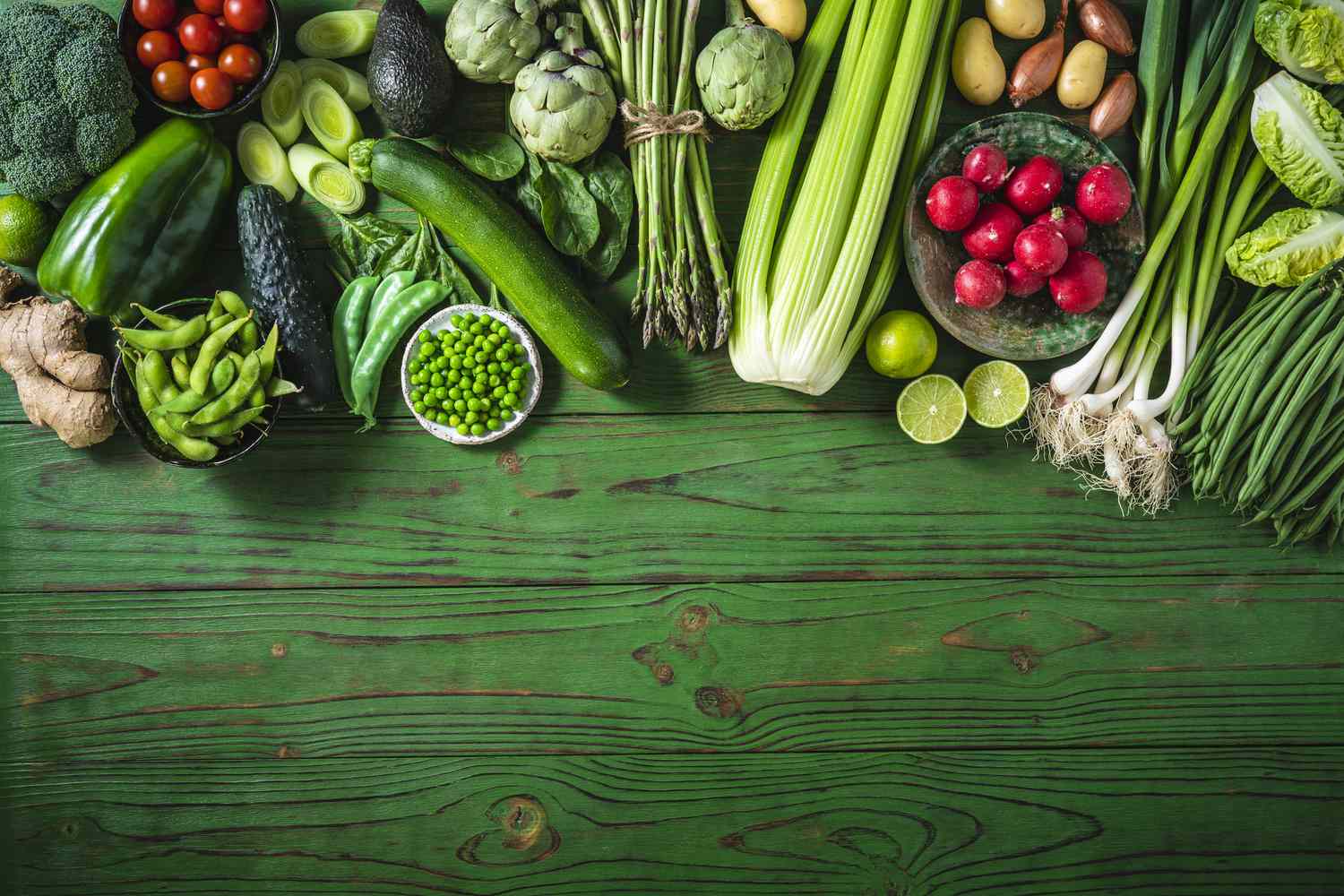
Protein is having a moment. It’s in your feed, your fridge, and somehow even in your coworker’s coffee.
And while chicken breasts and protein bars get all the attention, there’s a plant-based contender that quietly
strolls in wearing a green cape and says, “Relax, I’ve got this.”
That contender is edamameyoung soybeans, usually sold in pods or shelled in the freezer aisle.
Technically, it’s a legume. Practically, it shows up everywhere you’d expect a vegetable to show up:
tossed into salads, blended into dips, and served as a snack with a little salt and swagger.
And when it comes to protein, edamame doesn’t just winit laps the field.
Meet the “vegetable” that wins the protein contest: edamame
Edamame are immature soybeans harvested while they’re still tender and bright green.
You’ll find them as:
- Edamame in pods (fun to snack on, like nature’s bubble wrap)
- Shelled edamame (easy to toss into meals without doing any pod gymnastics)
Nutrition guidelines often place beans and legumes in both the vegetable category and the protein foods category,
because they pull double duty. Edamame fits right into that “best of both worlds” situation:
it behaves like a veggie in your meals, but nutritionally it brings serious protein power.
How much protein are we talking?
A cup of cooked, shelled edamame comes in at roughly 18 grams of protein.
That’s more protein than most vegetables can deliver in the same volumeoften by a lot.
(Your spinach is amazing, but it’s not bench-pressing 18 grams per cup.)
Protein comparison: edamame vs. popular veggies (per cooked cup)
Serving sizes matter, and vegetables can vary by preparation. But this snapshot gives you a useful “at-a-glance”
comparison for commonly eaten cooked cup portions:
| Vegetable (cooked) | Approx. protein per 1 cup | What that means in real life |
|---|---|---|
| Edamame (shelled) | ~18 g | Protein territory usually reserved for “main” foods |
| Green peas | ~8–9 g | High for a vegetable; great “runner-up” |
| Spinach | ~5 g | Excellent nutrient density plus respectable protein |
| Asparagus | ~4 g | A solid side that quietly contributes |
| Brussels sprouts | ~4 g | More than you’d expect from tiny cabbages |
| Broccoli | ~4 g | Fiber-forward, plus a helpful protein bump |
So yes: peas are impressive, leafy greens contribute more than people think, and cruciferous vegetables deserve applause.
But if you’re looking for the single “vegetable-like” food that packs the most protein in a cup, edamame is the standout.
Why edamame’s protein “counts” (not all plant proteins are equal)
Here’s the twist: protein isn’t just a number. It’s also about amino acidsthe building blocks your body uses
to build and repair tissues, enzymes, hormones, and all the behind-the-scenes stuff you never think about until you pull a muscle
opening a jar of pickles.
Many plant proteins are considered “incomplete” on their own because they’re lower in one or more essential amino acids.
Soy is different. Soy (including edamame) is often described as a complete protein,
meaning it contains all nine essential amino acids.
What this means for your plate
- Edamame can function like a protein “anchor” in a mealespecially helpful for plant-forward eaters.
- You still benefit from variety (different plants bring different nutrients), but edamame makes it easier to build satisfying meals.
- Because it’s high in protein and fiber, it can feel more filling than many snack foods that are basically crunchy air.
The bonus nutrients riding along with the protein
If edamame only did protein, it would still be a star. But it also comes with a strong supporting cast:
fiber, key minerals, and plant compounds that make it more than just “macros.”
1) Fiber for fullness and gut support
Edamame contains notable fiber, which helps support digestion and can make meals feel more satisfying.
Translation: you’re less likely to raid the pantry 45 minutes after lunch like a raccoon with a mission.
2) Minerals that show up to do actual work
Edamame provides minerals such as potassium and magnesium, and it can contribute
iron and folate depending on portion size and preparation. Those matter for everyday functions like
muscle and nerve activity, oxygen transport, and cell growth.
3) Soy isoflavones (the misunderstood headline-makers)
Soy foods contain compounds called isoflavones. You may have heard confusing takes online,
usually delivered with the confidence of someone who also thinks the moon landing was filmed in a kitchen.
Large bodies of research and major medical institutions have noted that typical dietary soy intake is
generally considered safe for most people, and it doesn’t automatically translate into the scary claims
floating around social media.
Bottom line: for most people, edamame is a nutrient-dense food that fits well into a balanced eating pattern.
If you have a personal medical history that makes soy a question mark, that’s a conversation for your clinician.
How to eat edamame without getting bored (or pretending you love plain steamed things)
Edamame’s biggest advantage might be how effortlessly it slides into meals. It’s mild, slightly sweet, and plays well with bold flavors.
Here are practical ways to use itno culinary degree required.
Fast ideas you can do on a Tuesday
- Snack bowl: Warm edamame + a pinch of salt + chili flakes or garlic powder.
- Salad upgrade: Toss shelled edamame into any salad to make it feel like a meal.
- Stir-fry helper: Add in the last 2–3 minutes so it stays bright green.
- Soup booster: Stir into miso soup, ramen, veggie soup, or even chicken noodle.
- Taco twist: Mix edamame into salsa or corn salad for extra bite and protein.
Three easy, protein-forward mini “recipes”
1) Lemon-Pepper Edamame Bowl
- Heat 1–2 cups shelled edamame (microwave or stovetop).
- Toss with lemon juice, cracked pepper, and a drizzle of olive oil.
- Add a little grated Parmesan if you want a savory boost (optional).
2) Edamame “Green Crunch” Salad
- Combine shelled edamame, chopped cucumber, diced bell pepper, and shredded carrots.
- Dress with rice vinegar + sesame oil + a tiny bit of honey.
- Top with sesame seeds. Eat immediately or meal-prep for tomorrow-you.
3) Quick Edamame Hummus-Style Dip
- Blend shelled edamame with lemon juice, garlic, tahini (or peanut butter in a pinch), and water.
- Season with salt and cumin.
- Use as a dip or sandwich spread.
Buying, cooking, and storing edamame like a pro (without acting like one)
Pods vs. shelled
- Pods: Great for snacking; you squeeze the beans out with your teeth. (Do not eat the pod. It’s chewy in a “tree bark” way.)
- Shelled: Best for cooking and meal prep. Zero fuss.
Watch for sodium
Some packaged edamame comes pre-salted. If you’re trying to manage sodium, pick unsalted and season it yourself.
You’ll still get flavorjust with more control.
Simple cooking methods
- Microwave: Fastest. Add a splash of water, cover, heat, drain.
- Boil: 3–5 minutes for shelled; slightly longer for pods.
- Steam: Great texture and color, minimal effort.
Who should be cautious with edamame?
Edamame is a “yes” for many people, but there are a few situations where you should be thoughtful:
- Soy allergy: This is the big oneavoid edamame completely.
- Digestive sensitivity: If you’re not used to legumes, start with a smaller portion and increase gradually.
- Medical conditions or medication questions: If you’ve been told to limit certain foods, get personalized guidance from a licensed clinician.
Protein goals without the drama
People often ask, “How much protein do I need?” The general baseline for many adults is often cited around
0.8 grams per kilogram of body weight per day to prevent deficiency, but needs can vary based on age,
growth, activity, and health conditions.
The point isn’t to turn eating into a spreadsheet you cry over at 11 p.m. The point is to build meals that keep you energized
and satisfied. Edamame helps because it adds a meaningful amount of protein without pushing vegetables off your plate.
It’s a “both/and” foodprotein and plants in one scoop.
The runner-up “high-protein vegetable” squad
If edamame is the heavyweight champ, these are the contenders that also deserve a spot in your rotation:
- Green peas: Surprisingly protein-rich for a classic veggie side.
- Spinach: A quiet contributor that adds protein along with lots of micronutrients.
- Brussels sprouts: Small, mighty, and better than their childhood reputation.
- Asparagus and broccoli: Not “protein foods,” but very helpful when you eat them often.
Real-life experiences: what it’s like to actually add the “protein vegetable” to your routine
People don’t fall in love with a food because of a chart. They fall in love with it because it shows up in real life
and makes things easierweeknight dinners, after-school hunger, gym days, “I forgot to eat lunch” days, and everything in between.
Edamame has a knack for fitting into those messy, human moments.
One common “first edamame experience” happens at a sushi or ramen spot: a warm bowl of pods arrives, lightly salted,
and suddenly everyone at the table is happily busy popping beans out like it’s an edible fidget toy. It’s snacky in the best way
interactive, salty, and oddly satisfying. For a lot of people, that’s the moment edamame stops being “some health food”
and becomes “oh… I get it now.”
Then there’s the busy-week upgrade. People who try to eat more protein often get stuck in the same loop:
eggs, chicken, yogurt, repeat. Edamame breaks that cycle without requiring a big lifestyle overhaul.
The experience usually looks like this: you open a bag of frozen shelled edamame, microwave a portion, and toss it into whatever
you were already eatingsalad, rice bowl, stir-fry, soup. The meal instantly feels more complete, and you didn’t have to cook meat
or pull out a cutting board the size of a skateboard.
Another real-world moment is the snack rescue. When hunger hits hard, the easiest options are often ultra-processed
snacks that disappear in three bites. Edamame is different: between the protein and fiber, many people notice it actually holds them over.
It’s not a magic trickjust biology. If you choose pods, the time it takes to eat them can also slow things down, which tends to make
the snack feel more satisfying than something you can inhale while scrolling.
For households with picky eaters, experiences vary. Some people report that pods are the gateway because they’re fun and hands-on.
Others do better hiding shelled edamame in familiar foodsfried rice, pasta salad, even blended into a dip.
The taste is mild enough that it rarely “takes over,” especially when paired with bolder flavors like garlic, lemon, chili,
sesame, or cheese. That mildness is a feature, not a bug.
A final common experience: your digestion may need a minute. If someone doesn’t eat many legumes, jumping from zero to
“a giant bowl of beans every day” can cause discomfort. With edamame, many people do best starting with a smaller serving
a few times a week, drinking enough water, and letting their gut adapt. It’s not glamorous advice, but it’s honest adviceand it helps.
The big takeaway from these experiences is simple: edamame works because it’s convenient, versatile, and genuinely filling.
It doesn’t demand perfection. It just quietly makes your meals sturdierlike adding a supportive friend to your plate
who shows up on time and never makes it weird.
Conclusion
If you’re searching for a vegetable-like food that delivers the most protein in a cup, edamame is the clear winner.
With around 18 grams of protein per cooked cup, plus fiber and a solid nutrient profile, it’s an easy way to make meals
more satisfyingespecially when you want plant-forward options that still feel hearty.
Add it to salads, bowls, soups, and snacks, and you’ll quickly understand why this green little bean has such a big reputation.