Trash has a terrible publicist. The moment something looks old, cracked, outdated, or “not Pinterest-ready,” we tend to toss it into the bin and let it begin its dramatic exit from our lives. But here is the plot twist: much of what we call trash is not finished. It is simply between jobs.
That chipped mug? Future pencil holder. The wooden crate collecting dust in the garage? Rustic bookshelf with main-character energy. The glass pasta jar? Pantry storage, candle holder, flower vase, or the official home of every mystery screw you promised yourself you would identify someday.
The idea behind Trash to Repurposed Life is simple: before throwing something away, pause and ask, “Could this live another chapter?” Repurposing trash does not require a craft room the size of a small airport or a professional workshop full of tools. It starts with observation, imagination, and a willingness to see everyday waste as useful material.
In a world of rising waste, cluttered homes, overflowing landfills, and expensive new products, repurposing offers a smarter way forward. It saves money, reduces environmental impact, supports sustainable living, and gives your home a personality that cannot be bought in a matching five-piece set. Even better, it turns ordinary people into practical problem solvers. You are not just cleaning up; you are designing a smaller, more circular life.
What Does “Trash to Repurposed Life” Really Mean?
“Trash to repurposed life” means taking an item that would normally be discarded and giving it a new function. It is different from basic recycling, where materials are processed into new raw materials. Repurposing keeps the object closer to its original form while changing its purpose. A ladder becomes a blanket rack. A tin can becomes an herb planter. A worn-out dresser becomes a bathroom vanity. The item does not disappear; it graduates.
This idea sits comfortably inside the broader reduce, reuse, recycle mindset. Reducing comes first because the least wasteful item is the one you never had to buy. Reusing comes next because keeping products in circulation protects the energy, labor, and materials already invested in them. Recycling is important, but it should not be treated as a magic wand. Some materials are recyclable in theory but not accepted locally, contaminated by food, or too mixed to process efficiently.
Repurposing works because it is local, immediate, and personal. You do not need a nationwide system to turn a glass jar into a spice container. You do not need an industrial facility to transform scrap wood into a wall shelf. You only need to identify useful materials and match them with real needs in your home.
Why Repurposing Matters More Than Ever
It Reduces Waste Before It Starts
Waste reduction is not only about what happens after trash day. It begins before the bin ever fills up. When you repurpose an item, you delay or avoid disposal. You also avoid buying a new product that would require fresh raw materials, manufacturing, packaging, shipping, and eventual disposal of its own.
That is the quiet power of upcycling and reuse. A repurposed bookshelf may not look like a heroic climate action at first glance, especially if it still has one suspicious paint drip on the side. But every reused item represents resources conserved. Multiply that by millions of households, and the impact becomes much larger than one cute weekend project.
It Saves Money Without Making Life Feel Cheap
Repurposing is one of the rare sustainable habits that can make your home look better while costing less. Storage baskets, planters, wall organizers, pet beds, side tables, desk accessories, and garden containers can all be created from materials you already own or can find secondhand.
The trick is to make the finished item feel intentional. Clean it well. Sand rough edges. Use matching labels. Add a coat of paint when appropriate. Group similar materials together. A single pickle jar full of buttons may look like clutter. Six clean jars with matching labels on an open shelf look like you host a home organization show on weekends.
It Adds Personality to Your Space
Mass-produced home goods can be beautiful, but repurposed pieces carry stories. A coffee table made from reclaimed wood has texture. A vintage suitcase used as side-table storage has charm. A frame made from leftover trim has character. Repurposed decor says, “This home has lived a little,” which is far more interesting than “Everything here came from aisle 14.”
Repurposing vs. Recycling vs. Upcycling
These terms often get tossed around like socks in a dryer, so let’s sort them out.
Repurposing
Repurposing means giving an item a different use. The material stays mostly intact. For example, turning an old teacup into a succulent planter is repurposing. The cup remains a cup-shaped object, but its job description changes.
Upcycling
Upcycling is a form of repurposing that improves the value, function, or appearance of an item. Painting a scratched wooden chair, reupholstering it, and turning it into a statement piece is upcycling. The chair is not merely reused; it is promoted.
Recycling
Recycling breaks materials down and turns them into new products. Aluminum cans, cardboard, glass bottles, paper, and certain plastics may be recyclable depending on local rules. Recycling is valuable, but it works best when items are clean, dry, accepted by the local program, and not wishfully tossed into the bin because “surely someone will figure it out.”
Best Household Items to Repurpose
Glass Jars and Bottles
Glass jars are the golden retrievers of repurposing: loyal, useful, and always happy to help. Use them for pantry storage, homemade dressings, craft supplies, bathroom cotton rounds, small hardware, candles, vases, or seed starters. Remove labels by soaking the jars in warm water, then scrub with baking soda or a gentle dish soap. For a polished look, add uniform lids or simple paper labels.
Cardboard Boxes
Cardboard boxes can become drawer dividers, kids’ craft projects, shipping materials, weed barriers in garden beds, pet playhouses, or temporary storage bins. Before recycling cardboard, ask whether it can solve a short-term problem. A shoebox can organize cords. A cereal box can become a magazine holder. A delivery box can become the first draft of a DIY project before you risk cutting the expensive material.
Old Clothing and Textiles
Textiles are often overlooked, yet they are incredibly flexible. Worn T-shirts can become cleaning rags, braided rugs, reusable produce bags, pet toys, or quilt squares. Old towels can be cut into washable cleaning cloths. Denim can become patches, aprons, tool rolls, or sturdy storage bins. Clothing that is still wearable should be donated, swapped, or sold. Clothing that is damaged may still have a useful second life as fabric.
Wood Scraps and Pallets
Scrap wood can become shelves, plant stands, picture ledges, garden markers, small benches, or wall hooks. Pallets can be useful, but choose carefully. Avoid wood that is moldy, chemically stained, oily, or unsafe. Sand rough surfaces, remove exposed nails, and use finishes appropriate for the item’s location. A pallet coffee table can be charming; a splinter delivery system in the living room is less charming.
Furniture With Good Bones
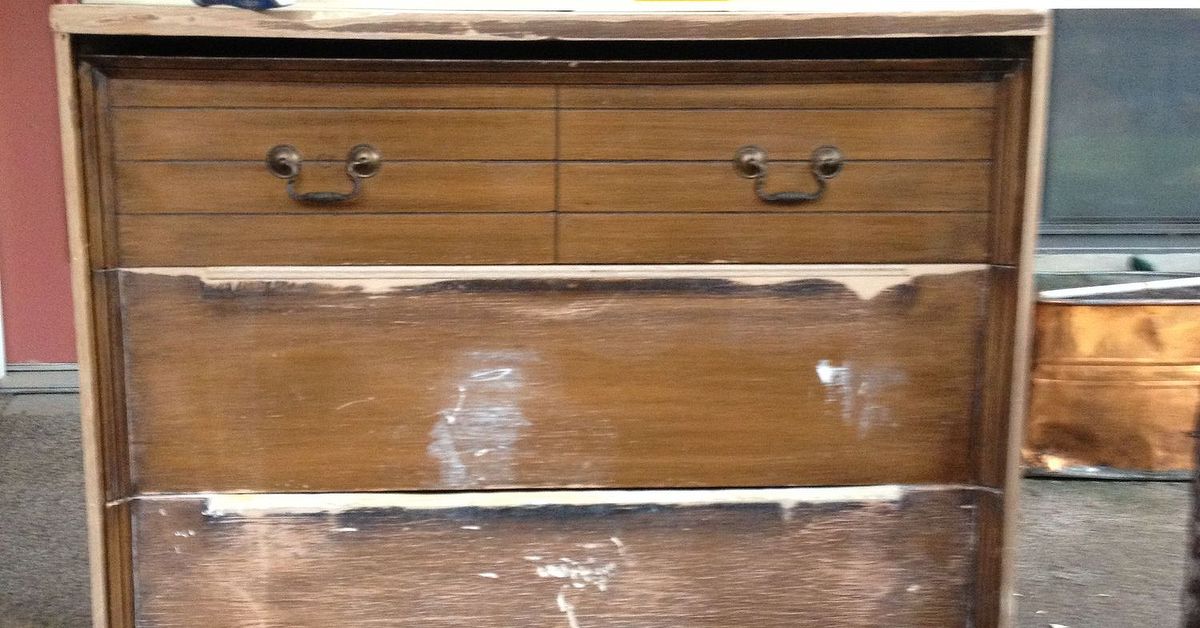
Old furniture is often worth saving when the frame is solid. A scratched dresser can become an entryway console. A wooden chair can be repainted. A cabinet door can become a serving tray. A bookcase can become a bar station, craft center, or garage organizer. Before sending furniture to the curb, check whether it needs repair, cleaning, new hardware, or a new location. Sometimes “ugly” is just “poorly accessorized.”
Tin Cans and Metal Containers
Tin cans can be transformed into pencil cups, utensil holders, planters, lanterns, or workshop organizers. Smooth sharp edges carefully, clean thoroughly, and add drainage holes if using them for plants. A row of painted cans mounted to a board can create a cheerful storage system for art supplies, kitchen tools, or garden twine.
Room-by-Room Repurposing Ideas
Kitchen
The kitchen is full of repurposing potential. Glass jars can organize grains, dried beans, spices, tea bags, or leftovers. A chipped bowl can hold fruit if the damage is not sharp. Wine corks can become drawer pulls, trivets, or plant markers. An old muffin tin can organize condiments during a barbecue or sort craft supplies for kids.
Food scraps deserve attention, too. Vegetable peels, coffee grounds, eggshells, and fruit scraps can often be composted, depending on your setup. Composting turns organic material into soil-supporting matter and keeps food waste from taking the slow, smelly route through the landfill.
Living Room
Repurposed living room decor can feel stylish rather than scrappy when you create visual consistency. Stack vintage crates as shelving. Turn an old trunk into a coffee table with hidden storage. Use fabric remnants to recover throw pillows. Frame leftover wallpaper as art. Convert a wooden ladder into a blanket rack. Suddenly, the room looks curated, not cobbled together by someone who lost a fight with a storage closet.
Bathroom
Bathrooms need clever storage, and repurposed items can help. Mason jars can hold cotton swabs, toothbrushes, bath salts, or hair ties. A small wooden crate can become a towel shelf. An old tray can organize skincare products. Candle jars, once cleaned, make attractive containers for small essentials. Just avoid using containers that held chemicals or unsafe substances for personal care storage.
Bedroom and Closet
In the bedroom, repurposing can reduce clutter while adding charm. Use an old chair as a bedside table. Turn shoeboxes into drawer organizers. Convert unused scarves into curtain tiebacks. Repurpose a small bookcase as a shoe station. Old belts can become drawer pulls or wall hooks. The closet is also a great place to practice the “repair before replace” rule: sew buttons, patch small holes, and refresh shoes before buying new ones.
Garden and Outdoor Spaces
Gardens practically beg for repurposed materials. Buckets, cans, drawers, teapots, and baskets can become planters if drainage is added. Broken terra-cotta pieces can improve drainage at the bottom of pots. Old windows can become cold frames. A dresser with missing drawers can become a tiered planter. Even a cracked birdbath can become a succulent garden. Outdoor repurposing rewards creativity, weatherproofing, and a relaxed attitude toward dirt.
How to Decide Whether Something Should Be Repurposed
Not every item deserves a second life. Some things are unsafe, contaminated, broken beyond practical repair, or simply not useful. Repurposing should make your life better, not turn your garage into a museum of “future projects” that quietly judge you every time you park the car.
Ask These Five Questions
- Is it safe? Avoid items with mold, pests, sharp damage, unknown chemicals, or unsafe electrical components.
- Is it cleanable? If it cannot be properly cleaned, it may not be worth keeping.
- Do I have a real use for it? A vague “someday” is not a plan; it is clutter wearing a tiny hat.
- Can I finish this project soon? Choose quick wins first to build momentum.
- Would donation, repair, recycling, or hazardous waste disposal be better? Some items should move through proper channels instead of becoming a questionable DIY experiment.
Items You Should Not Casually Repurpose
Creative reuse has limits. Anything that involves hazardous materials, food safety, fire risk, or structural support deserves caution.
Do not repurpose containers that held pesticides, motor oil, solvents, or strong chemicals for food, plants, or personal storage. Do not use damaged electronics unless they have been inspected and repaired safely. Do not turn unknown painted wood into children’s toys, especially if it may contain lead paint. Do not place batteries in household trash or regular recycling bins. Rechargeable and lithium batteries require dedicated collection options because they can create fire risks and contain recoverable materials.
Large appliances, refrigerators, air conditioners, dehumidifiers, and electronics may contain materials that require proper handling. When in doubt, check local recycling rules, retailer take-back programs, certified electronics recyclers, or municipal hazardous waste facilities. Sustainable living should never require guessing your way through a safety hazard.
Donation: The Easiest Form of Repurposed Life
Sometimes the best way to repurpose an item is to let someone else use it. Donation keeps usable goods moving and supports community organizations. Clothing, housewares, small furniture, books, tools, and decor may be accepted by thrift stores, local charities, shelters, reuse centers, and community groups.
Home improvement reuse stores are especially helpful for building materials, cabinets, fixtures, lighting, appliances, and furniture. A door you no longer need may become someone else’s pantry upgrade. A sink removed during a remodel may help another homeowner finish a budget-friendly renovation. Donation turns clutter into community value, which is a pretty good career change for an old cabinet.
Always check donation guidelines before dropping items off. Many organizations cannot accept mattresses, broken furniture, recalled baby products, hazardous materials, heavily damaged goods, or items with safety concerns. Donation is helpful only when the item is truly usable or resalable.
Simple Beginner Projects for a Repurposed Home
1. Pantry Jar Makeover
Clean several glass jars, remove labels, and use them for dry pantry goods. Add matching labels for rice, lentils, pasta, tea, or snacks. This project takes very little skill and makes your pantry look instantly calmer.
2. T-Shirt Cleaning Cloths
Cut worn cotton T-shirts into squares and store them in a basket. Use them instead of disposable paper towels for spills, dusting, and cleaning. Wash and reuse them. Your old concert shirt may not survive fashion judgment, but it can still defeat countertop crumbs.
3. Crate Wall Shelf
Sand a wooden crate, paint or stain it, and mount it securely to the wall. Use it for books, plants, towels, or decorative storage. Make sure hardware matches the wall type and expected weight.
4. Tin Can Herb Planters
Clean empty cans, smooth edges, poke drainage holes, and paint the outside. Add soil and herbs like basil, parsley, or chives. Place them near a sunny kitchen window. Congratulations: dinner now has accessories.
5. Drawer-to-Under-Bed Storage
Save drawers from an old dresser, add small casters or felt pads, and slide them under the bed for storage. They work well for shoes, seasonal clothing, linens, or gift wrap.
How Repurposing Supports a Circular Economy
A circular economy is designed to keep materials in use for as long as possible. Instead of the old pattern of take, make, use, and throw away, circular living asks how products can be repaired, reused, shared, donated, recycled, composted, or redesigned. Repurposing is one of the most approachable ways households can participate.
You do not have to redesign the global economy from your laundry room. Start with small loops. Use jars again. Repair the lamp. Donate the cabinet. Compost food scraps. Buy secondhand before buying new. Choose durable products. Avoid single-use items when reusable ones make sense. These actions create a lifestyle where fewer materials become waste and more materials stay useful.
Common Mistakes to Avoid
Keeping Too Much “Just in Case”
Repurposing can become clutter if every object is saved without a plan. Set limits. Keep a small project bin, not an entire basement kingdom. If you have not used an item within a reasonable time, donate, recycle, or dispose of it properly.
Ignoring Local Recycling Rules
Recycling rules vary by location. A container accepted in one city may be rejected in another. Check your local program before tossing items into the recycling bin. Wish-cycling can contaminate loads and make recycling less effective.
Skipping Cleaning and Prep
Repurposed items should be clean, dry, and safe. Wash jars, sand wood, remove nails, tighten screws, and seal surfaces when needed. A little preparation is the difference between charming DIY and “why does this shelf smell like salsa?”
Choosing Projects That Do Not Fit Your Life
The best repurposing project solves a real problem. If you do not cook, you probably do not need twenty herb planters. If you hate dusting, open shelving made from six crates may not bring joy. Choose projects that fit your habits, home, and schedule.
A Practical Repurposing Checklist
- Sort items into repair, reuse, donate, recycle, compost, and special disposal categories.
- Clean and inspect everything before storing it for a project.
- Start with quick, low-cost projects using items you already own.
- Keep safety first, especially with electronics, chemicals, batteries, and structural items.
- Label repurposed storage so it looks intentional and stays useful.
- Donate usable items you do not need instead of holding them forever.
- Check local rules for recycling, composting, and hazardous waste drop-off.
Real-Life Experiences: Lessons From Giving Trash a Repurposed Life
The first time I seriously tried repurposing, I started with a small mountain of glass jars. At the time, I had no grand sustainability plan. I simply opened a cabinet and realized it looked like a storage unit for mismatched chaos. Pasta bags were leaning on rice bags. Rubber bands were multiplying. A half-used packet of almonds had disappeared behind a suspiciously old box of crackers. The cabinet was not organizing food; it was hosting a tiny pantry rebellion.
So I washed a dozen empty jars, soaked off the labels, and filled them with dry goods. It was a small change, but the result felt oddly powerful. I could see what I had. I stopped buying duplicate ingredients. The pantry looked cleaner. Even better, I started thinking differently. A jar was no longer waste. It was storage waiting for a second assignment.
That mindset spread quickly. An old wooden crate became a shelf for gardening gloves and seed packets. A cracked mug became a home for pens. A worn cotton shirt became cleaning cloths. A candle jar became bathroom storage. None of these projects were complicated, but each one created a tiny win. The house became less cluttered and more useful.
One of the best lessons was that repurposing does not have to be perfect. In fact, perfection can ruin the fun. A handmade planter may have brush marks. A rescued chair may show old dents under the paint. A jar label may not be centered with museum-level precision. That is fine. Repurposed items are allowed to have personality. Their charm comes from usefulness, creativity, and the fact that they avoided an unnecessary trip to the trash.
Another lesson: not everything should be saved. For a while, I kept too many “potential projects.” Boxes, scraps, jars, fabric pieces, hardware, and mystery parts began to gather in corners like they were planning a meeting. Eventually, I created a rule: every saved item needed a purpose, a place, and a reasonable timeline. If it did not have all three, it had to be donated, recycled, composted, or disposed of safely. Repurposing should create freedom, not a new clutter problem wearing eco-friendly shoes.
The most satisfying projects were the ones that solved everyday annoyances. A drawer from a broken dresser became under-bed storage for seasonal linens. Old jars organized screws and nails in the garage. A small basket with a broken handle became a charging station once the handle was removed and the cords were clipped neatly inside. These were not dramatic transformations, but they made daily life easier.
Repurposing also changed how I shop. Before buying something new, I started asking whether I already owned an item that could do the job. Could a basket become a mail station? Could an old tray organize coffee supplies? Could a sturdy box become drawer storage? Often, the answer was yes. When the answer was no, I became more willing to buy secondhand or choose something durable instead of grabbing the cheapest temporary fix.
The biggest experience-related takeaway is this: Trash to Repurposed Life is not just about crafts. It is about slowing down. It is about noticing value before it disappears. It is about understanding that convenience can be expensive, not only for your wallet but also for your space and the environment. Repurposing teaches patience, creativity, and practical problem solving. It turns ordinary objects into reminders that less waste is possible, one jar, drawer, shirt, can, and crate at a time.
Conclusion: Give Your Trash a Better Ending
Trash does not always need a dramatic goodbye. Sometimes it needs a second chance, a fresh coat of paint, a new label, or a better job. Repurposing helps reduce waste, save money, organize your home, and support a more sustainable lifestyle without requiring perfection or expensive tools.
The next time you are about to throw something away, pause for ten seconds. Could it be repaired? Could it store something? Could it become a planter, shelf, organizer, rag, tray, or donation? If the answer is yes, you have found the heart of Trash to Repurposed Life. It is not about hoarding junk. It is about recognizing useful materials, making thoughtful choices, and giving everyday objects an encore they probably did not see coming.