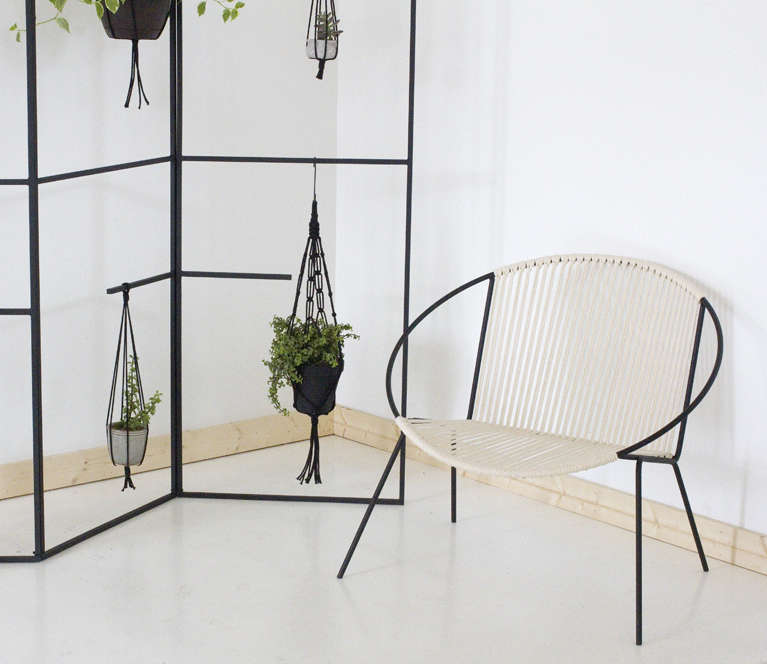
Some chairs politely complete a room. A modern hoop chair walks in, draws a perfect circle around itself, and announces that the decorating has officially become interesting. With its rounded frame, open construction, and relaxed lounge-ready posture, this sculptural seat delivers the rare combination of visual drama and everyday usefulness.
Hoop chairs are often associated with mid-century patios, breezy tropical interiors, and the free-spirited design of the 1960s. Today, the silhouette feels remarkably fresh. Curved furniture, visible craftsmanship, natural textures, and indoor-outdoor versatility are all influencing contemporary interiors, which gives the hoop chair an excellent excuse to return to the spotlight. It is retro without looking trapped in a vintage catalog and playful without requiring your living room to become a theme park.
What Is a Modern Hoop Chair?
A hoop chair is defined by a circular or nearly circular frame that surrounds the seat and back. Depending on the design, the hoop may be made from welded steel, bent wood, iron, rattan, or another curved structural material. The center can be filled with woven cord, rush, leather, upholstery, metal mesh, or removable cushions.
The category overlaps with several other familiar chair styles. Some examples resemble Acapulco chairs, while others borrow features from papasan chairs, wire lounge seating, basket chairs, and mid-century patio furniture. What separates a true hoop chair is the strong visual presence of the ring itself. The frame is not hiding beneath layers of upholstery. It is part of the show.
Historical examples helped establish the shape during the postwar period, when furniture designers were experimenting with bent metal, open frameworks, and sculptural silhouettes. Vintage hoop and “Radar” chairs associated with mid-century outdoor furniture remain collectible today. Current versions continue that experiment using powder-coated steel, UV-resistant cord, natural fibers, leather, and softly upholstered shells.
Why Hoop Chairs Are Trending Again
Curves Make Modern Rooms Feel Friendlier
Contemporary homes contain plenty of rectangles: televisions, rugs, windows, cabinets, tables, sofas, and the mysterious stack of unopened delivery boxes by the door. A circular chair breaks up all that geometry. Its curved outline softens hard architectural lines and makes a room appear less rigid.
Curved and sculptural furniture continues to appear in current design coverage, particularly pieces that balance organic silhouettes with visual lightness. A hoop chair fits naturally into that movement because it introduces a bold curve without creating the bulky footprint of a fully upholstered barrel chair.
Open Frames Add Style Without Visual Clutter
The negative space inside a hoop chair allows light, flooring, wall color, and surrounding furniture to remain visible. That makes the chair especially useful in apartments, sunrooms, covered patios, and open-plan living areas where a solid chair might feel too heavy.
This visual transparency is one reason wire and corded chairs have remained relevant for decades. A dark metal hoop can create definition against a pale wall, while a light frame nearly disappears into an airy room. Either way, the chair contributes shape without behaving like a small upholstered fortress.
They Bridge Indoor and Outdoor Living
Many modern hoop chairs use materials that work in both interiors and protected outdoor spaces. Powder-coated steel, galvanized metal, handwoven PVC cord, and removable cushions offer flexibility for patios, porches, sunrooms, and casual living spaces. Outdoor models may also use colorfast, UV-resistant cord designed to tolerate sun exposure better than untreated natural fibers.
Five Modern Hoop Chairs Worth Knowing
1. The Soñadora Hoop Chair: Minimalist Cord and Steel
The Soñadora Hoop Chair represents the hoop design in its purest form. Its natural welded-steel frame creates a clean circular outline, while the cotton-cord seat introduces softness and handwoven texture. There are no oversized cushions, decorative carvings, or unnecessary flourishes competing for attention. The chair is essentially a graceful line drawing that happens to let you sit inside it.
This style works particularly well in minimalist, coastal, bohemian, and modern rustic interiors. Place it beside a low wood table, linen sofa, or woven floor lamp. Because the frame is visually open, it can also sit near a window without blocking much of the view.
The cotton cord gives the chair a more relaxed indoor personality than vinyl-cord patio seating. That natural material looks attractive with jute rugs, warm woods, clay pottery, and neutral textiles. However, cotton should generally be kept away from prolonged rain and moisture. It may look carefree, but it does not secretly dream of becoming pool furniture.
The original Soñadora example was handmade in Nashville using a welded-steel frame and natural cotton cording, illustrating how a simple structure can feel both industrial and artisanal.
2. The Mitsein Hand Woven Hoop Chair: Artisanal and Airy
The Mitsein Hand Woven Hoop Chair leans further into the craft-focused side of the trend. Its woven construction gives the circular form depth and movement, making the chair look different as sunlight passes across it throughout the day. Instead of reading as a single solid object, it becomes a pattern of lines, shadows, and texture.
This is the style to consider when a room feels polished but slightly lifeless. A woven hoop chair can introduce warmth without forcing you to repaint the walls, replace the sofa, or explain to your family why the dining room is suddenly terracotta. It also pairs naturally with tropical plants, plaster walls, handmade ceramics, and relaxed textiles.
Use this type of chair as a standalone accent rather than surrounding it with too many competing woven pieces. One woven hoop chair looks curated. A woven chair, woven coffee table, woven pendant, woven baskets, and woven wall art may leave guests wondering whether they have accidentally entered a very stylish nest.
For comfort, add a thin seat pad or small lumbar pillow that does not hide the woven structure. The chair’s craftsmanship should remain visible; otherwise, you are dressing the star of the room in a duvet.
3. The Studio One Small Indigo Ring Chair: Compact Color
The Studio One Small Indigo Ring Chair demonstrates that a statement chair does not need to be enormous. Its compact ring-shaped profile and deep indigo coloring turn it into an efficient design accent for bedrooms, small living rooms, reading corners, and studio apartments.
Indigo is especially effective because it carries more character than gray or beige while remaining easy to coordinate. It works with white walls, walnut furniture, brass accents, faded rugs, denim-inspired textiles, and warm leather. In a neutral room, the chair can become the primary color moment without looking like it arrived from an unrelated decorating project.
Compact hoop chairs are helpful in limited spaces because the open frame lets the eye travel through the chair. Still, buyers should measure the widest point of the hoop, not merely the seat. A circular frame may extend farther than expected, much like a wide-brimmed hat in a crowded elevator.
Small-space furniture specialists consistently recommend checking overall dimensions, walking clearance, seat depth, and intended use before purchasing an accent chair. A petite chair can be ideal for occasional conversation, but a deeper lounge model will usually be more comfortable for long reading sessions.
4. The Anais Chair: Iron Meets Paper Rush
The Anais Chair pairs an iron frame with a paper-rush seat, combining industrial structure with an organic woven surface. This contrast is one of the most appealing features of modern hoop seating. Metal gives the chair definition and durability, while the rush prevents it from feeling cold or overly mechanical.
Paper rush has a subtle texture that suits contemporary farmhouse, Japandi, eclectic, and bohemian interiors. It looks particularly good near pale oak, black metal lighting, natural linen, and matte ceramics. The result feels collected rather than coordinated, which is useful when you want a room to appear thoughtfully designed instead of purchased as a matching set on Tuesday afternoon.
Because paper rush is a natural-style woven material, it is better suited to dry indoor spaces than exposed patios. Use a chair like this in a bedroom corner, home office, entryway, or living room where it can add texture without facing regular moisture.
A small cushion can improve comfort, but choose one that complements the shape rather than swallowing it. Rectangular lumbar pillows, round seat pads, and slim leather cushions usually work better than oversized throw pillows.
5. The Les Petits Bohèmes Ensemble de Jardin: The Social Hoop
The Ensemble de Jardin presents the hoop chair as part of a coordinated outdoor setting. Paired with a small table, the circular seat becomes less of a solitary sculpture and more of a social invitation. It is the kind of arrangement that makes a balcony look prepared for coffee, conversation, and the optimistic belief that no mosquitoes will attend.
A compact hoop chair and table set can work on balconies, small patios, garden corners, and covered porches. The circular geometry feels playful, while the open metal framework helps the arrangement remain visually light. This is particularly valuable in outdoor spaces where bulky furniture can quickly consume every available inch.
For outdoor use, check whether the metal has been galvanized, zinc-coated, powder-coated, or otherwise finished for exterior exposure. Also confirm whether the cord, paint, cushions, and fasteners are rated for outdoor conditions. Modern examples from Innit Designs, CB2, and Arper show how powder-coated steel, weather-conscious finishes, and woven synthetic cord can preserve the airy hoop aesthetic while improving outdoor practicality.
How to Choose the Right Modern Hoop Chair
Measure the Entire Frame
Record the chair’s total width, depth, and height, then mark the footprint on the floor with painter’s tape. Include nearby walking paths and room for a side table. Hoop chairs can appear delicate in photographs while still occupying substantial space at their widest point.
Match the Material to the Location
Natural cotton, paper rush, leather, and untreated rattan are best protected from prolonged moisture. Powder-coated metal and UV-resistant synthetic cord are more appropriate for outdoor use, although manufacturer instructions should always take priority. Even weather-resistant furniture lasts longer when covered or stored during severe conditions.
Decide Whether It Is for Looking or Lounging
Some hoop chairs are upright accent seats, while others recline deeply. An upright model may work well for conversation or putting on shoes. A deeper version with flexible cording or cushions is better for reading and relaxing. Beauty matters, but so does being able to stand up afterward without filing a complaint with the chair.
Inspect Stability and Weight Capacity
Check the frame joints, base design, maximum weight recommendation, and quality of the weave. Welded steel and solid wood frames can provide excellent durability when properly constructed. If buying vintage, look for rust, cracked welds, loose cording, damaged straps, or previous repairs.
Choose a Finish That Connects to the Room
A hoop chair does not need to match the sofa, but it should relate to something nearby. Repeat the frame color in a lamp, table base, picture frame, or cabinet hardware. Echo the cord or cushion color in artwork, pillows, or a rug. These small connections make an unusual chair feel intentional.
How to Style a Hoop Chair Without Overdecorating
Give the chair breathing room. Its outline is part of its appeal, so avoid pushing it into a crowded cluster of furniture. Position it at a slight angle to the sofa, beside a window, or across from a coffee table to create a conversational arrangement.
Add one practical companion, such as a small side table, floor lamp, or low stool. A reading chair without a place for coffee is merely an attractive obstacle.
Keep accessories limited. One lumbar pillow, a folded throw, or a thin seat cushion is usually enough. Natural woven chairs look beautiful with linen and cotton, while black metal frames can handle velvet, leather, or graphic textiles.
In a room filled with straight-edged furniture, let the hoop chair be the primary curved statement. Current decorating guidance generally favors mixing rounded and linear forms rather than repeating one trend everywhere. The contrast keeps a space lively and prevents it from looking like the entire floor plan was drafted with a compass.
Living With a Modern Hoop Chair: Real-World Experiences
The Chair Changes the Room Before Anyone Sits Down
The first noticeable experience with a hoop chair is visual rather than physical. Unlike a conventional armchair, it creates a recognizable silhouette from across the room. In a plain corner, the circular frame can function almost like three-dimensional wall art. This is especially effective in rental homes where permanent architectural changes are limited.
A black metal hoop chair placed against a white wall creates crisp contrast. A pale wood or natural-cord model produces a softer effect. In both cases, the chair makes the room feel more deliberate, even when the surrounding furniture is relatively simple.
Comfort Depends Heavily on the Weave
Woven hoop chairs often feel more flexible than rigid wood or metal seats. Vinyl cord and tightly stretched cotton can distribute weight across the frame, creating a supportive hammock-like sensation. However, the angle and tension matter. A loosely woven chair may feel wonderfully relaxed for ten minutes and less charming when you need to answer emails for two hours.
People who prefer upright support may benefit from a lumbar cushion. Taller users should check back height and seat depth, while shorter users may want a small ottoman if the seat reclines deeply. Trying the chair in person is ideal, but detailed dimensions and customer photographs can provide useful clues when shopping online.
Open Construction Makes Cleaning Easierand Stranger
A hoop chair has fewer broad upholstered surfaces to collect dust, but its many cords, rods, or woven fibers create smaller areas that need attention. A vacuum brush, microfiber cloth, or soft detailing brush usually works well. Outdoor cord can often be wiped with mild soap and water when permitted by the manufacturer.
The open seat also allows crumbs to fall through rather than remain hidden. Whether that counts as easier cleaning or simply relocating the problem to the floor depends on your relationship with crackers.
Pets May Claim It Immediately
The rounded, nest-like shape can be extremely appealing to cats and small dogs. A removable washable cushion may protect the original weave and prevent fur from becoming a permanent design material. Pet owners should also watch for claws catching on natural fibers or chewing on exposed cord.
It Works Best When the Rest of the Room Stays Calm
A sculptural chair rewards restraint. The most successful rooms usually surround it with simpler shapes, a controlled color palette, and enough empty space for the circle to remain visible. When every object is competing for attention, the chair’s form loses its impact.
That does not mean the room must be minimal. A vintage rug, colorful art, plants, books, and collected objects can all coexist with a hoop chair. The trick is hierarchy. Let the chair lead the seating area, then allow the supporting pieces to behave like supporting pieces.
Outdoor Ownership Requires a Little Discipline
Even when a chair is rated for exterior use, regular care improves its lifespan. Wipe away standing water, clean spills before they stain, inspect metal for chipped coatings, and use a cover during long periods of bad weather. In freezing climates, storage may be safer than leaving the chair exposed year-round.
Cushions should be allowed to dry fully before storage. Trapping damp fabric under a cover creates the kind of surprise nobody wants to discover in spring.
The Best Experience Is a Balance of Sculpture and Use
A hoop chair succeeds when it is neither treated as untouchable art nor expected to replace a fully cushioned recliner. It is an accent seat with personality. It can host a guest, complete a reading corner, brighten a patio, or rescue an empty bedroom corner from becoming a laundry storage facility.
Choose a model with a comfortable angle, durable materials, and dimensions that suit the room. When those practical details are right, the chair’s circular form becomes more than a trend. It becomes the piece everyone notices, asks about, and quietly chooses before somebody else sits down.
Conclusion: The Hoop Chair Has Come Full Circle
Modern hoop chairs prove that a strong furniture silhouette can survive decades of changing tastes. The basic recipe remains beautifully simple: create a circle, suspend or support a seat inside it, and let materials give the design its personality.
The Soñadora chair emphasizes minimal steel and cotton cord. Mitsein’s interpretation celebrates handwoven craft. The Studio One Indigo Ring Chair introduces compact scale and color. The Anais Chair combines iron with natural-looking rush, while the Ensemble de Jardin brings the shape outdoors as part of a sociable café arrangement.
Whether your home leans mid-century, bohemian, coastal, contemporary, or eclectic, there is likely a hoop chair capable of joining the room without demanding a complete decorating identity change. Measure carefully, choose materials suited to the location, and leave enough space for the circular frame to shine. Your room gets a sculptural focal point, and you get somewhere to sit. Furniture rarely negotiates such a fair deal.