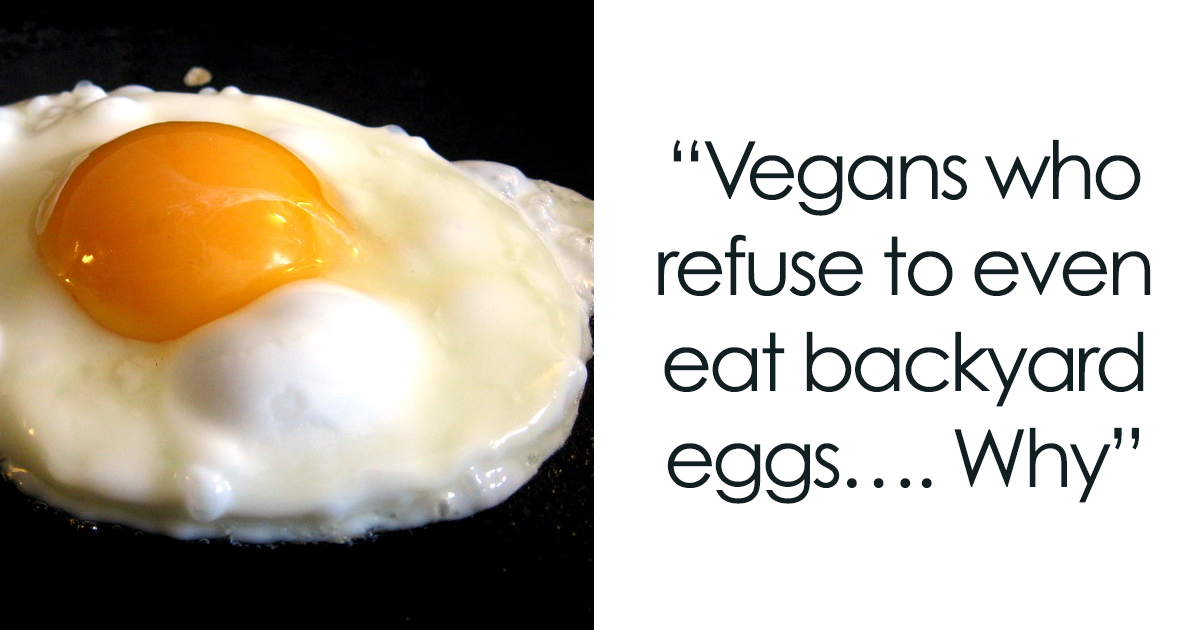
The internet has a special talent for turning breakfast into philosophy. One minute someone is asking whether oatmeal needs more cinnamon; the next, a crowd of Tumblr users is debating whether eating eggs and honey can ever be ethical. Somewhere in the middle, a chicken is minding her business, a beekeeper is adjusting a smoker, and a vegan is quietly wondering why everyone suddenly became an expert in animal ethics before lunch.
The viral discussion behind “Tumblr Users Tell Vegans That There’s An Ethical Way To Eat Eggs And Honey” taps into a real and surprisingly complicated question: Is veganism about avoiding every animal-derived product, no exceptions, or is it about reducing harm as much as possible? For many vegans, the answer is clear: eggs and honey are animal products, so they are off the plate. For others, especially people familiar with backyard hens, rescued chickens, or small-scale beekeeping, the issue feels less black-and-white.
This article explores the argument from both sides. We will look at why vegans avoid eggs and honey, why some people claim ethical eggs and ethical honey can exist, and what animal welfare experts, food safety guidance, and pollinator science add to the conversation. Spoiler: the answer is not as simple as “chickens lay eggs anyway” or “bees make extra honey.” If only ethics were that easy, the internet would have fewer arguments and Tumblr would have to survive on fan art alone.
Why Eggs And Honey Are Usually Not Vegan
Traditional veganism avoids animal exploitation as far as possible and practical. In food terms, that means avoiding meat, dairy, eggs, honey, gelatin, and other ingredients that come from animals. This is why most vegans do not consider eggs or honey vegan, even when the products come from a small farm rather than a giant industrial operation.
The reasoning is not only about visible cruelty. It is also about consent, ownership, and the way humans treat animals as production systems. A hen does not sign a tiny feathered contract saying, “Please monetize my reproductive cycle.” A bee does not clock in at the hive and request that humans skim off the pantry. Vegan ethics usually begin with the idea that animals and insects should not be used as resources simply because humans can benefit from them.
The Egg Question
Eggs are especially emotional because they seem harmless on the surface. A backyard hen lays an unfertilized egg. No chick is inside. The hen may not appear interested in it. So why not eat it?
For many vegans, the problem is the system behind the egg. Commercial egg production has a long history of animal welfare concerns, including confinement, selective breeding for high egg output, disposal of male chicks, and the treatment of hens as replaceable units. Even backyard chickens often come from hatcheries connected to the same broader supply chain. If people buy hens specifically for egg production, the ethical issue has not vanished; it has simply moved into a prettier coop with a rustic sign that says “Cluckingham Palace.”
The Honey Question
Honey has a similar tension. Bees make honey to feed the colony, especially through periods when flowers are scarce. Some beekeepers argue that healthy hives can produce surplus honey and that responsible harvesting leaves enough for the bees. Many vegans respond that the honey still belongs to the bees, and that commercial beekeeping can involve stress, transportation, artificial feeding, disease pressure, and colony management practices designed primarily around human profit.
That is the core divide: one side asks, “Can this be done without obvious harm?” The other asks, “Why are we taking it at all?”
What Tumblr Users Were Really Arguing About
The viral Tumblr-style argument was not just about food. It was about moral flexibility. Some users argued that there are ethical ways to eat eggs and honey if the animals are cared for properly. They pointed to backyard chickens who are treated like pets and bees whose keepers harvest only extra honey. Others pushed back, saying that good conditions do not erase exploitation.
That is why the debate spread. It did not fit neatly into the usual internet boxes. It was not “factory farming is bad” versus “bacon is my personality.” It was a subtler argument about whether personal relationships with animals can change the ethics of using what they produce.
For example, imagine a person adopts rescued hens from a sanctuary-like situation. The hens receive veterinary care, safe housing, predator protection, quality feed, and affection. They lay eggs regardless of whether anyone eats them. If the guardian eats the eggs, is that exploitationor a practical use of something that would otherwise go to waste?
Now imagine a beekeeper who avoids migratory pollination, does not overharvest, leaves plenty of honey for winter, avoids harsh chemical treatments when possible, supports local forage, and prioritizes colony health over yield. Is that honey still unethicalor is it meaningfully different from industrial honey?
These are the gray zones that make the conversation interesting. The chicken, unfortunately, remains unavailable for comment.
Is There Such A Thing As Ethical Eggs?
The strongest argument for ethical eggs usually comes from backyard or rescued hens. Supporters say eggs from hens who are not caged, not slaughtered when production declines, and not bought from exploitative hatcheries may be ethically different from supermarket eggs.
In this view, the important conditions are strict. The hens should be rescued or adopted, not purchased as egg machines. They should receive lifelong care, including veterinary attention when laying causes health issues. Their eggs should not be the reason they are valued. The humans should be guardians first and omelet enthusiasts a very distant second.
What Responsible Chicken Care Requires
Backyard chickens are not low-maintenance lawn ornaments with beaks. They need fresh food and water daily, clean shelter, space, ventilation, protection from predators, and regular egg collection. Many local laws restrict flock size or ban roosters, which creates another ethical problem: what happens to male birds?
Food safety also matters. Backyard eggs can carry Salmonella, even when the birds look healthy. Proper handling includes collecting eggs frequently, discarding cracked eggs, washing hands after touching birds or eggs, storing eggs correctly, and cooking eggs thoroughly. “My chicken is named Princess Waffles” is adorable, but it is not a food safety plan.
Why Some Vegans Still Say No
Many vegans reject backyard eggs because they believe eating them reinforces the idea that hens exist for human use. Some animal sanctuaries also avoid giving away or selling eggs because it can send a confusing message: if these eggs are fine, why not buy “humane” eggs from the store? And once consumers enter the world of egg labels, terms like “natural,” “free-range,” and “cage-free” can be less reassuring than they sound unless backed by strong standards and verification.
There is also the biological issue. Modern laying hens have been bred to produce far more eggs than their wild ancestors. Egg production can drain nutrients and contribute to reproductive health problems. Some sanctuaries feed eggs back to hens or use veterinary methods to reduce laying in vulnerable birds. From that perspective, the most ethical egg may be the one the hen gets back.
Is There Such A Thing As Ethical Honey?
Honey inspires a different kind of debate because bees are small, numerous, and harder for humans to emotionally read. A chicken can look offended. A bee simply continues being a tiny winged chemistry department.
Supporters of ethical honey argue that responsible beekeeping can help maintain healthy colonies, manage pests, support pollination, and provide local food. Honey bees play a major role in American agriculture, pollinating many fruits, nuts, and vegetables. Managed honey bee colonies add billions of dollars in value to U.S. crop production, which is one reason beekeeping is tied so closely to the food system.
However, critics argue that this agricultural usefulness does not automatically make honey vegan. Bees make honey for the hive. When humans take it, even gently, they are still taking the product of bee labor. Commercial beekeeping may also involve transporting hives long distances, exposing bees to monoculture crops, replacing honey with sugar syrup, and increasing disease pressure.
Ethical Beekeeping: What It Would Need To Look Like
If someone argues for ethical honey, the standards should be high. A responsible beekeeper would harvest only true surplus, leave enough honey for the colony, avoid practices that weaken bees, minimize stress during inspections, support diverse forage, avoid overcrowding hives, and prioritize colony health over production.
Local context matters, too. Conservation groups have warned that managed honey bees can compete with native bees for floral resources and may transmit disease in sensitive environments. In other words, “saving the bees” does not always mean adding more honey bee hives. Sometimes it means planting native flowers, reducing pesticide use, protecting nesting habitat, and letting wild pollinators do their ancient job without a human business plan attached.
The Difference Between “Vegan” And “Lower Harm”
One useful way to understand the debate is to separate two questions: Is it vegan? Is it lower harm?
Eggs from rescued hens may be lower harm than factory-farmed eggs. Honey from a careful neighborhood beekeeper may be lower harm than mass-produced honey tied to intensive pollination services. But lower harm is not the same as vegan by the common definition. Veganism generally avoids animal-derived products; ethical omnivory or reducetarian eating may allow certain exceptions.
This distinction matters because people often use the word “vegan” when they really mean “more ethical than the supermarket version.” That may be a fair claim in some cases, but it is not the same claim. Language matters. If a person says, “I eat eggs only from rescued hens I personally care for,” that is more precise than saying, “Backyard eggs are vegan.” The first sentence invites discussion. The second sentence invites a comment section with smoke coming out of it.
What Consumers Should Ask Before Buying Eggs Or Honey
For people who are not vegan but want to reduce harm, the Tumblr debate can still be useful. It pushes consumers to ask better questions instead of trusting cozy packaging. A carton with a cartoon barn does not guarantee a good life. A honey jar with a bee wearing a smile does not prove the hive was managed responsibly.
Questions To Ask About Eggs
Where did the hens come from? Are they kept for life after egg production declines? How much space do they have? Do they receive veterinary care? Are roosters protected or discarded? Are eggs handled safely? Are labels backed by credible animal welfare standards?
Questions To Ask About Honey
Does the beekeeper leave sufficient honey for the bees? Are hives transported for pollination contracts? How are pests and diseases managed? Is the beekeeper supporting native habitat? Are hives placed responsibly so they do not overwhelm native pollinators?
These questions do not create a perfect food system, but they do move the conversation beyond slogans. Ethics improves when curiosity replaces marketing.
Why The Debate Gets So Heated
Food is personal. Ethics is personal. Put them together and suddenly everyone at the table is defending not just dinner, but identity. Vegans often feel tired of defending choices that are mocked or misunderstood. Non-vegans often feel judged before they have even buttered their toast. People who keep hens or bees may feel that outsiders ignore the care, labor, and affection involved.
The Tumblr discussion became popular because it stepped directly into that emotional traffic jam. It suggested that some vegans might be too rigid. Vegans responded that the argument misunderstood veganism. Beekeepers and chicken keepers added practical experience. Animal advocates added concerns about exploitation. Then the internet did what the internet does best: it made everyone slightly louder.
Still, beneath the noise is a valuable conversation. Most people involved, even when they disagree, care about reducing harm. They simply draw the line in different places.
A Practical Middle Ground
The most reasonable conclusion may be this: eggs and honey are not vegan under standard definitions, but some ways of obtaining them may be far more ethical than others. A person who avoids all eggs and honey is making a consistent vegan choice. A person who eats only eggs from rescued hens or honey from a careful local beekeeper may be making a lower-harm choice, but not a strictly vegan one.
That distinction allows room for honesty. No one has to pretend that a backyard egg is the same as a factory-farmed egg. No one has to pretend that honey becomes vegan because the beekeeper owns a charming hat. And no one has to turn every breakfast into a courtroom drama, although the toast may be asked to testify.
Experiences Related To Ethical Eggs And Honey
People who have spent time around backyard hens often describe a shift in perspective. Chickens are not just egg dispensers with legs. They have habits, preferences, arguments, alliances, grudges, and a shocking ability to make one leaf of lettuce feel like a major sporting event. Someone who adopts rescued hens may start with a practical question about eggs and end up thinking more deeply about companionship, responsibility, and the cost of breeding animals for productivity.
One common experience is surprise at how much care hens need. The romantic image is simple: open the coop, collect breakfast, enjoy rustic happiness. The real version includes cleaning bedding, checking for mites, securing fencing, worrying about predators, monitoring heat stress, learning local ordinances, and realizing that veterinary care for chickens can be harder to find than expected. Responsible guardians often discover that the eggs become less important over time. The relationship becomes about the birds themselves.
Some people who care for rescued hens choose not to eat the eggs at all. They may feed cooked eggshells or eggs back to the hens for nutrients, compost unused eggs, or donate them only in very limited contexts. Others do eat them but refuse to sell them or expand the flock for production. Their personal rule is that the hen’s welfare must come first. If the eggs stop, the care continues. That is the difference between a companion animal and a tiny employee in a feather suit.
Beekeeping creates similar complexity. Small-scale beekeepers often describe deep respect for the colony. They learn to read hive behavior, monitor pests, track nectar flows, and make decisions based on weather, forage, and winter survival. Many insist that ethical honey is possible only when the beekeeper takes surplus carefully and leaves the hive well supplied. They see themselves less as honey owners and more as hive stewards.
Yet even among thoughtful beekeepers, the ethical questions remain. Bees are not pets in the ordinary sense. A hive is a superorganism with needs humans only partly understand. Harvesting honey may be gentle, but it is still an intervention. Adding more hives can also affect native pollinators if the local ecosystem does not have enough flowers for everyone. The experience of responsible beekeeping often teaches humility: the more one learns, the less convincing simple answers become.
For consumers, the most meaningful experience may be learning to ask where food comes from. Someone who once bought the cheapest eggs may begin noticing animal welfare labels. Someone who once assumed all honey was harmless may start researching local beekeepers or switching to maple syrup. Someone who once mocked vegans may realize that the philosophy is not about being difficult at brunch; it is about questioning habits that most people inherit without inspection.
At the same time, vegans can encounter thoughtful edge cases that challenge easy assumptions. A rescued hen laying eggs in a loving home is not the same situation as a hen in industrial production. A careful beekeeper who improves habitat is not identical to a large migratory operation. Recognizing those differences does not require abandoning vegan principles. It simply makes the conversation more accurate.
The best experiences around this topic tend to move people away from purity contests and toward responsibility. If you are vegan, you can continue avoiding eggs and honey while acknowledging that some non-vegan choices cause less harm than others. If you are not vegan, you can reduce harm without pretending every “local” or “natural” product is automatically ethical. And if you keep chickens or bees, you can treat their lives as more important than what they produce.
That may be the most useful lesson from the Tumblr debate. Ethical eating is not about winning a comment thread. It is about paying attention. It is about asking whether convenience has made us careless. It is about admitting that food choices have consequences, even when the food is small, golden, and sitting innocently beside toast.
Conclusion
The debate over whether vegans can ethically eat eggs and honey is not going away, because it touches the heart of vegan philosophy: reducing exploitation, not merely avoiding cruelty that is easy to see. Under the standard definition, eggs and honey are not vegan because they come from animals or insects. However, the Tumblr users had a point worth examining: not all eggs and honey come from identical circumstances, and some practices may be much less harmful than others.
The strongest ethical position depends on honesty. If you avoid eggs and honey completely, that is consistent vegan practice. If you consume eggs only from rescued hens or honey only from careful small-scale beekeepers, call it a lower-harm choice rather than vegan. Either way, the goal should be less defensiveness and more thoughtfulness. Chickens and bees are not symbols in an online debate. They are living beings connected to ecosystems, agriculture, and human responsibility. And frankly, they deserve better than being used as props in another internet shouting match.