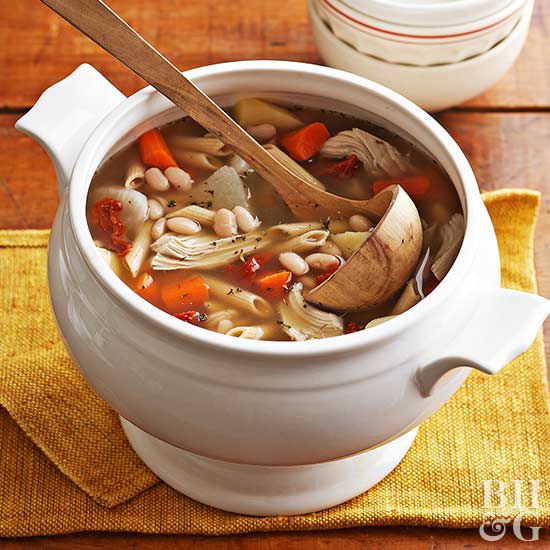
Turkey frame soup is the delicious little miracle that happens when Thanksgiving leftovers stop looking tired and start acting like dinner again. After the big meal, the turkey framealso called the carcass, bones, or “that thing nobody wants to deal with while wearing stretchy pants”still has plenty to offer. Simmered slowly with vegetables, herbs, and water, it becomes a rich homemade turkey broth that tastes deeper, cozier, and more satisfying than anything poured from a carton.
This classic leftover turkey soup is practical, budget-friendly, and deeply comforting. It turns roasted bones, bits of turkey meat, carrots, celery, onions, herbs, and pantry staples into a hearty bowl that feels like a reward for surviving the holiday dishes. Whether you add noodles, rice, potatoes, barley, or keep it brothy and light, turkey frame soup proves one very important kitchen truth: the best part of the turkey may arrive the next day.
What Is Turkey Frame Soup?
Turkey frame soup is a homemade soup made by simmering the leftover roasted turkey frame with aromatics to create a flavorful stock, then using that stock as the base for a finished soup. The “frame” includes the bones, wing tips, back, rib cage, and any small pieces of meat still clinging on after carving. In other words, it is the part of the bird that looks finished but absolutely is not.
The process is simple. First, the turkey frame is simmered with onion, celery, carrots, garlic, bay leaves, thyme, parsley stems, and peppercorns. This creates turkey stock. Then the stock is strained, seasoned, and combined with vegetables, leftover turkey meat, and a starch such as noodles or rice. The result is homemade turkey soup with a savory, roasted flavor that tastes like Thanksgiving put on a sweater.
Why Turkey Frame Soup Is Worth Making
Making turkey frame soup is one of the smartest ways to use leftover turkey. It reduces food waste, stretches one roasted bird into multiple meals, and gives you a broth that has far more character than plain water or basic chicken broth. The roasted bones add body. The browned skin and joints contribute savory depth. The leftover herbs from the holiday table bring familiar, comforting flavor.
It is also wonderfully flexible. A traditional turkey noodle soup is always welcome, but turkey frame soup can also become turkey rice soup, turkey barley soup, turkey vegetable soup, turkey pho-inspired soup, turkey ramen, or a creamy turkey and wild rice soup. Once you have a good turkey stock, you have options. Many options. The soup pot becomes your leftover command center.
Ingredients for the Best Turkey Frame Soup
For the turkey stock
- 1 leftover turkey frame from a roasted turkey
- 10 to 14 cups cold water, enough to mostly cover the bones
- 1 large onion, quartered
- 2 carrots, cut into large pieces
- 2 celery ribs, cut into large pieces
- 3 garlic cloves, smashed
- 2 bay leaves
- 4 sprigs fresh thyme, or 1 teaspoon dried thyme
- Parsley stems, optional but recommended
- 1 teaspoon black peppercorns
- Salt, added lightly at first
For the finished soup
- 8 cups homemade turkey stock
- 2 tablespoons olive oil or butter
- 1 medium onion, diced
- 3 carrots, sliced
- 3 celery ribs, sliced
- 2 garlic cloves, minced
- 2 to 3 cups shredded leftover turkey meat
- 1 cup egg noodles, rice, barley, or diced potatoes
- 1 teaspoon poultry seasoning, optional
- Salt and black pepper to taste
- 1 tablespoon lemon juice or apple cider vinegar, optional
- Fresh parsley for serving
How to Make Turkey Frame Soup Step by Step
Step 1: Pick the turkey frame
Before making stock, remove any good pieces of turkey meat from the frame and save them for the finished soup. This matters because meat simmered for hours in stock gives up much of its flavor and texture. The bones are perfect for the stockpot, but tender leftover turkey meat is better added near the end so it stays juicy.
Step 2: Break the frame into pieces
If the turkey frame is too large for your pot, break it into smaller sections. Kitchen shears can help, but clean hands work too. The goal is not elegance. The goal is fitting the bird skeleton into the pot without feeling like you are wrestling a holiday dinosaur.
Step 3: Cover with cold water
Place the turkey frame in a large stockpot and add enough cold water to mostly cover it. Cold water helps draw flavor from the bones gradually. Do not drown the frame in too much water, or the stock may taste weak. A good rule is to add just enough water so the bones are submerged or nearly submerged.
Step 4: Add aromatics
Add onion, carrots, celery, garlic, bay leaves, thyme, parsley stems, and peppercorns. Keep the salt light at this stage, especially if the roasted turkey was heavily seasoned or brined. You can always add more salt later, but removing salt from soup requires wizardry, and most of us did not major in soup magic.
Step 5: Simmer gently
Bring the pot just to a boil, then immediately reduce the heat to a gentle simmer. Let the stock bubble quietly for 2 to 4 hours. Avoid a hard boil because it can make the broth cloudy and harsh. A slow simmer creates a cleaner, smoother turkey stock with a richer roasted flavor.
Step 6: Strain the stock
Remove the large bones and vegetables with tongs or a slotted spoon. Then strain the stock through a fine-mesh strainer into a clean pot or heat-safe bowl. Discard the spent bones and vegetables. They have done their duty. Salute them if you must.
Step 7: Skim the fat
If you have time, chill the stock so the fat rises and firms on top. Then lift it off with a spoon. If you are making soup right away, skim the surface with a ladle. A little fat adds flavor, but too much can make the soup feel heavy.
Step 8: Build the soup
In a clean soup pot, warm olive oil or butter over medium heat. Add diced onion, carrots, and celery. Cook for 6 to 8 minutes, until the vegetables begin to soften. Add garlic and cook for 30 seconds. Pour in the turkey stock, bring it to a simmer, and add noodles, rice, barley, or potatoes. Cook until tender.
Step 9: Add turkey meat at the end
Stir in shredded leftover turkey during the final few minutes of cooking. This warms the meat without drying it out. Taste the soup and season with salt, pepper, poultry seasoning, and a splash of lemon juice or apple cider vinegar if the flavor needs brightening.
Best Add-Ins for Turkey Frame Soup
Turkey frame soup welcomes add-ins like a friendly neighbor with extra chairs. Egg noodles make it classic. Rice makes it gentle and filling. Wild rice adds a nutty flavor that works beautifully with turkey. Barley gives the soup a hearty, old-fashioned texture. Potatoes make it rustic and cozy.
Vegetables are equally flexible. Carrots, celery, onion, peas, corn, green beans, mushrooms, kale, spinach, leeks, and diced sweet potatoes all work well. If you have leftover roasted vegetables from the holiday table, add them near the end so they do not overcook. Leftover gravy can also be whisked into the broth for a richer soup, though a little goes a long way.
Turkey Frame Soup Variations
Classic turkey noodle soup
Add egg noodles, carrots, celery, onion, garlic, parsley, and shredded turkey. This version is simple, familiar, and exactly what many people want after a big holiday meal.
Turkey rice soup
Use long-grain white rice, brown rice, or wild rice. Cook rice separately if you plan to store leftovers, because rice can continue absorbing broth in the refrigerator and turn your soup into turkey pudding. Delicious? Maybe. Soup? Questionable.
Creamy turkey frame soup
For a creamy version, stir in a splash of half-and-half or milk near the end. You can also whisk flour into butter to make a light roux before adding the stock. Creamy turkey soup pairs especially well with wild rice, mushrooms, and thyme.
Turkey vegetable soup
Skip the noodles and load the pot with vegetables. Add zucchini, green beans, spinach, cabbage, tomatoes, or white beans. This is a lighter version that still tastes satisfying because the homemade turkey stock carries the flavor.
Turkey pho-inspired soup
Simmer the turkey frame with ginger, onion, star anise, cinnamon, and cloves. Serve with rice noodles, shredded turkey, scallions, herbs, lime, and bean sprouts. It is not traditional pho, but it is a fragrant and clever way to give leftover turkey a completely different personality.
Common Mistakes to Avoid
Using too much water
Too much water creates thin stock. Start with just enough to cover the turkey frame. You can always dilute strong stock later, but weak stock takes longer to rescue.
Boiling instead of simmering
A rolling boil can make turkey stock cloudy and rough-tasting. Keep the heat low and steady. The pot should gently bubble, not audition for a volcano documentary.
Adding noodles too early
Noodles absorb liquid as they sit. If you plan to make a big batch for leftovers, cook noodles separately and add them to each bowl. This keeps the soup brothier and prevents mushy pasta.
Forgetting acid
A small splash of lemon juice or vinegar at the end can wake up the whole pot. It does not make the soup sour. It makes the flavors clearer, brighter, and less sleepy.
How to Store and Freeze Turkey Frame Soup
Cool turkey frame soup quickly and store it in shallow containers. Refrigerate leftovers within 2 hours of serving. For best quality and safety, eat refrigerated turkey soup within 3 to 4 days. Reheat leftovers until steaming hot and the soup reaches 165°F.
Turkey frame soup also freezes well. For the best texture, freeze the broth and turkey meat without noodles or rice. Add fresh noodles, rice, or potatoes when reheating. Frozen turkey soup is perfect for busy nights when cooking feels dramatic and a little unnecessary.
What to Serve with Turkey Frame Soup
This soup is satisfying on its own, but it becomes a full meal with a few simple sides. Serve it with crusty bread, buttermilk biscuits, cornbread, garlic toast, a green salad, or leftover dinner rolls. If you still have cranberry sauce, spread it on toast with butter and serve it beside the soup. It sounds unusual until you try it, and then suddenly you are a leftover genius.
My Real-World Experience With Turkey Frame Soup
The first time I made turkey frame soup, I did not feel like a wise home cook. I felt like someone standing in the kitchen after Thanksgiving, staring at a turkey carcass and wondering if throwing it away would be a moral failure. The sink was full, the refrigerator was packed like a holiday-themed puzzle, and everyone had already made at least one sandwich tall enough to require engineering approval.
Still, I put the turkey frame in a pot. I added carrots, celery, onion, garlic, bay leaves, and water. At first, it looked deeply unimpressive. Honestly, it looked like a craft project gone wrong. But after an hour, the kitchen began to smell incredible. Not loud or flashy, just warm and savory, like the house had decided to forgive everyone for leaving dishes “to soak.”
By the second hour, the broth had turned golden. The bones had released their roasted flavor, and the vegetables had softened into the background. I strained everything, skimmed the fat, and suddenly had a pot of homemade turkey stock that tasted better than expected. That was the moment I understood why so many families treat turkey frame soup like a tradition instead of a chore.
The finished soup was simple: onions, carrots, celery, leftover turkey, and egg noodles. I added parsley and a squeeze of lemon at the end. That small squeeze made a big difference. Before the lemon, the soup was good. After the lemon, it tasted awake. It had depth from the roasted turkey, sweetness from the carrots, and enough richness to feel comforting without being heavy.
Since then, I have learned a few practical lessons. First, save the best pieces of turkey meat before making the stock. Do not let all the good meat simmer for hours, because it becomes dry and tired. Second, do not add noodles to the whole pot unless everyone is eating immediately. Noodles are sneaky little broth thieves. Third, turkey frame soup is even better the next day, once the flavors have had time to settle down and become friends.
I have also learned that this soup is forgiving. One year I added rice. Another year I added wild rice and mushrooms. Once, in a bold leftover experiment, I stirred in a spoonful of gravy and some roasted green beans. Nobody complained. In fact, people asked for seconds, which is the highest form of kitchen applause, especially from relatives who usually offer feedback like unpaid restaurant critics.
Turkey frame soup has become my favorite post-holiday reset meal. After a table full of rich casseroles, pies, stuffing, and buttery everything, a bowl of homemade turkey soup feels nourishing and calm. It is not fancy, but it is deeply useful. It takes what might have been wasted and turns it into something warm, economical, and genuinely delicious.
The best part is that turkey frame soup does not require perfection. Your carrots can be uneven. Your celery can be slightly bendy. Your herbs can be whatever survived the holiday cooking marathon. The soup will still work. It is the kind of recipe that rewards attention but forgives exhaustion, which is exactly what most of us need after a major feast.
Conclusion
Turkey frame soup is more than a leftover recipe. It is a smart, flavorful, and comforting way to make the most of a roasted turkey. By simmering the turkey frame into homemade stock, then adding vegetables, turkey meat, herbs, and your favorite starch, you can create a soup that tastes rich, cozy, and completely homemade.
Whether you prefer turkey noodle soup, turkey rice soup, creamy turkey wild rice soup, or a vegetable-packed version, the basic method stays the same: build a good stock, season thoughtfully, and add the cooked turkey near the end. The next time a holiday turkey leaves behind a bare frame, do not toss it. Turn it into soup. Your future self, holding a warm bowl on a chilly day, will be extremely grateful.