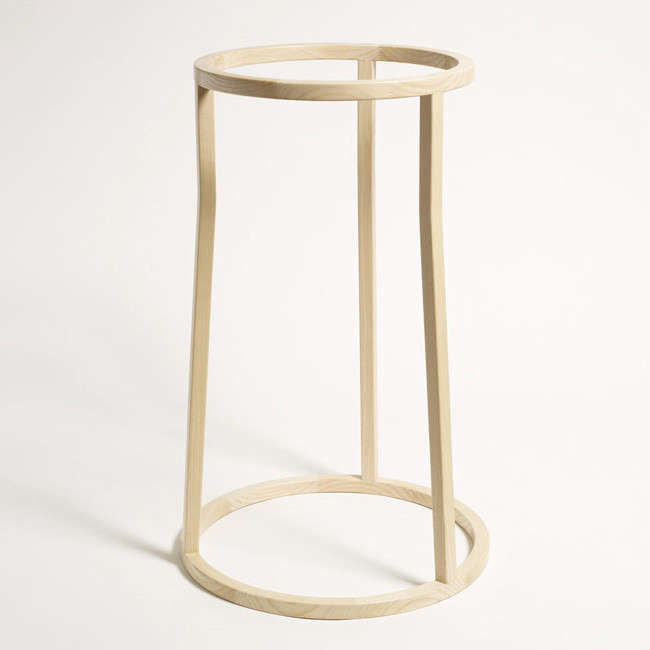
The Uma – Clothes Stand is the kind of home design piece that quietly asks, “What if your bedroom chair could retire?” You know the chair. Everyone has one. It begins life as seating, then somehow becomes a fabric mountain: jeans from yesterday, a sweater you might wear again, a jacket that is not dirty but not exactly clean, and one mysterious scarf that seems to pay rent. The Uma Clothes Stand was designed as a more elegant answer to that everyday problem.
Created by James Smith Designs and often referred to as the Uma Clothes Horse, this minimalist wooden clothes stand turns casual clothing storage into something intentional. It is not a bulky wardrobe, not a rolling commercial garment rack, and not a plastic drying frame that announces “laundry day” from across the room. Instead, Uma works like a sculptural valet stand for modern living: simple, vertical, warm, and practical.
At its core, Uma is about giving clothes a proper pause. The day’s outfit can be draped over the top ring, while a hanger can be placed on the upper bar for a jacket, shirt, blazer, or dress. That tiny bit of structure can prevent a surprising amount of visual chaos. In small bedrooms, guest rooms, studio apartments, entryways, and walk-in closets, a clothes stand like Uma proves that organization does not have to look like office equipment moved into your home.
What Is the Uma Clothes Stand?
The Uma Clothes Stand is a freestanding wooden garment stand designed to hold recently worn clothing, planned outfits, or delicate pieces that deserve breathing room. Unlike a standard clothing rack, it does not try to replace your entire closet. That is part of its charm. Uma is not here to swallow your whole wardrobe; it is here to stop the daily clothing pile from becoming a domestic landmark.
The original Uma Clothes Horse was made from ash wood, with other timbers available on request. It measured about 36 inches tall and had a base diameter of about 24 inches, giving it a compact footprint suitable for bedrooms and dressing areas. Its top ring allowed clothing to be draped naturally, while the top rail could hold a hanger. This combination made it useful for both casual garments and more structured pieces, such as suit jackets.
Because the original product has been discontinued, “Uma – Clothes Stand” is now often discussed as a design reference rather than a widely available retail item. Still, its concept remains highly relevant. It sits at the intersection of minimalist furniture, open clothing storage, valet stand design, and small-space organization. In other words, it is a beautiful solution to a deeply unglamorous problem: clothes that are too clean for the laundry basket and too worn for the closet.
Why a Clothes Stand Still Makes Sense in Modern Homes
Modern homes are expected to do a lot. A bedroom may also be a home office. An entryway may be a mudroom, package station, dog-leash zone, and emotional support shoe pile. A studio apartment may need one corner to function as wardrobe, dressing room, and storage hub. In that reality, a clothes stand can be far more useful than it first appears.
The best clothing storage is not always hidden. Open storage can help people see what they own, plan outfits faster, and keep high-use items accessible. A clothes stand provides a controlled version of open storage. It gives garments a place to land without letting the entire room turn into a closet with a mattress.
Uma’s design is especially smart because it does not encourage overloading. A large garment rack can quickly become a second closet, then a third closet, then a metal jungle of regret. Uma’s smaller form encourages editing. It works best for a jacket, a pair of trousers, a robe, tomorrow’s outfit, or the “I wore this for two hours and refuse to wash it yet” category. That category is real, and we should stop pretending otherwise.
Design Analysis: Minimalist, Warm, and Practical
A Softer Alternative to Metal Garment Racks
Many garment racks are made from steel, chrome, or powder-coated metal. They are durable and useful, especially for laundry rooms, closets, and seasonal storage. But in a bedroom, metal racks can sometimes feel temporary, industrial, or visually noisy. A wooden clothes stand like Uma offers a softer mood. Ash wood brings natural grain, warmth, and a handcrafted feel that blends easily with Scandinavian, Japandi, modern rustic, and minimalist interiors.
Wood also changes the emotional tone of the object. A metal rack says, “Inventory management.” A wooden clothes stand says, “I am an adult with taste, even if I still have three hoodies in rotation.” That balance of elegance and honesty is exactly why pieces like Uma are memorable.
A Compact Footprint for Small Spaces
The 24-inch base diameter gives Uma stability while keeping it compact enough for a corner, the side of a dresser, or a spot near a full-length mirror. This matters because storage furniture often fails when it demands too much space. A wardrobe may be beautiful, but it can visually shrink a small room. A wide garment rack may solve storage but create clutter if everything is visible at once.
Uma’s vertical shape helps it feel light. It gives clothing a designated place without building a wall of fabric. For apartments, guest rooms, dorm-style bedrooms, and older homes with tiny closets, that visual lightness is a major benefit.
A Built-In Habit Trainer
The best organizing tools do not just hold stuff; they change behavior. Uma gently trains the user to separate clothing into categories. Dirty clothes go to the hamper. Clean clothes go back to the closet. Transitional clothes go on the stand. Tomorrow’s outfit can be staged there. A blazer can rest there after work. A robe can live there instead of clinging to the bathroom door like a damp ghost.
That behavioral clarity is more valuable than storage capacity alone. A huge closet can still be chaotic if there is no system. A small clothes stand can transform a room if it supports the way people actually live.
Best Places to Use the Uma Clothes Stand
In the Bedroom
The bedroom is the most natural home for Uma. Place it near a dresser, mirror, closet door, or reading chair. It can hold tomorrow’s outfit, a favorite cardigan, a robe, or clothes you plan to re-wear. The key is restraint. The stand should look styled, not stuffed. Two to four pieces are usually enough.
For example, imagine a weekday setup: a white shirt on a hanger, navy trousers draped over the ring, a camel cardigan resting on top, and a pair of loafers below. The result feels like a boutique display, not a laundry confession.
In an Entryway
Uma can also work near an entryway, especially in homes without a coat closet. It is not meant to replace a full mudroom system, but it can hold a guest coat, scarf, tote bag, or lightweight jacket. In a narrow entry, a sculptural clothes stand may look more refined than a busy wall of hooks.
To keep it useful, pair it with a small tray for keys and a shoe basket nearby. That combination creates a landing zone without requiring built-ins. It is especially helpful for renters who cannot drill into walls or install permanent storage.
In a Guest Room
A guest room often lacks a proper closet, or the closet is secretly full of holiday decorations, extra pillows, and the air mattress nobody can fold correctly. A clothes stand gives visitors an obvious place to hang a jacket, robe, or outfit. It feels more welcoming than telling guests, “Just use that chair,” while pointing at a chair already occupied by decorative pillows.
In a Walk-In Closet or Dressing Area
In larger homes, Uma can act as a valet station inside a closet. Use it for outfit planning, steaming garments, packing for travel, or setting aside pieces for tailoring. A dedicated staging area prevents clean clothing from being tossed on the floor during the morning rush.
How to Style the Uma Clothes Stand
Use Matching Hangers
If you hang garments from the top rail, use one or two matching hangers. Wood hangers create a polished look and support structured pieces well. Slim velvet hangers save visual space and help prevent slipping. Avoid a random mix of plastic, wire, and dry-cleaner hangers unless your target aesthetic is “backstage at a community theater.”
Limit the Color Palette
Because Uma is open storage, the clothing on it becomes part of the room. Neutrals, denim, soft knits, and natural fabrics tend to look calm and intentional. Bright colors can work beautifully too, but choose them deliberately. A red coat on a wooden stand can become a statement. Seven unrelated garments may become a fabric traffic jam.
Keep the Floor Area Clean
The area around a clothes stand matters. If the floor beneath it fills with shoes, bags, packaging, and abandoned socks, the stand loses its magic. Add one basket only if needed. Better yet, keep the base clear so the shape of the stand remains visible.
Use It for Rotation, Not Storage
Uma is best for short-term clothing rotation. It should not become a permanent museum for clothes you are avoiding. A simple rule helps: if something has been on the stand for more than three days, wear it, wash it, repair it, or put it away. The stand is a pause button, not a storage unit with better posture.
Uma vs. a Traditional Garment Rack
A traditional garment rack is better when you need serious capacity. It can hold a seasonal capsule wardrobe, guest coats during a party, laundry as it dries, or overflow from a small closet. Many modern garment racks also include wheels, shelves, double rods, or shoe storage. They are practical and widely available.
Uma, however, is more refined. It is not trying to be a closet replacement. It is closer to a valet stand, clothes horse, or sculptural hanger. Its purpose is curation, not volume. If a garment rack is a parking garage, Uma is reserved parking for the pieces you actually need today.
This makes Uma ideal for people who like minimal interiors, capsule wardrobes, thoughtful furniture, and daily routines that feel a little more organized. It may not work for someone who needs to hang 40 garments, store heavy coats, or dry a full load of laundry. But for outfit staging and bedroom clutter control, it is wonderfully focused.
Materials and Craftsmanship: Why Wood Matters
Ash wood is a strong, attractive hardwood often appreciated for its visible grain and pale color. In furniture, it can feel modern without becoming cold. For a clothes stand, ash makes sense because it is sturdy enough for everyday use while remaining visually light.
Wooden storage pieces also age differently from metal or plastic. A small mark on wood can become part of the object’s character. A scratch on chrome, meanwhile, may simply look like a scratch. For a design-led item like Uma, the material is part of the appeal. It feels less like equipment and more like furniture.
That said, wood needs sensible care. Avoid placing damp garments directly on unfinished or delicate wood. Do not overload the stand with heavy coats. Keep it away from extreme humidity. Dust it regularly with a soft cloth. If the finish allows, occasional wood care can help preserve its appearance.
Who Should Consider a Clothes Stand Like Uma?
A clothes stand like Uma is a smart fit for anyone who wants a cleaner bedroom without adding bulky furniture. It is especially useful for people who re-wear lightly used clothing, plan outfits the night before, rotate jackets and cardigans, or prefer open storage with a curated look.
It also suits design-conscious renters. Since it is freestanding, it does not require installation. No drilling. No anchors. No awkward conversation with a landlord about why there are six experimental holes near the closet. You can move it from bedroom to entryway to guest room as your needs change.
It is less ideal for maximalists who want to see every garment at once, families needing heavy-duty coat storage, or laundry-heavy households looking for a drying rack. In those cases, a larger clothing rack, wardrobe system, wall hooks, or closet organizer may be more practical.
Practical Buying Advice for Uma-Inspired Clothes Stands
Because the original Uma Clothes Stand is discontinued, shoppers may need to look for vintage listings, designer resale sources, custom furniture makers, or similar modern valet stands. When comparing alternatives, focus on size, stability, material, finish, and how the stand handles hangers.
First, check the footprint. A stand around two feet wide at the base can work well in many bedrooms, but measure your space before buying. Leave enough walking room so the stand does not become a shin-level obstacle with artistic intentions.
Second, consider what you will place on it. If you mainly need a robe stand, almost any sturdy valet-style design may work. If you want to hang blazers, shirts, or dresses, make sure the top rail accepts hangers comfortably. If you want to stage full outfits, look for a combination of draping space and hanging space.
Third, choose a material that matches your interior. Light wood suits airy, minimalist rooms. Dark wood feels more traditional or dramatic. Black metal can look sleek and modern. Bamboo can be practical and warm. The right material should feel like it belongs in the room even when no clothing is on it.
Common Mistakes to Avoid
Overloading the Stand
The fastest way to ruin the look of a clothes stand is to treat it like a closet with no doors. Uma’s beauty depends on negative space. Let it breathe. A few garments can look elegant. A full week of clothing can look like the stand lost a wrestling match.
Using It as a Laundry Rack
Unless a stand is specifically designed for damp laundry, avoid using it as a drying station. Moisture can harm wood finishes and increase humidity in bedrooms. For wet clothes, use a proper drying rack in a well-ventilated area.
Ignoring the Room Around It
Open storage needs context. A clothes stand placed next to an overflowing hamper, messy dresser, and crowded nightstand will not magically fix the room. It works best as part of a small system: hamper for laundry, closet for clean clothing, drawer dividers for folded items, and the stand for transitional pieces.
of Experience: Living With a Clothes Stand Like Uma
The biggest surprise about using a clothes stand is not how much it holds; it is how quickly it changes your habits. At first, it may feel almost too simple. You put a shirt on it. Then a jacket. Then tomorrow’s pants. Nothing dramatic happens. No angels sing. The room does not suddenly look like a magazine spread. But after a week, you notice something important: the chair is still a chair.
That is the quiet genius of a piece like Uma. It redirects mess before mess becomes furniture. In daily life, clothing clutter usually comes from indecision. You are not ready to wash the sweater, but you do not want to return it to the closet. You may wear those jeans again, but not today. You need to remember to steam that shirt before work. A clothes stand gives all those undecided items a visible, limited, respectable place.
In a small bedroom, this can make mornings easier. Instead of opening the closet and creating a tiny storm of hangers, you can prepare an outfit the night before. Put a shirt on a hanger, drape trousers over the ring, and add a cardigan or jacket. In the morning, the decision is already made. The stand becomes a personal assistant, except it does not send calendar invites or judge your coffee intake.
For people who care about clothing, a stand also helps garments recover. A blazer tossed on a chair can wrinkle at the sleeves. A wool sweater crushed under jeans may lose its shape. A silk blouse left on the bed may collect lint, pet hair, or one suspicious crumb. Draping or hanging garments properly, even temporarily, helps them last longer and look better.
There is also a psychological benefit. A clean bedroom feels calmer, and visible clothing piles often create background stress. Even when you are not actively thinking about the mess, your brain sees it. A clothes stand makes the same items look intentional. The difference between “pile” and “display” can be one well-designed object.
The trick is discipline. A clothes stand should have a reset routine. Every night or every few days, check what is hanging there. Put clean items away, send dirty ones to the hamper, and keep only what has a near-future purpose. This small ritual prevents the stand from becoming a vertical junk drawer.
From experience, the best use is the “three-item rule”: one planned outfit, one comfort layer, and one item needing attention. That might mean tomorrow’s shirt, a house cardigan, and trousers that need steaming. This keeps the stand practical without letting it become crowded. If guests are coming, the stand can be cleared in two minutes, which is much faster than excavating a chair.
Uma’s appeal is that it understands real life. It does not demand perfection. It simply creates a better place for the in-between moments of getting dressed, undressed, organized, and out the door. For such a simple piece, that is a surprisingly useful act of domestic diplomacy.
Conclusion: Is the Uma Clothes Stand Worth the Attention?
The Uma – Clothes Stand remains interesting because it solves a universal problem with unusual elegance. It is compact, warm, minimal, and practical. It does not try to hide clothing away completely, but it does prevent everyday garments from taking over the room. For anyone who loves thoughtful furniture, small-space organization, or the idea of replacing the “clothes chair” with something more beautiful, Uma is an inspiring design.
Even though the original James Smith Designs piece is discontinued, the idea behind it is still highly useful. A well-chosen clothes stand can make a bedroom feel calmer, help preserve garments, simplify outfit planning, and add a sculptural accent to the space. It is proof that storage does not have to be boring. Sometimes the best organizing tool is not a bigger closet; it is a smarter pause between wearing and washing.