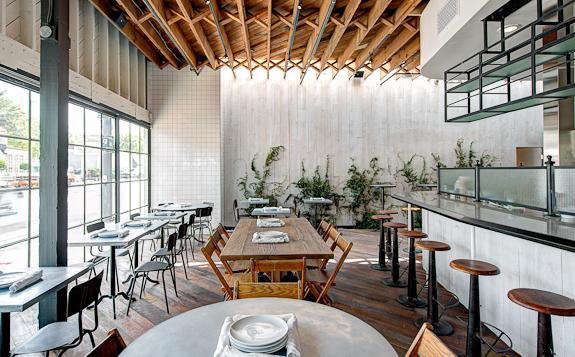
Laurel Hardware in Los Angeles is one of those rare places where a restaurant does more than serve dinner. It tells a story about a street, a neighborhood, and the strange magic that happens when an old building refuses to retire quietly. Located at 7984 Santa Monica Boulevard in West Hollywood, Laurel Hardware sits inside a former hardware store, keeping the original name and the spirit of the place while replacing bolts, hinges, and paint cans with cocktails, small plates, and one of the most talked-about patios in the area.
That transformation is exactly why Laurel Hardware has become such a useful example of urban renewal in Los Angeles. It is not a glass tower dropped from the sky. It is not a forgettable storefront with mood lighting and a menu that sounds like it was written by a very hungry thesaurus. Instead, it is adaptive reuse with personality: a neighborhood restaurant that preserves a piece of local memory while creating a new social hub for modern West Hollywood.
In a city famous for reinvention, Laurel Hardware shows that renewal does not always mean wiping the slate clean. Sometimes it means keeping the sign, opening the windows, adding reclaimed wood, lighting the garden, and letting the next chapter walk in wearing nice shoes.
What Is Laurel Hardware?
Laurel Hardware is a contemporary American neighborhood restaurant and bar in West Hollywood. Its identity is built around contrast: casual but stylish, historic but modern, polished but relaxed. The restaurant is known for dinner service, happy hour, weekend lunch, a lively bar scene, and a design that makes the building feel both intimate and surprisingly expansive.
The restaurant’s name comes directly from the hardware store that previously occupied the site for decades. That detail matters. In Los Angeles, where commercial turnover can sometimes feel like a magician’s trick performed with a bulldozer, keeping the original name is a small but meaningful act of memory. The old sign does not simply decorate the building. It anchors the restaurant to the street’s past.
Inside, Laurel Hardware uses a layered design language: an open kitchen, floor-to-ceiling windows, mismatched seating, reclaimed wood tables, warm lighting, and a tree-covered back patio. The result feels less like a restaurant trying to impress you and more like a restaurant that knows it already has the good table.
Why Laurel Hardware Matters in the Story of Urban Renewal
Urban renewal can be a loaded phrase. In the worst cases, it means displacement, sterile development, and neighborhoods losing the odd little details that made people love them in the first place. But at its best, urban renewal can mean careful reinvestment: restoring energy to underused buildings, improving walkability, supporting local business, and giving older commercial corridors a reason to stay alive after office hours.
Laurel Hardware lands closer to that better version. It demonstrates how a restaurant can reactivate an existing structure without erasing its original personality. The conversion of a former hardware store into a dining destination brought new foot traffic, nighttime activity, and cultural relevance to a stretch of Santa Monica Boulevard already rich with history, nightlife, and creative businesses.
Adaptive Reuse With a Sense of Humor
Adaptive reuse is the practice of taking an existing building and giving it a new purpose. In Los Angeles, this approach has become increasingly important as neighborhoods try to balance growth with character. Laurel Hardware is a friendly case study because the concept is immediately understandable. Yesterday: screwdrivers and sandpaper. Today: crispy shrimp, cocktails, and patio reservations. Same shell, very different Friday night.
The genius is that Laurel Hardware does not hide the building’s former life. The name remains. The vintage signage remains part of the experience. The restaurant’s design lets the structure breathe rather than smothering it under generic luxury. That gives diners a sense of place before the first drink arrives.
Santa Monica Boulevard: The Perfect Stage
Laurel Hardware’s location is not random. Santa Monica Boulevard is one of West Hollywood’s defining corridors. It is part of historic Route 66, a street associated with old Hollywood glamour, LGBTQ+ culture, nightlife, restaurants, neon, and a constant parade of people who look like they may or may not have a screenplay in their tote bag.
West Hollywood’s section of Santa Monica Boulevard has long been a social spine for the city. It connects entertainment, hospitality, design, and neighborhood life. The boulevard has been recognized for its ability to combine cultural influences, public life, and continuous street activity. That makes it fertile ground for a project like Laurel Hardware, where dining is only part of the appeal. The larger draw is the feeling of being plugged into the city.
The city’s broader planning goals have emphasized pedestrian orientation, streetscape improvements, bicycle infrastructure, public gathering spaces, landscaping, and economic vitality. Laurel Hardware fits naturally into that conversation because it turns a building into a destination and a destination into street life.
The Design: From Utility to Atmosphere
The original hardware store was built for usefulness. A good hardware store does not need to flirt. It needs to have the right screws, a person who knows which pipe fitting you need, and lighting bright enough to reveal that you bought the wrong thing anyway. Laurel Hardware kept the useful bones but changed the emotional temperature.
The front of the restaurant opens toward the sidewalk, making the building feel connected to the street. This matters in urban design. A restaurant with a blank wall can deaden a block, while a restaurant with visible activity, open windows, and movement near the sidewalk can make a street feel safer, busier, and more inviting.
The Patio as Urban Escape
The back patio is one of Laurel Hardware’s signature features. In Los Angeles dining, a good patio is not an amenity; it is practically a civic institution. Laurel Hardware’s tree-covered outdoor space creates a tucked-away feeling just steps from one of the city’s busiest corridors. It gives guests the sensation of finding a secret garden, except the secret is very well known and probably has a reservation list.
This kind of outdoor dining space is a quiet contributor to urban renewal. It extends the social life of the restaurant, makes the property more flexible, and supports a style of gathering that feels especially suited to Southern California. It also turns the rear of the building into an asset rather than dead space.
The Food and Drink: Contemporary American With LA Energy
Laurel Hardware’s menu sits comfortably in the contemporary American category, but the dishes reflect the global vocabulary of Los Angeles dining. Small plates such as crispy shrimp with shishito and chili aioli, glazed pork ribs with gochujang, spicy salmon tartare, chicken wings with basil and parmesan, and ahi tuna tartare show a kitchen that is not afraid of bold flavors.
The appeal is not built around one rigid cuisine. Instead, Laurel Hardware serves the kind of food Angelenos often crave when they go out with a group: shareable, colorful, flavorful, and flexible enough for both “I just want a drink and a bite” and “let’s accidentally order half the menu.”
The bar is equally important. Early reviews noted the strength of the drinks and the restaurant’s ability to work as a late-night dining spot. In West Hollywood, that matters. A restaurant on Santa Monica Boulevard is not just feeding people; it is participating in a nightlife ecosystem where dinner, drinks, birthdays, dates, industry chatter, and spontaneous second stops all blend together.
Laurel Hardware and the West Hollywood Dining Scene
West Hollywood has always understood the power of hospitality. The city is compact, stylish, and socially dense. Its restaurants often function as living rooms, meeting rooms, stages, and, occasionally, soft-launch locations for relationships that may or may not survive brunch.
Laurel Hardware succeeds because it feels specific to its neighborhood. It is not simply “a restaurant in West Hollywood.” It is a restaurant that reflects West Hollywood’s love of design, late evenings, outdoor spaces, social energy, and glamorous informality. You can arrive in a leather jacket, a linen shirt, or the emotional condition known as “I just sat in traffic on La Cienega,” and the room will still make sense.
A Restaurant That Creates Foot Traffic
For urban renewal, restaurants are powerful because they create rhythm. Retail may bring daytime visits. Offices bring weekday activity. But restaurants bring evening light, conversation, ride-share drop-offs, sidewalk movement, and the sense that a block is alive after dark.
Laurel Hardware contributes to that rhythm. Its opening helped turn a former single-purpose retail space into a social destination. That kind of conversion can have ripple effects. Nearby businesses benefit from increased visibility. Visitors who come for dinner may return for shopping, drinks, or events. Locals gain another place to gather without leaving the neighborhood.
Preserving Character Without Freezing Time
One of the central challenges of urban renewal in Los Angeles is deciding what to preserve. Not every old building is architecturally grand. Some are humble, odd, practical, or simply familiar. But familiarity has value. A storefront sign, a building shape, or a long-standing local name can become part of a neighborhood’s mental map.
Laurel Hardware proves that preservation does not have to mean turning everything into a museum. The building’s past remains visible, but the business is fully contemporary. It has not frozen the old hardware store in amber. It has translated it into a new use that keeps people coming through the door.
That balance is important. Cities need change, but they also need continuity. When renewal keeps a trace of what came before, the neighborhood feels layered rather than manufactured.
The Laurel Hospitality Effect
The success of Laurel Hardware also points to a broader trend in Los Angeles: hospitality groups creating neighborhood ecosystems rather than single isolated venues. The team behind Laurel Hardware has expanded its presence with related concepts, including newer projects connected to Santa Monica Boulevard. These moves suggest that the Laurel name has become more than a restaurant brand; it has become a design-and-hospitality language associated with elevated casual living in West Hollywood.
That expansion is part of a larger Los Angeles pattern. Dining is increasingly mixed with retail, markets, wellness, coffee, prepared foods, and lifestyle design. In some cases, the result can feel excessively polished, as if the city has been filtered through a $16 smoothie. But when done well, these projects can create walkable clusters where people can eat, shop, meet, and linger.
Urban Renewal Lessons From Laurel Hardware
1. Keep the Story Visible
The easiest way to ruin adaptive reuse is to erase the thing that made the building interesting. Laurel Hardware keeps the old identity visible through its name and signage. That gives the space instant narrative value.
2. Connect the Interior to the Street
Open windows, visible dining areas, and active entrances help make a street feel safer and more welcoming. Laurel Hardware’s relationship with the sidewalk is part of its charm.
3. Use Outdoor Space Creatively
The patio is not an afterthought. It is central to the restaurant’s identity. In a city with forgiving weather and a deep love of outdoor dining, that is smart urban design disguised as a good night out.
4. Let Food Support Place
The menu works because it matches the social function of the restaurant. Shareable plates, cocktails, and flexible dining make Laurel Hardware useful for dates, groups, celebrations, and casual drop-ins.
5. Renewal Should Feel Local
A successful project should not feel like it could be airlifted into any city. Laurel Hardware feels tied to West Hollywood because it reflects the boulevard’s history, energy, and sense of style.
Experiences Related to Urban Renewal: Laurel Hardware in Los Angeles
The experience of visiting Laurel Hardware begins before you sit down. You notice the sign first, and the sign does a funny little trick: it makes you wonder whether you are in the right place. That moment of confusion is part of the charm. In a city where many restaurants announce themselves with perfectly polished branding, Laurel Hardware greets you with a name that sounds like you might be able to buy a wrench. Then you step inside and realize the only thing being repaired is your mood.
Walking into the restaurant feels like entering a living example of Los Angeles reinvention. The building has not been scrubbed clean of its former identity. Instead, its past is allowed to wink at you. The old commercial bones give the space a grounded feeling, while the updated interiors add warmth, texture, and a little West Hollywood drama. It is the kind of place where reclaimed wood, soft lighting, and people-watching all appear to have signed a very successful partnership agreement.
One of the best experiences is moving from the sidewalk-facing front area into the deeper rooms and finally toward the patio. The restaurant unfolds gradually, which makes it feel larger and more layered than it first appears. That sequence matters. Urban renewal is not just about changing a building’s function; it is about changing how people move through and emotionally experience a place. Laurel Hardware turns a former retail shell into a journey: street, bar, dining room, garden.
The patio is where the project’s renewal story becomes most obvious. Sitting outside under trees in the middle of West Hollywood creates the small miracle that Los Angeles restaurants do so well: you are in the city, but you feel briefly hidden from it. Traffic, errands, deadlines, and parking-related emotional injuries all fade into the background. The patio gives the building a second life not only economically but socially. It becomes a place for birthdays, first dates, work dinners, long catch-ups, and those mysterious group outings where no one knows who made the reservation but everyone is grateful.
The food supports that experience because it encourages sharing. Small plates arrive, cocktails circulate, and the table becomes a mini-neighborhood of its own. This is where Laurel Hardware’s urban renewal story becomes human. Streets are renewed by buildings, yes, but also by conversations, laughter, repeat visits, and the simple decision to stay for one more round. A renovated space becomes meaningful when people build memories there.
Laurel Hardware also shows how renewal can respect imperfection. The best cities are not flawless. They are layered, surprising, and sometimes a little strange. A former hardware store becoming a fashionable restaurant is exactly the kind of strange that Los Angeles does best. It proves that character can be an economic asset, that old signage can be better than new branding, and that a neighborhood’s past can be reused without being embalmed.
For visitors, the experience offers a snapshot of West Hollywood’s personality: stylish but not stiff, historic but not sleepy, social but not generic. For locals, it provides a familiar anchor on a changing boulevard. For urbanists, designers, and restaurant lovers, Laurel Hardware is a reminder that successful renewal often happens at the scale of the storefront. It happens when one building becomes more porous, more active, more welcoming, and more loved.
Conclusion: A Small Building With a Big Urban Lesson
Laurel Hardware in Los Angeles is more than a good-looking West Hollywood restaurant. It is a case study in how adaptive reuse can preserve memory while creating new energy. By transforming a former hardware store into a contemporary restaurant and bar, Laurel Hardware gives Santa Monica Boulevard another active, social, and visually memorable destination.
The project works because it does not overcomplicate the idea of renewal. It keeps the name. It respects the shell. It opens to the street. It builds atmosphere through design, food, drinks, and outdoor space. Most importantly, it gives people a reason to gather. That is the real engine of urban life.
In a city constantly negotiating between nostalgia and reinvention, Laurel Hardware offers a practical lesson: the future of Los Angeles does not always need to demolish the past. Sometimes it just needs to pull up a chair on the patio, order something crispy, and let the old sign glow a little longer.
SEO Tags
Note: This article is written in original standard American English for web publication and is based on synthesized real-world information without inserting source links into the publishable body content.