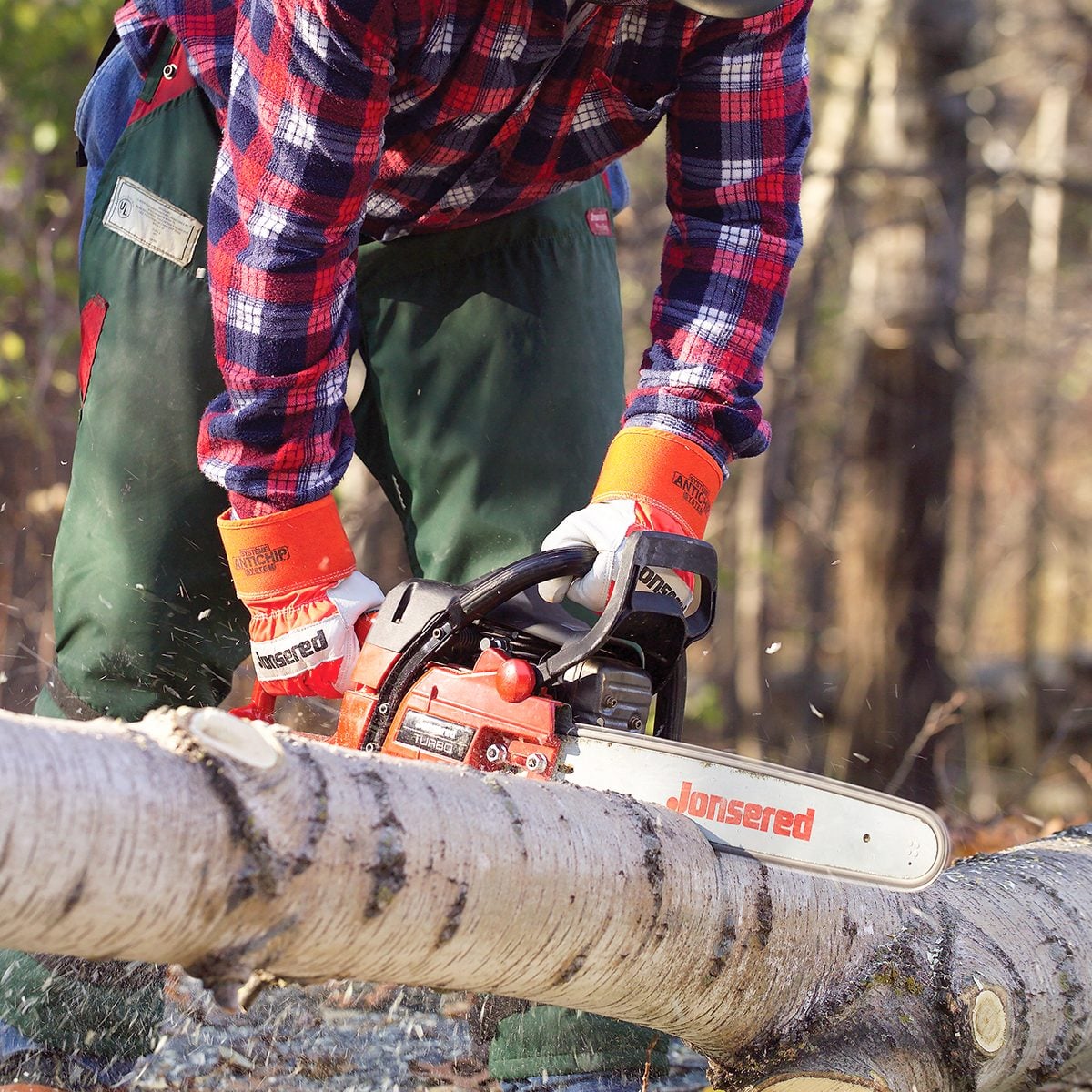
A chainsaw can turn a fallen limb into a tidy stack of firewood before lunch. It can also turn one careless decision into a very long afternoon at the emergency room. The difference is rarely brute strength. It is preparation, technique, maintenance, and knowing when a job has crossed the line from “weekend project” to “call a professional.”
Whether you use a gas, corded-electric, or battery-powered model, the basic rules remain the same: wear the right protection, inspect the saw, control the work area, respect kickback, and never let confidence run faster than skill. A chainsaw is wonderfully efficient, but it has absolutely no appreciation for improvisational comedy.
Start With Training, Not the Starter Cord
Before operating an unfamiliar chainsaw, read the complete manual for that model. Learn the locations and functions of the chain brake, throttle lockout, stop switch, chain catcher, tensioning system, oil reservoir, and any model-specific electronic controls. Do not assume that controls work exactly like those on a saw you used ten years ago.
Hands-on instruction is especially valuable because safe operation involves movements that are difficult to master from text alone. A qualified instructor can correct your grip, stance, starting method, bar position, and reaction to changing wood pressure before those habits become permanent. Current U.S. Forest Service evaluation guidance treats basic chainsaw work as a coached skill involving personal protective equipment, safety checks, kickback-zone avoidance, area control, maintenance, and supervised practice.
Stay within your demonstrated ability. Steep terrain, rotten trunks, severe leans, split-prone trees, hanging limbs, storm damage, and trees caught in other trees can behave unpredictably. There is no shame in stepping back. Trees do not award bravery points.
Wear Complete Chainsaw Safety Gear
Ordinary yardwork clothing is not sufficient protection. Before starting the saw, dress for the hazard rather than the weather forecast or your neighborhood fashion ranking.
Head, Eye, and Hearing Protection
Wear a properly fitted hard hat when branches, treetops, or debris could fall. Protect your eyes with safety glasses or goggles, even when using a mesh face shield. A full forestry helmet that combines a hard hat, hearing protection, and face protection is convenient, but each component still needs to fit and function correctly.
Gas chainsaws can produce sound levels capable of damaging hearing. Battery saws may seem quieter, yet hearing protection may still be appropriate, particularly during extended operation. Use earmuffs or properly inserted earplugs rated for the noise exposure described by the manufacturer.
Leg, Hand, and Foot Protection
Wear chainsaw chaps or protective pants designed with cut-resistant fibers. Regular denim may be excellent for holding a phone and collecting sawdust, but it is not chainsaw protection. Chaps must fit correctly, extend to the boot area, remain securely fastened, and be replaced after significant chain contact or damage.
Use close-fitting work gloves and sturdy boots that support the ankles and provide strong traction. Professional logging rules include cut-resistant leg and footwear requirements because legs and feet are common exposure areas during chainsaw work. Loose sleeves, dangling drawstrings, jewelry, and untied long hair should be secured before the saw is started.
Inspect the Chainsaw Before Every Use
A pre-use inspection takes only a few minutes and can reveal problems that become dangerous under load. Set the saw on a stable surface with the engine off, the battery removed, or the power cord disconnected, as applicable.
Check the following items:
- The chain brake engages and releases normally.
- The throttle lockout, trigger, and stop switch operate correctly.
- The handles, covers, fasteners, and guide bar are secure.
- The chain catcher and hand guards are present and undamaged.
- The chain is correctly installed, sharpened, lubricated, and tensioned.
- The bar groove and oiling holes are clean.
- The fuel system, battery housing, cord, and plug show no leakage or damage.
- The selected bar-and-chain combination is approved for the saw.
Never defeat a safety device or continue using a saw with a defective brake, cracked handle, unreliable switch, damaged cord, or loose component. Check the model and serial number against current Consumer Product Safety Commission recall notices as well. Chainsaws have been recalled for problems including brakes or switches that may not function as expected.
Keep the Chain Sharp and Properly Tensioned
A sharp chain cuts with less forcing, produces useful chips, and helps the operator maintain a stable position. A dull chain often creates fine dust, cuts crookedly, smokes despite proper lubrication, or requires excessive pressure. Pushing harder is not a sharpening technique; it is a warning sign wearing work gloves.
Sharpen with the file size, angles, depth-gauge settings, and procedure specified for your chain. Wear gloves, secure the saw, and inspect each cutter for cracks or excessive wear. Replace a chain that has reached its wear marks or has damaged components.
Chain tension is equally important. A loose chain may derail from the guide bar, while an overtightened chain can bind, overheat, and accelerate wear. The chain should generally sit snugly against the bar while still moving freely by hand, but the exact test and adjustment procedure must come from the operator manual. Check tension before work and periodically during use because chains can loosen as they warm and wear. Stop the saw and allow it to cool when the manufacturer requires a cold-chain adjustment.
Evaluate the Work Area Before Cutting
Walk around the entire jobsite before starting. Look up, down, and all around rather than staring heroically at the trunk. Identify dead branches, broken treetops, lodged limbs, vines, unstable trees, holes, rocks, ice, mud, and objects hidden in the wood. Nails, wire, fencing, and embedded metal can damage the chain and throw debris.
Locate utility lines before cutting. Do not approach a tree or branch that is touching or could fall onto an electrical line. Treat every line as energized and contact the utility company or emergency services. Storm-damaged trees deserve special caution because bent limbs and trunks may contain stored energy that is released suddenly when cut.
Clear your footing and movement routes. Keep children, pets, spectators, and unnecessary helpers outside the hazard area. When another person is needed for communication or emergency support, that person should remain well away from the saw and potential fall zone.
For tree felling, plan the intended direction and clear escape routes before the first cut. Professional guidance emphasizes identifying overhead hazards, controlling the cutting area, and preparing retreat paths rather than attempting to invent an exit after the tree begins moving.
Start the Chainsaw With Full Control
Engage the chain brake before starting. Place the saw on clear, firm ground or use another starting position specifically approved in the manufacturer’s manual. Keep the bar and chain away from people, debris, fuel containers, and anything else that would make a terrible first cut.
Do not drop-start a chainsaw by holding it in one hand and pulling the starter cord with the other. That method leaves the operator with poor control at the exact moment the engine comes to life. For electric saws, keep the trigger released while connecting the battery or power supply and confirm that the switch returns normally.
Gasoline should be handled outdoors and away from ignition sources. Shut the engine off and allow hot components to cool before refueling. Wipe up spilled fuel and move away from the fueling location before restarting. OSHA guidance specifies starting on firm support with the brake engaged and fueling gas-powered equipment away from ignition sources.
Control Kickback Before It Controls the Saw
Kickback can occur when the upper portion of the guide-bar nose contacts wood or another object, or when the chain is pinched near the tip. The resulting force can drive the bar rapidly upward and backward toward the operator.
Reduce the risk by keeping the guide-bar nose visible, avoiding contact with nearby limbs, and never beginning a cut with the kickback zone. Hold a conventional rear-handle chainsaw with both hands: left hand on the front handle and right hand on the rear handle, even for a left-handed operator. Wrap the thumbs around the handles rather than resting them on top.
Maintain a balanced stance with the saw slightly to one side of your body, not directly in line with your face. A functioning chain brake, reduced-kickback bar, and low-kickback chain can reduce risk, but no feature makes kickback impossible. Top-handle arborist saws and bore-cutting techniques require specialized training and are not shortcuts for inexperienced ground users.
Use Stable, Efficient Cutting Habits
Keep Both Feet Secure
Stand on stable ground with your weight balanced. Do not operate a chainsaw from a ladder, roof, unstable platform, or position above shoulder height. Avoid reaching beyond a comfortable working zone. When a cut is too high, too distant, or accessible only by climbing, use appropriately trained tree-care professionals.
Let the Chain Perform the Cut
Use the operating speed and cutting method recommended in the manual. Apply controlled pressure without forcing the bar. Excessive force increases fatigue, encourages poor posture, and may cause the operator to stumble when the cut finishes.
Understand Compression and Tension
A supported log can close on the guide bar from one side while opening from the other. Study where the wood is compressed and where it is stretched before cutting. Use approved supports and wedges when appropriate, but do not attempt complex tensioned wood, spring poles, rolling logs, or storm-bent branches without practical training.
Position Yourself Away From Moving Wood
Stand to the side rather than directly behind a cut where a log could jump or roll. On a slope, remain uphill from a log whenever possible. Keep an escape area open and avoid placing legs, feet, or hands below material that may drop as the cut is completed.
Engage the Brake Whenever You Reposition
Release the throttle and engage the chain brake before taking even a few careful steps, clearing debris, or changing position around a trunk. Shut the saw off before carrying it farther, crossing hazardous terrain, handing it to someone, or leaving it unattended.
For transport, allow the saw to cool, install the bar cover, and secure the machine so it cannot slide or leak. Remove the battery from cordless models when the manual instructs you to do so. A spinning chain and a person concentrating on foot placement make a poor travel partnership.
Manage Fatigue, Weather, and Distractions
Chainsaw control declines when the operator is tired, overheated, cold, hurried, angry, or distracted. Take regular breaks, drink water, and stop before your grip, footing, or concentration deteriorates. Do not operate a chainsaw after consuming alcohol or recreational drugs, or while taking medication that impairs balance, reaction time, or judgment.
Delay the job during high winds, lightning, poor visibility, extreme heat, or conditions that make footing unreliable. A deadline is not a safety device. OSHA specifically identifies fatigue as a factor that raises accident risk and advises operators to take breaks as needed.
Prepare for an Emergency Before One Happens
Keep a first-aid kit nearby with large sterile dressings, gauze, gloves, and other supplies appropriate for severe bleeding. Carry a charged phone or emergency communication device, and make sure another person knows your location and expected return time. In remote areas, record coordinates or clear access directions for responders.
If a chainsaw injury causes heavy bleeding, call emergency services and apply firm, direct pressure using clean material. Serious cuts require immediate medical attention even when bleeding appears controlled. Do not allow an injured person to drive themselves unless no safer option exists. CDC emergency guidance identifies direct pressure as an essential immediate response to heavy bleeding from chainsaw injuries.
Know When to Hire a Professional
Stop and contact a qualified arborist, tree service, utility provider, or emergency-response professional when the job involves:
- Electrical lines or nearby structures
- Large trees with uncertain fall paths
- Rotten, hollow, cracked, or storm-damaged trunks
- Heavy lean, multiple tops, or split-prone wood
- Branches requiring climbing or ladder work
- Trees hung in other trees
- Steep, unstable, or obstructed terrain
- Any task you cannot confidently evaluate and explain
The most valuable chainsaw skill may be recognizing a no-go situation. Professionals bring training, rigging equipment, insurance, additional workers, and experience reading forces that may not be obvious from the ground.
Experience Notes: Lessons That Become Obvious in the Field
The following observations reflect recurring lessons from chainsaw courses, woodland work, property cleanup, and experienced operators. They are not a substitute for supervised practice, but they explain why certain safety rules survive year after year.
A Sharp Chain Changes the Entire Job
Beginners often assume that slow cutting means the engine needs more power. In many cases, the actual problem is a dull or uneven chain. The operator begins leaning into the saw, the bar wanders, fatigue arrives early, and every cut becomes a wrestling match. After the chain is correctly sharpened, the saw feeds through the wood with controlled pressure and produces chips instead of powder.
The lesson is simple: when a saw suddenly feels lazy, inspect it rather than trying to overpower it. A chainsaw is a cutting tool, not a gym membership.
The Best Minute of the Job Is Often the Minute Before It
Experienced operators spend time walking around the workpiece, looking overhead, moving brush, and deciding where their feet will go. To an observer, this can look like procrastination. It is actually the stage where many accidents are prevented.
A branch hidden behind the trunk, a rock beside the operator’s heel, or a log resting under tension may completely change the cutting plan. The additional minute also provides time to notice fences, nails, utility wires, spectators, or a dog determined to investigate the loud new stick-making machine.
Chain-Brake Habits Become Automatic for a Reason
New operators sometimes treat the chain brake as something used only for starting or emergencies. With practice, they learn to engage it whenever they shift footing, step around an obstacle, or pause to inspect a cut. The movement becomes almost automatic: throttle released, brake engaged, then move.
This habit matters because many incidents occur between cuts rather than during a clean, planned cut. A stumble with an idling chain can be as dangerous as poor cutting technique.
Fatigue Arrives Before You Admit It
A saw may not feel particularly heavy during the first few cuts. After an hour of lifting, balancing, clearing brush, and maintaining concentration, the same saw can feel as though someone quietly replaced it with an engine block. Grip weakens, shoulders rise, feet move less carefully, and shortcuts begin to look reasonable.
Experienced users schedule breaks before exhaustion. They also stop when conditions change. Finishing one final log is not worthwhile when balance and attention have already left for the day.
Wood Rarely Moves Exactly as Expected
A branch can roll, a kerf can close, a log can settle, and a bent sapling can spring toward open space. Training teaches operators to predict compression, tension, gravity, and escape routes, but prediction is never perfect. Good positioning leaves room for the wood to move without trapping the operator.
This is why experienced users avoid standing downhill from logs, placing feet beneath suspended material, or cutting while boxed in by brush. They create options instead of depending on a single prediction.
Walking Away Is a Professional Decision
The strongest field lesson is that stopping is not failure. When a tree contains rot, hangs over a building, touches another tree, or behaves differently after the first cut, the correct response may be to shut down and reassess. Sometimes the project needs wedges, machinery, rigging, additional workers, or a certified arborist.
A chainsaw should make a manageable job more efficient. It should not persuade you to attempt a job that was never manageable in the first place.
Conclusion
Safe chainsaw use is built from small, repeatable decisions: complete protective equipment, a careful inspection, a sharp and properly tensioned chain, stable footing, two-handed control, deliberate brake use, and an honest assessment of personal limits. None of these habits is glamorous, but glamour has never been particularly useful when a chain is traveling around a guide bar.
Prepare the operator, prepare the saw, and prepare the work area before cutting. When the hazards exceed your training, stop and bring in a professional. The most effective chainsaw operator is not the person who attacks every tree; it is the person who finishes the appropriate job without injuring anyone or damaging the property.