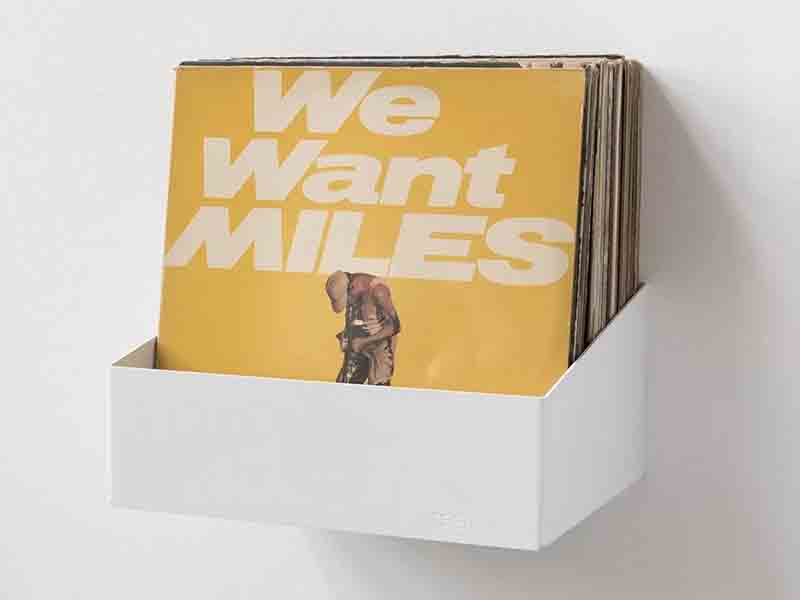
A vinyl storage wall shelf is what happens when practical organization shakes hands with interior design and says, “Let’s make the living room look cooler than it has any legal right to be.” For record collectors, a shelf is not just a place to park albums. It is a display stage, a listening-room upgrade, a space-saving trick, and occasionally, a gentle reminder that buying “just one more record” was never a realistic promise.
Vinyl records are beautiful objects. They are square, colorful, nostalgic, tactile, and strangely persuasive at flea markets. But they are also picky roommates. They do not like heat. They do not enjoy being stacked flat like pancakes. They prefer to stand upright, protected, and easy to browse. A good wall-mounted vinyl record shelf solves several problems at once: it gets records off the floor, keeps favorite albums within reach, turns cover art into wall decor, and frees up precious floor space for speakers, plants, chairs, or that one cable you keep pretending is “temporary.”
Whether you have 20 records or a collection that is beginning to qualify as a personality trait, the right vinyl storage wall shelf can make your setup feel intentional instead of accidental. Below is a complete guide to choosing, styling, installing, and living with a wall shelf for vinyl records without damaging your albums, your wall, or your dignity.
What Is a Vinyl Storage Wall Shelf?
A vinyl storage wall shelf is a shelf or ledge mounted directly to the wall and designed to hold, display, or organize vinyl records. Some shelves are made for a handful of “now playing” albums. Others are built deeper and stronger to store a small collection vertically. The best versions combine three things: secure support, easy access, and attractive display.
Unlike a standard bookshelf, a vinyl record shelf must respect the size and weight of LPs. Most full-size records are roughly 12 inches square, and a row of albums becomes surprisingly heavy. This is why a cute little decorative shelf that can hold a candle and a tiny succulent may not be ready for 40 LPs and your emotional attachment to a first pressing. A wall-mounted record shelf needs proper depth, a front lip or rail, sturdy brackets, and installation hardware suited to the wall type.
There are several common styles. A narrow album display ledge holds one or several front-facing records, turning cover art into a rotating gallery. A deeper floating vinyl shelf stores records upright like books. Modular wall-mounted cubes can hold more albums and create a built-in look. Acrylic display shelves almost disappear visually, making the album covers the star. Wood shelves add warmth and a mid-century mood, while metal shelves feel modern, industrial, and pleasantly serious.
Why Wall-Mounted Vinyl Storage Works So Well
The biggest advantage of a vinyl storage wall shelf is simple: it uses vertical space. In apartments, small bedrooms, studios, and compact living rooms, floor space is expensive real estate. A wall shelf lets you store records without adding another cabinet, crate, or furniture piece to the room.
It also changes how you interact with your collection. When records are hidden in boxes, they become harder to browse. When they are displayed at eye level, they become part of the room’s personality. A wall shelf invites you to flip, choose, rotate, and actually play the music instead of letting your collection become a very stylish museum exhibit.
Wall shelves are especially useful for “featured records.” These might be your current favorites, new arrivals, seasonal picks, rare covers, or albums that match the mood of the room. A jazz record with moody blue artwork can make a reading corner feel intentional. A bold punk cover can wake up a hallway. A classic soul album above a turntable can make a listening nook feel like it has its own theme music.
How to Choose the Best Vinyl Storage Wall Shelf
1. Check the Weight Capacity First
Before choosing a shelf based on color, finish, or how nicely it photographs next to a fern, check the weight capacity. Vinyl records are heavier than many people expect. A small stack may be manageable, but a long row of LPs can quickly put stress on brackets, anchors, and drywall.
If the shelf will hold only three or four display albums, a lightweight ledge may work. If it will store 25, 40, or 80 records, it should be mounted into wall studs whenever possible. Drywall anchors can be useful for lighter decor, but they are not the best choice for heavy record storage. A wall shelf that fails dramatically at 2 a.m. is not “vintage charm.” It is a percussion event.
2. Choose the Right Depth
A proper vinyl record storage shelf needs enough depth to support the album sleeve. For display ledges, a shallow shelf with a front groove or lip is usually enough. For storage, the shelf should be deep enough to hold records securely without letting them lean forward. A shelf around 12 inches deep is typically more suitable for full LP storage, while narrower ledges are better for displaying covers rather than storing a large row.
3. Look for a Front Lip or Rail
A front lip is a small but heroic feature. It prevents albums from sliding off the shelf, especially when covers are displayed facing outward. This is particularly important in homes with pets, kids, roommates, enthusiastic dancers, or anyone who gestures dramatically near furniture.
For front-facing album display, a ledge with a groove or rail keeps covers stable and makes it easy to swap records. For deeper storage shelves, a low guard rail can help prevent slipping while still allowing you to browse comfortably.
4. Match the Material to Your Room
Wood is the most classic choice for a vinyl storage wall shelf. It works beautifully with turntables, speaker cabinets, leather chairs, warm lighting, and vintage decor. Oak, walnut, pine, and bamboo all bring different tones. Walnut feels rich and mid-century. Oak feels clean and timeless. Pine is casual and budget-friendly.
Metal shelves are excellent for modern spaces. Powder-coated steel can look sleek and handle weight well when properly designed. Acrylic shelves are popular for displaying album covers because they keep the focus on the artwork. They work especially well in minimalist rooms, music studios, and small spaces where visual lightness matters.
For a cozy setup, wood usually wins. For a gallery-style wall, acrylic is hard to beat. For a serious listening room with a “yes, I alphabetize by genre and mood” atmosphere, metal may be your soulmate.
Safe Vinyl Record Storage Rules
A beautiful wall shelf should protect your records, not slowly ruin them while looking fabulous. Vinyl storage has a few basic rules that collectors, preservation experts, and audio enthusiasts tend to agree on.
Store Records Vertically
Records should be stored upright, similar to books. Avoid stacking them flat for long periods because the pressure can contribute to warping and sleeve damage. On a wall shelf, use dividers or bookends if the row is not full. Records should stand comfortably, not lean like they just heard shocking gossip.
Avoid Heat and Direct Sunlight
Heat is one of vinyl’s enemies. Do not mount a vinyl storage wall shelf above a radiator, heating vent, fireplace, or sunny window. Direct sunlight can also fade album artwork and warm the records. A shaded interior wall is usually a smarter location than a bright wall that gets afternoon sun.
Use Inner and Outer Sleeves
Protective sleeves help reduce dust, scuffs, and wear. Inner sleeves protect the record itself, while outer sleeves protect the album jacket. If your wall shelf displays favorite covers, outer sleeves are especially useful because they keep the artwork cleaner and make frequent handling less stressful.
Do Not Overpack the Shelf
Records should slide in and out without force. If removing one album feels like pulling a sword from a stone, the shelf is too full. Overpacking can damage sleeves, bend corners, and make browsing annoying. Leave a little breathing room for easy access and future purchases, because future purchases are coming. We both know this.
Best Places to Install a Vinyl Storage Wall Shelf
Above the Turntable
The most natural place for a vinyl record wall shelf is above or near the turntable. This creates a dedicated listening zone and keeps current favorites within arm’s reach. Just make sure the shelf is mounted high enough that it does not interfere with the dust cover, tonearm, speakers, or your ability to dramatically lower the needle like a movie character making an important life decision.
In a Living Room
A living room wall shelf turns records into art. Try using two or three ledges to create a layered display. Rotate covers monthly to keep the room fresh. For example, warm soul, folk, and jazz covers can create a relaxed winter feel, while bright pop, disco, or tropical album art can bring summer energy.
In a Bedroom
A small vinyl storage wall shelf works well in bedrooms, especially above a dresser or beside a reading chair. Keep the display simple. Three to six albums are usually enough to create personality without making the wall look like a record store had a tiny, stylish explosion.
In a Hallway or Entry Area
A hallway shelf can display album covers as art, even if the main collection lives elsewhere. This is a smart idea for narrow spaces where deeper furniture would block traffic. Use slim ledges and choose covers with strong graphic impact.
Vinyl Storage Wall Shelf Ideas by Style
Minimalist Display Shelf
For a clean look, choose a slim acrylic or white metal shelf and display only a few albums at a time. This style works well in modern apartments and small rooms. The trick is restraint. Let the album art breathe. Minimalism does not mean owning fewer records; it means hiding the evidence more elegantly.
Mid-Century Wood Shelf
A walnut or teak-tone shelf pairs beautifully with classic turntables and vintage speakers. Add warm lighting, a low lounge chair, and a small plant nearby. The result feels cozy, intentional, and slightly like you might own an excellent coffee grinder.
Gallery Wall With Album Ledges
Instead of framed prints, use album covers as rotating artwork. Install two or three parallel ledges and display covers front-facing. This gives you the flexibility of a gallery wall without committing to nail holes for every new visual mood. It is also much easier to change when you suddenly decide your wall needs more funk, less folk, or exactly one dramatic David Bowie cover.
Hybrid Shelf and Storage Setup
If you have a larger collection, use a combination system. Keep the bulk of the records in a sturdy cabinet or cube storage unit, then use a wall shelf for new arrivals, favorites, and “now playing” selections. This keeps the wall visually clean while still making the collection feel alive.
Installation Tips for a Stronger, Cleaner Setup
Start by deciding what the shelf needs to hold. A display shelf for five albums has very different requirements from a storage shelf for 50. Measure your records, measure the wall, and check the manufacturer’s load rating. Use a stud finder to locate studs, then mark the mounting points with a level. A crooked shelf may be charming in an old cabin, but on a vinyl wall display it mostly says, “I eyeballed this and lost.”
When possible, mount heavy shelves directly into studs with appropriate screws. If studs are not available exactly where you want them, choose hardware rated for the combined weight of the shelf and records. For renters, lightweight display ledges may be more realistic than heavy storage shelves. Always follow the shelf manufacturer’s installation instructions, and when in doubt, choose stronger hardware than you think you need.
Leave enough clearance around the shelf for browsing. Do not mount it so high that choosing a record becomes an upper-body workout. For most people, chest to eye level is comfortable for display, while lower placement can be better for heavier storage. Also consider speaker vibration. A shelf should be secure enough that normal music playback does not make album covers creep forward like they are trying to escape.
Common Mistakes to Avoid
Using a Decorative Shelf as Heavy Storage
Not every pretty shelf is ready for vinyl. Many decorative floating shelves are designed for small objects, not dense rows of records. Always check weight limits and hardware quality before loading the shelf.
Mounting Records in Direct Sunlight
Album covers look great in natural light, but direct sun can fade artwork and add heat. Choose a shaded wall or use curtains if the room gets strong sun.
Leaning Records Too Much
Records should stand upright. A slight lean may seem harmless, but long-term pressure can affect sleeves and records. Use dividers if needed.
Forgetting Room for Growth
Buy or build for the collection you are likely to have, not only the collection you have today. Vinyl collections have a mysterious way of expanding after birthdays, road trips, online sales, and “quick visits” to record shops.
How to Style a Vinyl Storage Wall Shelf
Styling a vinyl shelf is part storage, part storytelling. Start with your favorite album covers. Choose a mix of colors, typography, portraits, and abstract art. Odd numbers often look natural, so try groups of three or five covers on a ledge. If the shelf is above a turntable, display the record currently playing in the center. It creates a simple ritual and lets guests know what they are hearing without asking, “Is this jazz or did the speakers break?”
You can also organize by mood. A Sunday morning shelf might feature acoustic, soul, and mellow jazz records. A party shelf might show disco, funk, hip-hop, or bright pop covers. A seasonal shelf can shift from warm earth tones in fall to colorful covers in summer. This small rotation keeps the room feeling fresh without buying new decor.
Avoid overcrowding the display with too many unrelated objects. A small lamp, framed ticket stub, or compact speaker can work. Six candles, three plants, a ceramic bird, and 19 records may be a bit much unless your goal is “boutique shop during an earthquake.” Let the records remain the focus.
Who Should Buy a Vinyl Storage Wall Shelf?
A vinyl storage wall shelf is ideal for apartment dwellers, casual collectors, design lovers, and anyone who wants to turn album art into decor. It is especially useful if your collection is small to medium-sized or if you want a display area for favorite records while storing the main library elsewhere.
It may not be the best primary solution for very large collections unless you are installing a heavy-duty wall system. Hundreds of records are usually better stored in sturdy floor units, cabinets, or cube systems designed for serious weight. However, even large collectors can benefit from a wall shelf as a “featured rotation” zone.
Experience Notes: Living With a Vinyl Storage Wall Shelf
After living with a vinyl storage wall shelf, the first thing you notice is not the storage. It is the behavior change. Records stop feeling like hidden inventory and start feeling like part of daily life. When favorite albums are visible, you play them more. You notice covers you forgot you loved. You make quicker choices. You also become slightly more dramatic about changing the “featured album,” but honestly, there are worse hobbies.
One of the most useful setups is a small wall shelf above the turntable for five to ten records. This becomes the active listening zone. New purchases go there first. So do records you want to clean, replay, compare, or show a friend. Instead of digging through the entire collection every time, you have a short list waiting. It feels a little like a restaurant specials board, except the special is a 1970s soul record and the chef is your mood.
The second benefit is visual. A wall shelf can fix an empty wall faster than framed art because album covers already have color, composition, and personality. In a plain room, three album covers can do the work of a carefully chosen print. In a room that already has art, vinyl adds texture and story. Guests notice it. They ask about it. Sometimes they judge your taste, but that is part of the social contract of owning records.
There are practical lessons, too. First, do not overload the shelf just because it still has space. A shelf that looks sleek with 12 records may look stressed and messy with 30. Second, keep a microfiber cloth or record brush nearby. Displayed records attract more handling, and more handling means more dust. Third, rotate the covers often enough that sunlight exposure, even indirect, does not always hit the same album. It also keeps the room from getting visually stale.
Installation matters more than style. A beautiful shelf mounted poorly is just suspense with screws. The most confidence-inspiring shelves are secured into studs, leveled properly, and checked after the first week of use. It is smart to load records gradually instead of filling the shelf completely on day one. If anything shifts, creaks, or tilts, fix it immediately. Your records deserve better than a slow-motion wall dive.
Another underrated experience is how a vinyl wall shelf helps with collection discipline. When the display area is limited, you naturally curate. You decide what deserves the spotlight. This turns storage into a small creative habit. Maybe this month is Blue Note jazz. Maybe next month is 1980s pop. Maybe it is just albums with red covers because the room needed a little energy. The shelf becomes a living part of the home, not just a storage accessory.
Overall, the best vinyl storage wall shelf is not necessarily the biggest or most expensive one. It is the one that fits your space, supports the weight safely, protects the records, and makes you want to play music more often. A good shelf quietly improves the room. A great shelf makes you smile every time you walk past it and think, “Yes, that album cover absolutely deserves to be on display.” That is the sweet spot: organization with rhythm, decor with memory, and storage that knows how to groove.
Conclusion
A vinyl storage wall shelf is one of the smartest upgrades for any record lover who wants better organization, safer storage, and a more personal home. It saves floor space, turns album covers into art, and keeps favorite records easy to reach. The key is choosing a shelf that matches the weight of your collection, supports records vertically, avoids heat and sunlight, and fits naturally into your room’s style.
From slim acrylic ledges to warm wood shelves and sturdy wall-mounted storage units, there is a solution for nearly every space. Treat your records well, install the shelf properly, and rotate your display when the mood changes. Your wall will look better, your records will be easier to enjoy, and your listening corner may suddenly become the most charming spot in the house.