Vitamin B12 shots have become the tiny red-carpet treatment of the wellness world. One moment they are used in a doctor’s office to treat a real deficiency; the next, they are being advertised as an “energy booster,” “metabolism helper,” or “Monday morning personality replacement.” But what do vitamin B12 injections actually do? Who truly needs them? And can they cause side effects?
The short answer is this: vitamin B12 shots can be extremely helpful for people who are deficient or cannot absorb B12 properly. They may improve anemia, fatigue, nerve symptoms, and other deficiency-related problems. However, they are not magic fuel, and for people with normal B12 levels, they usually do not create superhero energy, instant weight loss, or a sparkling new personality. If only health worked that neatly.
This guide explains the uses, benefits, side effects, safety concerns, and real-life experiences related to vitamin B12 shots in clear American English, with just enough humor to keep the science from wearing a lab coat to dinner.
What Is Vitamin B12?
Vitamin B12, also called cobalamin, is a water-soluble vitamin that helps the body make healthy red blood cells, support nerve function, produce DNA, and convert food into usable energy. It is found naturally in animal-based foods such as meat, fish, poultry, eggs, milk, and other dairy products. Some breakfast cereals, plant milks, and nutritional yeasts are fortified with B12, which is helpful for people who eat little or no animal products.
Because the body cannot make vitamin B12 on its own, it must come from food, fortified foods, supplements, or prescription treatment. The absorption process is also a bit fussy. B12 needs stomach acid and a protein called intrinsic factor to help it travel through the digestive system and get absorbed in the small intestine. When that process breaks down, a person can eat B12-rich foods and still become deficient. The body is dramatic like that.
What Are Vitamin B12 Shots?
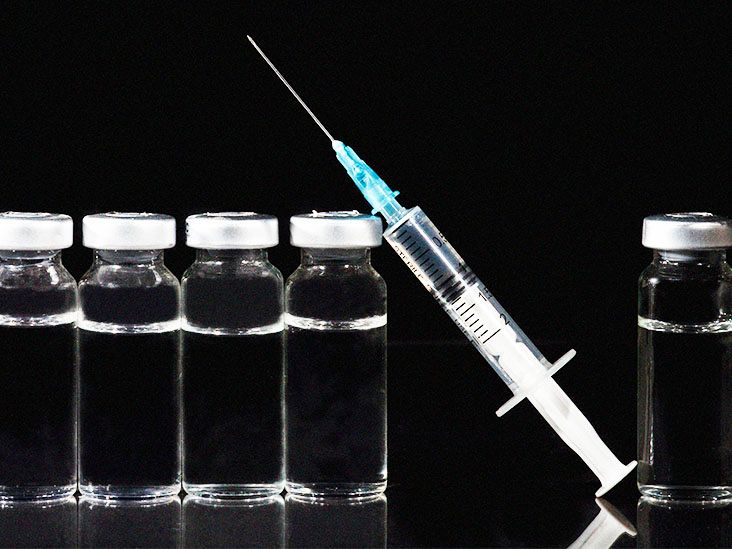
Vitamin B12 shots are injections that deliver B12 directly into the muscle or under the skin, depending on the product and medical instructions. In the United States, injectable B12 is commonly available as cyanocobalamin, a synthetic form of vitamin B12. Some clinics may use other forms, such as hydroxocobalamin or methylcobalamin, though availability and medical use can vary.
The main purpose of a B12 injection is to bypass the digestive system. That is important for people who cannot absorb enough B12 through food or oral supplements. Instead of asking the stomach and intestines to cooperate, the shot politely skips the line and sends B12 into the body more directly.
Common Uses of Vitamin B12 Shots
1. Treating Vitamin B12 Deficiency
The most evidence-based use of vitamin B12 shots is treating confirmed B12 deficiency. A deficiency may develop slowly and can cause symptoms that are easy to blame on stress, aging, poor sleep, or “just being an adult.” Common symptoms include fatigue, weakness, pale skin, shortness of breath, dizziness, numbness or tingling in the hands and feet, memory problems, mood changes, and balance issues.
In some cases, B12 deficiency causes megaloblastic anemia, a condition in which red blood cells become unusually large and do not function properly. Because red blood cells carry oxygen, low B12 can make a person feel as if their internal battery is stuck at 12 percent.
2. Pernicious Anemia
Pernicious anemia is an autoimmune condition in which the body has trouble producing or using intrinsic factor. Without enough intrinsic factor, the intestines cannot properly absorb vitamin B12. People with pernicious anemia often need long-term or lifelong B12 replacement, commonly through injections or carefully monitored high-dose oral therapy.
This is one of the classic reasons doctors prescribe B12 shots. It is not a trendy wellness add-on; it is a legitimate medical treatment for a condition that can become serious if ignored.
3. Malabsorption Problems
Some people cannot absorb enough vitamin B12 because of digestive conditions or surgeries. Examples include Crohn’s disease, celiac disease, inflammatory bowel disease, certain stomach or intestinal surgeries, and weight-loss surgeries such as gastric bypass. Since B12 absorption depends heavily on the stomach and small intestine, changes in these areas can reduce the amount the body can use.
For these people, vitamin B12 shots may be recommended because oral intake alone may not be reliable. In other words, the vitamin may be arriving at the party, but the body is not letting it through the front door.
4. Medication-Related B12 Deficiency
Long-term use of certain medications may lower vitamin B12 levels in some people. Metformin, commonly used for type 2 diabetes, has been associated with reduced B12 absorption. Long-term use of acid-reducing medications, such as proton pump inhibitors and H2 blockers, may also affect B12 because stomach acid helps release B12 from food.
This does not mean everyone taking these medications needs injections. It does mean that people on long-term therapy may benefit from discussing B12 testing with a healthcare provider, especially if symptoms appear.
5. Strict Vegan or Vegetarian Diets
People who follow vegan diets are at higher risk of low B12 because natural food sources are mostly animal-based. Vegetarians may also be at risk if they consume little dairy or eggs. Many people in these groups do well with fortified foods or oral B12 supplements. Shots may be considered when deficiency is confirmed, symptoms are significant, or absorption is uncertain.
A vegan diet can be healthy, but B12 is one nutrient that requires a plan. It is not the vitamin you want to “vibe check” once every decade.
Benefits of Vitamin B12 Shots
Restoring Healthy B12 Levels
The clearest benefit of vitamin B12 shots is correcting low B12 levels. In people with deficiency, injections can help rebuild stores and support normal red blood cell production. This may improve fatigue, weakness, pale skin, and shortness of breath caused by B12-related anemia.
Supporting Nerve Health
Vitamin B12 is essential for nerve function. Deficiency can cause tingling, numbness, burning sensations, balance problems, and trouble walking. Treatment may improve nerve symptoms, especially when deficiency is caught early. However, nerve damage from long-term untreated deficiency may not always fully reverse, which is why early diagnosis matters.
Improving Deficiency-Related Fatigue
Vitamin B12 shots can help improve fatigue when low B12 is the cause. That last part is important. If fatigue comes from poor sleep, thyroid disease, depression, iron deficiency, chronic infection, stress, or trying to answer emails before coffee, B12 may not fix it. It is a vitamin, not a life coach.
Helping With Certain Mood and Cognitive Symptoms
Low B12 can contribute to mood changes, irritability, brain fog, memory problems, and even more serious neurological or psychological symptoms in severe cases. When these symptoms are linked to deficiency, B12 treatment may help. Still, mood and memory concerns can have many causes, so proper evaluation is important.
Useful When Oral Supplements Are Not Enough
Some people can correct low B12 with high-dose oral supplements. Others need injections because their bodies cannot absorb enough through the digestive tract. B12 shots are especially useful for severe deficiency, significant neurological symptoms, pernicious anemia, and certain malabsorption conditions.
Do Vitamin B12 Shots Help With Weight Loss?
Vitamin B12 is often marketed as a metabolism booster, but there is no strong evidence that B12 shots cause meaningful weight loss in people who already have normal B12 levels. If someone is deficient and feels exhausted, correcting the deficiency may help them feel well enough to be more active. That is different from saying the injection melts fat. Sadly, fat does not receive eviction notices from vitamins.
Some weight-loss clinics include B12 injections as part of broader programs. In that setting, any weight loss is more likely related to diet, calorie changes, exercise, medications, or lifestyle coaching than B12 alone. If a clinic promises dramatic fat loss from B12 shots by themselves, it is wise to bring both curiosity and skepticism.
Who May Need Vitamin B12 Shots?
A healthcare provider may consider B12 injections for people with confirmed deficiency, pernicious anemia, severe symptoms, neurological signs, previous bariatric surgery, digestive disorders that impair absorption, or long-term medication use associated with low B12. Older adults may also be at higher risk because stomach acid tends to decline with age, making B12 harder to absorb from food.
Testing often includes a blood level of vitamin B12, a complete blood count, and sometimes additional markers such as methylmalonic acid or homocysteine. These extra tests can help clarify borderline results. Diagnosis should not be based on vibes, TikTok comments, or the fact that everyone is tired in February.
How Often Are Vitamin B12 Shots Given?
The schedule depends on the reason for treatment, the severity of deficiency, symptoms, and the clinician’s plan. Some people receive injections frequently at first, such as several times over the first few weeks, then move to monthly maintenance. People with pernicious anemia or long-term absorption problems may need ongoing treatment.
Others may only need a short course while the underlying cause is addressed. The right schedule should be individualized. More injections are not automatically better, and skipping needed treatment is not a badge of toughness. The goal is steady correction, not vitamin chaos.
Side Effects of Vitamin B12 Shots
Most people tolerate vitamin B12 injections well, but side effects can happen. Common mild effects may include pain, redness, swelling, or itching at the injection site. Some people report headache, dizziness, nausea, mild diarrhea, or a warm flushed feeling.
Rare but serious reactions may include allergic reactions, hives, swelling, trouble breathing, chest pain, fast heartbeat, severe dizziness, or swelling in the legs. People with sensitivity to cobalt or vitamin B12 should not receive B12 injections unless specifically guided by a qualified clinician. People with Leber hereditary optic neuropathy, a rare inherited eye condition, should also discuss risks carefully with a healthcare provider.
In people with severe megaloblastic anemia, rapid treatment can rarely contribute to low potassium levels as the body begins producing red blood cells more actively. This is one reason medical supervision matters, especially for severe deficiency.
Vitamin B12 Shots vs. Pills: Which Is Better?
Neither option wins in every situation. Oral B12 supplements can work very well for many people, even at high doses, because a small amount can be absorbed passively without intrinsic factor. Pills, dissolvable tablets, sprays, and fortified foods may be enough for mild deficiency or dietary insufficiency.
Shots may be better when deficiency is severe, symptoms involve the nervous system, absorption is poor, or quick replacement is needed. They are also useful when adherence to daily pills is a problem. The best choice depends on the cause of deficiency, lab results, symptoms, and personal medical history.
Can You Get Too Much Vitamin B12?
Vitamin B12 is water-soluble, meaning excess amounts are generally removed through urine. There is no established upper limit for B12 intake in healthy people because toxicity is uncommon. That said, “generally safe” does not mean “take random injections forever because the wellness menu had nice fonts.”
Unnecessary injections can waste money, cause avoidable side effects, and delay the search for the real cause of symptoms. Fatigue, numbness, mood changes, or memory problems deserve proper medical evaluation, not a guessing game with syringes.
When to Talk With a Healthcare Provider
Talk with a healthcare provider if you have persistent fatigue, weakness, numbness, tingling, balance problems, memory changes, unexplained anemia, digestive disease, a history of bariatric surgery, or a strict vegan diet without reliable B12 supplementation. You should also seek medical advice before starting injections if you are pregnant, breastfeeding, taking long-term medications, or have a history of allergies.
Seek urgent care if you develop trouble breathing, chest pain, swelling of the face or throat, severe dizziness, or signs of a serious allergic reaction after an injection.
Practical Tips Before Getting a B12 Shot
Before getting a vitamin B12 shot, ask why it is being recommended. Is there a confirmed deficiency? Are symptoms present? Is absorption a concern? What dose and schedule will be used? Will follow-up blood work be done? These questions help separate real treatment from expensive wellness confetti.
Also tell your clinician about medications, supplements, allergies, medical conditions, and previous reactions to injections. If you are receiving shots outside a traditional medical office, make sure the provider is licensed, the product is legitimate, and sterile technique is used. A bargain injection from a questionable source is not self-care; it is a plot twist.
Conclusion
Vitamin B12 shots are a valuable medical tool when used for the right reasons. They can treat B12 deficiency, help people with pernicious anemia, support those with absorption problems, and improve symptoms caused by low B12. For people who are truly deficient, the benefits can be life-changing: better energy, improved anemia, healthier nerve function, and reduced risk of long-term complications.
But B12 injections are not a universal upgrade button. If your B12 levels are normal, shots are unlikely to deliver dramatic energy, weight loss, or sharper focus. The smartest approach is simple: test, diagnose, treat the cause, and follow a clinician-guided plan. Vitamin B12 may be tiny, but when it is missing, the body notices. When it is used wisely, it can do exactly what good medicine should do: solve the right problem without pretending to solve every problem.
Real-Life Experiences With Vitamin B12 Shots
Experiences with vitamin B12 shots vary widely because people start from very different places. Someone with a true deficiency may describe the change as dramatic, while someone with normal B12 levels may feel little more than a sore arm and mild disappointment. That difference matters. B12 shots are not judged fairly when they are expected to fix problems they were never designed to fix.
For example, imagine a 62-year-old adult who has felt tired for months, noticed tingling in the feet, and started having trouble remembering small details. Blood work shows low vitamin B12 and anemia. After a clinician begins B12 injections, the anemia gradually improves, energy returns, and the tingling becomes less intense. The person may say, “I feel like myself again.” In that case, the shot did not create artificial energy; it corrected a deficiency that was quietly draining the system.
Now compare that with a healthy 29-year-old who gets a B12 shot at a wellness spa because work has been stressful and sleep has been terrible. If their B12 level was already normal, the injection may not do much. They might feel a short placebo boost or simply feel motivated because they finally did something health-related. That feeling is real, but it does not prove B12 was the missing puzzle piece. Sometimes the missing puzzle piece is sleep, hydration, protein, exercise, boundaries, or turning off notifications after 9 p.m.
People with pernicious anemia often have a different experience. Because their bodies struggle to absorb B12 through the digestive tract, injections may become part of long-term maintenance. At first, frequent shots may feel inconvenient, but many people adjust once they understand the reason. Monthly appointments or self-injection routines can become as ordinary as taking a daily medication. The key emotional shift often comes from knowing the treatment is not optional wellness decoration; it is replacing something the body cannot reliably absorb.
People recovering after gastric bypass or other digestive surgeries may also describe B12 shots as part of a larger nutrition plan. In these cases, injections are not used alone. They may be combined with iron, vitamin D, calcium, folate, protein goals, and regular lab monitoring. The experience is less “quick energy hack” and more “maintenance schedule for a redesigned digestive system.” Not glamorous, but very practical.
Side effects in real life are usually mild, with injection-site soreness being the most common complaint. Some people feel a little flushed or lightheaded, especially if they dislike needles. A few report headaches or mild stomach upset. Rare allergic reactions are possible, so first-time users should pay attention to symptoms such as rash, swelling, wheezing, or trouble breathing. The safest experience is one guided by testing, medical history, and follow-upnot guesswork.
The biggest lesson from real-world B12 shot experiences is that context decides the outcome. When B12 deficiency is the problem, injections can feel like someone finally turned the lights back on. When B12 is not the problem, the shot may be little more than an expensive poke. The best results happen when people treat B12 shots as medical therapy, not a wellness lottery ticket.