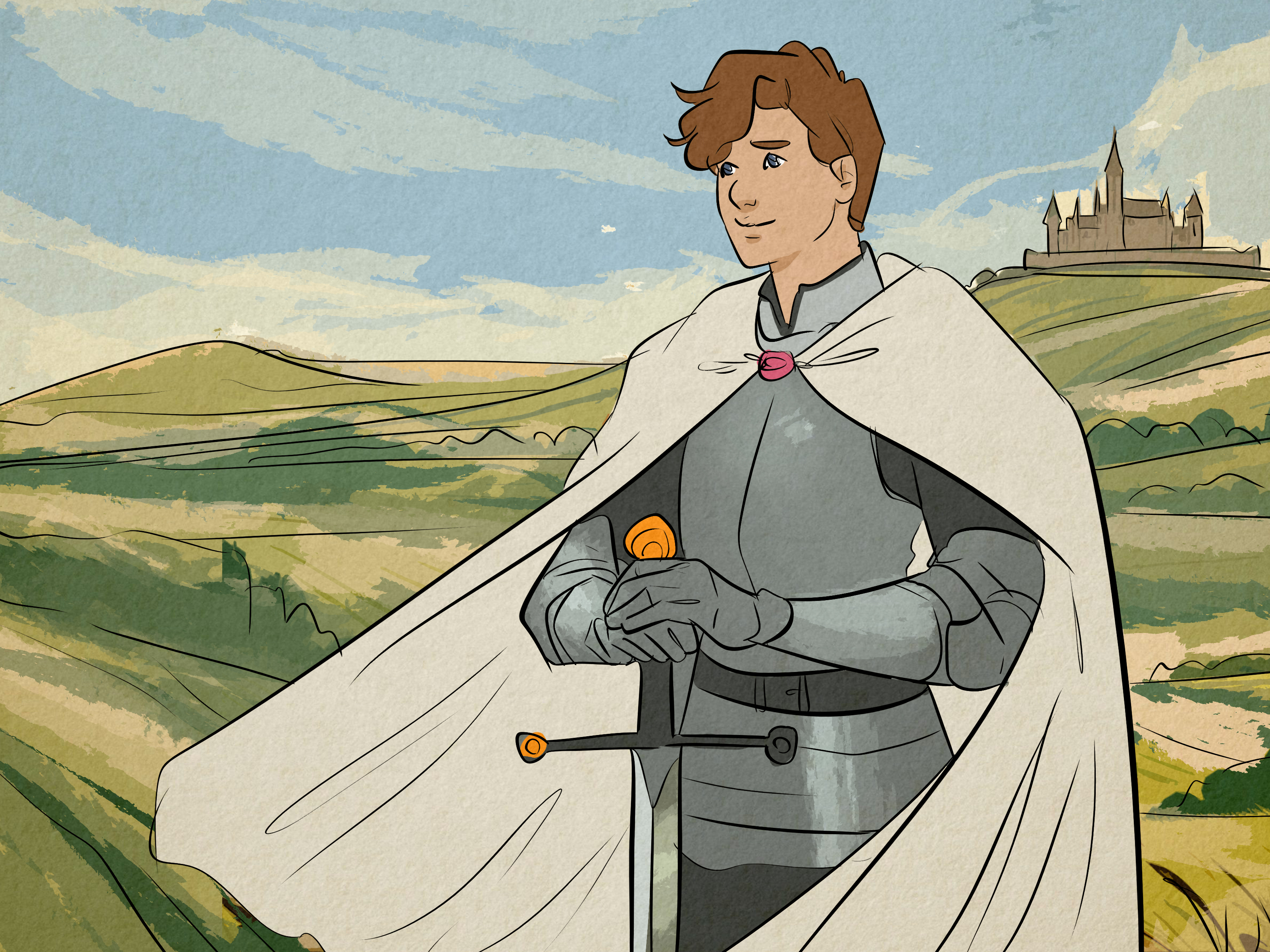
Imagine the universe has a slightly overworked casting director. Your current life wraps, the credits roll, and a cosmic assistant asks, “All right, what kind of character should we send you back as?” Would you return as a fearless hero, a brilliant strategist, a compassionate healer, a rebellious change-maker, an explorer, or the lovable wildcard who saves the day while looking for snacks?
The question “What character would I be reborn as?” is playful, but it can reveal something useful. The characters we admire often reflect our values, familiar personality traits, hidden wishes, and the qualities we hope to develop. Psychologists commonly describe personality through broad dimensions such as openness, conscientiousness, extraversion, agreeableness, and emotional stability. Fiction gives those abstract traits faces, quests, costumes, and much better background music.
This guide cannot negotiate your next reincarnation contract. It can help you explore your personality through recognizable character archetypes. Answer honestly, keep score, and discover the role that best matches the person you areor the person your inner protagonist is becoming.
Why We Want to Know Our Reborn Character
People use stories to understand themselves. We turn memories into personal narratives, describe setbacks as chapters, and search for meaning in plot twists we definitely did not order. Research on narrative identity suggests that the stories people tell about their lives become part of how they understand who they are and where they are going.
Fictional characters make that process vivid. A hero represents courage. A mentor represents wisdom. A rebel represents independence. A healer represents care and restoration. Asking which character you would become in another life is another way of asking what you value under pressure, how you treat people, and which strengths you want to grow.
Character identification can also encourage perspective-taking. Readers and viewers temporarily imagine another person’s goals, fears, and choices, while games can place people inside moral decisions rather than leaving them as spectators.
Before Taking the Quiz
Answer as you usually behavenot as you would behave after three motivational speeches and a heroic training montage. Most people contain several archetypes, and personality exists on a continuum rather than in airtight boxes. Context, stress, experience, and growth can all change how a trait appears.
What Character Would I Be Reborn As? The Quiz
Choose one answer for each question and record its letter. At the end, count which letter appears most often.
1. A serious problem appears. What do you do first?
- Protect whoever may be hurt.
- Gather information and build a plan.
- Check how everyone is feeling.
- Question the rules behind the problem.
- Search for an unexpected route.
- Improvise, joke, and create momentum.
2. Which compliment means the most?
- “You are brave when it matters.”
- “You see what others miss.”
- “People feel safe around you.”
- “You never become fake.”
- “You make life feel bigger.”
- “You make hard moments bearable.”
3. Your ideal adventure includes:
- A meaningful mission.
- A difficult mystery.
- A group that becomes family.
- An unjust system to challenge.
- An unknown world to explore.
- A chaotic road trip with no reliable plan.
4. What is your most likely weakness?
- Taking responsibility for everything.
- Overthinking until the opportunity expires.
- Ignoring your own needs.
- Rejecting advice that sounds like authority.
- Becoming restless with routine.
- Using humor to avoid serious feelings.
5. Someone betrays your group. You:
- Confront the person directly.
- Investigate the motive.
- Support those who were hurt.
- Expose the betrayal.
- Regroup and find another path.
- Create an absurd but effective trap.
6. Which environment energizes you?
- A place where people depend on you.
- A quiet room full of puzzles.
- A warm home where everyone belongs.
- A movement challenging old rules.
- A new city, trail, or planet.
- Anywhere with interesting people and low supervision.
7. Your character arc would involve:
- Accepting help.
- Acting before every detail is known.
- Setting boundaries.
- Balancing freedom with responsibility.
- Learning to commit.
- Dropping the joke when honesty is needed.
8. Which object belongs in your story?
- A battle-worn shield.
- A notebook containing a plan.
- A keepsake from someone you love.
- A stolen key to a forbidden door.
- A map with an unfinished edge.
- A bag of nonsense that becomes useful.
9. In a team, you become:
- The protector.
- The strategist.
- The emotional center.
- The challenger.
- The scout.
- The morale-boosting wildcard.
10. What matters most at the end?
- Doing the right thing.
- Understanding the truth.
- Restoring hope and relationships.
- Changing a broken world.
- Living fully beyond fear.
- Remaining funny, human, and free.
Your Reborn Character Result
Mostly A: The Courageous Protector
You would be reborn as the hero who steps between danger and the people you love. Loyalty, duty, and bravery guide you. Characters such as Samwise Gamgee, Steve Rogers, Wonder Woman, and T’Challa may appeal to you because they use strength to protect rather than dominate.
Your gift is dependable courage. Your challenge is realizing that responsibility does not mean carrying every burden alone. Even heroes are allowed to delegate before the castle collapses.
Mostly B: The Brilliant Strategist
You would return as the observant thinker who solves the mystery while everyone else argues about who touched the cursed object. You value intelligence, competence, truth, and preparation. Hermione Granger, Sherlock Holmes, Shuri, or Spock may feel familiar.
Your strength is seeing patterns and consequences. Your risk is planning forever. Your growth begins when you accept that a good decision today can beat a perfect decision discovered three episodes too late.
Mostly C: The Compassionate Healer
You would be reborn as the emotional heart of the story. You notice pain, remember small details, and create trust. Characters such as Baymax, Steven Universe, Ted Lasso, or Marmee March reflect this nurturing energy.
Your power is helping people recover and reconnect. Stories can support empathy and perspective-taking, which helps explain why caring characters often feel deeply personal. Your challenge is including yourself in the care plan instead of offering unlimited emotional customer service.
Mostly D: The Fearless Rebel
You would return as the rule-breaker who asks, “Why are we doing it this way?” You value authenticity, justice, and independence. Katniss Everdeen, Mulan, Princess Leia, or Miles Morales may resonate because they challenge expectations while defining themselves.
Your strength is refusing to treat unfairness as normal. Your weakness is assuming every rule is an enemy wearing a tie. Real growth means choosing battles wisely and building something better after the revolution scene.
Mostly E: The Curious Explorer
You would be reborn as the adventurer who follows the strange light into the forestafter briefly checking for Wi-Fi. You value freedom, imagination, discovery, and possibility. Moana, Bilbo Baggins, Aang, and other wandering heroes may capture your spirit.
Your gift is seeing options where others see walls. Your challenge is staying long enough for discovery to become commitment. A meaningful story needs more than seventeen unrelated pilot episodes.
Mostly F: The Lovable Trickster
You would return as the clever wildcard who survives through humor, creativity, and flexibility. Genie, Jack Sparrow, Deadpool, or Sokka may appeal to you, although your exact chaos level probably depends on breakfast.
You can change the emotional temperature of a room. Your challenge is knowing when humor creates connection and when it becomes armor. The strongest trickster can let the joke end when something honest must be said.
A Tie: The Hybrid Protagonist
A tie may be the most realistic result. Memorable characters contain conflicting strengths. A healer can become a rebel when someone vulnerable is threatened; a strategist can be fiercely protective. Use the result that best describes you under pressure as your primary archetype and the other as your secondary type.
What Your Favorite Character May Reveal
Your favorite character is not always your personality twin. Sometimes people admire characters who resemble them; sometimes they choose characters who embody qualities they want. A cautious person may love adventurers, while a highly responsible person may adore chaotic rebels because watching someone ignore the schedule feels like a vacation.
People can identify with a character, feel emotionally connected to one, or use one as a role model. Fiction also offers a safe space to examine morally complicated characters without approving of their behavior. Research on hero and villain identification suggests audiences generally connect more easily with heroic figures, while antiheroes and villains can still provide distance for exploring uncomfortable traits.
Representation matters, too. Seeing a character whose background, identity, family, body, or struggle resembles your own can produce a powerful sense of recognition.
How to Use Your Result in Real Life
Turn the Archetype Into One Action
Protectors can ask for help. Strategists can set decision deadlines. Healers can establish one overdue boundary. Rebels can replace criticism with a practical alternative. Explorers can finish one adventure before booking the next. Tricksters can have one honest conversation without hiding behind a punchline.
Borrow Courage From a Fictional Role Model
When facing a difficult moment, ask, “What would the healthiest version of my character type do?” Harvard’s Making Caring Common project recommends using admired real or fictional role models to approach hard situations from a constructive perspective. Imagination can make an abstract strength easier to access.
Rewrite the Next Chapter
Narrative approaches encourage people to question limiting stories and consider alternatives that are more accurate and empowering. “I always freeze” can become “I act better with a simple plan.” “I care too much” can become “My compassion works best when it includes me.”
Experiences Related to “What Character Would I Be Reborn As?”
These are composite examples based on common reactions to character quizzes and self-reflection exercises, not reports from identifiable individuals.
The Protector Who Discovered Exhaustion Was Not a Superpower
People who score as the Courageous Protector often enjoy having their loyalty confirmed. Then they reach the weakness section and feel personally attacked by a harmless quiz. They realize their heroic habit of solving everyone’s problems has turned into over-responsibility.
A useful experiment is offering help without taking control. Instead of immediately fixing a family problem, the protector asks what support is wanted. Instead of accepting every workplace task, they clarify priorities. This feels strange because protectors may connect usefulness with love. The healthier lesson is wonderfully uncinematic: sometimes bravery means letting another capable adult carry one grocery bag.
The Strategist Who Finally Pressed “Send”
The Brilliant Strategist can anticipate six outcomes, three hidden motives, and a scheduling conflict that has not technically happened. Their planning is impressive, but decisions may remain trapped in draft mode.
After recognizing the pattern, a strategist might adopt a “good enough” rule: collect the essential facts, choose a deadline, and act. The decision could involve submitting an application, publishing a project, or asking a direct question. The key discovery is that action creates information that thought alone cannot provide.
The Healer Who Joined the Care List
Compassionate Healers are often the friends who remember birthdays, notice subtle changes in tone, and receive calls that begin with “Do you have a minute?” but end during another phase of the moon. Their result can expose how easily kindness becomes exhaustion.
Their most valuable experience is learning that boundaries do not cancel compassion. Protecting one evening, delaying nonurgent replies, or sharing responsibility can make care more sustainable. They remain kind; they simply stop operating as a free emergency department for every emotion in the neighborhood.
The Rebel Who Learned to Build
The Fearless Rebel dislikes hypocrisy and can detect a pointless rule from several zip codes away. The challenge arrives after the criticism. Identifying what is broken is easier than designing a replacement, persuading allies, and surviving boring implementation.
A rebel grows by choosing one issue and creating a practical alternative. Research, cooperation, and follow-through turn resistance into influence. The rebel stops merely flipping the table and starts building a sturdier one with clearer instructions.
The Explorer and Trickster Who Found Hidden Depth
Explorers and tricksters may begin the quiz for entertainment and discover an avoidance pattern. The explorer may use constant novelty to escape commitment. The trickster may use humor whenever vulnerability enters the room.
Neither must abandon adventure or comedy. The explorer can choose a destination and stay long enough to be changed by it. The trickster can keep the jokes while practicing one direct sentence: “I am worried,” “That hurt,” or “I need help.” The best character development preserves a signature strength while adding a new one.
That is the real value of asking, “What character would I be reborn as?” The result is less about predicting another life than noticing this one. A good quiz offers a mirror with better lighting, a soundtrack, and possibly a sword. What you do after looking into it is where the story begins.