Editorial note: This article is written for general educational purposes and is not a substitute for personal advice from a licensed mental health professional, counselor, or medical provider.
“Clingy” is one of those relationship words that gets tossed around like a couch pillow during an argument. One person says, “I just want to feel close,” and the other says, “You’re being clingy.” Suddenly, nobody is talking about the real issue, and everybody is staring at their phone like it might explain the meaning of love.
So, what does clingy mean in a relationship? In simple terms, being clingy means relying heavily on a partner for attention, reassurance, emotional security, or constant contactoften to the point where the other person feels pressured, crowded, or responsible for keeping you calm. It does not automatically mean someone is “bad,” “too much,” or unlovable. More often, clingy behavior is a sign of anxiety, insecurity, fear of abandonment, unclear boundaries, or a relationship dynamic that needs better communication.
Here is the key: wanting closeness is healthy. Wanting affection is normal. Wanting your partner to text you back before the next presidential election is also reasonable. Clinginess becomes a problem when the need for closeness turns into control, panic, constant monitoring, or emotional dependence that leaves little room for individuality.
What Does Clingy Mean in a Relationship?
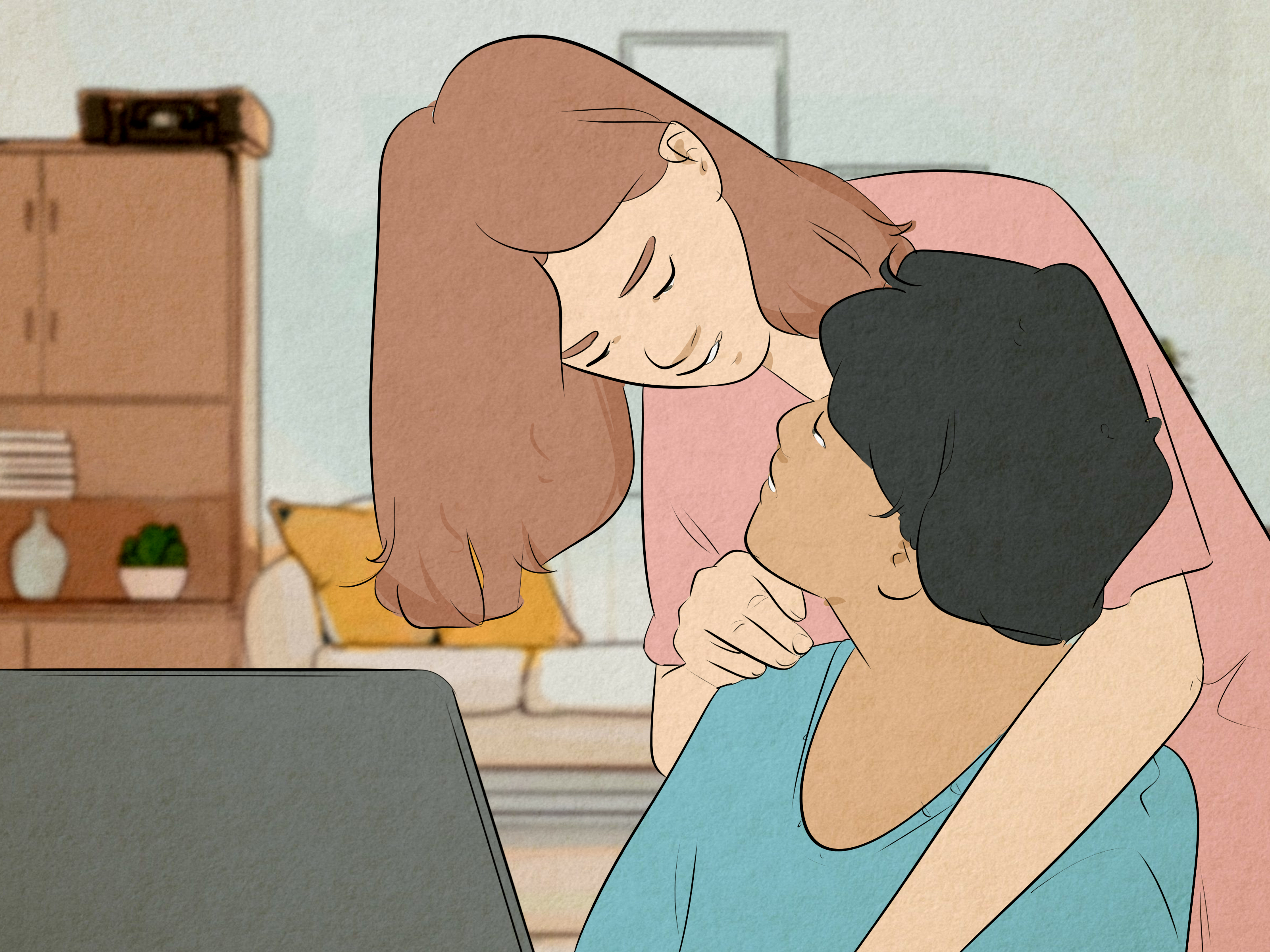
In a romantic relationship, “clingy” usually describes behavior that seeks frequent reassurance, excessive togetherness, or constant access to a partner. A clingy partner may feel uneasy when their significant other spends time alone, goes out with friends, takes longer to reply, or simply needs personal space.
Clinginess can show up in small ways, like sending several follow-up texts when one message would do. It can also appear in bigger patterns, such as needing to know where a partner is at all times, feeling threatened by their friendships, or interpreting normal independence as rejection.
Clingy vs. Affectionate: What Is the Difference?
Affection says, “I love being close to you.” Clinginess says, “I do not feel okay unless you are close to me.” That tiny difference is actually a giant relationship billboard.
A loving partner may enjoy frequent communication, cuddling, shared routines, and quality time. A clingy partner may need those things to regulate anxiety. Affection respects both connection and independence. Clinginess often fears independence because it can feel like emotional danger.
For example, texting “Have fun with your friends! Call me later?” is affectionate and secure. Texting “Why are you not answering? Are you with someone else? Send a picture,” is not affection wearing a cute sweater. It is anxiety trying to drive the relationship from the back seat.
Common Signs of Clingy Behavior
Clingy behavior does not look the same in every relationship, but certain patterns are common. The important thing is to look for repetition, intensity, and impact. One nervous day does not define a person. A recurring pattern deserves attention.
1. Constant Texting or Calling
A clingy person may feel a strong urge to text, call, or check in repeatedly throughout the day. If the partner does not respond quickly, the silence may feel like rejection. The person may then send more messages, reread old conversations, or imagine worst-case scenarios. The phone becomes less like a communication tool and more like a tiny glowing anxiety machine.
2. Needing Frequent Reassurance
Everyone needs reassurance sometimes. But clinginess may involve repeatedly asking, “Do you love me?” “Are you mad at me?” “Are we okay?” or “Are you sure you are not losing feelings?” Even when the partner answers kindly, the relief may fade quickly, creating a cycle where reassurance is needed again and again.
3. Feeling Threatened by Alone Time
Healthy couples do not have to be emotionally attached at the hip. A partner may need time for hobbies, school, work, family, friends, or simply sitting in silence while eating cereal like a mysterious woodland creature. Clinginess may interpret that space as proof that something is wrong.
4. Jealousy and Over-Monitoring
Clinginess can include checking social media activity, asking too many questions about who a partner is with, or feeling suspicious of ordinary friendships. This may come from fear rather than cruelty, but it can still make the relationship feel tense and controlled.
5. Losing Your Own Identity
A clingy partner may slowly stop seeing friends, drop hobbies, ignore personal goals, or shape their entire schedule around the relationship. At first, this may look romantic. Over time, it can become draining. A healthy relationship should add richness to your life, not replace your entire life like a software update nobody asked for.
Why Do People Become Clingy?
Clinginess is usually not random. It often has roots in emotional patterns, past experiences, and relationship fears. Understanding the “why” does not excuse unhealthy behavior, but it does make change more possible.
Anxious Attachment
One of the most common explanations for clingy behavior is anxious attachment. People with anxious attachment often crave closeness but worry that love may disappear. They may be highly sensitive to changes in tone, delayed replies, canceled plans, or any sign that a partner seems distant.
This attachment style can develop from inconsistent caregiving, unpredictable affection, past rejection, emotional neglect, or painful relationship experiences. In adulthood, the nervous system may treat romantic distance as a threat. The person may then chase closeness through reassurance-seeking, over-texting, or people-pleasing.
Fear of Abandonment
Fear of abandonment can make ordinary relationship moments feel enormous. A partner needing a quiet evening may feel like the beginning of a breakup. A short reply may seem like emotional proof that love is fading. The clingy person is not always reacting to the present moment; they may be reacting to an old wound that the present moment accidentally poked with a stick.
Low Self-Esteem
When someone does not feel secure in themselves, they may look to a partner for constant proof that they are worthy. Compliments, attention, and affection become emotional oxygen. The problem is that no partner can permanently fix another person’s self-worth. That work has to happen from the inside, preferably with patience, self-compassion, and sometimes professional support.
Past Betrayal or Relationship Trauma
Someone who has been cheated on, lied to, abandoned, or emotionally manipulated may become hyper-alert in future relationships. Their clinginess may be a protective strategy: “If I watch everything closely, I will not be hurt again.” Unfortunately, over-monitoring can damage trust and create the very distance they fear.
Unclear Relationship Expectations
Sometimes clinginess is not about deep trauma. Sometimes two people simply have different expectations. One person thinks texting every few hours is normal. The other thinks one goodnight text is plenty. Without a conversation, both people may feel misunderstood. One feels ignored; the other feels smothered.
Is Being Clingy Always Bad?
No. The word “clingy” can be used unfairly. Some people use it to shame normal emotional needs. Wanting care, consistency, effort, affection, and communication is not clingy. It is human.
The better question is not “Am I clingy?” but “Are my needs and behaviors balanced?” A person can need reassurance and still respect boundaries. A person can enjoy closeness and still support independence. A person can miss their partner and still let them have a life outside the relationship.
Clinginess becomes unhealthy when it creates pressure, control, resentment, emotional exhaustion, or fear. If one partner feels responsible for constantly calming the other, the relationship can start to feel less like love and more like unpaid emotional tech support.
Healthy Needs vs. Clingy Patterns
Healthy need: “I feel more connected when we talk after school or work. Can we plan a time to check in?”
Clingy pattern: “If you do not text me constantly, it means you do not care.”
Healthy need: “I would like reassurance because I have been feeling insecure lately.”
Clingy pattern: “Prove you love me again, and again, and again, and also maybe again in twelve minutes.”
Healthy need: “I value quality time together.”
Clingy pattern: “You should not want to spend time with anyone else.”
This difference matters. Relationships work best when needs are expressed clearly, not disguised as accusations, tests, or control.
How Clinginess Affects a Relationship
At first, clingy behavior may seem like intense love. Constant messages, lots of attention, and endless togetherness can feel flattering. But over time, the pressure can build.
It Can Create Emotional Exhaustion
If one partner must constantly reassure the other, they may begin to feel drained. Reassurance is comforting, but when it becomes nonstop, it can turn into a relationship chore.
It Can Reduce Attraction
Attraction often grows when both people have confidence, individuality, and personal purpose. When one partner gives up their whole world for the relationship, the dynamic may become unbalanced. Mystery does not require emotional distance, but it does need a little oxygen.
It Can Cause Resentment
The partner who feels crowded may start pulling away. The clingy partner may then panic and cling harder. Congratulations, the relationship has entered the classic chase-and-retreat dance, which is about as fun as stepping on a Lego barefoot.
It Can Blur Boundaries
Healthy boundaries help people protect their time, energy, privacy, friendships, and emotional well-being. Clinginess can blur those boundaries by making one person feel guilty for needing normal space.
What Experts Recommend for Overcoming Clinginess
Overcoming clingy behavior is not about becoming cold, distant, or pretending you have no feelings. It is about learning to feel secure without needing constant proof from your partner.
1. Name the Feeling Before Acting
Before sending five texts, pause and ask: “What am I feeling right now?” The answer may be fear, loneliness, jealousy, uncertainty, or embarrassment. Naming the emotion helps you respond instead of react.
2. Create a Reassurance Plan
Instead of asking for reassurance randomly all day, talk with your partner about what helps both of you. Maybe you agree on a good-morning text, a quick afternoon check-in, and a call at night. Predictability can calm anxiety without overwhelming the relationship.
3. Practice Self-Soothing
Self-soothing means helping your own nervous system settle down. Try taking a walk, journaling, breathing slowly, listening to music, doing homework, cleaning your room, or calling a friend. The goal is not to ignore your feelings. The goal is to remind yourself that feelings are not emergencies.
4. Build a Life Outside the Relationship
Spend time with friends. Keep hobbies. Work toward personal goals. Protect your routines. A strong relationship should be part of your life, not the entire operating system. When your happiness has several sources, your partner does not have to carry the whole emotional backpack.
5. Communicate Without Accusing
Try “I” statements instead of blame. For example: “I feel anxious when plans change suddenly. Can we talk about how to handle that?” works better than “You always make me feel ignored.” One opens a conversation. The other starts a courtroom drama.
6. Respect Boundaries
If your partner says they need time to study, sleep, see friends, or be alone, practice respecting that boundary. Space is not automatically rejection. In healthy relationships, space can actually make connection stronger because both people return as fuller versions of themselves.
7. Consider Therapy or Counseling
If clinginess is intense, painful, or connected to anxiety, trauma, or fear of abandonment, therapy can help. A counselor can teach emotional regulation, attachment awareness, communication skills, and healthier ways to build trust.
What to Do If Your Partner Is Clingy
If your partner is clingy, try not to lead with criticism. Shame usually makes anxiety worse. Instead, be kind, clear, and consistent.
You might say: “I care about you, and I enjoy spending time with you. I also need personal time and time with friends. Let’s figure out a communication rhythm that feels good for both of us.”
Be specific. “I need space” can sound scary. “I am going to study from 7 to 9, and I will text you afterward” is clearer and less likely to trigger panic.
However, compassion does not mean allowing controlling behavior. If clinginess becomes stalking, threats, isolation from friends, pressure, or emotional manipulation, that is not just “being needy.” That is unhealthy and may be unsafe. In that case, talk to a trusted adult, counselor, or appropriate support resource.
Examples of Clingy Behavior and Healthier Alternatives
Example 1: The Delayed Text
Clingy reaction: “You did not answer for twenty minutes. Are you ignoring me?”
Healthier response: “I noticed I got anxious when I did not hear back. I am going to give it some time and not assume the worst.”
Example 2: The Friend Hangout
Clingy reaction: “Why do you want to hang out with them instead of me?”
Healthier response: “Have fun with your friends. Let’s plan something together this weekend.”
Example 3: The Need for Reassurance
Clingy reaction: “Tell me you love me. Are you sure? Promise? Say it again.”
Healthier response: “I am feeling a little insecure today. Could you reassure me once, and then I will work on calming myself too?”
How to Build a More Secure Relationship
A secure relationship is not one where nobody ever feels anxious. It is one where both people can talk about feelings without panic, punishment, or control.
Security grows through consistency, honesty, emotional responsiveness, and respect for boundaries. Small daily actions matter: responding kindly to a partner’s bid for attention, keeping promises, apologizing when wrong, and making room for both closeness and independence.
Think of a healthy relationship like a campfire. Too little attention, and the fire goes out. Too much grabbing, poking, and dumping emotional gasoline on it, and everyone is suddenly running for safety. The goal is steady warmth.
of Real-Life Experiences: What Clinginess Feels Like in Everyday Relationships
In real life, clinginess rarely announces itself dramatically. It usually begins in small moments. A person sends a text and sees no reply. Five minutes pass. Then ten. The logical part of the brain says, “They are probably busy.” The anxious part says, “They have lost interest, moved to another country, and started a new life with someone who has better hair.” The person sends another message. Then another. By the time the partner replies, the emotional storm has already done a full workout.
Many people who struggle with clingy behavior describe feeling embarrassed afterward. In the moment, checking in feels necessary. Afterward, it may feel excessive. They may think, “Why did I do that again?” This shame can make the pattern worse because the person now needs reassurance not only about the relationship, but also about their own behavior.
On the other side, partners of clingy people often feel confused. They may care deeply, but they start feeling watched or tested. A normal evening with friends becomes a negotiation. A low-battery phone becomes evidence in an imaginary trial. The partner may pull back to breathe, but that distance can trigger even more anxiety. This is how two people who care about each other can accidentally create a cycle that hurts both of them.
A healthier experience usually begins with one honest conversation. Not a dramatic midnight speech. Not a 47-message essay with footnotes. Just a calm talk. One person might say, “I realize I get anxious when I do not hear from you, and I am working on it.” The other might say, “I want to support you, but I also need time where I am not on my phone.” That kind of conversation can turn conflict into teamwork.
People who become less clingy often do not become less loving. In fact, many become better partners because their love feels freer. They learn to pause before reacting. They learn that a delayed reply is not a disaster. They reconnect with friends, hobbies, school, work, fitness, creativity, or family. Their world gets bigger again. And when their world gets bigger, the relationship has more room to breathe.
One of the most powerful experiences is realizing that independence does not weaken love. A partner having their own life does not mean they are leaving. It may mean they are healthy. When two people can say, “I choose you, and I also choose myself,” the relationship becomes more balanced. There is less pressure, less fear, and more genuine connection.
Clinginess is not a life sentence. It is a pattern, and patterns can change. With self-awareness, communication, boundaries, and emotional practice, someone who once felt panicked by distance can learn to feel steady. Love becomes less about holding on tightly and more about standing close with open hands.
Conclusion: Clingy Does Not Mean Broken
So, what does clingy mean in a relationship? It means a person may be seeking closeness, reassurance, or control in a way that creates pressure or imbalance. But it does not mean they are hopeless, toxic, or impossible to love. Clinginess is often a signal. It points to anxiety, attachment wounds, low self-esteem, fear of abandonment, or relationship needs that have not been clearly communicated.
The healthiest solution is not to shame the clingy person or ignore the overwhelmed partner. The solution is balance: honest communication, respectful boundaries, emotional regulation, personal independence, and consistent care. A strong relationship allows both people to feel loved without feeling trapped. It creates room for connection and breathing space, affection and autonomy, “I miss you” and “Have fun with your friends.”
In other words, love should feel like a safe homenot a locked room.