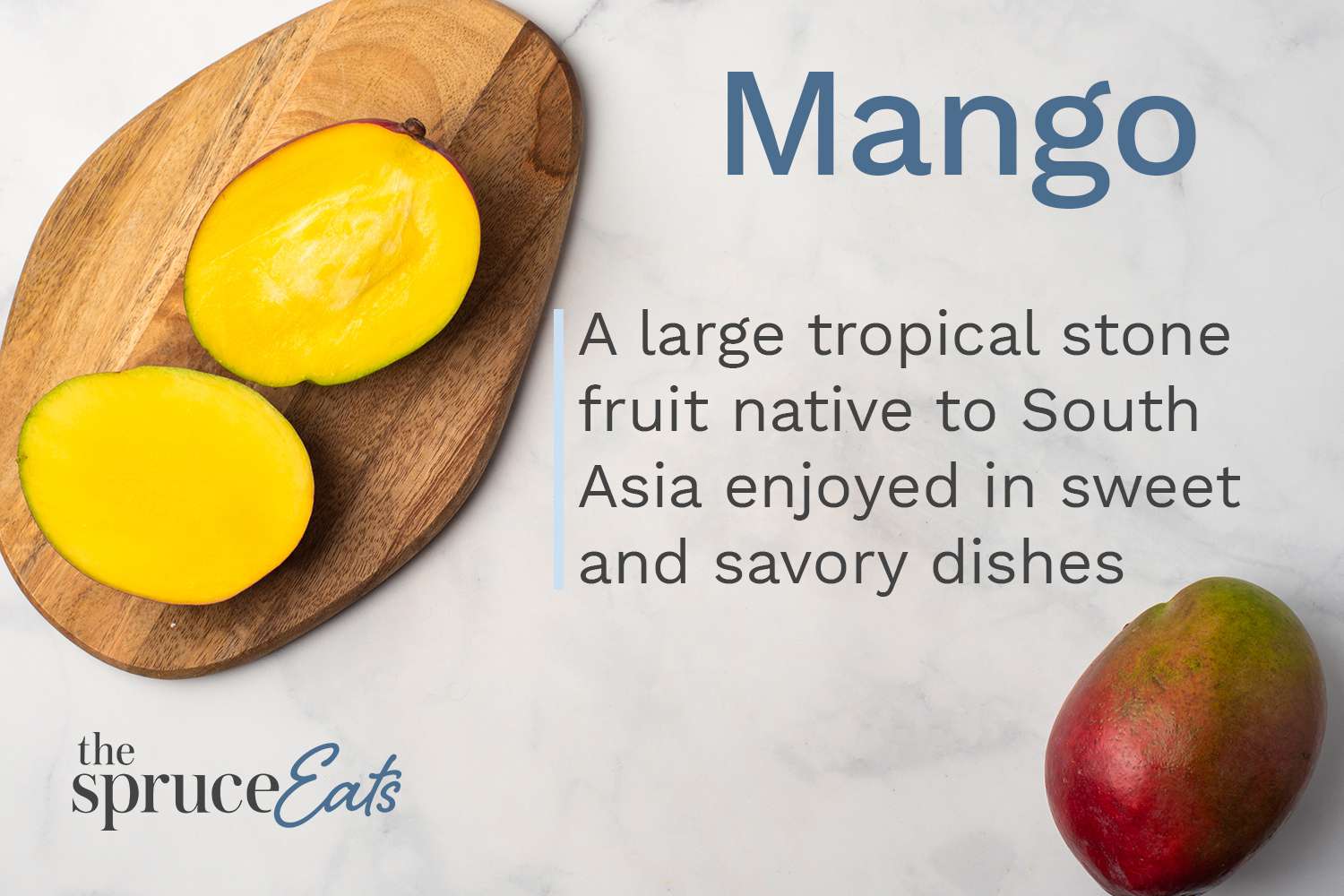
Mango is the tropical fruit that walks into the room wearing sunshine. Sweet, juicy, fragrant, and just a little dramatic when it drips down your wrist, mango is one of the world’s most beloved fruits for a reason. It can be eaten fresh, blended into smoothies, tossed into salsa, grilled with savory dishes, folded into desserts, or enjoyed straight from the cutting board while you pretend you were only “taste-testing.”
So, what is mango exactly? Mango is the edible fruit of the Mangifera indica tree, a tropical evergreen in the cashew family. It is known for its golden-orange flesh, sweet-tart flavor, smooth or fibrous texture depending on variety, and impressive nutritional profile. Mango is rich in vitamin C, provides dietary fiber, contains carotenoids, and brings a natural sweetness that makes it feel like dessert even when it is simply fruit.
In this guide, we will explore mango nutrition, health benefits, varieties, how to choose a ripe mango, how to store it, how to eat it, and practical experiences that make this fruit much more than a pretty slice on a brunch plate.
What Is Mango? A Simple Definition
Mango is a tropical stone fruit, also called a drupe. That means it has a fleshy outer portion surrounding a large, flat seed in the center. If you have ever tried to cut a mango and felt like you were negotiating with a slippery football, that seed is the reason.
The mango tree is believed to be native to South Asia, especially areas around India and Myanmar. Over centuries, mango spread across tropical and subtropical regions, becoming a major fruit crop in Asia, Africa, the Americas, and the Caribbean. Today, mango is widely available in the United States, especially through imports from countries such as Mexico, Peru, Ecuador, Brazil, Guatemala, and Haiti.
Mangoes vary in shape, color, texture, and flavor. Some are round and red-blushed, some are long and yellow, and some stay green even when ripe. This is important: color alone does not tell you whether a mango is ripe. A ripe mango usually gives slightly when pressed gently and may smell sweet near the stem.
Mango Nutrition: What Is Inside This Golden Fruit?
Mango tastes like a treat, but it also delivers nutrients your body can actually use. A cup of chopped mango contains around 99 calories and provides fiber, vitamin C, vitamin A, copper, folate, and other micronutrients. Per 100 grams, raw mango is relatively low in calories, mostly water and carbohydrates, with small amounts of protein and fat.
Key Nutrients in Mango
- Vitamin C: Supports collagen production, immune function, and antioxidant protection.
- Vitamin A and carotenoids: Help support vision, immune health, and normal cell function.
- Fiber: Supports digestion and helps make fruit more filling than juice or candy.
- Folate: Important for cell growth and especially relevant during pregnancy.
- Copper: Supports normal energy production and connective tissue health.
- Potassium: Helps with fluid balance and normal muscle and nerve function.
Mango is naturally sweet, which sometimes gives it a suspicious reputation among people watching sugar intake. But fruit sugar comes packaged with water, fiber, vitamins, minerals, and plant compounds. That is very different from added sugar in soda or candy. For most healthy adults, mango can fit beautifully into a balanced diet.
What Does Mango Taste Like?
Mango flavor depends on the variety and ripeness. A ripe mango can taste like a mix of peach, pineapple, orange, honey, and tropical flowers. Some varieties are creamy and smooth, while others are firmer or more fibrous. Green, unripe mango is tart and crisp, often used in salads, pickles, chutneys, and spicy snacks.
A fully ripe mango should taste sweet, fragrant, and juicy. If it tastes sour, chalky, or bland, it may have been cut too early or stored poorly. If it tastes fermented, fizzy, or alcoholic, it is probably overripe and should be skipped unless your fruit bowl is auditioning for a science experiment.
Popular Mango Varieties in the United States
There are many mango varieties worldwide, but U.S. shoppers commonly see a smaller group. Each type has its own personality, almost like fruit with a résumé.
Tommy Atkins
Tommy Atkins mangoes often have red, green, and orange skin. They are widely available and travel well, which makes them common in grocery stores. Their flesh can be firmer and more fibrous, making them useful for salsas, chutneys, and cooked dishes.
Honey or Ataulfo Mango
Honey mangoes, also called Ataulfo mangoes, are small, golden-yellow, and often very smooth in texture. They are creamy, sweet, and excellent for smoothies, desserts, and eating fresh with a spoon.
Kent
Kent mangoes are juicy, sweet, and often less fibrous. They are wonderful for slicing, blending, or serving in fruit salads. Their skin can remain greenish even when ripe, so use touch and aroma instead of color alone.
Keitt
Keitt mangoes are large, green, firm, and juicy. They are often enjoyed ripe but can also work well in green mango dishes because of their texture and tartness.
Haden
Haden mangoes are aromatic, colorful, and historically important in Florida mango growing. They have a rich flavor and are often enjoyed fresh.
Francis
Francis mangoes tend to be bright yellow with a sweet, slightly spicy flavor. Their flesh can be soft and juicy with some fiber.
Health Benefits of Mango
Mango is not a magic cure for anything, despite what the internet occasionally tries to whisper at 2 a.m. However, it is a nutrient-dense fruit that can support a healthy eating pattern. Here are some practical mango benefits worth knowing.
1. Mango Supports Immune Health
Mango is a good source of vitamin C, a nutrient your body needs because humans cannot make vitamin C on their own. Vitamin C supports immune function, helps protect cells from oxidative stress, and plays a role in collagen production. Adding mango to meals is an easy way to boost fruit intake without feeling like you are doing homework.
2. Mango Helps Support Skin and Collagen
Vitamin C is necessary for collagen formation, and collagen helps maintain skin, cartilage, blood vessels, and connective tissue. Eating mango will not replace sunscreen, sleep, or drinking water, but it can be part of a skin-supportive diet. Think of it as one cheerful piece of the wellness puzzle, not the whole puzzle box.
3. Mango Provides Fiber for Digestion
Fiber helps support digestion and can make meals more satisfying. Mango contains both soluble and insoluble fiber, though the amount varies by portion. Eating whole mango is more filling than drinking mango juice because the fruit keeps its fiber intact. Your digestive system generally appreciates the difference.
4. Mango Contains Carotenoids
The yellow-orange color of mango flesh comes partly from carotenoids, plant pigments that your body can use in different ways. Some carotenoids can be converted into vitamin A, which supports normal vision, immune function, growth, and organ health.
5. Mango Can Fit Into a Heart-Healthy Plate
Mango is naturally free of cholesterol and very low in fat and sodium. Its potassium, fiber, and antioxidant nutrients make it a smart fruit choice in a balanced pattern that also includes vegetables, whole grains, lean proteins, nuts, seeds, and healthy fats.
Is Mango Good for People With Diabetes?
Mango can be part of a diabetes-conscious eating plan, but portion size matters. The American Diabetes Association generally recommends fresh, frozen, or canned fruit without added sugars as the best fruit choices. Mango contains natural sugar, so people managing blood glucose may do better with a measured portion, such as half a cup to one cup, and pairing it with protein or healthy fat.
For example, mango with Greek yogurt, cottage cheese, chia seeds, nuts, or grilled chicken may be more balanced than eating a huge bowl of mango by itself. Anyone with diabetes should follow their personal meal plan and check how their own body responds.
How to Pick a Ripe Mango
Choosing a ripe mango is less about color and more about feel. A ripe mango should give slightly when pressed gently, similar to a ripe peach or avocado. It may also smell sweet and fruity near the stem.
Signs of a Good Mango
- It feels slightly soft but not mushy.
- It has a pleasant fruity aroma near the stem.
- The skin is smooth and mostly free from deep bruises.
- It feels heavy for its size.
Signs to Avoid
- Large black sunken spots
- Sour or alcoholic smell
- Leaking juice
- Extremely mushy texture
- Mold around the stem
Wrinkles are not always bad. Some ripe mangoes wrinkle slightly, especially Honey mangoes. A few wrinkles can mean sweetness. A mango that looks like it paid taxes in three countries, however, may be past its prime.
How to Store Mango
Unripe mangoes should be stored at room temperature until they soften. Do not rush them into the refrigerator too early, because cold temperatures can interfere with proper ripening and flavor development. If you want to speed things up, place the mango in a paper bag at room temperature.
Once ripe, mangoes can be moved to the refrigerator to slow ripening. Cut mango should be stored in an airtight container in the refrigerator and eaten within a few days. Mango chunks can also be frozen for smoothies, sauces, and desserts.
How to Cut a Mango Without Losing Your Patience
Mango has a long, flat seed in the center. The easiest method is to slice along both sides of the seed, creating two “cheeks.” Then score the flesh in a grid pattern without cutting through the skin. Push the skin outward and slice off the cubes. Trim remaining fruit from around the seed.
Simple Mango Cutting Steps
- Wash the mango under running water before cutting.
- Stand it upright with the stem end at the top.
- Slice down one side of the flat seed.
- Repeat on the other side.
- Score the flesh into cubes.
- Scoop or slice the cubes away from the peel.
Important safety note: Wash mango before cutting, even though you do not usually eat the peel. The knife can drag bacteria from the skin into the flesh. Use running water, not soap or detergent.
Can You Eat Mango Skin?
Mango skin is technically edible, but most people do not eat it because it can be tough, bitter, and irritating. Mango belongs to the same plant family as cashews and poison ivy. Compounds in the peel and sap can cause contact dermatitis in sensitive people, especially those who react strongly to poison ivy. If mango peel makes your lips, hands, or face itchy, avoid handling it directly and consider buying pre-cut mango or asking someone else to peel it.
Best Ways to Eat Mango
Mango is one of those fruits that behaves well in both sweet and savory recipes. It can brighten a plate the way a good joke brightens a meeting.
Fresh Mango Ideas
- Add mango cubes to yogurt or oatmeal.
- Serve mango slices with lime juice and chili powder.
- Mix mango into fruit salad with pineapple, berries, and kiwi.
- Top cottage cheese with mango and chopped pistachios.
Savory Mango Ideas
- Make mango salsa with red onion, cilantro, lime, and peppers.
- Add mango to fish tacos.
- Pair mango with grilled chicken or shrimp.
- Use green mango in slaws and salads.
- Cook mango into chutney for curry dishes.
Sweet Mango Ideas
- Blend frozen mango into smoothies.
- Make mango sorbet with lime.
- Add mango puree to chia pudding.
- Layer mango with coconut milk and sticky rice.
- Freeze mango chunks for a naturally sweet snack.
Mango vs. Mango Juice: Which Is Better?
Whole mango is usually the better everyday choice because it contains fiber and is more filling. Mango juice can be refreshing, but it is easier to drink a lot of sugar quickly when the fiber is removed. If you enjoy mango juice, look for options with no added sugar and keep the portion moderate.
Smoothies sit somewhere in the middle. A mango smoothie made with whole fruit, yogurt, oats, chia seeds, or protein can be satisfying and balanced. A smoothie made with mango nectar, sweetened juice, and extra syrup is basically dessert wearing a gym outfit.
Is Mango Good for Weight Management?
Mango can fit into a weight-conscious diet because it is flavorful, naturally sweet, and relatively low in calories compared with many desserts. The fiber and water content help with satisfaction. The key is portion size and context. A cup of mango after lunch is very different from a giant mango milkshake with sweetened condensed milk and whipped cream.
If cravings for sweets hit hard, mango can be a smart substitute. It gives you bright flavor, natural sweetness, and nutrients at the same time. That is a much better bargain than eating cookies over the sink while pretending they broke accidentally.
Are There Any Downsides to Mango?
For most people, mango is safe and healthy. Still, there are a few things to keep in mind.
Allergy or Skin Irritation
Some people react to mango peel or sap, especially if they are sensitive to poison ivy or related plants. Symptoms may include itching, redness, rash, swelling, or irritation around the mouth. Severe allergic reactions are rare but possible. If you notice swelling, breathing trouble, or widespread hives, seek medical help immediately.
Natural Sugar Content
Mango contains natural sugars, so people with diabetes, insulin resistance, or specific carbohydrate goals should be mindful of serving size. Pairing mango with protein, fiber, or fat can help create a more balanced snack.
Overripe Fruit
Overripe mango can ferment and develop off flavors. If it smells sour, fizzy, or alcoholic, it is better to discard it.
of Practical Experience: Living With Mango in the Real Kitchen
The best way to understand mango is not only through nutrition charts, but through everyday experience. Mango is a fruit that teaches patience. Buy one too firm, and it sits on the counter like a decorative paperweight. Cut it too early, and the flesh is pale, tart, and stubborn. Wait just long enough, and suddenly the kitchen smells like a tropical vacation you did not have to book.
One practical experience many mango lovers learn quickly is that different varieties behave differently. A Honey mango can become soft and deeply yellow, almost custardy inside. A Kent mango may stay green on the outside but be perfectly ripe within. Tommy Atkins may look gorgeous with its red blush, but it can be more fibrous. After a few purchases, you start choosing mangoes not just by appearance but by purpose. Smoothies? Go for creamy, ripe mango. Salsa? Choose a firmer fruit. Green mango salad? Pick one that is intentionally unripe and crisp.
Another lesson is that mango rewards simple preparation. You do not need complicated recipes. A ripe mango with lime juice and a pinch of chili powder can be more exciting than many fancy desserts. Mango with Greek yogurt makes breakfast feel cheerful. Mango salsa over grilled fish can turn a basic dinner into something that tastes restaurant-worthy. Even frozen mango chunks can rescue a boring smoothie from tasting like “health obligation.”
Storage is also a real-life skill. Many people put mangoes straight into the refrigerator after shopping, then wonder why they taste dull. Letting mangoes ripen at room temperature first usually gives better flavor. Once they are ripe, refrigeration buys you a little time. Cut mango, however, has a short window. Store it in an airtight container and use it soon. If you have too much, freeze it. Future you will be grateful when smoothie season arrives, which is every season if your blender is loud enough.
Cutting mango can feel awkward at first. The seed is flat, slippery, and determined to be noticed. The “cheeks and cubes” method helps: slice along the seed, score the flesh, and scoop out cubes. After doing it a few times, you become faster. You may still eat the bits around the seed over the sink. This is normal. In many homes, the person cutting the mango quietly receives the “chef’s bonus,” also known as the best messy pieces.
Mango also brings people together. It appears in family fruit bowls, summer cookouts, lunchboxes, tropical drinks, chutneys, salads, and desserts. It crosses cuisines easily: Mexican mangonadas, Indian chutneys, Thai sticky rice, Caribbean salsas, Filipino mango desserts, and American smoothie bowls all make room for it. That versatility is the real magic. Mango is not just a fruit; it is an ingredient that can be refreshing, comforting, elegant, playful, or wildly sticky depending on the moment.
Conclusion: So, What Is Mango?
Mango is a tropical stone fruit from the Mangifera indica tree, loved for its sunny color, juicy texture, sweet aroma, and flexible culinary personality. It is nutritious, naturally sweet, and easy to enjoy in both fresh and cooked dishes. Mango provides vitamin C, fiber, carotenoids, folate, copper, and other nutrients that support a balanced diet.
The smartest way to enjoy mango is simple: choose ripe fruit by feel and aroma, wash it before cutting, store it properly, and use it in meals that balance sweetness with protein, fiber, healthy fats, or savory ingredients. Whether you eat it over the sink, spoon it into yogurt, blend it into a smoothie, or dice it into salsa, mango brings sunshine to the plate without needing much help.