Note: This article is written for web publication and synthesizes verified public information about the viral TikTok sound, its original context, and the way users transformed it into a meme format.
If you have been anywhere near TikTok lately, there is a good chance you have heard someone dramatically count, “1, 2, 1, 2, 3, release ’em.” It is the kind of sound that grabs the internet by the hoodie strings: funny, emotional, extremely quotable, and just theatrical enough to make people replay it even when they have absolutely no business doing so.
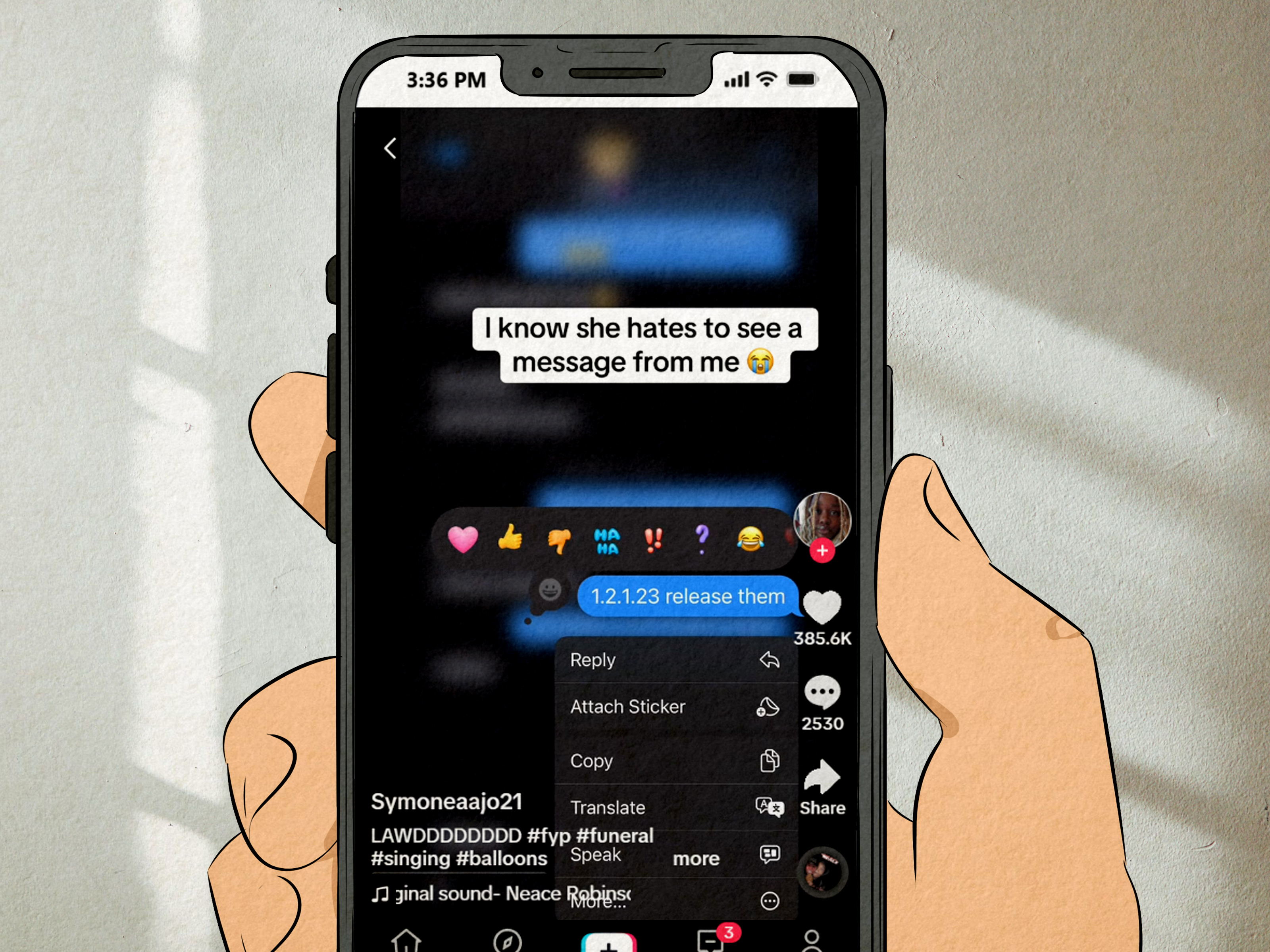
The “1, 2, 1, 2, 3, Release ’Em” TikTok trend is a viral meme built around a soundbite from singer Neace Robinson’s song “I Wished That Heaven Had a Phone.” The original clip shows Robinson performing at a funeral-related balloon release, where the countdown cues people to let go of their balloons in memory of a loved one. TikTok, being TikTok, then took that deeply emotional moment and turned the countdown into a punchline for everything from school grades to friend reunions, awkward situations, relationship jokes, workplace chaos, and the daily drama of simply existing.
That contrast is the entire reason the trend works. The source is sincere. The meme is often silly. The sound sits right in the middle, wearing a white suit of internet absurdity and emotional sincerity at the same time.
What Is the “1, 2, 1, 2, 3, Release ’Em” TikTok Trend?
The trend usually features TikTok users lip-syncing, reacting, or staging a short scene around the phrase “1, 2, 1, 2, 3, release ’em.” The “release ’em” part becomes the punchline. In the original context, it means releasing balloons during a memorial moment. In TikTok edits, it can mean releasing results, emotions, pets, secrets, screenshots, unpaid invoices, or a group chat’s collective patience.
For example, someone might use the audio with a caption like, “Me waiting for my professor to release final grades,” followed by the dramatic countdown. Another person might use it for “When my dog sees the front door open,” as if the dog is a sacred balloon being launched into the neighborhood. Someone else might apply it to a friend who has been holding in gossip for three weeks and finally gets permission to speak. Internet culture loves a countdown, and this one arrives with built-in drama.
The trend’s structure is simple, which is why it spreads so easily. A creator sets up a situation where something is being held back. Then the audio gives the release. The joke lands because the phrase is overly grand for everyday moments. It turns ordinary life into a ceremony, and honestly, sometimes opening your banking app after payday does feel like a spiritual event.
Where Did the Sound Come From?
The sound comes from Neace Robinson, a Louisiana singer whose song “I Wished That Heaven Had a Phone” became newly famous after a funeral performance circulated on TikTok. Robinson originally released the song years before the trend exploded, and the track had already lived a real life outside internet jokes. It was connected to grief, remembrance, and the longing to speak with loved ones who have passed away.
In the viral performance, Robinson is singing at a memorial event where people are holding balloons. As the emotional music builds, Robinson counts down and says the now-famous phrase: “1, 2, 1, 2, 3, release ’em.” The cue tells mourners to let the balloons go. It is both musical direction and ceremonial instruction, which is a very specific combination. TikTok heard it and said, “This is powerful, moving, and also absolutely perfect for memes.”
Robinson’s performance was later widely discussed online, and she became associated with the nickname “Funeral Stud,” a term used by social media users in reference to her appearance and identity presentation. While the nickname became part of the meme language around the trend, the more important point is that Robinson’s voice, presence, and timing made the clip unforgettable. She did not just sing a line; she delivered a whole moment.
Why Did the Trend Go Viral?
The “1, 2, 1, 2, 3, Release ’Em” trend went viral because it has the three ingredients TikTok loves most: a memorable sound, a flexible punchline, and emotional whiplash. The audio is short enough to use in almost any video, but dramatic enough to make even a tiny joke feel like a movie trailer.
1. The Countdown Creates Instant Suspense
Countdowns naturally make people pay attention. Whether it is a rocket launch, New Year’s Eve, a race, or your microwave hitting zero while you stand there like a hungry raccoon, a countdown tells the brain something is about to happen. In this trend, the numbers create anticipation, and “release ’em” delivers the payoff.
That makes the sound useful for jokes about waiting. Waiting for exam scores. Waiting for a package. Waiting for a friend to text back. Waiting for a manager to approve vacation days. TikTok users can attach the audio to almost any situation where something is being withheld and then dramatically revealed.
2. The Original Emotion Gives the Meme Extra Weight
The sound is not just funny because of the words. It is funny because the delivery is so serious, soulful, and ceremonial. The original moment is connected to grief, which gives the audio emotional depth. When users repurpose it for casual situations, the contrast becomes humorous.
This is common in TikTok culture. A sound that begins with one meaning often gains a second life when creators use it in unexpected contexts. A sad song becomes a joke about missing your favorite hoodie. A movie quote becomes a reaction to bad customer service. A funeral countdown becomes a meme about releasing grades, dogs, or intrusive thoughts. The internet is not always subtle, but it is very efficient.
3. The Phrase Is Easy to Remember
“Release ’em” is short, active, and oddly satisfying to say. It sounds like a command from a dramatic stage manager, a pirate captain, and a church choir director all at once. That makes it sticky. Once people hear it, they start looking for situations where the phrase fits.
Good meme phrases do not need a long explanation. They need a rhythm. This one has rhythm baked into the count: “1, 2, 1, 2, 3.” The repetition makes it musical, and the final phrase gives creators a clear button to end the joke.
How People Are Using the “Release ’Em” Sound
The most popular versions of the trend usually fall into a few categories. Some are harmless everyday jokes. Others are reactions to school, work, relationships, or social anxiety. The format is broad enough that creators can use it in hundreds of ways without needing to explain the original funeral context every time.
School and Grades
One of the easiest examples is school content. Students use the audio when waiting for teachers or professors to release grades, test scores, class rankings, schedules, or final exam results. The joke works because “release ’em” sounds much more dramatic than refreshing a student portal at 11:59 p.m. while whispering, “Please be a B.”
Workplace Jokes
Office and job-related videos also fit the trend well. Creators use the sound for captions like “When payroll finally releases the direct deposit,” “When HR releases the new schedule,” or “When my manager releases me from the meeting that could have been an email.” The audio turns workplace frustration into a mini gospel production, which is honestly more engaging than most staff meetings.
Relationship and Friendship Humor
People also use the sound for relationship content. A creator might joke about finally letting a friend tell the gossip, releasing screenshots, or allowing someone to explain their side of a messy story. In friendship videos, “release ’em” can mean finally letting someone out of emotional containment. We all have that one friend who enters the room holding a story so powerful it needs a countdown.
Pet Videos
Pet owners have found obvious gold in the trend. “Release ’em” works perfectly for dogs sprinting into the yard, cats leaving a carrier, or pets being let loose after bath time. Animals already behave like tiny agents of chaos. Add a dramatic countdown, and suddenly your beagle looks like the headliner at a memorial concert.
Fashion, Beauty, and Daily Life
The audio has also appeared in jokes about removing uncomfortable clothes, taking off wigs, letting curls down, opening packages, or revealing a new look. The idea is always the same: something has been contained, hidden, delayed, or restrained. The countdown gives it a grand exit.
The Deeper Meaning Behind the Trend
Even though the meme is funny, the original sound is rooted in grief. “I Wished That Heaven Had a Phone” speaks to a familiar human feeling: wanting one more conversation with someone who is gone. That desire is universal. Whether someone has lost a parent, grandparent, sibling, friend, partner, or mentor, the idea of calling heaven is emotionally direct. It does not require complicated poetry. It hits because almost everyone understands it.
This is why the trend has a slightly complicated emotional texture. On one hand, TikTok users are making jokes. On the other hand, the sound came from a real memorial practice. The best way to engage with the trend is to remember that both things can be true. It can be funny online while still deserving respect offline.
That is part of the strange modern life cycle of viral content. A song can begin as a local expression of grief, become a TikTok joke, bring attention to an independent artist, inspire a polished music video, and then enter pop culture as a catchphrase. The internet does not move in a straight line. It moves like a shopping cart with one bad wheel, but somehow it still gets where it is going.
Is the Trend Offensive?
Whether the “1, 2, 1, 2, 3, Release ’Em” trend feels offensive depends on how it is used. Many creators use the audio in playful, non-targeted ways that do not mock death, grief, or the people in the original video. In those cases, the meme usually functions as a dramatic sound effect.
However, context matters. If someone uses the clip to ridicule mourners, funeral traditions, Black church-influenced singing, LGBTQ+ identity, or the emotional expression of grief, the joke can quickly become disrespectful. The line between laughing with a sound and laughing at the people behind it is not always thick, but it is visible if you bother to look.
A respectful use focuses on the phrase and its dramatic timing. A disrespectful use treats the original funeral setting as the joke. That distinction is important. Robinson’s performance resonated because it was sincere. The trend is funniest when creators understand the drama without punching down at the pain behind it.
What the Trend Says About TikTok Culture
The “Release ’Em” trend is a perfect example of how TikTok transforms sound into social language. On TikTok, audio does not simply accompany a video. It becomes a template. Users hear a sound and immediately ask, “What situation in my life matches this feeling?” That is how a funeral countdown becomes shorthand for anticipation, release, suspense, and comedic overreaction.
This trend also shows how older or independent songs can suddenly find new audiences. A song does not need to be brand-new to go viral. It needs a moment that people can recognize, repeat, and remix. TikTok has repeatedly revived songs, introduced niche artists to broader audiences, and turned tiny fragments of music into massive cultural references.
In Robinson’s case, the viral moment helped more people discover the full emotional meaning of “I Wished That Heaven Had a Phone.” Some users arrived for the meme and stayed for the song. That is the rare internet outcome where a joke can actually lead people back to the artist instead of only swallowing the original context whole.
Why “Release ’Em” Works as a Meme Format
From a content strategy perspective, the trend is strong because it is easy to adapt. A good TikTok trend does not require expensive props, advanced editing, or a film degree from the University of Overthinking. It needs a setup and a payoff. “Release ’em” gives creators both.
The phrase works especially well in captions built around waiting, revealing, freeing, or exposing. That makes it useful across niches: student life, parenting, pets, beauty, fitness, workplace humor, relationships, pop culture commentary, and even sports reactions. If something can be released, the sound can probably be used.
It also helps that the sound is theatrical. TikTok is not a platform built on quiet understatement. A person silently opening an email may not be exciting. But a person opening an email while a powerful voice commands “release ’em” suddenly becomes cinema. Low-budget cinema, perhaps, but still cinema.
What About Balloon Releases?
Because the original clip involves a balloon release, the trend has also brought attention to memorial balloon traditions. For many families, releasing balloons feels symbolic. It gives grief a physical action: letting go, looking up, and marking a moment together.
At the same time, environmental organizations and wildlife agencies have long warned that released balloons can create litter and harm animals. Balloons eventually come down. They can land in waterways, trees, fields, or roads, and wildlife may mistake balloon pieces or strings for food or become tangled in them.
That does not mean people who participate in balloon releases are bad or careless. In many cases, they are simply trying to honor someone they love. But the conversation around the trend offers a chance to consider alternatives. Families can blow bubbles, light candles where safe, plant flowers, write letters, release flower petals in a controlled way, create memory tables, or hold a musical tribute without releasing materials into the environment.
The emotional goal is still the same: to remember, to honor, and to feel connected. The method can evolve without losing the meaning.
Should You Use the “1, 2, 1, 2, 3, Release ’Em” Trend?
Yes, you can use the trend, but use it with awareness. If your video is a harmless joke about grades, pets, packages, gossip, or daily life, the sound can work well. If your joke depends on mocking the funeral setting or the people involved, it is better to rethink it.
For creators, the smartest approach is to keep the humor aimed at your own situation. Make yourself the joke. Make the suspense the joke. Make the overdramatic countdown the joke. Do not make grief the joke.
Also, when possible, credit the sound and recognize Neace Robinson as the artist behind it. Viral sounds often travel faster than names, and creators deserve to benefit when their work becomes part of internet culture. A meme may belong to the crowd once it spreads, but the voice still belongs to a person.
Experience-Based Reflections on the “Release ’Em” Trend
What makes the “1, 2, 1, 2, 3, Release ’Em” trend feel so familiar is that everyone has experienced a moment of waiting for something to finally be let go. It may not involve balloons, a microphone, or a crowd dressed for a memorial, but the feeling is everywhere. Waiting is one of the great universal hobbies, right next to pretending you only need “one thing” from Target.
Think about school. Students know the emotional violence of waiting for grades to be posted. You refresh the page once. Nothing. Refresh again. Still nothing. Suddenly, the professor becomes the gatekeeper of your entire future, even if the assignment was a two-page reflection on a documentary you watched at double speed. When the grade finally appears, it really does feel like someone counted down and released your fate into the sky.
At work, the trend feels just as accurate. Employees wait for schedules, approvals, paychecks, project updates, meeting links, and those mysterious “quick questions” that are never quick and rarely questions. The “release ’em” sound turns that tension into comedy. It gives workers a way to laugh at the tiny suspense loops built into modern life. Waiting for your manager to release the agenda should not feel like waiting for a weather alert, but here we are.
In friendships, the trend captures the exact moment when someone has been holding back a story. You can see it in their face. They walk in with the energy of a person carrying classified documents. Everyone sits down, snacks are secured, phones are face down, and then the group gives silent permission: release ’em. That is why the sound works so well for gossip jokes. It turns conversation into a ceremony, and honestly, some stories deserve candles and a choir.
The trend also connects to emotions. Sometimes “release ’em” is not about jokes at all. Sometimes it feels like permission to let out stress, sadness, anger, or relief. People hold a lot in. They hold in grief at work, frustration in relationships, anxiety in school, and exhaustion in everyday responsibilities. A viral sound cannot solve those feelings, but it can give them a shape. It can make people laugh for a few seconds and say, “Yes, that is exactly what this feels like.”
That is the strange power of TikTok trends. They often look ridiculous from the outside, but the best ones catch a real emotional pattern. The “Release ’Em” trend is not just about one phrase. It is about buildup and release. It is about waiting for the thing, opening the thing, saying the thing, revealing the thing, or finally letting the thing go. That is why it can move from funeral context to school jokes to pet videos without completely losing its emotional charge.
Of course, the original meaning should not be forgotten. The sound began with remembrance, and that matters. But the fact that people found humor, comfort, and creativity in it also says something about how people process hard feelings online. Sometimes the internet handles grief with grace. Sometimes it handles it with memes. Most of the time, it does both before lunch.
In the end, the “1, 2, 1, 2, 3, Release ’Em” TikTok trend is popular because it gives people a dramatic way to mark a tiny turning point. It is a countdown for modern life’s little releases: the grade, the paycheck, the secret, the dog, the package, the tears, the laugh. It is funny because it is too much. It is memorable because it is musical. And it is meaningful because underneath the joke is a real song about missing someone and wanting one more conversation.
Conclusion
The “1, 2, 1, 2, 3, Release ’Em” TikTok trend is more than another passing soundbite. It is a perfect example of how TikTok can take a deeply emotional performance and turn one unforgettable line into a flexible meme format. Neace Robinson’s original song, “I Wished That Heaven Had a Phone,” gave the phrase its heart. TikTok gave it speed, captions, remixes, and enough dramatic pet videos to keep the algorithm busy.
The trend works because it is simple, emotional, and endlessly adaptable. It can be used for jokes about school, work, friendship, relationships, pets, fashion, and everyday suspense. But its original connection to grief means creators should use it with care. Laugh at the drama of the phrase, not at the people or pain behind it.
That balance is what makes the trend interesting. It is funny, but not empty. Viral, but not random. Silly, but connected to something real. And in the unpredictable theater of TikTok, that combination is exactly what gets released into the culture.