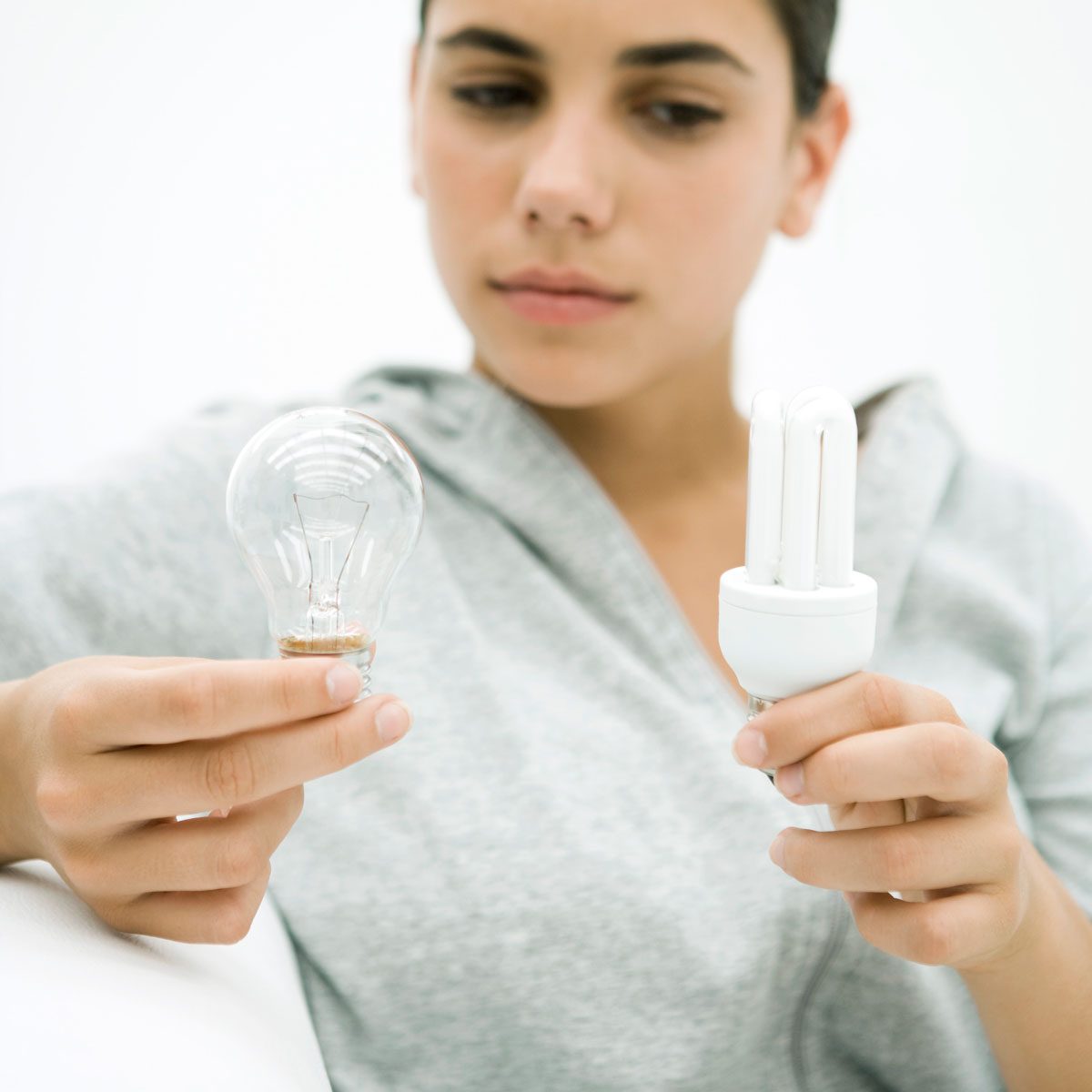
Fluorescent light is one of those everyday inventions that quietly shaped modern life while getting almost none of the fanfare. It lit schools, grocery stores, garages, basements, offices, hospitals, workshops, kitchens, and the occasional mysterious storage room where every box is labeled “misc.” For decades, fluorescent lighting was the practical choice: brighter than old incandescent bulbs, more efficient, relatively affordable, and durable enough to survive long workdays.
But fluorescent light is also a topic full of questions. Is it bad for your eyes? Why does it flicker? Why do some bulbs hum like a tiny refrigerator with opinions? What is inside a fluorescent tube? Should you replace fluorescent fixtures with LED lighting? And what should you do if a fluorescent bulb breaks?
This guide explains what fluorescent light is, how it works, where it still makes sense, where it falls short, and what homeowners, renters, facility managers, and small business owners should know before buying, replacing, cleaning, or recycling fluorescent lamps.
What Is Fluorescent Light?
Fluorescent light is produced by a gas-discharge lamp. In simple terms, electricity flows through a tube containing low-pressure mercury vapor and inert gas. That electrical current creates ultraviolet light inside the tube. The ultraviolet light then strikes a phosphor coating on the inside of the glass, and that coating glows with visible light.
That is the “fluorescent” part: invisible energy becomes visible brightness. It sounds like a magic trick, except the magician is physics and the wand is a glass tube connected to a ballast.
Fluorescent lighting appears in several common forms:
- Linear fluorescent tubes: Long tubes often used in offices, schools, basements, garages, and commercial ceilings.
- Compact fluorescent lamps, or CFLs: Spiral or folded bulbs once popular as energy-saving replacements for incandescent bulbs.
- U-shaped and circular fluorescent lamps: Specialty shapes used in certain fixtures, task lights, and commercial settings.
- High-output fluorescent lamps: Brighter lamps used in warehouses, signs, workshops, and industrial spaces.
How Fluorescent Lighting Works
A fluorescent lamp needs more than a bulb. It also needs a ballast, which controls the electrical current. Without a ballast, the lamp would pull too much current and quickly fail. Older magnetic ballasts are known for flicker, slow starting, and that familiar buzzing sound. Newer electronic ballasts are quieter, lighter, more efficient, and better at reducing visible flicker.
When you flip the switch, the ballast helps start the electrical discharge inside the lamp. Mercury vapor emits ultraviolet radiation, and the phosphor coating changes that energy into visible light. The color and quality of that light depend largely on the phosphor blend.
Why Some Fluorescent Lights Look Cool or Harsh
Fluorescent lights can look warm, neutral, or cool depending on their color temperature, measured in Kelvin. A warm lamp around 2700K to 3000K looks yellowish and cozy. A neutral lamp around 3500K to 4100K feels balanced and office-like. A cool lamp around 5000K to 6500K looks crisp, bluish, and daylight-like.
The “hospital hallway at 2 a.m.” feeling usually comes from very cool color temperature, poor color rendering, excessive brightness, or bad fixture placement. Fluorescent light itself is not automatically unpleasant, but the wrong lamp in the wrong room can make your kitchen feel like a tax audit.
Main Benefits of Fluorescent Light
1. Better Efficiency Than Incandescent Bulbs
For many years, fluorescent lighting was the smart energy-saving upgrade. Compared with traditional incandescent bulbs, fluorescent lamps generally used much less electricity to produce similar light output. That made CFL bulbs especially popular in homes during the transition away from older incandescent lighting.
Linear fluorescent tubes also became a standard in commercial buildings because they could light large spaces efficiently. Offices, classrooms, retail stores, and warehouses needed broad, consistent illumination, and fluorescent fixtures delivered it at a lower operating cost than many older technologies.
2. Good Light Output for Large Areas
Fluorescent tubes are excellent at spreading light over a wide area. A four-foot tube in a ceiling fixture can illuminate a workbench, classroom, laundry room, or storage space more evenly than a single small bulb. This is one reason fluorescent lighting became so common in drop ceilings and utility areas.
3. Long Life Compared With Older Bulbs
Fluorescent lamps usually last longer than traditional incandescent bulbs. That means fewer trips up the ladder, fewer replacement purchases, and fewer dramatic moments where someone says, “Hold the chair steady,” while everyone else quietly questions the safety plan.
4. Affordable Fixture Options
Fluorescent fixtures have historically been inexpensive and widely available. Many older buildings already have fluorescent systems installed, which can make repair or gradual replacement more practical than a full lighting redesign.
Fluorescent Light Drawbacks You Should Know
1. Fluorescent Lamps Contain Mercury
All fluorescent lamps contain a small amount of mercury. That mercury is essential to how the lamp works, but it also means fluorescent bulbs should not be treated like ordinary trash. Disposal rules vary by location, and many communities offer recycling or household hazardous waste programs for fluorescent tubes and CFL bulbs.
The mercury issue is one of the biggest reasons many homeowners and businesses now prefer LED lighting. LEDs do not need mercury to produce light, and they are usually more efficient and longer lasting than fluorescent products.
2. Flicker Can Be a Problem
Older fluorescent fixtures may flicker because of aging lamps, failing starters, loose connections, cold temperatures, or outdated magnetic ballasts. Flicker can be annoying, especially in offices, classrooms, workshops, and anywhere people spend long hours reading or using screens.
Some people are more sensitive to flicker than others. If a light causes headaches, eye strain, or distraction, the fixture should be inspected, repaired, or replaced. Sometimes the solution is as simple as replacing an old tube. Other times, the ballast is the culprit.
3. Some Fixtures Hum
The classic fluorescent hum usually comes from a magnetic ballast. It may get louder as the ballast ages. A faint sound might be tolerable in a garage, but it can become maddening in a quiet office or bedroom. Replacing the ballast or converting the fixture to LED can solve the problem.
4. Cold Weather Can Affect Performance
Some fluorescent lamps struggle in cold temperatures. In an unheated garage, shed, or outdoor fixture, they may start slowly, flicker, or produce reduced brightness until they warm up. Special cold-weather fluorescent lamps exist, but LEDs often perform better in these conditions.
5. Dimming Is Not Always Simple
Not all fluorescent lamps are dimmable. Dimming requires compatible lamps, ballasts, and controls. Using the wrong dimmer can cause flicker, buzzing, poor performance, or lamp failure. If dimming matters, check compatibility carefully before buying replacement lamps or controls.
Is Fluorescent Light Bad for Your Health?
For most people, normal fluorescent lighting is considered safe when lamps are intact and properly installed. Typical fluorescent lamps, including CFLs used in homes, emit very low levels of ultraviolet radiation. The bigger practical concerns are glare, flicker, brightness, color temperature, and safe handling if a lamp breaks.
That said, lighting comfort is personal. Some people report headaches, eye strain, fatigue, or sensory discomfort under certain fluorescent fixtures. Often the problem is not “fluorescent light” as a whole, but a combination of old ballasts, poor lamp quality, excessive brightness, glare from shiny surfaces, or bad room design.
How to Make Fluorescent Lighting More Comfortable
- Replace old flickering tubes promptly.
- Use electronic ballasts instead of older magnetic ballasts where possible.
- Choose a comfortable color temperature, such as 3000K to 4000K for many indoor spaces.
- Use diffusers to reduce glare.
- Avoid placing bright fluorescent fixtures directly above screens or reflective work surfaces.
- Mix overhead lighting with task lighting for a softer, more flexible setup.
What to Do If a Fluorescent Bulb Breaks
A broken fluorescent bulb should be handled carefully because of mercury vapor and glass fragments. Do not panic, but do not grab the vacuum cleaner like a hero in a cleaning commercial either.
Here is a practical approach:
- Clear the area. Keep people and pets away from the broken bulb.
- Ventilate the room. Open windows or doors if possible.
- Avoid vacuuming immediately. Vacuuming can spread mercury-containing powder or vapor.
- Use stiff paper or cardboard. Carefully scoop up glass pieces and powder.
- Use sticky tape. Pick up tiny fragments and remaining powder.
- Seal the debris. Place cleanup materials in a sealed container or bag.
- Follow local disposal guidance. Many areas want broken fluorescent lamps handled as hazardous waste.
For carpet, cleanup can be trickier because fragments and powder can settle into fibers. Carefully remove visible pieces, use tape for small particles, and check local guidance before vacuuming. If you must vacuum later, ventilate the room and dispose of the vacuum bag or clean the canister afterward.
How to Dispose of Fluorescent Light Bulbs
Because fluorescent lamps contain mercury, recycling is the best option in most situations. Many hardware stores, recycling centers, municipal waste programs, and household hazardous waste events accept CFL bulbs or fluorescent tubes. Rules vary by state, county, and city, so local waste authority guidance matters.
Do not break fluorescent tubes to fit them into a trash bag. That turns a disposal problem into a cleanup problem, which is like solving a small leak by removing the roof.
If you manage a business, school, apartment building, or commercial property, disposal requirements may be stricter than they are for households. Facilities should have a lamp recycling plan, safe storage containers, and trained staff for handling used tubes.
Fluorescent Light vs. LED: Which Is Better?
In most modern situations, LED lighting is the better long-term choice. LEDs are highly efficient, long lasting, mercury-free, and available in many color temperatures and fixture styles. They also turn on instantly, perform well in cold conditions, and usually offer better control options for dimming and smart lighting.
However, fluorescent lighting may still be present in older buildings, rental properties, garages, retail spaces, workshops, and schools. The question is not always “Is LED better?” but “What is the smartest replacement path?”
When It Makes Sense to Keep Fluorescent Lights Temporarily
- The fixtures are working well and not used often.
- You are planning a larger renovation soon.
- Replacement cost is not yet justified by energy savings.
- The building has many fixtures and needs a phased upgrade plan.
When It Makes Sense to Replace Fluorescent Lights
- Lamps flicker, buzz, or fail frequently.
- Ballasts are old, hot, leaking, or unreliable.
- The space needs better light quality or lower energy use.
- You want to avoid mercury-containing lamps.
- Your state or local market is phasing out certain fluorescent lamp sales.
- Maintenance costs are becoming annoying or expensive.
Understanding Fluorescent Tube Sizes: T12, T8, and T5
Linear fluorescent tubes are often labeled with a “T” number. The “T” stands for tubular, and the number refers to diameter in eighths of an inch.
- T12: Older, larger tubes measuring 12 eighths of an inch, or 1.5 inches in diameter.
- T8: Common tubes measuring 8 eighths of an inch, or 1 inch in diameter.
- T5: Smaller tubes measuring 5 eighths of an inch, often used in newer commercial or specialty fixtures.
T12 systems are older and less efficient. Many buildings have already moved from T12 to T8 or LED. If your building still uses T12 fixtures, it is usually a strong sign that a lighting upgrade deserves serious consideration.
What About Ballasts and PCB Concerns?
Older fluorescent fixtures may contain ballasts made before modern safety and environmental standards. Some older ballasts, especially in buildings constructed or equipped before 1979, may contain PCBs, or polychlorinated biphenyls. PCBs are hazardous chemicals that require careful handling and disposal.
If you see an old ballast leaking oily material, smelling strange, overheating, or showing damage, do not ignore it. Turn off power to the fixture if it is safe to do so and contact a qualified electrician or facility professional. Schools, offices, and older commercial buildings should be especially careful when planning lighting retrofits involving old fluorescent fixtures.
Buying Fluorescent Lamps: What to Check
If you still need to buy fluorescent replacement lamps, check the details before ordering. The wrong tube may fit physically but perform badly, fail early, or not work at all.
Check These Details First
- Lamp type: CFL, T8, T5, T12, U-bend, circular, or specialty lamp.
- Length and shape: Four-foot tubes are common, but not universal.
- Pin type: Different tubes use different pin arrangements.
- Wattage: Match the fixture and ballast requirements.
- Color temperature: Choose warm, neutral, cool, or daylight based on the space.
- Color rendering index: Higher CRI helps colors look more natural.
- Ballast compatibility: Especially important for older fixtures.
- Local availability: Some fluorescent products are becoming harder to find as markets shift toward LED.
Best Uses for Fluorescent Light Today
Fluorescent lighting is no longer the default champion it once was, but it still has practical uses in existing systems. It can work well in utility spaces, storage rooms, garages, workshops, laundry rooms, and commercial areas where fixtures are already installed and functioning properly.
For new installations, however, LED lighting usually makes more sense. LED fixtures offer better efficiency, fewer disposal concerns, instant brightness, and broader design options. In many cases, replacing fluorescent lights with LED tubes or new LED fixtures can reduce maintenance while improving comfort.
Tips for Replacing Fluorescent Lights With LED
There are several ways to move from fluorescent to LED lighting. The best option depends on your fixture, wiring, ballast condition, budget, and comfort with electrical work.
Option 1: LED Tubes Compatible With Existing Ballasts
Some LED tubes are designed to work with existing fluorescent ballasts. This can be the easiest replacement because you remove the fluorescent tube and install the compatible LED tube. The downside is that the old ballast remains in the system, and if the ballast fails later, the light fails too.
Option 2: Ballast-Bypass LED Tubes
Ballast-bypass LED tubes require rewiring the fixture so the LED tube connects directly to line voltage. This removes the ballast from the equation, improving long-term reliability. However, it requires electrical knowledge and should be done by someone qualified.
Option 3: New LED Fixtures
Replacing the entire fixture may cost more upfront, but it can produce the cleanest result. New LED fixtures often look better, distribute light more evenly, and eliminate compatibility issues. This is often the best choice during remodeling, office upgrades, or large commercial retrofits.
Common Fluorescent Light Problems and Fixes
The Light Flickers
Possible causes include an old lamp, failing ballast, loose tube, poor connection, cold temperature, or incompatible replacement. Start by turning off the fixture and checking whether the tube is seated correctly. If the problem continues after replacing the lamp, the ballast may need attention.
The Light Hums
Humming usually points to the ballast. Older magnetic ballasts are especially prone to noise. Replacing the ballast or upgrading to LED can solve the issue.
The Ends of the Tube Are Black
Darkened tube ends often mean the lamp is near the end of its life. Replace it before it begins flickering heavily or fails completely.
The Light Is Too Harsh
Try a warmer color temperature, lower brightness, better diffuser, or different fixture placement. Harsh lighting is often a design problem, not just a bulb problem.
The Light Turns On Slowly
Cold temperature, aging lamps, old starters, or older ballasts can cause slow starting. LEDs generally solve this because they reach full brightness instantly.
Practical Experiences With Fluorescent Light
Most people do not think about fluorescent light until it misbehaves. It is like plumbing, Wi-Fi, or a printer: invisible when working, suddenly dramatic when not. One common experience is the slow garage light. You flip the switch, wait, and the tube blinks awake in stages, as if it needs coffee before participating in society. In warm weather it may work fine, but in winter it can flicker, glow weakly, or take a full minute to become useful. That is a classic situation where an LED replacement can feel like a tiny home improvement miracle.
Another familiar example is the office ceiling grid filled with fluorescent panels. When the lamps are fresh and the ballasts are electronic, the room can feel bright and productive. But when tubes age at different speeds, the ceiling becomes a patchwork of colors: one panel looks warm, one looks blue, one flickers, and one appears to be auditioning for a haunted elevator scene. In workplaces, this matters. Inconsistent lighting can make screens harder to read, paperwork more tiring, and long afternoons feel even longer.
In kitchens and laundry rooms, fluorescent fixtures often become part of the house’s personality. A long tube over the sink may provide excellent task lighting, but if the cover yellows or fills with dust, the light becomes dull and unattractive. Cleaning the diffuser and choosing a better color temperature can improve the space immediately. A neutral white lamp can make counters look clean without making everyone’s face look like it belongs in a security camera feed.
Workshops show the best and worst of fluorescent lighting. On the positive side, long tubes spread light evenly across benches, tools, and shelves. That broad coverage is useful for painting, measuring, repairing bikes, organizing hardware, or finding the one screw that rolled under the cabinet three months ago. On the negative side, flicker around spinning tools can be distracting, and weak color rendering can make stains, wires, paint colors, or finishes harder to judge accurately. For detailed work, a combination of overhead lighting and focused task lighting is usually better than relying on ceiling fixtures alone.
Schools and older public buildings offer another lesson: maintenance matters. Fluorescent systems can work reliably, but only when lamps and ballasts are replaced before they become a daily annoyance. A buzzing fixture in a quiet classroom is not just background noise; it competes with concentration. A flickering lamp in a hallway may seem minor, but it sends a message that the building is tired. Lighting is not just about seeing. It affects mood, comfort, attention, and how cared-for a space feels.
The biggest experience-based takeaway is simple: fluorescent light is not automatically good or bad. A well-maintained fluorescent fixture can still do useful work. An old, buzzing, flickering fixture can make a perfectly nice room feel like a basement in a detective movie. If the light is comfortable, efficient enough, and safely maintained, there may be no emergency. But if you are replacing lamps often, dealing with hum, worrying about disposal, or planning a renovation, LED lighting is usually the smarter next chapter.
Conclusion
Fluorescent light has earned its place in lighting history. It helped homes and businesses reduce energy use long before LED bulbs became the new standard. It provides broad, practical illumination and still works in many existing spaces. But it also comes with real considerations: mercury content, recycling requirements, possible flicker, ballast problems, cold-weather performance, and declining availability in some markets.
If you already have fluorescent lighting, the best approach is thoughtful maintenance. Replace failing tubes, handle broken bulbs safely, recycle used lamps, and pay attention to old ballasts. If you are planning new lighting or upgrading a space, LEDs usually offer better efficiency, easier control, less maintenance, and fewer environmental concerns.
In other words, fluorescent light is not the villain. It is more like the dependable older appliance in the corner: useful, historically important, sometimes noisy, and increasingly ready for retirement when the timing is right.