Note: This article is based on verified historical research and is formatted for web publication.
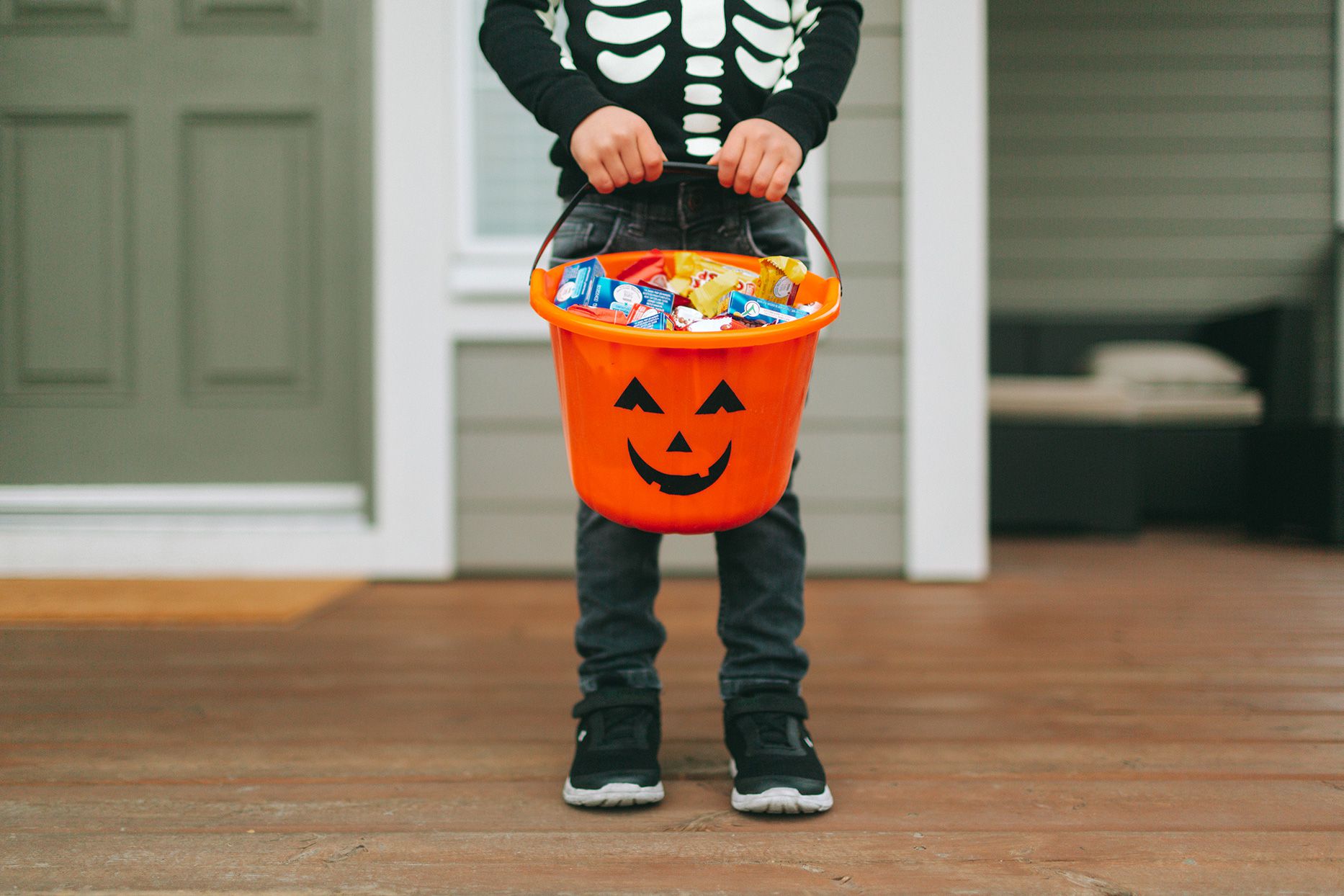
Every Halloween, millions of kids pull on capes, grab pumpkin buckets, and march into the night with one goal: to collect an amount of candy that would make a dentist quietly sigh. It feels timeless, as if trick-or-treating has always existed in exactly the same form. But it has not. The tradition is much older than the modern candy haul, and the version Americans know today took a long, twisty path through religion, folklore, immigration, neighborhood mischief, wartime rationing, and good old-fashioned marketing.
So, when did the tradition of trick-or-treating become popular? The best answer is this: trick-or-treating became popular in the United States during the 1930s, but it became truly mainstream and widely established in the 1950s. In other words, the custom had ancient roots, but the classic American version, kids in costume going door to door for candy, hit its stride in the postwar years.
That distinction matters. If you only ask when trick-or-treating started, you end up wandering into Celtic festivals and medieval customs. If you ask when it became popular, you land in 20th-century North America, especially suburban America, where front porches, sidewalks, baby boomers, and bowls of miniature candy bars created the perfect Halloween stage.
The Short Answer: Trick-or-Treating Became Popular in the 1930s and Boomed in the 1950s
Let’s put the headline answer right up front. Trick-or-treating began catching on in the United States in the late 1920s and 1930s. Communities increasingly promoted it as a safer, more organized alternative to Halloween vandalism and rowdy pranks. Then World War II interrupted the ritual because sugar rationing made candy harder to hand out. After the war, the custom roared back. By the early 1950s, trick-or-treating was no longer a regional novelty or a clever experiment. It was a full-blown national tradition.
That postwar boom did not happen by accident. It was powered by several forces working together: a growing population of children, rapidly expanding suburbs, stronger neighborhood culture, the convenience of mass-produced candy, and pop culture that made trick-or-treating look wholesome, fun, and unmistakably American. Once that machine got rolling, there was no stopping it. Halloween had found its signature activity.
Before Candy Corn Ruled the Night: The Older Roots of the Tradition
Samhain and the idea of disguised visitors
Long before anyone argued about whether candy corn is delicious or just wax with ambition, there was Samhain, an ancient Celtic festival held around November 1. People in parts of Ireland, Scotland, and other Celtic regions believed this was a liminal time when the boundary between the living and the dead grew thin. Spirits could roam. Bonfires blazed. Costumes and disguises were used both for ritual and protection.
This was not trick-or-treating in the modern sense. No one was strolling around with a plastic skeleton bucket asking for fun-size chocolate. Still, the basic ingredients were already there: special costumes, nighttime movement through the community, supernatural themes, and the exchange of offerings tied to the season.
Souling, mumming, and guising
In medieval and early modern Britain, several customs emerged that look much more like direct ancestors of trick-or-treating. One was souling, in which poor people, and often children, went door to door asking for “soul cakes” in exchange for prayers for the dead. Another was guising, especially associated with Scotland and Ireland, where costumed visitors would perform a song, poem, joke, or small trick in exchange for food or coins.
That “perform for a treat” arrangement is important. In many early forms of Halloween visiting, the reward was earned. The child or reveler was not simply demanding candy. They were offering entertainment, blessings, or ritual participation in return. Modern trick-or-treating kept the costume and the house-to-house route, but it gradually dropped the requirement that a tiny vampire recite a poem before receiving chocolate. Honestly, the modern system is more efficient.
How Trick-or-Treating Crossed the Atlantic
Halloween customs did not arrive in America fully assembled. They traveled in pieces. During the 19th century, especially during and after waves of Irish and Scottish immigration, old autumn customs helped shape what Halloween would become in the United States and Canada. People brought stories, rituals, foods, games, masks, and seasonal habits with them.
At first, American Halloween was not centered on small children making neighborhood rounds for candy. In many places, Halloween had a rougher edge. It was often associated with pranks, youthful mischief, fortune-telling games, parties, and public antics. Think less “adorable bumblebee says thank you for gummy bears” and more “someone moved a gate, tipped a wagon, or soaped a window.” Halloween had charm, sure, but it also had a talent for chaos.
That chaos turned out to be one of the main reasons trick-or-treating gained traction. Adults wanted a safer, more controlled version of the holiday. Communities wanted to keep fun in and vandalism out. Trick-or-treating became the seasonal compromise: kids could roam, costumes could stay, excitement could continue, and neighborhoods could avoid waking up on November 1 to find the town looking like raccoons had formed a labor union.
Why the 1920s and 1930s Were the Turning Point
The phrase “trick or treat” was first recorded in print in the 1920s, and the custom began spreading across North America around that same time. By the late 1920s and early 1930s, the idea had started to take recognizable shape: children in disguise going door to door with a playful ultimatum. Give us a treat, or risk a trick.
That sounds cute now, but the “trick” part originally had a sharper edge. Halloween pranks during the Great Depression could become destructive. Communities had a practical incentive to support a gentler, more organized tradition. Civic leaders, schools, newspapers, and local groups often encouraged family-friendly Halloween events and house-to-house treating as a way to channel children’s energy into something less destructive than nighttime mayhem.
So if you are asking when trick-or-treating became popular enough to matter, the 1930s are crucial. That is when the custom stopped being just a scattered practice and started becoming a recognizable social answer to a widespread problem. It was becoming normal, not universal yet, but normal enough that people increasingly knew the script.
World War II Pressed Pause
Just when trick-or-treating was gathering momentum, World War II complicated everything. Sugar rationing in the United States lasted for part of the war, which meant candy was not as easy to produce, buy, or distribute. Since candy was becoming a key treat for Halloween callers, rationing took the shine off the custom.
This wartime interruption is one reason the 1950s matter so much in the story. Trick-or-treating did not move in a straight line from old folklore to modern suburbia. It accelerated in the 1930s, hit a wartime slowdown, and then came back stronger than ever once rationing ended. History, like a child on Halloween night, sometimes doubles back before sprinting toward the next porch light.
The 1950s: When Trick-or-Treating Became a Full American Phenomenon
If the 1930s made trick-or-treating visible, the 1950s made it iconic. This was the decade when the tradition became firmly embedded in American life. Several conditions lined up almost perfectly.
The baby boom helped
Postwar America had a lot of children. The baby boom created a huge youth population, and Halloween became an ideal child-centered holiday. It did not require expensive gifts or elaborate travel. It was local, social, and relatively inexpensive. A costume could be homemade. A route could be walked. A neighborhood could become a stage set for one evening.
Suburbs made the ritual easy
Suburban growth also mattered. Neighborhoods with single-family homes, front porches, and closely spaced streets made door-to-door visiting practical and safe-feeling. Trick-or-treating thrived in places where children could move from house to house without too much trouble and where adults generally knew the people living nearby.
Candy became the star
By the 1950s, candy companies recognized Halloween as a major opportunity. Individually wrapped treats were convenient for hosts and exciting for children. Before candy fully took over, Halloween handouts could include fruit, nuts, coins, homemade baked goods, and small toys. But candy had advantages: it was easy to buy in quantity, easy to distribute, and easy for kids to carry home in bulging bags like tiny sugar-powered entrepreneurs.
As the decade progressed, commercial candy and trick-or-treating became more closely linked. Over time, many people came to treat them as inseparable. That bond only grew stronger in later decades.
Pop culture sealed the deal
The early 1950s also gave trick-or-treating a public relations boost. Popular media started presenting it as a standard part of American childhood. The Peanuts comic strip featured Halloween trick-or-treating, and Disney’s 1952 short film Trick or Treat pushed the custom even deeper into popular imagination. Around the same time, the Trick-or-Treat for UNICEF campaign, launched in 1950, tied the activity to charity and civic goodwill.
That combination mattered. Trick-or-treating was no longer just something kids happened to do in some places. It was becoming something Americans recognized everywhere: wholesome, seasonal, community-based, and worth celebrating.
When Candy Truly Took Over
There is a funny detail in the history of trick-or-treating that people often overlook: the “treat” was not always candy. Mid-20th-century children might receive popcorn balls, apples, homemade cookies, money, nuts, or little toys. Candy rose because it was simple and standardized. Later, concerns about tampering and food safety pushed many families even more strongly toward sealed, commercially packaged sweets.
That means the history of trick-or-treating is not only about costumes and neighborhoods. It is also about trust. Wrapped candy felt modern, efficient, and safe. It fit the postwar American preference for convenience and consistency. By the second half of the 20th century, the image of trick-or-treating without candy started to seem almost incomplete, like a haunted house without fake cobwebs or a pirate costume without at least one plastic sword.
So, When Did Trick-or-Treating Become Popular?
Here is the most accurate way to say it: trick-or-treating became popular in North America during the late 1920s and 1930s, but it became widely established and unmistakably mainstream in the United States during the 1950s. If your goal is a single, clean decade for popularity, the 1950s is the strongest answer. If your goal is a fuller historical explanation, then the 1930s through the early 1950s is the real growth period.
The custom was not invented in one moment by one clever candy enthusiast with excellent timing. It was assembled over centuries from older practices, then reshaped by modern American life. Religion influenced it. Folklore nourished it. Immigration carried it. Communities refined it. War interrupted it. Commerce polished it. Children, naturally, perfected it.
Experiences That Show Why the Tradition Still Feels So Powerful
One reason people keep asking when trick-or-treating became popular is that the tradition feels bigger than a date. It feels like a memory machine. Even people who do not know much about Samhain or souling often understand the emotional texture of Halloween night: the glow of porch lights, the crunch of leaves, the rustle of costumes, and that strange little thrill of approaching a front door while dressed as a ghost, astronaut, superhero, or suspiciously adorable dinosaur.
For many families, trick-or-treating is one of the first public adventures children take with a sense of independence. A child learns how to walk up to a stranger’s door, speak politely, say thank you, and move along to the next house. It is social training disguised as candy collection. The costume provides courage. The ritual provides structure. The neighborhood provides the stage. It is one of the rare traditions where fear, fun, manners, sugar, and community all somehow coexist without filing a complaint.
Adults experience the night differently, but just as intensely. Parents become costume engineers, weather negotiators, flash-light carriers, and unofficial bag inspectors. Grandparents often see the evening as a bridge between generations, comparing homemade masks from decades ago with today’s superhero capes and glow bracelets. Homeowners participate too, whether they turn their porch into a mini haunted theater or simply drop fun-size chocolates into pillowcases while admiring the parade. Even the people who claim they are “not really into Halloween” mysteriously end up buying candy and smiling at tiny witches.
The experience also changes depending on where you live. In suburbs, trick-or-treating can feel like a perfectly choreographed migration from driveway to driveway. In cities, apartment buildings and busy blocks create a faster, louder rhythm. In small towns, community events, school carnivals, and downtown business districts may blend with traditional door-to-door routes. In newer settings, trunk-or-treat events, church lots, and organized community spaces add another layer. The format evolves, but the emotional core remains surprisingly stable: dressing up, stepping out, and receiving a welcome from the people around you.
That may be the deepest reason trick-or-treating stayed popular after it became mainstream. It is not just about candy. It is about being briefly known in public. For one night, kids knock on doors and the world opens. Neighbors pay attention. Streets feel alive. Front porches become little checkpoints of generosity. A child can be shy all year and still walk up as Batman, a pirate, or a fairy and say the magic words with confidence. History explains how the tradition spread, but experience explains why it lasted.
And maybe that is the final Halloween trick: a custom with roots in ancient fears ended up becoming one of the warmest community rituals in American life. Not bad for a holiday built on ghosts, darkness, and enough sugar to power a small moon landing.
Conclusion
When did the tradition of trick-or-treating become popular? Its deeper roots stretch back centuries, but the custom became notably popular in North America during the 1930s and turned into a broadly mainstream American tradition in the 1950s. That is when the pieces clicked into place: neighborhoods, children, costumes, candy, media, and a shared social script that still feels familiar today.
In the end, trick-or-treating survived because it solved several problems at once. It gave kids a thrilling ritual, gave communities a safer Halloween, gave candy makers a seasonal gold mine, and gave families a tradition sturdy enough to survive changing times. That is why the practice still feels so alive. Beneath the plastic pumpkins and chocolate wrappers is a custom with an unexpectedly long memory and an impressive ability to reinvent itself without losing its spooky little heart.