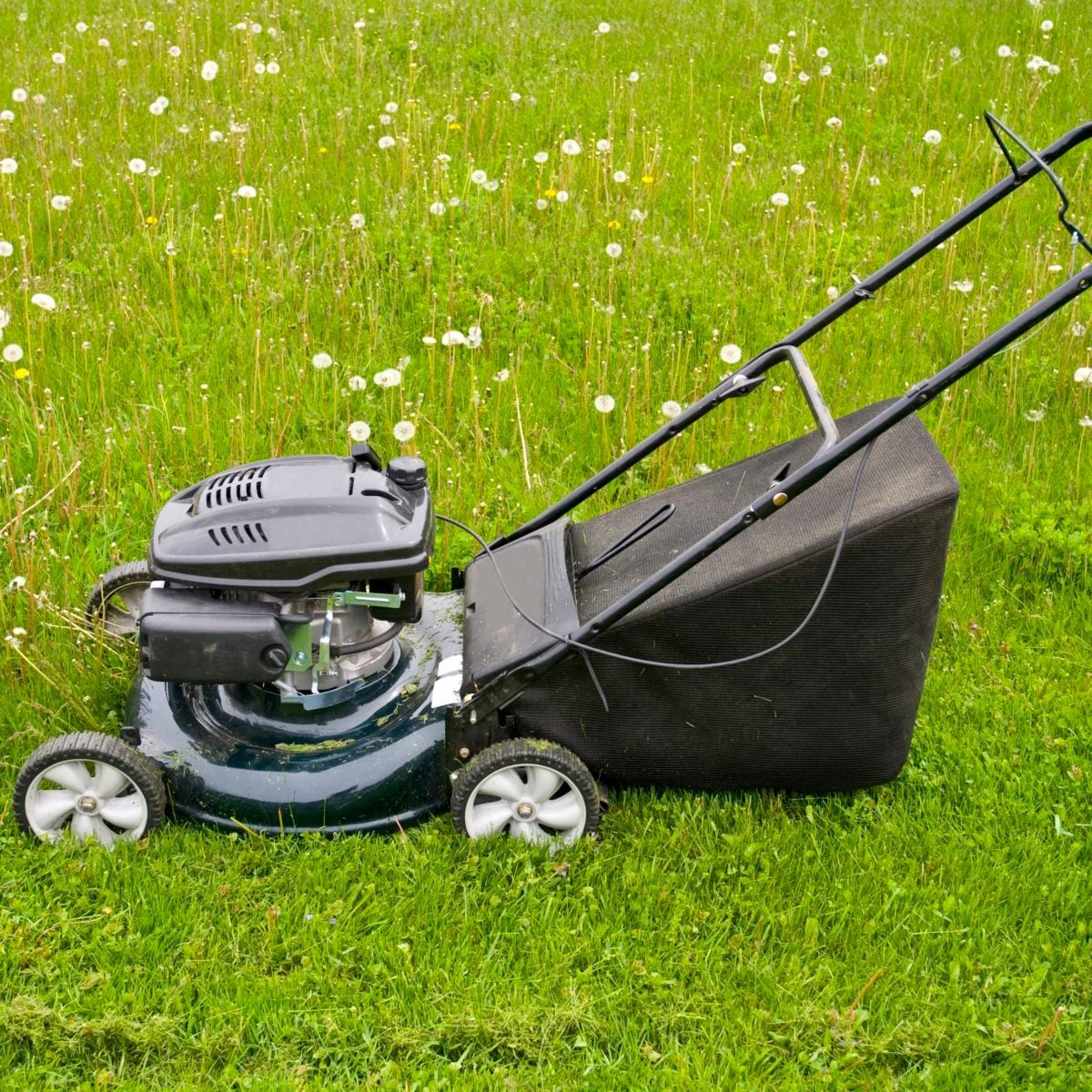
At some point every fall, the lawn seems to send a quiet message: “I’m done. Please stop chasing me with that mower.” But when does grass stop growing, exactly? The real answer is not a single calendar date. Grass stops growing when temperature, daylight, moisture, and grass type all line up to tell the plant it is time to slow down or go dormant.
For most cool-season lawns in the northern United States, grass top growth usually slows dramatically when daytime highs stay below about 50°F. In many Midwest and Northeast regions, that often happens from late October through November. Warm-season grasses, common across the South, typically stop active growth and begin dormancy after cooler fall weather and frost arrive. In short: your lawn does not own a calendar, but it absolutely owns a thermometer.
Understanding when grass stops growing helps you know when to stop mowing, when to fertilize, when to water, and when to stop worrying that your brown winter lawn has “given up on life.” Spoiler: it probably has not. It is just napping.
So, When Does Grass Stop Growing?
Grass stops growing when conditions no longer support active leaf growth. The biggest trigger is temperature. Cool-season grasses grow best in mild spring and fall weather, while warm-season grasses thrive during hot summer months. When temperatures move outside those comfort zones, growth slows or stops.
As a general rule, cool-season grass stops producing much visible leaf growth when daytime temperatures are consistently below 50°F. Root growth may continue at lower temperatures, especially when soil is still above freezing, but the blades you mow slow down first. That is why a lawn may look “stopped” on top while still quietly preparing underground for winter.
Warm-season grasses such as bermudagrass, zoysiagrass, St. Augustinegrass, centipedegrass, and buffalograss follow a different pattern. They grow most actively when the weather is hot, often performing best when air temperatures are around 80°F to 95°F. When fall temperatures cool, nights get longer, and frost shows up like an uninvited guest, warm-season lawns begin to turn tan or brown and enter winter dormancy.
Grass Type Matters: Cool-Season vs. Warm-Season Lawns
Before you can predict when your grass will stop growing, you need to know what kind of lawn you have. Grass type is the difference between “put the mower away in November” and “why is my lawn still asking for attention in December?”
Cool-Season Grasses
Cool-season grasses are common in northern states, transition-zone areas, and cooler parts of the country. Examples include Kentucky bluegrass, tall fescue, fine fescue, and perennial ryegrass. These grasses grow strongly in spring and fall when temperatures are mild. They often struggle or slow down in the heat of summer unless they receive enough water.
Cool-season grass typically grows best when air temperatures are roughly between 60°F and 75°F. Root growth is often strongest when soil temperatures are around 50°F to 65°F. That means fall can be an excellent time for root development even after mowing frequency begins to decline.
In practical homeowner language: if you live in places such as Iowa, Minnesota, Michigan, Pennsylvania, New York, Ohio, or much of New England, your lawn probably slows in late fall and stops visible growth around late October or November, depending on the year.
Warm-Season Grasses
Warm-season grasses dominate much of the southern United States. Common types include bermudagrass, zoysiagrass, St. Augustinegrass, centipedegrass, and bahiagrass. These lawns love heat. They wake up in spring when soil and air temperatures rise, grow hard during summer, and then slow down as fall cools off.
Warm-season grasses often begin going dormant after the first heavy frost or when nighttime and soil temperatures stay too cool for active growth. Bermudagrass, for example, commonly begins spring green-up when nighttime temperatures remain above about 60°F or soil temperatures reach about 65°F at a 4-inch depth. In reverse, cooler fall temperatures tell it to stop pushing fresh growth and conserve energy.
If you live in Georgia, Texas, Oklahoma, the Carolinas, Alabama, Florida, or similar climates, your warm-season lawn may stay active longer into fall than a northern cool-season lawn. But once cold weather settles in, the lawn may turn straw-colored and remain dormant until spring.
The Main Factors That Tell Grass to Stop Growing
Grass growth is not controlled by one switch. It is more like a group text between temperature, sunlight, moisture, soil health, and grass genetics. Sometimes they all agree. Sometimes one of them starts drama.
1. Air Temperature
Air temperature has a major influence on leaf growth. Cool-season grasses slow when daytime highs consistently fall below about 50°F. Warm-season grasses slow when nights cool and frost becomes likely. A single cold night usually does not end the season, but a steady pattern of cold days and chilly nights does.
2. Soil Temperature
Soil temperature is just as important as air temperature, and sometimes more important. Grass roots live in the soil, not in your weather app. Cool-season roots can keep growing when the leaves have slowed, especially if the soil remains above freezing. Warm-season grasses usually need warmer soil to stay active and green.
This is why grass may still need light care even after you stop mowing. The top may be quiet, but the root system can still be storing energy, repairing damage, and preparing for next season.
3. Day Length
Shorter days signal seasonal change. As daylight decreases in fall, grass receives less energy for photosynthesis. Even if temperatures are not brutally cold yet, reduced sunlight helps trigger slower growth. Your lawn is not being lazy; it is responding to nature’s dimmer switch.
4. Frost
Frost is a big clue that growth is nearing the finish line. For cool-season lawns, a frost may slow growth but does not always stop it permanently. If mild weather returns, some growth can continue. Warm-season grasses, however, often move quickly toward dormancy after heavy frost.
Avoid walking or mowing on frosty grass when possible. Frozen grass blades are brittle, and traffic can cause damage. Those footprints may linger longer than your guilt after skipping leg day.
5. Moisture and Drought
Grass can stop growing because it is too cold, but it can also stop growing because it is too dry. During drought or intense heat, cool-season grasses may enter summer dormancy. This can make the lawn turn brown even though it is still alive. Once rain and cooler temperatures return, healthy dormant grass often greens up again.
Warm-season grasses are generally more comfortable in heat, but they still need water during active growth. If drought becomes severe, even tough grasses slow down to protect themselves.
When Should You Stop Mowing the Lawn?
The best answer is simple: stop mowing when the grass stops growing. Not when your neighbor stops. Not when football starts. Not when the mower gives you a sad little sputter and you pretend you did not hear it.
Keep mowing as long as your lawn is actively growing. A good test is to watch whether the grass needs cutting. If you mow and it takes another two or three weeks before it looks tall again, growth is slowing. If it no longer gains noticeable height, you can usually put the mower away.
For cool-season lawns, many homeowners stop mowing sometime in late October or November. In colder northern zones, it may be earlier. In mild regions, it may be later. For warm-season lawns, mowing usually slows in fall and stops once dormancy begins.
The One-Third Rule Still Applies
Never remove more than one-third of the grass blade at a single mowing. Cutting too much at once stresses the lawn, weakens the roots, and can leave the grass vulnerable before winter. A stressed lawn going into winter is like a person going into tax season without coffee: technically possible, but not recommended.
Should the Final Mow Be Shorter?
A slightly lower final mow can be helpful for some lawns, but scalping is a bad idea. For many cool-season lawns, a fall mowing height around 2.5 to 3 inches is common. Cutting too short can expose crowns, weaken roots, and invite weeds. Leaving grass extremely tall through winter can encourage matting, snow mold, and messy spring cleanup.
For warm-season grasses, follow the recommended mowing height for your specific species. Bermudagrass is often maintained shorter than St. Augustinegrass, while zoysiagrass has its own preferred range. The goal is healthy grass, not a lawn that looks like it joined the military.
Is Dormant Grass Dead?
No, dormant grass is not necessarily dead. Dormancy is a survival strategy. When conditions become too cold, too hot, or too dry, grass slows growth and conserves energy. The leaves may turn brown, but the crowns and roots can remain alive.
This is especially important for homeowners who panic when a lawn turns brown in winter. Warm-season lawns naturally lose their green color during dormancy. Cool-season lawns may also brown during drought or extreme cold. Brown does not always mean dead; sometimes it means “closed for seasonal maintenance.”
Dead grass usually does not recover when favorable conditions return. Dormant grass does. If spring warmth and moisture arrive and your lawn greens up, it was dormant. If patches remain brown, brittle, and easy to pull up, you may be dealing with winter injury, disease, pests, compaction, or drought damage.
Regional Examples: When Grass Stops Growing Across the U.S.
Because the United States has wildly different climates, grass growth does not stop everywhere at the same time. A Minnesota lawn and a Texas lawn are not living the same life.
Northern States
In northern areas with cool-season grasses, growth often slows in October and stops around late October to November. The exact timing depends on fall temperatures, rainfall, and early frost. Some years the mower retires early. Other years it gets dragged back out for one final lap while you mutter things about “last time, I swear.”
Transition Zone
The transition zone includes areas where both cool-season and warm-season grasses may be used. States such as Missouri, Kentucky, Tennessee, Virginia, North Carolina, and parts of Oklahoma can be tricky. Cool-season lawns may grow well in spring and fall but slow in summer heat. Warm-season lawns may thrive in summer but go dormant after frost.
In these areas, grass type matters more than state lines. A tall fescue lawn and a bermudagrass lawn on the same street can follow different growth calendars.
Southern States
In southern regions, warm-season grasses often remain active longer into fall. However, once cooler temperatures and frost arrive, growth slows and dormancy begins. In the Deep South or coastal areas with mild winters, some growth may continue slowly for much of the year, especially if irrigation and fertility are high.
What to Do When Grass Growth Slows
When the lawn slows down, your job changes. You are no longer pushing aggressive top growth. You are helping the lawn finish the season healthy and enter dormancy with enough stored energy to return strong.
Keep Leaves Off the Lawn
Fallen leaves can smother grass, block sunlight, trap moisture, and create disease-friendly conditions. A light layer can be mulched into the lawn with a mower, but thick piles should be removed. Your grass needs a blanket, not a wet leaf lasagna.
Water Only When Needed
As temperatures fall, lawns usually need less water. However, grass should not enter winter bone-dry. If rainfall is scarce, occasional deep watering may help, especially for cool-season lawns still building roots or warm-season lawns going dormant in dry soil.
Fertilize at the Right Time
Fall fertilization can benefit cool-season grasses when done correctly. It supports root growth, turf density, and spring recovery. However, warm-season grasses should not be pushed with late nitrogen as they prepare for dormancy. Late feeding can delay hardening off and increase the risk of cold injury or disease.
Always base fertilization on grass type, local recommendations, and soil test results. Guessing with fertilizer is expensive, messy, and occasionally makes your lawn grow like it drank three energy drinks.
Avoid Heavy Traffic
Grass is more vulnerable when dormant, frozen, drought-stressed, or wet. Try to limit repeated foot traffic, parking, or equipment movement over the same areas. Winter paths can turn into compacted spring trouble spots.
Common Myths About When Grass Stops Growing
Myth 1: Grass Stops Growing After the First Frost
Not always. Frost can slow growth, but cool-season grass may continue growing if mild weather returns. Warm-season grass is more likely to move toward dormancy after frost, especially after a heavy freeze.
Myth 2: Brown Grass Is Dead Grass
Often false. Brown grass may be dormant. Dormancy is normal for warm-season lawns in winter and cool-season lawns during hot, dry summer periods.
Myth 3: Cutting Grass Short Means You Mow Less
Cutting grass too short weakens the plant and can increase weed problems. Healthy mowing is not about punishing the lawn into obedience. It is about maintaining enough leaf surface for photosynthesis and strong roots.
Myth 4: You Can Stop Lawn Care as Soon as Growth Slows
Even when mowing slows, leaf removal, smart watering, and proper timing still matter. Fall lawn care is less glamorous than spring green-up, but it has a major influence on how your grass performs next year.
How to Tell Your Grass Has Officially Stopped Growing
Look for these practical signs:
- The lawn no longer gains noticeable height between mowings.
- Daytime temperatures stay below about 50°F for cool-season grass.
- Warm-season grass has turned tan or brown after cold nights or frost.
- Mowing removes little or no blade tissue.
- Soil temperatures have cooled enough to slow root and shoot activity.
- Leaves are falling faster than the grass is growing.
The simplest homeowner test is visual: if the lawn is not getting taller, stop mowing. Your mower deserves retirement. At least until spring, when it will return from the garage like a noisy mechanical groundhog.
Experience-Based Lawn Lessons: What Homeowners Learn the Hard Way
One of the most useful experiences with fall lawn care is learning that grass does not stop growing just because the calendar says autumn. In many yards, especially those with cool-season grass, October can bring a surprising burst of growth after rain and cooler temperatures return. A lawn that looked tired in August can suddenly perk up like it found a secret snack drawer. Homeowners who put the mower away too early often end up with grass that is too tall going into winter.
A good practical habit is to watch growth patterns rather than dates. After the first chilly week, wait and observe. If the grass still looks shaggy after several days of mild weather, mow it again. If clippings are barely visible and the mower is mostly just taking a ceremonial walk, the season is probably ending. This approach works better than relying on a fixed “last mow” date because every fall is different.
Another real-world lesson is that the final mowing height matters. Cutting extremely short before winter may feel neat and satisfying, but it can stress the lawn. On the other hand, leaving grass too tall can cause it to fold over, trap moisture, and create messy patches by spring. Many homeowners find that keeping cool-season grass around 2.5 to 3 inches for the last mow provides a practical balance. The lawn looks tidy but still has enough blade area to protect the crown.
Leaf management is another area where experience speaks loudly. A few chopped leaves can disappear into the turf and even add organic matter. A thick mat of wet leaves, however, can smother grass quickly. If you have ever lifted a soggy pile of maple leaves in March and found a sad yellow patch underneath, you already know the lesson. Mulch lightly, rake when necessary, and do not let leaves sit in heavy layers for weeks.
Watering is also easy to misunderstand. Many people stop watering completely once the air cools. That can be fine in a rainy fall, but dry autumn weather can leave grass stressed before winter. Lawns do not need summer-level irrigation when growth slows, but they do benefit from adequate soil moisture. If the fall is unusually dry, occasional deep watering can help the root system enter winter in better condition.
Warm-season lawn owners learn a different lesson: brown is not always bad. A dormant bermudagrass or zoysiagrass lawn can look alarming if you are used to summer green, but winter browning is normal. The important thing is to avoid forcing growth too late with nitrogen fertilizer. Pushing tender new growth before cold weather can do more harm than good. The best strategy is to let warm-season turf harden off naturally and resume feeding after spring green-up.
Finally, the biggest experience-based tip is to treat your lawn as a living system, not a carpet. Grass responds to weather, soil, shade, traffic, mowing, and water. Two lawns in the same neighborhood can stop growing at different times because one gets more sun, one has compacted soil, or one has a different grass type. Pay attention to your own yard. The lawn will usually tell you what it needs, although unfortunately it does not speak clearly and tends to communicate through brown spots.
Conclusion
Grass stops growing when temperatures, daylight, moisture, and grass type tell it to slow down or enter dormancy. Cool-season grasses usually stop visible top growth when daytime highs stay below about 50°F, often in late October or November in northern regions. Warm-season grasses stop active growth as fall temperatures drop and frost pushes them into winter dormancy.
The best time to stop mowing is not a specific date. It is when your lawn no longer grows enough to need cutting. Keep mowing while growth continues, follow the one-third rule, avoid scalping, remove heavy leaves, and adjust watering and fertilizing based on grass type. A well-managed lawn entering dormancy is not dead, defeated, or being dramatic. It is simply saving energy for the next growing season.
Note: Lawn timing varies by region, weather pattern, grass species, soil temperature, and maintenance habits. Use these guidelines as a practical starting point, then follow local extension recommendations and the actual behavior of your own lawn.