Opening your electric bill should not feel like opening a mysterious envelope from a tiny, angry dragon. Yet there it is: a number that looks too large, too sudden, and frankly a little rude. If you are wondering, “Why is my electric bill so high?” you are not alone. Many households see electricity costs jump because of weather, rate changes, old appliances, hidden energy use, or small habits that quietly add up.
The tricky part is that a high electric bill is rarely caused by one dramatic villain. It is usually a team effort. Your air conditioner runs longer during a heat wave, your water heater works overtime, someone adds a space heater to a bedroom, the utility raises rates, and your gaming console sits in standby mode like a tiny vampire in sweatpants.
The good news? Once you understand the most common causes, you can troubleshoot your bill like a pro. Below are 13 possible reasons your electricity bill is higher than usual, plus practical ways to lower energy use without turning your home into a cave.
1. Your Heating or Cooling System Is Working Overtime
Heating and cooling are often the biggest electricity users in a home, especially if you rely on electric heat, a heat pump, central air conditioning, or portable AC units. When temperatures swing hard in summer or winter, your HVAC system runs longer to keep the indoor temperature steady.
Even if you never touch the thermostat, extreme weather can raise your bill. A 95-degree afternoon forces an air conditioner to work much harder than a mild 78-degree day. Likewise, during a cold snap, electric resistance heat, baseboard heaters, and emergency heat settings can become expensive very quickly.
What to do
Check your thermostat schedule first. In summer, raising the temperature a few degrees when you are away can help. In winter, lowering it slightly while you sleep or leave the house can reduce usage. Replace dirty HVAC filters, keep vents open and unblocked, and schedule maintenance if the system runs constantly but the house never feels comfortable.
2. Your Thermostat Settings Are Too Aggressive
Your thermostat may look innocent, but it can be the tiny wall-mounted boss of your electric bill. Setting your AC extremely low in summer or your heat very high in winter increases runtime. The bigger the gap between outdoor temperature and indoor temperature, the harder your system works.
Constantly changing the thermostat can also waste energy. Many people crank the AC down to 65 degrees hoping the house cools faster. It usually does not. The system simply runs longer, like a treadmill with a credit card attached.
What to do
Use a programmable or smart thermostat to create a steady schedule. Small adjustments are better than dramatic swings. If you have a heat pump, avoid forcing emergency heat unless absolutely necessary because it can use much more electricity than normal heat-pump operation.
3. Your Electricity Rate Went Up
Sometimes your bill rises even when your usage stays almost the same. That happens when the price per kilowatt-hour changes. Utilities may adjust rates because of fuel costs, grid maintenance, transmission charges, seasonal pricing, or regulatory changes. In deregulated electricity markets, your plan may also change after a promotional rate expires.
This is why you should compare kilowatt-hours, not just dollars. If your bill went from $160 to $210, check whether your usage increased or whether the rate changed. The answer tells you whether the problem is consumption, pricing, or both.
What to do
Look at the current bill and the same month last year. Compare total kWh used, average daily kWh, rate per kWh, delivery charges, and taxes or fees. If you are on a variable plan, review your contract and shop for a better fixed-rate option if available in your area.
4. You Are on a Time-of-Use or Peak Pricing Plan
Some electric plans charge different prices depending on when you use power. Under time-of-use pricing, electricity is often more expensive during peak demand periods, such as late afternoon and early evening. If you run the dryer, dishwasher, oven, AC, and EV charger during peak hours, your bill may climb even if total usage looks normal.
This can surprise households that recently switched plans or moved to a utility territory with different billing rules. It is not just how much electricity you use; it is also when you use it.
What to do
Check your bill or utility account for peak and off-peak hours. Shift flexible tasks to cheaper periods when possible. Run the dishwasher overnight, charge devices or vehicles off-peak, pre-cool the house before peak hours, and avoid stacking multiple high-wattage appliances at the same time.
5. Your Billing Cycle Was Longer Than Usual
A high electric bill is not always a high-usage mystery. Sometimes the billing period includes more days than the previous month. A 32-day bill will naturally be higher than a 28-day bill, even if your daily usage is identical.
Estimated readings can also create surprises. If a utility estimated low usage one month and corrected it after an actual meter reading, the next bill can look painfully inflated. It feels like a jump, but part of it may be catch-up billing.
What to do
Compare average daily usage instead of only the total amount due. Also check whether the bill says “actual,” “estimated,” or “adjusted.” If the reading seems wrong, contact your utility and ask for clarification or a meter check.
6. Your Water Heater Is Using More Electricity
Electric water heaters are major energy users. Hot showers, laundry, dishwashing, and leaks can all increase water-heating costs. If guests stayed over, teenagers discovered the joy of endless showers, or a faucet started dripping hot water, your electric bill may reflect it.
Older water heaters can also lose efficiency. Sediment buildup, poor insulation, high temperature settings, or a failing heating element may cause the unit to work harder than necessary.
What to do
Set the water heater to a safe, efficient temperature, often around 120 degrees Fahrenheit for many homes. Fix dripping hot-water faucets quickly. Wash clothes in cold water when possible, install low-flow showerheads, and consider an ENERGY STAR heat pump water heater when replacement time comes.
7. You Have Air Leaks or Poor Insulation
If your home leaks air, your HVAC system has to replace comfort over and over again. Drafty doors, attic gaps, unsealed ducts, old windows, recessed lights, crawl spaces, and poorly insulated walls can let conditioned air escape. Your home becomes less like a cozy box and more like a very expensive colander.
Air leaks are especially costly during extreme weather. In summer, hot air sneaks in. In winter, warm air sneaks out. Your system keeps running because the house cannot hold the temperature you paid to create.
What to do
Start with low-cost fixes: weatherstrip doors, caulk window gaps, seal attic penetrations, and close fireplace dampers when not in use. If rooms feel drafty or temperatures vary wildly, consider a professional home energy audit. Sealing ducts and adding insulation can improve comfort and reduce wasted energy.
8. Old Appliances Are Quietly Eating Power
Refrigerators, freezers, dryers, dishwashers, ovens, dehumidifiers, and washing machines can use a lot of electricity, especially older models. A second refrigerator in the garage may seem convenient until it starts chilling three sodas and a jar of pickles for the price of a small vacation.
Appliances with damaged seals, dirty coils, clogged vents, or failing motors can consume more power than expected. A refrigerator that runs constantly or a dryer that takes two cycles to dry towels may be warning you that something is wrong.
What to do
Clean refrigerator coils, check door gaskets, empty lint traps, clear dryer vents, and use eco modes when available. Retire unnecessary second fridges or freezers. When replacing appliances, compare EnergyGuide labels and choose efficient models sized correctly for your household.
9. Phantom Loads Are Draining Energy
Phantom load, also called standby power or vampire energy, is electricity used by devices that are plugged in but not actively being used. TVs, cable boxes, gaming consoles, printers, coffee makers, chargers, smart speakers, desktop computers, and microwaves with clocks can all sip power in the background.
One device may not matter much. Dozens of devices across a home can add up. The worst part is psychological: nobody feels like they are “using” electricity when the device looks off. The bill, however, knows the truth.
What to do
Use advanced power strips for entertainment centers and home offices. Unplug chargers when not in use. Turn off game consoles completely instead of leaving them in standby mode. Smart plugs with energy monitoring can help identify which devices are secretly nibbling at your wallet.
10. Space Heaters, Dehumidifiers, and Portable AC Units Are Running Often
Portable comfort appliances are useful, but they can be expensive when used for long periods. Space heaters are especially power-hungry because they turn electricity directly into heat. Dehumidifiers can run for hours in basements or humid climates. Portable AC units may be less efficient than central systems or properly sized window units.
These devices often go unnoticed because they serve one room. But one room can still make a whole-house bill look suspiciously inflated.
What to do
Use portable units only where needed and only while occupied. Put space heaters on timers and never use them as a full-time heating replacement. Clean dehumidifier filters, choose the correct humidity setting, and make sure portable AC exhaust hoses are sealed properly.
11. Your Household Habits Changed
Life changes can quietly change energy use. Working from home, adding a roommate, hosting guests, bringing home a new baby, buying a large TV, installing a home gym, cooking more often, or doing extra laundry can all raise electricity consumption.
Even seasonal routines matter. During school breaks, more people may be home during the day. During holidays, lights, ovens, guests, and electronics may all work overtime. Your meter does not care that it was Thanksgiving; it simply records the chaos.
What to do
Think through what changed during the billing period. Compare daily usage graphs if your utility provides them. If usage spikes on weekends, evenings, or specific days, match those spikes with activities such as laundry, baking, gaming, EV charging, or pool-pump operation.
12. Pool Pumps, Hot Tubs, and Outdoor Equipment Are Running Too Long
Pool pumps, hot tubs, pond pumps, landscape lighting, heated garages, well pumps, and irrigation systems can all raise an electric bill. Pool pumps are a common culprit because they may run longer than necessary, especially during summer. Hot tubs also require ongoing heating, circulation, and filtration.
Outdoor equipment is easy to forget because it is not sitting in your living room asking for attention. Meanwhile, it may be quietly performing an expensive marathon outside.
What to do
Review timers and schedules. Run pool pumps during off-peak hours if your rate plan rewards it. Keep filters clean, repair leaks, and ask a pool professional how many hours your pump actually needs to run. Use LED landscape lighting and timers instead of leaving outdoor lights on all night.
13. Something Is Broken, Miswired, or Running When It Should Not
If your electric bill jumps sharply and none of the usual explanations fit, consider a malfunction. A failing HVAC component, stuck heat strip, damaged thermostat, bad refrigerator compressor, running well pump, faulty water heater, or miswired appliance can use a shocking amount of power.
In apartments, shared meters or crossed wiring can occasionally cause confusion. In houses, old wiring problems, damaged equipment, or malfunctioning controls may lead to unusually high usage. This is the part where your bill becomes less “energy advice” and more “detective episode.”
What to do
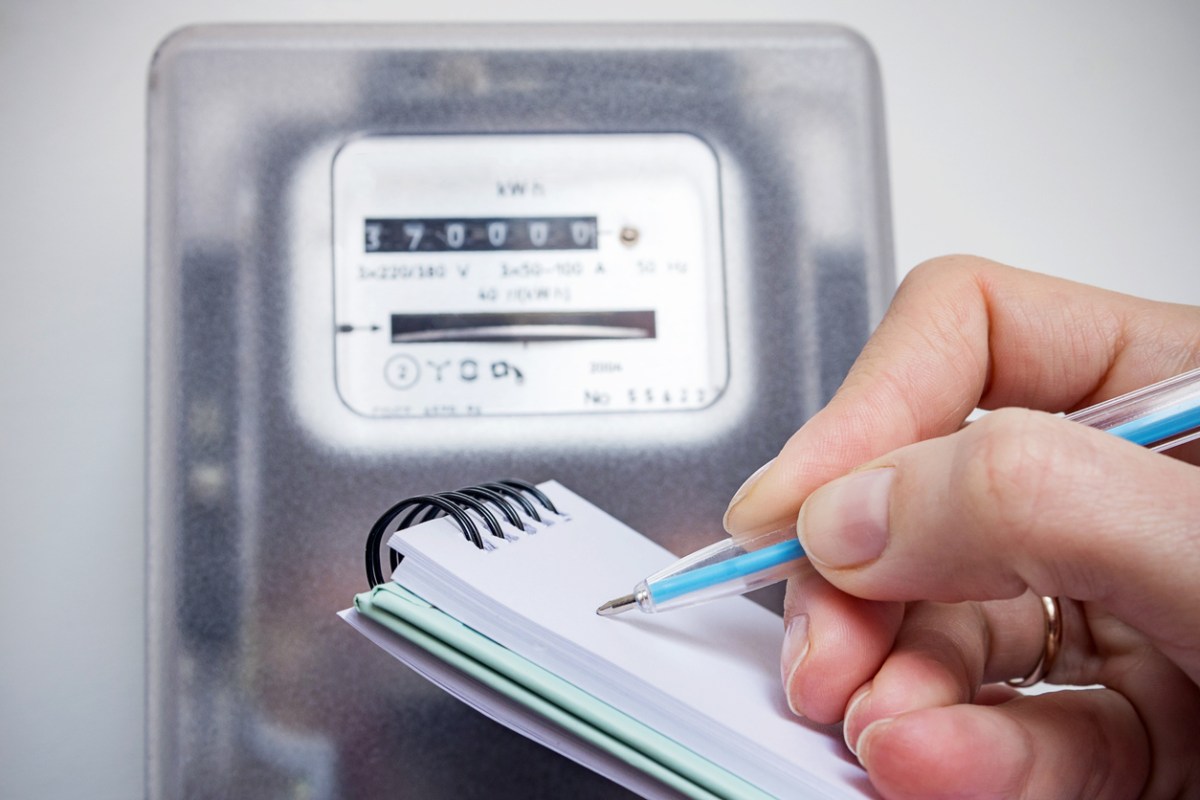
Check your meter when major appliances are off. If usage still appears high, call your utility or a licensed electrician. Ask HVAC technicians to verify that emergency heat is not stuck on. If you rent, contact the landlord or property manager and request an inspection.
How to Troubleshoot a High Electric Bill Step by Step
Start with the bill itself. Compare this month with the same month last year. Look at total kWh, average daily kWh, rate per kWh, billing days, delivery charges, and any new fees. This tells you whether you are using more electricity, paying more per unit, or both.
Next, check the biggest energy users. Review thermostat settings, HVAC filters, water heater temperature, dryer vent airflow, refrigerator seals, and any portable heaters or AC units. Then look for hidden usage: extra refrigerators, dehumidifiers, pool pumps, hot tubs, and standby electronics.
Finally, use data. Many utilities provide hourly or daily usage charts online. A spike at 6 p.m. may point to cooking, laundry, peak pricing, or EV charging. A constant high baseline overnight may suggest a refrigerator, water heater, pump, or phantom load. The more specific the pattern, the easier the fix.
Quick Ways to Lower Your Electric Bill This Month
If you want fast results, focus on behavior and maintenance before buying expensive upgrades. Adjust the thermostat by a few degrees. Replace dirty filters. Wash laundry in cold water. Air-dry some clothes. Run full dishwasher loads. Use ceiling fans correctly. Turn off lights in empty rooms. Unplug devices you rarely use.
Seal obvious drafts, close blinds during hot afternoons, open curtains for winter sunlight, and keep vents clear. If you are on a time-of-use plan, shift laundry, dishwashing, and EV charging to off-peak hours. These small changes will not make the utility company send you flowers, but they can make the next bill less dramatic.
Experience Notes: What Real Homes Teach About High Electric Bills
In real life, high electric bills are often solved by ordinary detective work, not fancy gadgets. A family may blame the utility company first, only to discover the upstairs thermostat has been set to 68 degrees all summer because one bedroom gets hot. Another household may think their refrigerator is fine until they notice it runs nonstop and the door gasket no longer seals. A renter may assume winter rates are the issue, then learn that electric baseboard heat was left on in a storage room nobody uses.
One of the most useful habits is comparing kWh instead of reacting only to the dollar amount. For example, imagine your bill rises from $140 to $190. That feels like a household emergency. But if usage stayed the same and the rate increased, your strategy is different: review your plan, call the utility, and check for better rate options. If usage jumped from 800 kWh to 1,200 kWh, the problem is inside the home. That is when you inspect equipment, schedules, and habits.
Another practical lesson is that comfort appliances are sneaky. A space heater in a home office can feel harmless because it is small, cute, and looks like it should cost about twelve cents to run. But if it runs for hours every day, it can make a noticeable difference. The same goes for a dehumidifier in the basement, a mini fridge in the garage, or a portable AC unit in a guest room. These devices are not bad; they just need timers, settings, and boundaries. Basically, they need parenting.
Many homeowners also underestimate air leaks. A small gap around an attic hatch, a leaky duct, or a poorly sealed window can make the HVAC system run longer every day. You may not notice the leak as a dramatic draft. Instead, you notice one room is always uncomfortable, the system cycles constantly, and the bill creeps upward. Weatherstripping, caulk, attic insulation, and duct sealing may sound boring, but boring fixes often save the most money.
The best experience-based advice is to investigate in layers. First, read the bill. Second, check the thermostat and HVAC. Third, inspect water heating and laundry habits. Fourth, unplug or control standby electronics. Fifth, look for forgotten equipment. If the bill is still strange, bring in the utility, landlord, HVAC technician, plumber, or electrician. Do not ignore a sudden unexplained spike. Sometimes the culprit is not your behavior; it is a failing part, a stuck control, or a billing issue that needs correction.
Conclusion
A high electric bill can be frustrating, but it is usually explainable. The most common reasons include extreme weather, heating and cooling demand, water heating, old appliances, air leaks, phantom loads, rate changes, peak pricing, longer billing cycles, and lifestyle changes. The smartest approach is to separate price from usage, then work through the biggest energy users first.
You do not have to fix everything in one weekend. Start with the easy wins: adjust the thermostat, replace filters, seal obvious leaks, reduce standby power, and shift heavy appliance use away from peak hours. Then consider bigger upgrades such as insulation, efficient appliances, smart thermostats, or a heat pump water heater when the timing and budget make sense.
Note: Electricity bills vary by home size, climate, utility rate plan, appliance condition, and household habits. Use this guide as a practical starting point, and contact your utility or a licensed professional if your bill rises suddenly without a clear reason.