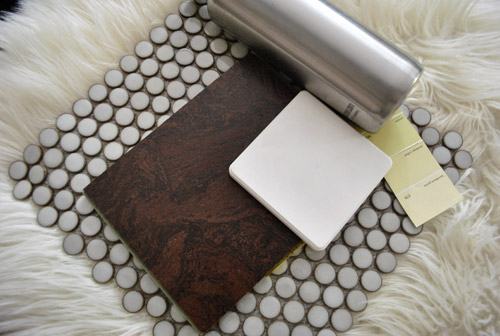
Choosing a kitchen backsplash sounds simple until you are standing in a tile aisle, holding six samples, questioning your personality, your budget, and whether “soft white” is actually different from “warm cloud.” We went into our kitchen refresh thinking we would choose something safe, flat, and predictable. Subway tile was the obvious candidate. Slab stone was the elegant one. Peel-and-stick was the tempting “we could finish this by dinner” option. Then penny tile walked in with its little round face and made the whole decision unexpectedly charming.
So, why did we choose penny tile for our kitchen backsplash? Because it gave us the rare combination we wanted: texture without chaos, vintage charm without looking like a theme restaurant, durability for real cooking, and enough personality to make the wall feel designed rather than merely covered. A backsplash is not just a pretty strip behind the counter. It protects the wall from grease, steam, tomato sauce, coffee splashes, and the occasional pancake batter incident that nobody in this household is ready to discuss publicly.
Penny tile, also called penny round tile, is small, graphic, and surprisingly flexible. It can lean classic, cottage, modern, playful, or quietly luxurious depending on the color, finish, grout choice, and surrounding materials. In our kitchen, it became the detail that softened all the straight lines from the cabinets, counters, appliances, shelves, and windows. Basically, the kitchen had enough rectangles. It needed circles.
What Is Penny Tile?
Penny tile is a small mosaic tile, traditionally round and usually about three-quarters of an inch to one inch in diameter. Most modern penny tiles come mounted on mesh sheets, which makes installation more manageable than placing hundreds of tiny circles one by one. Thank goodness, because that would turn a backsplash project into a character-building wilderness retreat.
Historically, penny rounds were often made from porcelain and used on floors in early twentieth-century homes, bathrooms, entryways, and commercial spaces. Their compact size made them practical for curves, borders, and patterns. Today, penny tile is available in porcelain, ceramic, glass, marble, metal, and mixed-material mosaics. For a kitchen backsplash, glazed ceramic and porcelain penny tiles are among the most practical choices because they are durable, easy to wipe down, and resistant to everyday splashes when paired with the right grout and sealer.
Why Penny Tile Worked Better Than Subway Tile For Us
Subway tile is a classic for a reason. It is affordable, easy to understand, easy to clean, and almost impossible to make look completely wrong. But in our kitchen, subway tile felt a little too expected. We already had simple cabinet fronts, clean counters, and a restrained color palette. Adding another grid of rectangles would have been fine, but “fine” was not the dream. “Fine” is what you say when someone asks how your dentist appointment went.
Penny tile gave us a softer visual rhythm. The round shape brought movement to the backsplash without needing a loud pattern. From a distance, it reads as texture. Up close, it has detail. That balance was important because the kitchen is open to other parts of the house. We wanted the backsplash to be interesting enough to notice but calm enough to live with every day.
The Shape Softened The Kitchen
Kitchens are full of hard lines: cabinet rails, drawer fronts, countertop edges, appliances, range hoods, windows, shelves, and tile layouts. Penny rounds interrupt that boxy geometry. The backsplash suddenly feels less stiff, as if the kitchen remembered it was allowed to have a little fun.
The Scale Added Texture Without A Busy Pattern
Small tile can become overwhelming if the color contrast is too high or the grout lines are too bold. We avoided that by choosing a tile and grout combination that stayed close in tone. The result is subtle texture, not polka-dot panic. This is one of the biggest lessons with penny tile backsplashes: the grout color is not a background detail. It is part of the design.
The Practical Reasons We Chose Penny Tile
Looks matter, but kitchens are working rooms. A backsplash has to survive cooking, cleaning, moisture, heat near the range, and regular contact with oils and sauces. Penny tile made sense for us because we selected a durable glazed tile and planned carefully around grout maintenance.
Porcelain And Ceramic Are Kitchen-Friendly Materials
Glazed porcelain and ceramic tiles are popular for kitchens because they are hard-wearing, water-resistant, and easy to clean. Porcelain is especially dense and has very low water absorption, which helps it resist stains and moisture. Ceramic can also work beautifully on walls, especially when glazed. For a backsplash, where the surface is vertical and not walked on, both materials can be practical choices when installed correctly.
We leaned toward a glazed penny tile because the surface would be easier to wipe after cooking. A backsplash behind a stove or sink sees plenty of action, from pasta water steam to tiny oil droplets that somehow travel like they own passports. A smooth glazed surface helps keep cleanup simple.
Mesh Sheets Made The Tiny Tiles Manageable
Modern penny tile usually comes on mesh-backed sheets, often close to 12 inches by 12 inches. That matters because it keeps the circles evenly spaced and speeds up installation. The trick is making sure the seams between sheets do not become visible. If sheets are installed too rigidly, you can sometimes see square outlines in the finished wall. Not cute. The goal is “beautiful mosaic,” not “spreadsheet made of dots.”
To avoid that, each sheet needs to be checked, adjusted, and sometimes trimmed so the spacing looks natural. Penny tile rewards patience. It is not the tile you slap up while eating a sandwich with your other hand.
It Covered Small Wall Imperfections Gracefully
Because penny rounds are small, they can visually forgive slight irregularities better than some larger-format tiles. Large tiles need a very flat surface because lippage and unevenness are easier to see. Penny tile still needs proper wall preparation, of course, but its mosaic format can be helpful in older homes where walls have a little personality. And by personality, we mean “why is this corner doing that?”
The Big Penny Tile Question: What About All That Grout?
Let’s be honest. Penny tile has more grout than larger tile. That is the main concern, and it is a fair one. More grout lines mean more places for grease, dust, and splashes to settle. In a kitchen, grout choice can make or break the project.
We chose penny tile only after accepting that grout was not a tiny technical detail but a major part of the decision. The wrong grout color could make the backsplash look too busy. The wrong grout type could create cleaning headaches. The wrong installation could leave uneven joints that draw the eye for all the wrong reasons.
Matching Grout Creates A Softer Look
For a calm kitchen backsplash, matching or near-matching grout is usually the safest route. White tile with soft white grout creates a clean, continuous surface. Gray tile with warm gray grout feels subtle and sophisticated. A high-contrast grout, such as black grout with white penny tile, can be stunning, but it emphasizes every single circle. That can look graphic and vintage, but it can also become visually loud in a small kitchen.
We wanted texture more than contrast, so we kept the grout close to the tile color. The circles are visible, but they do not shout. They speak in a charming indoor voice.
Stain-Resistant Grout Is Worth Considering
In a kitchen, stain-resistant grout is not a luxury; it is a sanity-preserving strategy. Cement-based grout can be porous and may need sealing. Epoxy and certain ready-to-use grouts offer stronger stain resistance, though they can cost more and may require more careful installation. For a penny tile kitchen backsplash, the grout surface area is larger than with subway tile or slab stone, so upgrading the grout can be a smart investment.
We also planned for sealing where needed. Sealing grout helps protect it from moisture and grease, especially in cooking zones. It does not make grout magically invincible, but it does give it a fighting chance against spaghetti night.
How We Chose The Right Penny Tile Color
Color was the hardest part. Penny tile can look completely different depending on lighting, grout, cabinet color, and countertop material. A sample that looked warm and creamy in the store looked slightly yellow at home. Another looked perfect in morning light and oddly cold at night. Tile samples are tiny drama queens.
We tested samples directly against our cabinets and counters. That step mattered more than any online inspiration photo. A beautiful backsplash in someone else’s kitchen may not work in yours because their light, paint, counters, floors, and cabinet undertones are different. The best kitchen backsplash tile is not the one with the most likes. It is the one that behaves well in your actual room.
White Penny Tile
White penny tile is classic, bright, and flexible. It works with farmhouse kitchens, modern kitchens, cottage kitchens, and traditional kitchens. The danger is choosing a white that clashes with your cabinets or counters. Cool white tile can make warm white cabinets look dingy. Warm white tile can look creamy next to crisp white quartz. Always sample first.
Gray Penny Tile
Gray penny tile can feel soft and modern, especially with matching grout. It pairs well with white cabinets, wood cabinets, black hardware, stainless appliances, and marble-look counters. The key is choosing the right undertone. Some grays lean blue, some lean green, and some lean beige.
Colored Penny Tile
Blue, green, blush, black, and even metallic penny tile can create a statement backsplash. Colored penny tile works best when the rest of the kitchen is restrained. If your cabinets, counters, floor, and lighting already have strong personalities, adding a bold penny tile might turn the room into a committee meeting.
Design Details That Made The Backsplash Feel Finished
A penny tile backsplash is not just about picking a pretty sheet of mosaic. The finishing details matter. Edges, outlets, corners, under-cabinet transitions, and the area behind the range all affect the final look.
Clean Edges
Because penny tile has a rounded pattern, cut edges can look uneven if they are not planned carefully. A trim piece, metal edge profile, or carefully aligned tile edge can help the backsplash look intentional. We wanted the eye to notice the tile, not the places where the tile gave up at the wall edge.
Outlet Placement
Outlets interrupt any backsplash, but they are especially noticeable with small mosaics. Matching outlet covers to the tile, using low-profile covers, or aligning cuts carefully can help them disappear. Well, mostly disappear. Outlets are the kitchen’s unavoidable little wall buttons.
Full-Height Impact
Penny tile can look especially beautiful when extended from counter to upper cabinets or even higher behind open shelving or a range hood. Because the pattern is small, it creates a continuous texture that feels custom. In a small kitchen, a full-height penny tile backsplash can also make the room feel more finished and polished.
Pros And Cons Of A Penny Tile Kitchen Backsplash
Pros
- Timeless charm: Penny tile has vintage roots but still works in modern kitchens.
- Soft texture: The round shape breaks up straight lines and adds movement.
- Design flexibility: It comes in many colors, finishes, and materials.
- Good for backsplashes: A vertical wall application avoids the underfoot texture concerns penny tile can have on floors.
- Works in small spaces: The small scale can make a backsplash feel detailed without overwhelming the room.
Cons
- More grout lines: Penny tile requires more grout than larger-format tile.
- Installation takes patience: Sheet seams and spacing must be handled carefully.
- Grout color is critical: The wrong grout can make the pattern look too busy.
- Cleaning requires consistency: Grease should be wiped before it builds up.
- Not always trend-proof: Certain colors or high-contrast looks may feel more specific over time.
How We Keep Our Penny Tile Backsplash Clean
Our cleaning routine is simple because complicated cleaning routines are where good intentions go to retire. For everyday splashes, we use warm water, a mild dish soap, and a microfiber cloth. For greasy spots, we wipe them sooner rather than later. That one habit makes a huge difference. Fresh grease is annoying; old grease becomes a full-time job with benefits.
We avoid abrasive scrubbers and harsh cleaners because they can damage tile finishes or wear down grout protection. For grout lines, a soft brush and mild cleaner are enough for routine care. If the grout has been sealed, it is still important to clean gently and regularly. Sealer helps protect grout; it does not create a force field.
Who Should Choose Penny Tile For A Kitchen Backsplash?
Penny tile is a great choice if you want a backsplash with personality, texture, and a little vintage spirit. It works especially well if your kitchen has simple cabinets, neutral counters, or a design that needs softness. It is also a smart option if you love mosaic tile but do not want a heavy pattern or decorative motif.
However, penny tile may not be the best choice if you want the lowest-maintenance backsplash possible. A slab backsplash or large-format porcelain tile will have fewer grout lines and faster wipe-downs. If you cook with lots of oil, rarely clean the backsplash, or know grout maintenance will drive you bananas, choose carefully. Beautiful design should improve your life, not add another chore that glares at you while you make eggs.
Our Personal Experience: Living With A Penny Tile Kitchen Backsplash
After choosing penny tile, the biggest surprise was how quickly the kitchen felt more finished. Before the backsplash went up, the wall looked plain and temporary, like the kitchen was still waiting for permission to become a real room. Once the penny tile was installed, the counters, cabinets, hardware, and lighting suddenly felt connected. The small round pattern added a layer of detail that made the whole space feel warmer.
The installation process taught us that penny tile is not difficult in the same way that rewiring a house is difficult, but it is fussy. The mesh sheets make it manageable, yet you still have to watch the spacing. If one sheet is pressed too close to another, the seam can become obvious. If one sheet drifts, the circles look slightly off. Penny tile is adorable, but it is also honest. It will tell on you.
We spent extra time dry-fitting pieces around outlets and edges. That step saved us from awkward slivers and strange half-circles in visible spots. Around outlets, the cuts were more time-consuming than expected because the small tiles do not always land where you politely ask them to. A larger tile might need one clean cut. Penny tile may require trimming multiple tiny pieces and convincing them to behave like a team.
Grouting was the messiest part. There is simply more space to fill between penny rounds. At first, it looked like we had made a terrible life choice and covered the wall in wet cement frosting. Then the haze started wiping away, the circles appeared, and the panic left the room. This is a normal emotional arc for tile projects: confidence, regret, more regret, cautious optimism, snacks, victory.
Living with the backsplash has been easier than expected because we made practical choices at the beginning. The tile surface wipes clean, and the near-matching grout hides minor everyday marks better than bright white grout would have. Behind the range, we clean more often because that area collects the most grease. Around the sink, we wipe water spots when we notice them. The backsplash does not demand perfection, just regular attention.
The best part is how the penny tile changes throughout the day. In morning light, it looks soft and bright. At night, under warm kitchen lighting, the small circles create gentle shadows that make the wall feel textured rather than flat. Guests notice it, but it does not dominate the kitchen. That was exactly what we wanted: a backsplash with charm, not a backsplash auditioning for its own reality show.
Would we choose penny tile again? Yes, with the same rules. We would choose a durable glazed ceramic or porcelain tile, keep the grout color close to the tile color, use stain-resistant grout or seal the grout properly, and hire a careful installer if the wall area were large or complicated. Penny tile is not the absolute easiest backsplash material, but it has a payoff that larger, plainer tile did not give us. It made the kitchen feel personal.
In the end, we chose penny tile because it gave us the right mix of beauty and practicality. It was classic without being boring, playful without being childish, and detailed without being overwhelming. Most importantly, it made us happy every time we walked into the kitchen. And considering how often we walk in there just to open the fridge and stare thoughtfully at cheese, that counts for a lot.
Conclusion
Penny tile was the right kitchen backsplash choice for us because it balanced style, texture, durability, and personality. It softened the straight lines of the kitchen, added visual interest without an aggressive pattern, and gave the room a custom look. The decision did come with practical considerations, especially grout maintenance and installation precision, but planning ahead made those concerns manageable.
If you are considering a penny tile kitchen backsplash, focus on four things: material, grout color, grout performance, and installation quality. A glazed porcelain or ceramic penny tile with stain-resistant grout can be both beautiful and functional. Keep the grout tone close to the tile for a subtle look, or go high contrast if you want a bold vintage statement. Either way, test samples in your actual kitchen before committing.
For us, penny tile turned a plain wall into one of the most loved details in the kitchen. It is proof that small design choices can make a big difference, especially when those small choices are literally hundreds of tiny circles.
Note: This article was created from a synthesis of current U.S. home improvement, tile industry, cleaning, design, and remodeling guidance, rewritten in original language for web publication.