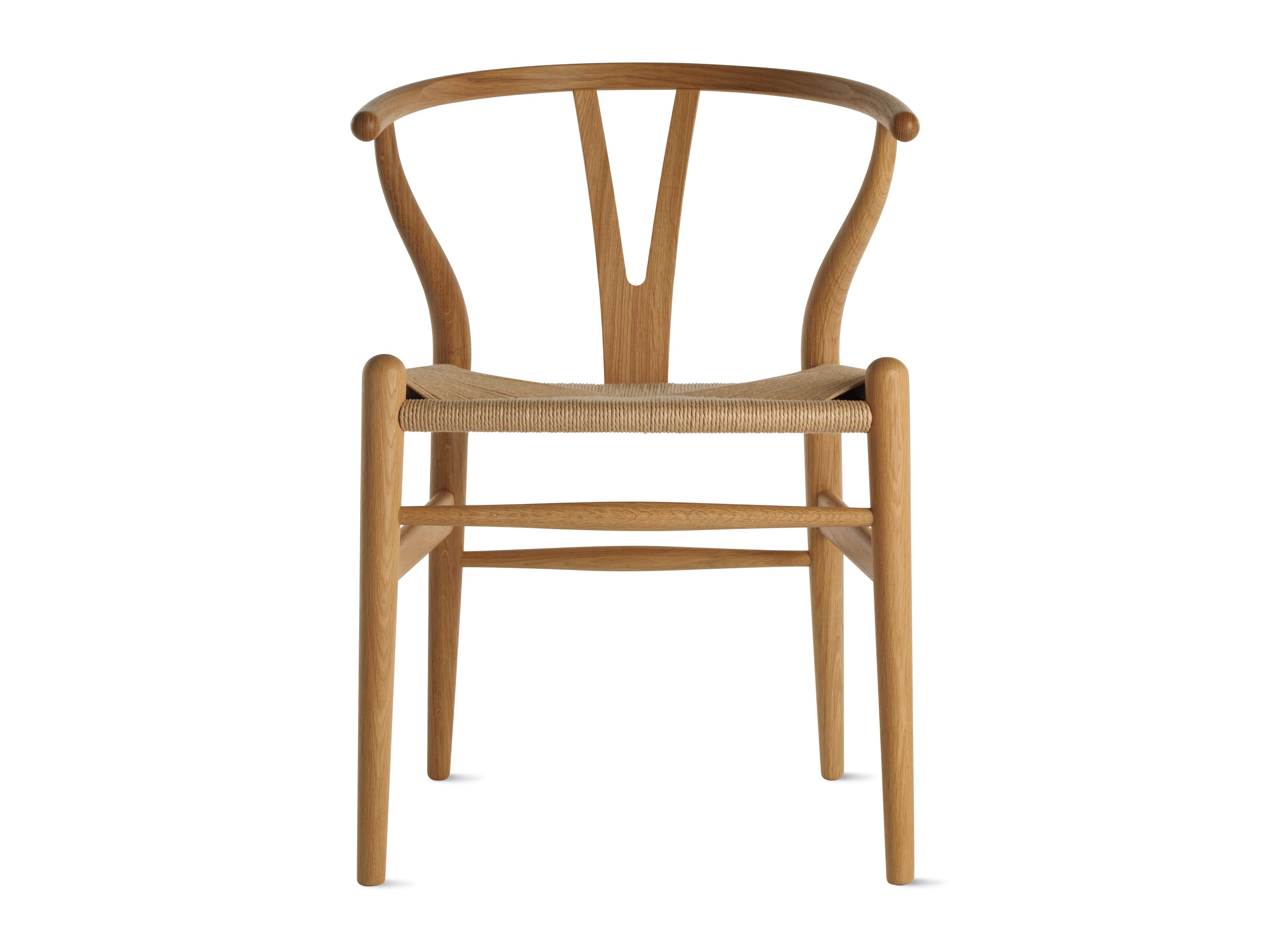
The Wishbone Chair is the kind of furniture piece that makes people suddenly develop opinions about dining chairs. One minute you are just looking for somewhere to sit with your coffee; the next, you are discussing Danish modernism, steam-bent wood, paper cord, and whether your breakfast nook deserves “an icon.” Spoiler: it probably does.
Also known as the CH24 or Y Chair, the Wishbone Chair was designed by Danish master Hans J. Wegner in 1949 for Carl Hansen & Søn. Since its introduction in 1950, it has stayed in continuous production and has become one of the most recognizable chairs in modern furniture history. Its curved top rail, sculptural Y-shaped back, and handwoven seat make it look light, calm, and quietly confidentlike it knows it will still look good long after today’s trendy accent chair has retired to the garage.
What Is a Wishbone Chair?
A Wishbone Chair is a wooden dining chair with a curved, continuous back and armrest, a central Y-shaped support, and a woven paper cord seat. The “wishbone” nickname comes from that graceful Y-shape, which resembles the forked bone people traditionally pull apart after a holiday meal. Unlike many chairs that hide their structure, the Wishbone Chair turns structure into decoration. The back support is not just useful; it is the star of the show.
The original CH24 Wishbone Chair is made by Carl Hansen & Søn in Denmark. It typically features a solid wood frame, a steam-bent top rail, and a handwoven paper cord seat. Modern versions come in different woods, finishes, colors, and seat options, but the classic formula remains the same: simple shape, natural materials, and craftsmanship that does not need to shout.
The History Behind the Wishbone Chair
Hans J. Wegner was often called the “master of the chair,” and that title was not handed out because he made one lucky sketch on a napkin. Wegner designed hundreds of chairs during his career, many of them now considered landmarks of twentieth-century furniture design. The Wishbone Chair is arguably his most famous and commercially successful design.
The chair grew from Wegner’s fascination with Chinese Ming dynasty chairs. In the 1940s, he studied images of Danish merchants seated in traditional Chinese chairs and began simplifying those ideas through a Scandinavian lens. Instead of heavy ornament or thick carved forms, Wegner pursued lightness, comfort, and clarity. The result was not a copy of a Chinese chair, but a respectful evolution: Eastern inspiration filtered through Danish craftsmanship.
In 1949, Wegner began working closely with Carl Hansen & Søn. During a short but productive collaboration, he designed several important chairs, including the CH22, CH23, CH24, and CH25. The CH24 became the Wishbone Chair, and it quickly proved that a dining chair could be practical, sculptural, and warm all at once.
Why the Wishbone Chair Became an Icon
1. The Shape Is Instantly Recognizable
The Wishbone Chair has one of those silhouettes that even non-design people remember. The curved top rail sweeps around the body, connecting the back and arms into one continuous gesture. The Y-shaped back gives visual balance while supporting the sitter. It is elegant without being fussy and minimal without being cold.
2. It Looks Good From Every Angle
Many dining chairs look fine when pushed under a table but awkward from the side or back. The Wishbone Chair is different. Its back view is one of its strongest angles, which matters in open-plan homes where dining areas are visible from the kitchen, living room, or hallway. This chair does not panic when seen from behind.
3. It Balances Craft and Mass Production
The Wishbone Chair is not a purely machine-made object, and that is part of its charm. Production involves more than 100 steps, many completed by hand. The paper cord seat alone takes a skilled craftsperson about an hour to weave, using roughly 120 meters of cord. That combination of repeatable design and human craft gives the chair its enduring appeal.
4. It Works in Many Interiors
The Wishbone Chair is usually associated with Scandinavian interiors, but it is not locked into one design style. It can sit around a farmhouse table, soften a modern glass table, warm up a minimalist kitchen, or bring structure to an eclectic dining room. In other words, it plays well with others, which is more than we can say for some furniture.
Design Details That Make the Wishbone Chair Special
The magic of the Wishbone Chair is in the details. The top rail is steam-bent into a smooth curve, creating both the backrest and arm support. This reduces visual clutter and makes the chair feel open and breathable. The Y-shaped back support is slim but strong, giving the chair its famous identity.
The seat is traditionally woven from paper cord in an envelope pattern. Paper cord may sound delicate, like something you should keep away from toddlers, pets, and anyone eating spaghetti. In reality, high-quality paper cord is strong, stable, and designed for long-term use. It also adds texture, which keeps the chair from feeling too polished or museum-like.
Wood choice also matters. Oak, beech, walnut, and ash each change the chair’s personality. Oak feels classic and versatile. Walnut feels richer and more formal. Painted beech can look crisp, colorful, or playful. A natural cord seat feels relaxed; black cord adds graphic contrast. The shape stays consistent, but the mood can shift dramatically.
Is the Wishbone Chair Comfortable?
Yes, the Wishbone Chair is comfortable for a dining chair, especially considering how light and sculptural it looks. The curved backrest supports the body, while the arm-height rail allows for a relaxed posture. The woven seat has a gentle give that feels more forgiving than a flat wooden seat.
That said, it is still a dining chair, not a recliner. It is designed for meals, conversation, reading, laptop work, and lingering over dessert while pretending you are “just having one more bite.” For very long sitting sessions, some people add a slim seat cushion, especially in home offices or breakfast corners where the chair may be used for hours at a time.
Where to Use a Wishbone Chair
Dining Room
The dining room is the Wishbone Chair’s natural habitat. A set of four, six, or eight chairs around a wood table creates a timeless look. Pairing the chair with a rectangular oak table gives a warm Scandinavian feel, while using it with a marble or metal table creates a more modern contrast.
Breakfast Nook
Because the chair has a light visual profile, it is excellent for small eating areas. It gives a breakfast nook character without making the space feel crowded. Add a round pedestal table, a pendant light, and suddenly your morning cereal feels slightly more architectural.
Home Office
A Wishbone Chair can work at a writing desk, especially if you want a chair that looks beautiful from the living room. For daily eight-hour workdays, an ergonomic office chair may be more practical. But for occasional laptop sessions, letter writing, or “I swear I am working” coffee moments, the Wishbone Chair performs nicely.
Bedroom Corner
Placed near a dresser, vanity, or reading corner, the Wishbone Chair adds warmth without bulk. It is useful for putting on shoes, holding a throw blanket, or supporting the mysterious pile of clothes that every bedroom chair eventually becomes.
How to Style a Wishbone Chair
For a classic Scandinavian look, pair natural oak Wishbone Chairs with a simple wood table, white walls, linen curtains, and warm lighting. Keep the palette soft: cream, tan, pale gray, muted green, and black accents. The goal is calm, not “furniture showroom where nobody is allowed to spill tea.”
For a modern look, choose black or painted Wishbone Chairs and place them around a stone, glass, or dark wood table. Add sculptural lighting and minimal artwork. The Y-back creates graphic rhythm, especially when several chairs are lined up together.
For a farmhouse or transitional space, use natural wood Wishbone Chairs with a rustic table. The curved silhouette softens the heavier table and prevents the room from feeling too chunky. Add a woven rug, ceramic vases, and simple greenery for a relaxed, lived-in effect.
For eclectic interiors, mix Wishbone Chairs with a bench, upholstered end chairs, or vintage pieces. The chair is iconic, but it is not bossy. It can join a layered room without demanding that everything else speak fluent Danish.
Original Wishbone Chair vs. Wishbone-Style Chairs
The authentic CH24 Wishbone Chair is produced by Carl Hansen & Søn. It carries the design heritage, materials, craftsmanship, and construction standards associated with the original. It is also priced as a premium design object, not a casual impulse buy placed between toothpaste and throw pillows.
Wishbone-style chairs are widely available at lower prices. Some are attractive and functional, while others cut corners in wood quality, seat weaving, proportions, or finish. If you choose a reproduction or inspired version, look closely at the curve of the back rail, the thickness of the legs, the quality of the woven seat, and the stability of the frame. A chair that looks similar online may feel very different in person.
For buyers who care about design history, long-term durability, resale value, and authentic craftsmanship, the original is the strongest choice. For budget-conscious decorators, a well-made inspired chair may still deliver the general look. Just be honest about what you are buying: an icon or an echo.
How to Care for a Wishbone Chair
Care is relatively simple. Dust the wooden frame regularly and clean it gently with a soft, damp cloth. Avoid harsh cleaning products, abrasive pads, and chemical sprays. Wood is a natural material, and aggressive cleaning can damage the finish or change the surface over time.
The paper cord seat usually requires little maintenance. If cleaning is needed, use a tightly wrung soft cloth with a mild, neutral soap solution. Do not soak the cord. Paper cord is strong, but it is still a woven natural material, not a waterproof patio cushion. Keep spills, especially oily or deeply colored liquids, under control. Red wine may be charming at dinner, but it is not a design upgrade for natural cord.
To extend the chair’s life, avoid placing it in direct harsh sunlight for long periods, especially if you want the wood tone to age evenly. Use felt pads under the legs if the chair sits on hardwood floors. If the seat eventually wears after many years, professional re-cording can often restore the chair beautifully.
Is a Wishbone Chair Worth It?
The Wishbone Chair is worth it if you value timeless design, craftsmanship, and furniture that can move from home to home without looking outdated. It is not the cheapest dining chair, but it is one of the few chairs that can be described as both practical and collectible.
It is especially worth considering if your dining area is visible from other rooms, because the chair’s back is so attractive. It is also a good choice for people who prefer furniture with natural texture rather than heavy upholstery. The paper cord seat adds warmth without requiring fabric maintenance.
However, it may not be ideal for every household. If you need stackable chairs, fully upholstered softness, or wipe-clean seats for very messy meals, other options may be easier. The Wishbone Chair is durable, but it still deserves reasonable care. It is a chair, not a jungle gym, though children and pets may respectfully disagree.
Buying Tips for a Wishbone Chair
Check the Proportions
The Wishbone Chair has a distinctive balance. The back should look graceful, not bulky. The Y-support should feel centered and refined. Poorly made versions often look slightly awkward, as if the chair tried to remember the original from a blurry photo.
Choose the Right Finish
Natural oak is the safest choice for long-term versatility. Walnut feels elegant and dramatic. Black adds contrast and works well in modern interiors. Painted colors can be fun but may be less flexible if you redecorate often.
Think About Seat Material
Natural paper cord is the classic option. Black paper cord looks sharper and hides some marks better. Leather versions are available in some collections and can feel more formal, though they change the chair’s original texture and personality.
Measure Your Table
Because the Wishbone Chair has arms, make sure it fits under or around your dining table comfortably. Check seat height, arm clearance, table apron depth, and spacing between chairs. Beauty is wonderful, but elbows need diplomacy.
Experiences With the Wishbone Chair: Living With an Icon
The first thing people usually notice about the Wishbone Chair in real life is how light it looks. Photos capture the shape, but they do not fully show the sense of air around it. In a dining room, this matters. Some chairs visually block the table, making the whole setup feel heavy. The Wishbone Chair does the opposite. It frames the table without crowding it, which is why it works so well in apartments, open kitchens, and rooms where natural light is part of the design.
Sitting in one also explains why the chair has lasted so long. The curved back rail encourages a relaxed posture, and the woven seat feels supportive without being stiff. It is not plush, but it has a natural spring that makes it more comfortable than a plain wood seat. During a long dinner, the armrest-like curve gives your body a place to settle. You may not think about it consciously, but your shoulders do. They quietly send a thank-you note.
One practical experience is that the chair changes the mood of a room quickly. Place four natural oak Wishbone Chairs around a simple white table, and the space feels warmer, calmer, and more intentional. Use black Wishbone Chairs around a pale oak table, and the room becomes more graphic and modern. Mix two Wishbone Chairs with a built-in bench, and the dining nook suddenly feels designed rather than assembled from leftovers.
Another real-world lesson: the chair invites touch. Guests often run a hand along the curved back or notice the woven seat before sitting down. That tactile quality is part of its value. It does not rely on loud color or oversized proportions to get attention. It rewards close contactthe smooth rail, the cord texture, the balanced weight when you pull it out from the table.
Maintenance is usually easier than nervous first-time owners expect. Dusting and gentle wiping handle most everyday care. The main adjustment is learning to treat the paper cord seat with common sense. You do not need to panic every time someone eats near it, but you should clean spills quickly and avoid soaking it. In homes with young children, darker cord or a slim cushion may offer peace of mind. In adult dining spaces, natural cord develops a relaxed, honest character over time.
The biggest emotional experience of owning or using a Wishbone Chair is that it feels calm. It does not chase trends. It does not look like it is trying to impress a social media algorithm. It simply belongs. That is rare. Many furniture pieces look exciting for a season and then start whispering, “Remember 2024?” The Wishbone Chair avoids that problem because its design is rooted in proportion, material, and function.
For anyone building a long-term home, that reliability matters. The chair can move from a first apartment to a larger house, from a dining room to a desk, from a kitchen corner to a bedroom. It adapts without losing identity. That is why the Wishbone Chair is more than a pretty seat. It is a small daily luxury, a design lesson, and a reminder that useful objects can still have soul.
Conclusion
The Wishbone Chair remains one of the most beloved pieces of modern furniture because it solves a difficult design puzzle with uncommon grace. It is light but strong, simple but memorable, refined but welcoming. Hans J. Wegner took inspiration from historic Chinese chairs, simplified the form through Danish modern principles, and created a chair that still feels fresh more than seven decades later.
Whether used around a dining table, in a breakfast nook, beside a desk, or as an accent chair, the Wishbone Chair brings warmth, craftsmanship, and quiet sophistication. It is not just a place to sit. It is proof that good design can be practical, beautiful, and surprisingly charminglike a dinner guest who brings dessert and knows when to leave.