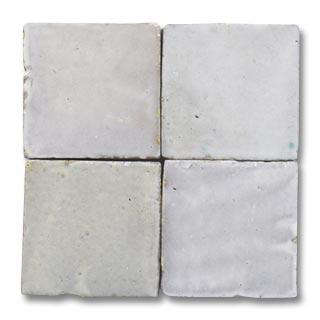
Wood-fired Moroccan ceramic tiles have a way of making a room look like it has lived an interesting life. They shimmer, wobble, glow, and occasionally refuse to behave like factory-made tiles lined up for a military inspection. That is exactly the point. These handmade tilesoften associated with Moroccan zellige, bejmat, and glazed terracottabring texture, warmth, and a deeply human sense of craft into kitchens, bathrooms, fireplaces, patios, fountains, and feature walls.
Unlike mass-produced ceramic tile, wood-fired Moroccan ceramic tiles are shaped by hand, dried, fired, glazed, and finished through processes that leave room for character. Slight color shifts, uneven edges, pooled glaze, tiny surface ripples, and variations in thickness are not flaws. They are the tile equivalent of a good laugh line: evidence that something real happened here.
For homeowners, designers, and builders looking for a surface with soul, Moroccan ceramic tile offers more than decoration. It offers history, craftsmanship, and a material that can turn ordinary light into a small daily performance. In this guide, we will explore what wood-fired Moroccan ceramic tiles are, how they are made, where to use them, how to maintain them, and what it actually feels like to live with them.
What Are Wood-Fired Moroccan Ceramic Tiles?
Wood-fired Moroccan ceramic tiles are handmade clay tiles traditionally produced using artisanal techniques in Morocco, especially in regions known for ceramic craft such as Fez. The term can refer broadly to Moroccan clay tiles fired in traditional kilns, including glossy zellige tiles, rectangular bejmat tiles, and decorative mosaic pieces cut into geometric shapes.
The “wood-fired” part matters because firing is not just a technical step. It affects the personality of the finished tile. In traditional kiln firing, heat can vary from one area of the kiln to another. This produces subtle differences in glaze tone, surface texture, and depth of color. A white tile may lean creamy in one piece and slightly pearl-like in another. A green tile may shift from olive to emerald depending on glaze thickness and firing conditions. If modern porcelain is a printed photograph, Moroccan wood-fired tile is a watercolor painting that still remembers the hand that made it.
The Craft Behind Moroccan Tile
Clay Selection and Preparation
Authentic Moroccan ceramic tiles begin with natural clay. Artisans clean and prepare the clay to remove stones and impurities before mixing it with water. The clay is then kneaded until it reaches a workable consistency. This step may sound simple, but anyone who has ever tried to make a decent pie crust knows that texture is everything. Too dry, and the clay cracks. Too wet, and it slumps like a tired houseplant.
Once the clay is ready, it is pressed or shaped into molds. Traditional zellige tiles are often formed into square blanks, while bejmat tiles are made as longer rectangular pieces. These raw tiles are left to dry naturally before firing. Sun drying helps remove moisture gradually, which reduces cracking during the kiln stage.
Firing, Glazing, and the Magic of Variation
After drying, the tiles are fired to harden the clay. Some tiles are fired once before glazing and then fired again after the glaze is applied. The glaze gives Moroccan ceramic tiles their famous depth, shine, and color movement. Because the tiles are handmade and fired in conditions that are less uniform than industrial production, each piece responds differently.
This is why a finished wall of Moroccan zellige or wood-fired ceramic tile looks alive. The surface catches light at different angles. The glaze pools near edges. The color changes throughout the day. Morning sunlight may make the tile look soft and milky, while evening light turns it richer and moodier. It is basically interior design with a dramatic lighting department.
Hand Cutting and Geometric Patterns
One of the most celebrated Moroccan tile traditions is zellige mosaic work. In classic zellige, glazed ceramic pieces are hand-cut into shapes and arranged into geometric patterns. These designs are often inspired by Islamic geometry, where stars, polygons, and repeating forms create complex visual rhythm without relying on figurative imagery.
Modern interiors often use simpler formats, such as square zellige tiles, subway-style rectangles, or bejmat laid in herringbone, stacked, or brick patterns. Even in simple layouts, the handmade surface keeps the result from feeling flat or predictable.
Why Designers Love Wood-Fired Moroccan Ceramic Tiles
They Add Texture Without Shouting
One reason Moroccan ceramic tiles have become a favorite in American interiors is their ability to add texture without overwhelming a room. A white zellige backsplash, for example, can work in a minimalist kitchen, a farmhouse kitchen, a Mediterranean kitchen, or a modern apartment where the refrigerator is somehow smarter than everyone living there.
The key is the tile’s irregularity. Light reflects differently from every surface. Instead of looking like a plain white wall, a zellige installation creates soft movement. The result feels warm, handmade, and expensive in the quiet waynot the “gold-plated sink shaped like a swan” way.
They Work in Both Old and New Spaces
Wood-fired Moroccan ceramic tiles are rooted in centuries-old craft, but they do not feel stuck in the past. Designers use them in sleek kitchens, spa-style bathrooms, modern fireplaces, courtyard fountains, outdoor garden walls, and boutique hospitality spaces. Their handmade texture balances clean cabinetry, stone countertops, plaster walls, and metal fixtures.
In a historic home, Moroccan tile can feel like it has always belonged. In a new build, it can rescue the space from looking too perfect. Because let’s be honest: sometimes “brand-new” needs a little personality before it starts giving showroom-floor energy.
They Make Color Feel Natural
Moroccan ceramic tile is especially beautiful in earthy and mineral-inspired colors. Think bone white, sand, terracotta, sage, olive, deep green, sky blue, charcoal, honey, and clay red. The handmade glaze softens bold colors, making them easier to live with. A glossy emerald backsplash might sound dramatic, but in zellige, the variation breaks up the intensity and gives the surface depth.
Neutral colors are equally powerful. Cream, white, beige, and pale gray Moroccan tiles can be subtle from a distance and fascinating up close. This is why they are popular for backsplashes and bathrooms: they deliver texture without forcing the rest of the room into a design wrestling match.
Best Places to Use Wood-Fired Moroccan Ceramic Tiles
Kitchen Backsplashes
The kitchen backsplash may be the most popular place to use Moroccan ceramic tile. Zellige and glazed Moroccan tiles handle splashes well when properly installed and sealed where needed. Their reflective finish brightens the space, especially under cabinet lighting.
For a timeless look, use square white zellige from countertop to upper cabinets. For a bolder design, try deep green, smoky blue, or terracotta behind open shelving. If your kitchen is small, glossy tile can help bounce light around the room, which is helpful when your kitchen has one tiny window and the emotional range of a shoebox.
Bathrooms and Showers
Moroccan ceramic tiles are excellent for bathroom walls, shower surrounds, vanity backsplashes, and tub niches. Their uneven surface gives bathrooms a spa-like, handcrafted quality. In showers, proper waterproofing behind the tile is essential. Tile is the pretty jacket; the waterproofing system is the responsible adult underneath.
For shower floors, choose carefully. Some glazed Moroccan tiles can be slippery, especially in larger formats. Smaller mosaic pieces or textured matte options may provide better grip because more grout lines can improve traction. Always check suitability with the supplier and installer before using any tile on a wet floor.
Fireplaces
A fireplace surround is a perfect stage for wood-fired Moroccan ceramic tile. The material’s heat-resistant qualities and luminous glaze create a strong focal point. White or cream tiles offer understated elegance, while deep green, black, or cobalt can turn the fireplace into the room’s main character.
For a modern look, use rectangular Moroccan tiles stacked vertically. For a traditional feel, consider geometric mosaic patterns or warm terracotta tones. Either way, the tile will catch firelight beautifully, which is the closest your living room may ever get to poetry without someone reading aloud.
Outdoor Walls, Fountains, and Courtyards
Moroccan tile has a long relationship with courtyards, fountains, and garden spaces. Glazed ceramic tiles can bring color and reflection to outdoor walls and water features. However, climate matters. In freeze-thaw regions, handmade clay tiles may not always be the best outdoor choice unless specifically rated for that environment. Water absorption, installation method, and local weather conditions all play a role.
In warmer climates, Moroccan tiles can create stunning patios, pool accents, outdoor kitchens, and fountain surrounds. Pair them with limewash, stucco, natural stone, olive trees, or drought-tolerant plants for a look that feels relaxed and architectural.
Installation Tips for Moroccan Ceramic Tiles
Hire an Installer Who Understands Handmade Tile
Installing wood-fired Moroccan ceramic tiles is not the same as installing machine-cut porcelain. Handmade tiles vary in thickness, shape, and edge alignment. A skilled installer knows how to sort, blend, and place tiles so the finished surface looks intentional rather than chaotic.
Before installation, open all boxes and mix tiles from different cartons. This helps distribute color variation evenly across the wall or floor. If you install one box at a time, you may end up with accidental color blocks, and not the stylish kind you saw in a magazine.
Expect Irregular Edges and Surface Movement
Moroccan ceramic tile is supposed to look handmade. Slight lippage, uneven edges, and irregular grout joints are part of the material’s charm. The goal is not surgical precision. The goal is balance, rhythm, and a surface that feels crafted.
Some installations use very tight grout joints to emphasize the handmade edges. Others use slightly wider joints, especially on floors or where more slip resistance is needed. The best grout joint depends on the tile type, location, and installer’s recommendation.
Choose Grout Carefully
Grout color can dramatically affect the finished look. A tonal grout that blends with the tile usually creates the most seamless result. High-contrast grout can emphasize irregular edges, which may be beautiful in some designs but too busy in others.
For glossy zellige, many designers prefer grout that visually disappears. This lets the glaze and texture take center stage. In wet areas, grout selection should also consider durability, stain resistance, and maintenance.
Maintenance and Care
Glazed Moroccan ceramic tiles are generally easy to clean. Use a mild cleaner, warm water, and a soft cloth or sponge. Avoid abrasive pads, harsh acids, and aggressive cleaning products that can damage grout or dull the glaze. The tile may look ancient and romantic, but it does not want to be scrubbed like a cast-iron pan after a camping trip.
Some handmade tiles may need sealing, especially unglazed terracotta, crackle glazes, or tiles used in wet areas. Always follow the supplier’s instructions. In kitchens, wipe up oil and acidic splashes promptly. In bathrooms, good ventilation helps protect grout and reduce soap buildup.
Design Ideas for Wood-Fired Moroccan Ceramic Tiles
Classic White Zellige Kitchen
A white zellige backsplash is popular for good reason. It pairs with almost everything: oak cabinets, painted cabinets, marble counters, soapstone, brass fixtures, stainless steel appliances, and open shelving. The white glaze keeps the room bright, while the handmade surface prevents it from feeling plain.
Earthy Terracotta Bathroom
Terracotta Moroccan ceramic tiles bring warmth to bathrooms that might otherwise feel cold. Use them on a vanity wall, shower niche, or floor if the tile is suitable for that use. Pair terracotta with plaster walls, aged brass, cream linens, and natural wood for a relaxed, sun-baked mood.
Deep Green Fireplace Wall
Green Moroccan tiles are rich, timeless, and incredibly photogenic. A deep green tiled fireplace can anchor a living room and pair beautifully with walnut furniture, linen upholstery, black metal accents, and vintage rugs.
Blue Courtyard Fountain
Blue glazed Moroccan tile feels especially at home around water. Use it for a fountain, outdoor shower wall, or pool accent in climates where the tile is appropriate. The glaze will reflect sunlight and movement, creating a surface that feels alive even when everything else in the yard is pretending to be low-maintenance.
Buying Tips: What to Know Before You Order
When shopping for wood-fired Moroccan ceramic tiles, order samples first. Photos can show general color, but handmade glaze changes dramatically with lighting. A tile that looks bright white online may appear creamy in your kitchen. A blue tile may look calm in daylight and moody under warm bulbs.
Order extra material for cuts, breakage, and future repairs. Handmade tile often has natural variation, and matching a batch years later can be difficult. Many professionals recommend ordering at least 10 to 15 percent overage, with more for complex layouts or mosaic patterns.
Also confirm whether the tile is suitable for your intended use. Wall tile, floor tile, shower tile, fireplace tile, and exterior tile each have different performance requirements. Ask about sealing, slip resistance, water exposure, freeze-thaw suitability, and recommended grout spacing before committing.
Common Mistakes to Avoid
The biggest mistake is expecting Moroccan ceramic tile to behave like machine-made porcelain. If you want perfectly flat, identical tiles with razor-straight grout lines, this may not be your material. Moroccan tile is for people who appreciate variation, reflection, and craft.
Another mistake is hiring an installer with no handmade tile experience. Even beautiful tile can look awkward if installed without proper blending and planning. Finally, do not skip samples. Moroccan tiles can change personality under different lighting conditions, and you want to meet that personality before inviting it permanently into your kitchen.
Experiences With Wood-Fired Moroccan Ceramic Tiles
Living with wood-fired Moroccan ceramic tiles is a different experience from simply admiring them in a showroom. In a showroom, they are beautiful. At home, they become part of the daily rhythm of the space. You notice them when sunlight hits the wall while coffee is brewing. You notice them at night when a small pendant light turns the glaze into little pools of reflection. You notice them when guests walk in and immediately touch the backsplash because apparently humans see shiny handmade tile and temporarily become museum rule-breakers.
One of the most memorable experiences with Moroccan tile is choosing the color. At first, the sample board seems straightforward. White, green, blue, clay, black. Easy. Then you place the samples in your actual room and discover that each tile has a secret life. The white tile beside a north-facing window looks soft and chalky. Under warm kitchen lighting, it becomes creamy and golden. The green sample that looked bold online suddenly feels calm next to wood cabinets. The blue tile that seemed perfect in daylight may become darker and more dramatic in the evening. This is why sampling is not just helpful; it is emotional self-defense.
Installation day can also be an adventure. Handmade tiles arrive with edges that are uneven, surfaces that ripple, and thicknesses that vary. If you are used to factory tile, your first reaction may be mild panic. Do not panic. Or at least panic quietly and offer the installer coffee. Once the tiles are blended and placed together, the irregularities begin to make sense. What looked imperfect in a single piece becomes rich and balanced across the whole wall.
The first few days after installation are usually filled with small discoveries. A corner tile catches light in a way you did not expect. A glaze variation near the sink becomes your favorite detail. A slightly uneven edge that worried you at first starts to feel like proof that the surface was made by people, not printed by a machine with commitment issues. Over time, the tile becomes less of a design feature and more of a companion to the room.
In kitchens, Moroccan ceramic tiles are especially rewarding because they make ordinary routines feel a little more beautiful. Washing dishes is still washing disheslet’s not get carried awaybut the backsplash gives you something lovely to look at while negotiating with a stubborn saucepan. In bathrooms, the effect is quieter and more spa-like. The handmade glaze softens hard surfaces and makes the room feel warmer, especially when paired with natural wood, linen towels, and gentle lighting.
Maintenance is usually less dramatic than people fear. Glazed tiles wipe clean easily with mild soap and water. The real habit to develop is being gentle. Avoid harsh scrubbers and aggressive cleaners. Treat the tiles like a handmade object rather than an indestructible countertop. With basic care, they age gracefully and continue to look intentional rather than worn out.
The best part of living with wood-fired Moroccan ceramic tiles is that they do not become boring. Many materials look exciting at first and then disappear into the background. Moroccan tile keeps changing with light, weather, time of day, and surrounding decor. Move a lamp, change cabinet hardware, add a plant, or repaint the walls, and the tile seems to respond. It is a surface with range. A little diva? Perhaps. Worth it? Absolutely.
Conclusion
Wood-fired Moroccan ceramic tiles bring together history, craft, color, and texture in a way few materials can match. They are not designed for people who want sterile perfection. They are designed for people who appreciate variation, handmade detail, and surfaces that feel alive. Whether used in a kitchen backsplash, bathroom wall, fireplace surround, courtyard fountain, or feature wall, Moroccan ceramic tile adds warmth and artistry that can elevate both traditional and modern interiors.
The secret to success is understanding the material before you install it. Expect irregularities. Order samples. Hire an installer with handmade tile experience. Choose grout thoughtfully. Care for the surface gently. Do all that, and these tiles will reward you with a look that feels timeless, personal, and quietly spectacular.