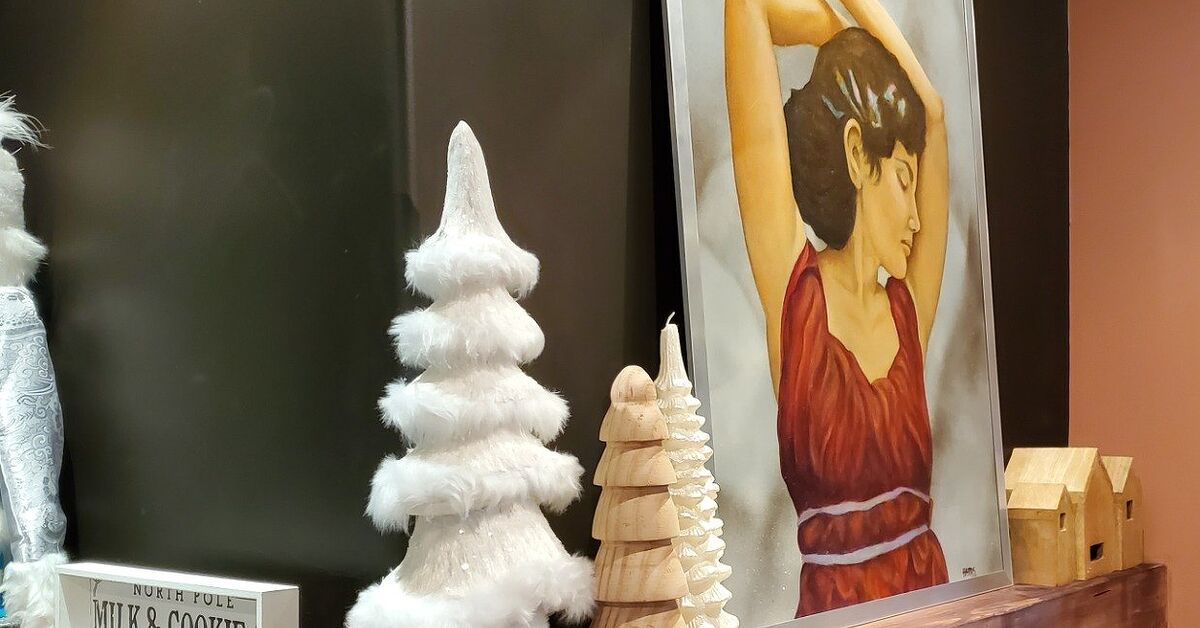
If your fireplace feels a little flat, a wrap around wood mantle can fix that faster than a weekend caffeine binge. It adds shape, warmth, texture, and just enough architectural drama to make a room look thoughtfully designed instead of “we moved in and then got distracted for two years.” Whether your style leans modern farmhouse, rustic lodge, transitional, or clean contemporary, a wood mantel that visually wraps the fireplace creates a custom look that feels grounded and expensive without always requiring a massive remodel.
There is one quick note worth making early: in American home design, the technically correct spelling is mantel, but many homeowners search for wrap around wood mantle. So if you came here through the internet’s spelling detour, welcome. You are still in the right room.
What Is a Wrap Around Wood Mantle?
A wrap around wood mantle is a mantel design that extends visually across the front of the fireplace and often continues around the sides of the surround, columns, or adjacent wall return. Instead of looking like a single shelf stuck above a firebox, it reads as an intentional architectural feature. The result is more depth, more visual weight, and a stronger focal point.
Some versions are chunky and beam-like, giving off rustic cabin energy. Others are cleaner and more tailored, with smooth edges, stained hardwood, and a profile that feels almost furniture-grade. In many living rooms, the wrap around look works so well because it softens the hard surfaces that usually surround a fireplace, such as stone, brick, tile, or painted drywall.
That balance matters. Fireplaces can easily become visually heavy, especially when paired with dark stone or a bulky TV. Wood brings in warmth, natural grain, and a human touch. It says, “Yes, this room is stylish,” but also, “You may absolutely drink tea here while wearing socks that do not match.”
Why Homeowners Love This Style
It Creates a Built-In Look
A wrap around wood mantel feels more custom than a basic floating shelf because it appears integrated into the fireplace wall. Even when the project is relatively simple, the finished look suggests careful planning and better bones.
It Adds Warmth Without Overcomplicating the Room
Wood has a way of making nearly any room feel more welcoming. On a fireplace, that warmth is amplified because the material visually echoes the purpose of the hearth itself. It is cozy without being cheesy, elegant without trying too hard, and timeless enough to survive trend cycles.
It Works With Many Design Styles
A reclaimed beam suits a rustic interior. White oak can feel airy and modern. Walnut brings richness and depth. Painted poplar or MDF can deliver a cleaner, more traditional surround. In other words, the wrap around mantel is less of a single style and more of a flexible design move.
Best Wood Choices for a Wrap Around Mantel
Choosing the right wood matters because a mantel is part design feature, part woodworking project, and part “please do not warp in front of guests.” The best option depends on your budget, finish goals, and how natural you want the grain to look.
White Oak
White oak is a favorite for a reason. It is durable, attractive, and works beautifully in both modern and classic spaces. If you want a wrap around wood mantel that feels high-end without shouting for attention, white oak is a strong choice.
Walnut
Walnut delivers dramatic color and a furniture-like finish. It is especially effective in rooms with lighter walls where the fireplace should feel rich and sculptural.
Cherry
Cherry offers a classic American look and develops a deeper patina over time. It is elegant, warm, and ideal for homeowners who prefer a refined rather than rustic mantel.
Poplar
Poplar is often chosen for paint-grade projects. If you want a wrap around mantel with crisp trim details and a painted finish, poplar is practical and budget-friendly.
Reclaimed Wood
Reclaimed wood brings character in a hurry. Nail holes, saw marks, weathering, and grain variation can make the mantel feel storied and authentic. The trick is using it deliberately so the room feels curated, not like a barn exploded in the living room.
Design Details That Make the Mantel Look Custom
Profile and Thickness
Thicker mantels usually feel more substantial and architectural. Thin mantels can work in minimalist rooms, but a wrap around design generally benefits from enough depth to read as intentional. If the shelf is too skinny, the whole feature can look hesitant, like it is apologizing for being there.
Return Ends
The side returns are what give the wrap around mantel its signature look. These returns visually pull the mantel around the fireplace instead of stopping abruptly at the front edge. That small move makes a big difference in perceived quality.
Clean Grain Direction
Good grain alignment makes the mantel feel crafted instead of assembled. When corners wrap neatly and the grain direction looks intentional, the whole project reads as more polished.
Balanced Scale
The mantel should suit the fireplace opening, wall width, ceiling height, and nearby furniture. A common rule of thumb is to let the mantel extend beyond the firebox area enough to create presence, but not so much that it swallows the wall.
How to Plan a Wrap Around Wood Mantel Before Building
Before anyone cuts wood, buy stain, or develops unearned confidence, plan the project on paper first. A good wrap around mantel depends on proportion and installation strategy as much as appearance.
Measure the Fireplace Carefully
Measure the firebox opening, surround width, hearth depth, adjacent trim, and any stone or tile projections. Also note the ceiling height and the distance to nearby shelves, windows, or built-ins. A mantel that looks perfect in isolation can look awkward once it competes with everything else in the room.
Think About What the Mantel Will Hold
Will you style it with a mirror, framed art, candles, books, or seasonal décor? If yes, plan enough depth for real use. A mantel that looks beautiful but cannot hold anything larger than a single twig has limited career prospects.
Account for the Fireplace Type
Wood-burning, gas, and electric fireplaces each bring different heat and clearance considerations. That means the exact location and projection of the mantel should always be checked against the fireplace manufacturer’s instructions and local requirements. Design comes second to not accidentally creating a problem above open heat.
Installation Basics That Matter More Than People Think
A gorgeous mantel attached poorly is just fancy gravity bait. Secure installation matters.
Acclimate the Wood
Bring the wood indoors and let it adjust to your home environment before installation. Wood naturally responds to humidity, and if you rush this step, you may invite gaps, movement, or minor warping later.
Anchor Into Studs or Suitable Masonry
A wrap around wood mantel needs real support. When mounted to a framed wall, that usually means hitting studs with proper fasteners. When mounted to brick or stone, use the correct masonry method. Drywall alone is not a personality trait and should not be trusted to hold a substantial mantel by itself.
Use a Cleat or Hidden Support System
Many floating mantel designs rely on a cleat or concealed bracket system. This approach helps create a clean, bracket-free look while distributing weight more securely. It also makes the mantel look elegant instead of obviously hardware-dependent.
Stay Level, Plumb, and Patient
Even a beautiful wood species looks amateurish if the mantel slopes like it gave up halfway through the job. Dry-fit components, check your lines, and do not rush the final mounting.
Wood Movement: The Quiet Issue That Separates Great Projects From Future Regret
Wood is not static. It takes on and releases moisture depending on indoor conditions, which means it expands and contracts seasonally. This is one of the biggest reasons some DIY mantels end up with cracks, split joints, or weird little gaps that seem to appear out of nowhere.
If your wrap around wood mantle uses solid wood, allow for movement in the joinery and fastening strategy. Do not over-glue every possible seam as if enthusiasm alone can defeat physics. Smart construction often matters more than extra adhesive.
Engineered components or carefully selected, well-seasoned hardwood can help improve stability. So can good acclimation, thoughtful joinery, and finish coverage on all visible surfaces. In short, the best mantel builders do not just make wood look pretty. They respect the fact that wood is still technically a former tree and occasionally likes to remind people of that.
Choosing the Right Finish
The finish determines whether your mantel looks raw, refined, rustic, dramatic, or oddly orange. Choose with intention.
Clear Finish
If the wood grain is beautiful, a clear protective finish can be enough. Satin is a popular choice because it softens glare while still protecting the surface.
Stain Plus Topcoat
Staining helps deepen the tone and bring consistency to the overall look. A topcoat adds durability and makes the mantel easier to dust and maintain. This is especially useful in high-use family rooms where decor gets moved, bumped, or redecorated every 11 minutes during the holidays.
Painted Finish
A painted wrap around mantel is ideal when the goal is clean architectural contrast. White, black, taupe, and greige remain popular because they are versatile and easy to style.
Whitewashed or Lightly Aged Finish
For homes that lean farmhouse, coastal, or casual transitional, a whitewashed or gently aged finish can keep the mantel from feeling too formal. It also pairs especially well with brick or stone fireplaces.
How to Style a Wrap Around Wood Mantel
Once the mantel is installed, styling brings it to life. The best mantel displays usually start with one anchor piece and build outward with balance, height variation, and texture.
Start With an Anchor
A mirror, large artwork, or a statement object works well as the main focal point. This gives the eye a clear place to land.
Add Weighted Sides
Vases, candlesticks, framed photos, or small plants can balance the composition without making it feel stiff. You do not need perfect symmetry. You need visual confidence.
Use Texture, Not Clutter
Wood already contributes warmth and texture, so the surrounding decor should support that rather than compete with it. A few layered pieces usually look better than fifteen tiny objects that resemble a yard sale with excellent lighting.
Keep Seasonal Décor Under Control
Seasonal updates can be charming, but the mantel should still feel like part of the room rather than a holiday hostage situation. Garland, stockings, and candles are great. A seven-foot inflatable reindeer living on the mantel is a cry for help.
Mistakes to Avoid
Ignoring Heat and Clearance Requirements
This is the big one. Always confirm manufacturer instructions and local code requirements before finalizing placement.
Using the Wrong Fasteners
A heavy mantel deserves proper structure behind it. Decorative confidence is not a fastening system.
Overbuilding the Style
Too much distressing, too many layers, or too many decorative trims can make the mantel feel forced. Let the wood do some of the work.
Skipping Wood Prep
Poor sanding, uneven stain application, or a rushed topcoat can make even premium lumber look underwhelming. Prep is where a “nice idea” becomes a “wow, who did that?” result.
Final Thoughts on the Wrap Around Wood Mantel
A wrap around wood mantel works because it solves several design problems at once. It adds warmth to hard fireplace materials, gives the room a focal point, creates architectural presence, and offers a flexible surface for styling. It can look rustic, tailored, modern, or classic depending on the wood species, finish, and profile you choose.
More importantly, it feels personal. A good mantel does not just fill empty wall space. It frames moments. Family photos. Holiday traditions. Quiet mornings. Dramatic arguments about whether a candle is “too tall for the vibe.” In that sense, a wrap around wood mantel is not just a home upgrade. It is one of those details that makes a room feel lived in, loved, and finished.
Experience Notes: Living With a Wrap Around Wood Mantel
The most interesting thing about a wrap around wood mantle is how quickly it changes the mood of a room once it is actually in use. On paper, it sounds like a design detail. In real life, it becomes part of the daily rhythm of the house. That may sound dramatic for a piece of wood attached to a wall, but spend a week with one and it starts making a suspicious amount of sense.
In many homes, the fireplace exists before the personality does. The firebox may be functional, but the wall around it feels cold, blank, or unfinished. Once a wrap around wood mantel is installed, that same fireplace suddenly feels anchored. The room gains a center of gravity. Guests notice it immediately. They may not say, “Ah yes, excellent return detail and lovely grain continuity,” but they do tend to drift toward it, stand near it, and treat it as the natural focal point of the room.
One of the best practical experiences is how the mantel encourages decorating without demanding constant effort. A simple mirror, a ceramic vase, and a stack of books can make the whole space feel styled. During colder months, the mantel becomes the stage for candles, garland, and tiny rituals that make a house feel more personal. During spring and summer, it can be stripped back and still look complete. That flexibility is part of the appeal. You are not redecorating the whole room. You are simply giving the room a better place to speak from.
There is also a tactile quality people do not always talk about. Painted drywall is fine. Stone is beautiful. Tile can be striking. But wood feels different. Even visually, it brings softness and warmth that balances the harder materials around a fireplace. If the finish is done well, the grain catches light in a way that changes throughout the day. Morning light can make oak look pale and airy, while evening lamplight deepens it into something richer and more intimate.
Homeowners also tend to appreciate the wrap around design more over time because it looks intentional from multiple angles. A front-only shelf can be nice, but the wrap around effect makes the fireplace feel considered from the side, from the sofa, and from the entry into the room. It adds polish without necessarily screaming for attention. It is confident, not needy. Frankly, more design elements should aspire to that.
And yes, there is an emotional side. Mantels collect life. Cards, framed photos, little heirlooms, seasonal touches, and occasionally the random object someone sets down “for now” and then emotionally adopts for six months. A wrap around wood mantel often ends up being more than a design feature because it becomes part of how people mark time in a room. That is why the best ones do not just look good on installation day. They keep earning their place long after the tools are put away.