Note: This publish-ready article is written in standard American English and is based on real small-space organization and home-design practices. Source links are intentionally omitted from the HTML for clean publishing.
A cramped room has a personality. Unfortunately, that personality is usually “laundry chair with trust issues.” Whether you live in a studio apartment, a dorm room, a tiny bedroom, or a guest room that also moonlights as an office, gym, closet, and snack archive, the problem is usually not that the room is too small. The problem is that every inch has not been given a job yet.
The best space-saving solutions do not magically add square footage. They do something better: they make the room behave. They move storage upward, tuck clutter under furniture, turn walls into helpers, and persuade your belongings to stop forming suspicious piles in corners. With the right mix of small room storage ideas, multifunctional furniture, and smart organizing habits, even a room the size of a polite sigh can feel calmer, larger, and easier to live in.
Below are 43 practical, stylish, and realistic space-saving solutions for cramped rooms. No mansion required. No dramatic reality-show makeover. Just clever ideas that make your square footage work harder than your coffee maker on a Monday morning.
Start With the Golden Rule: Declutter Before You Organize
Before buying bins, shelves, baskets, carts, hooks, and that suspiciously adorable storage ottoman, edit what you already own. Organizing too much stuff is like putting a tuxedo on a raccoon: technically impressive, but still chaos underneath.
Sort your room into four categories: keep, relocate, donate, and trash. Keep items that serve your current life. Relocate things that belong in another room. Donate duplicates, “someday” items, and clothes that make you negotiate with your waistband. Toss broken, expired, or mystery objects that have no purpose beyond making drawers feel haunted.
Once the clutter is reduced, every storage upgrade works better. Now the room can breathe, and so can you.
43 Space-Saving Solutions Your Cramped Room Will Thank You For
1. Choose a bed with built-in drawers
A storage bed is one of the smartest small bedroom storage solutions because it uses the largest footprint in the room. Drawers underneath can hold seasonal clothes, bedding, shoes, or extra towels without adding another dresser.
2. Use under-bed storage bins
If your current bed has empty space beneath it, claim that territory. Low rolling bins, zippered fabric bags, or clear lidded containers are great for out-of-season clothing, spare sheets, and items you do not need every day.
3. Add bed risers
Bed risers lift your bed a few inches and instantly create more hidden storage. Use them carefully and make sure they are sturdy, especially if your bed frame is heavy.
4. Install a storage headboard
A headboard with shelves or cubbies can replace a nightstand. It gives books, glasses, chargers, and tiny bedtime essentials a home without stealing floor space.
5. Consider a Murphy bed
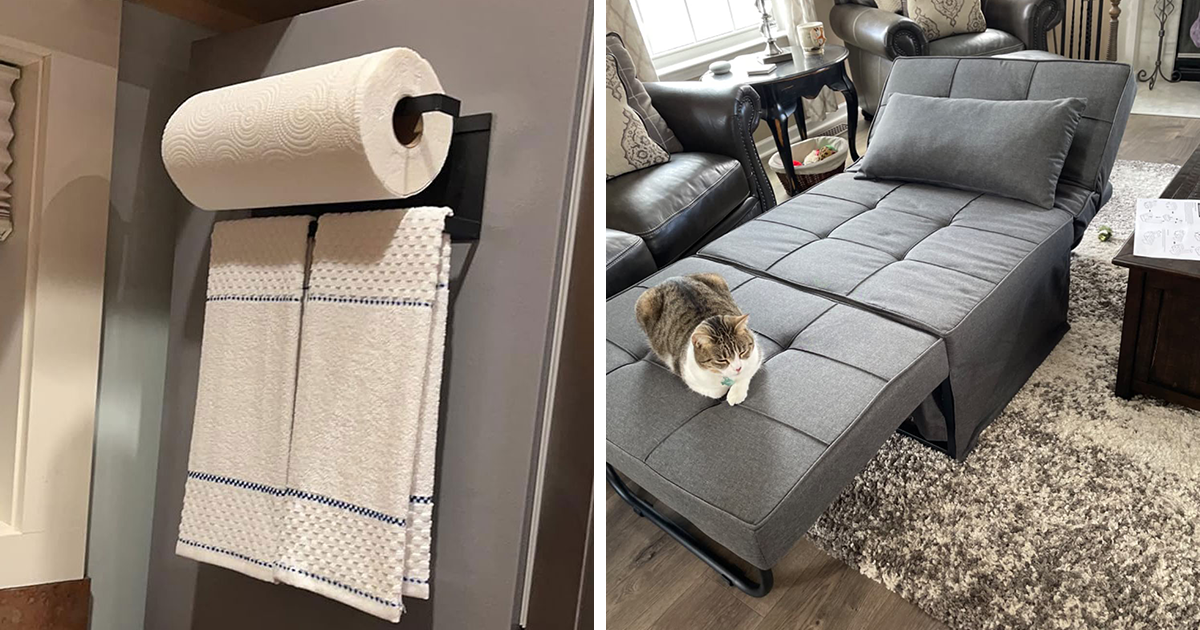
A Murphy bed folds into the wall or cabinet when not in use, making it ideal for studio apartments, guest rooms, and multipurpose spaces. It is a bigger investment, but it can transform a bedroom into a living room or office during the day.
6. Try a loft bed
Loft beds are not just for kids. In a very small room, raising the bed can create space underneath for a desk, reading nook, dresser, or mini lounge area.
7. Use a daybed with drawers
A daybed works beautifully in a guest room or studio because it acts like a sofa by day and a bed by night. Choose one with drawers for bonus storage.
8. Replace bulky nightstands with floating nightstands
Wall-mounted nightstands keep the floor visible, which helps a small room feel less crowded. Even a narrow shelf can hold a phone, book, and lamp.
9. Use wall sconces instead of table lamps
Lamps are lovely, but they hog surface space. Wall sconces or plug-in reading lights free up nightstands, desks, and shelves while adding a polished look.
10. Pick a tall, narrow dresser
When floor space is limited, go vertical. A tall dresser provides more storage without spreading across the room like an overconfident pancake.
11. Switch to slim matching hangers
Bulky hangers waste closet space. Slim velvet or thin uniform hangers help clothes hang closer together and make even a tiny closet look more intentional.
12. Add a second closet rod
If your closet has one high rod and a lot of empty space below shirts and jackets, install a second rod. This instantly doubles hanging space for shorter garments.
13. Use over-the-door organizers
The back of a door is prime storage real estate. Use it for shoes, scarves, accessories, toiletries, cleaning supplies, or small electronics.
14. Add shelf dividers
Shelf dividers keep sweaters, bags, towels, and folded jeans from collapsing into sad fabric landslides. They make vertical stacking cleaner and easier to maintain.
15. Store off-season clothing in vacuum bags
Bulky sweaters, winter coats, and extra blankets can shrink dramatically in vacuum storage bags. Store them under the bed, on a top shelf, or inside luggage.
16. Stack shoes with shoe slots
Shoe slots or stackers let one pair take the vertical space of one shoe instead of the horizontal space of two. This is especially useful in narrow closets.
17. Hang accessories on hooks or rails
Belts, hats, bags, necklaces, and scarves do not need a drawer. A wall rail or row of hooks turns accessories into organized, easy-to-grab decor.
18. Mount a pegboard
A pegboard is flexible storage for desks, craft supplies, beauty tools, kitchen gear, or small accessories. Move hooks and shelves around as your needs change.
19. Install floating shelves
Floating shelves are small room superheroes. They hold books, plants, baskets, framed photos, and everyday essentials without taking up floor space.
20. Use corner shelves
Corners are often ignored, which is rude because they are trying their best. Corner shelves can hold books, plants, toiletries, or decorative storage boxes.
21. Try adjustable track shelving
Track shelving lets you move shelves up or down as your storage needs change. It works well for renters when installed carefully and is especially useful above desks or dressers.
22. Add a fold-down desk
A wall-mounted fold-down desk gives you a workspace when needed and disappears when the workday ends. It is perfect for bedrooms that double as home offices.
23. Use a wall-mounted drop-leaf table
A drop-leaf table can function as a dining spot, craft station, vanity, or laptop desk. Fold it down when you are done and reclaim the walkway.
24. Bring in a rolling cart
A slim rolling cart can serve as a nightstand, craft station, pantry extension, bathroom organizer, or office supply hub. When it gets in the way, roll it elsewhere like a tiny obedient butler.
25. Choose nesting tables
Nesting tables give you extra surfaces only when you need them. Tuck them together when not in use to keep the room open.
26. Use a storage ottoman
A storage ottoman can hide blankets, games, electronics, or off-season accessories while serving as seating, a footrest, or a coffee table.
27. Try a lift-top coffee table
In a studio or small living room, a lift-top coffee table adds hidden storage and creates a raised surface for eating, working, or pretending your sofa is a responsible office chair.
28. Place a storage bench at the foot of the bed
A bench with hidden storage can hold shoes, bedding, bags, or workout gear. It also gives you a place to sit while putting on socks without performing morning gymnastics.
29. Use a trunk as a coffee table
A vintage trunk or modern storage chest adds character and hides bulky items. It works well in bedrooms, studios, and small living areas.
30. Replace a mirror with a mirror cabinet
A wall-mounted mirror cabinet offers reflection and storage in the same footprint. Use it for toiletries, grooming tools, medicine, or small accessories.
31. Add shelves above the toilet or radiator-safe zones
In tiny bathrooms or bedroom corners, vertical shelves above unused areas can hold baskets, towels, and essentials. Always leave proper clearance and avoid heat-sensitive items near radiators.
32. Use door-mounted racks
A door-mounted rack can hold everything from shoes to cleaning supplies. It is one of the easiest space-saving solutions for renters because it often requires no permanent installation.
33. Put drawer dividers everywhere
Drawer dividers keep socks, makeup, cables, office supplies, and jewelry from forming tiny junk jungles. A divided drawer is easier to use and easier to reset.
34. Choose clear lidded bins
Clear bins make it easier to see what you own, which reduces duplicate purchases and frantic digging. Lids allow safe stacking on shelves or under furniture.
35. Store baskets above wardrobes or bookcases
The space above tall furniture can work hard if you make it look intentional. Use matching baskets or labeled boxes for rarely used items.
36. Use a ladder shelf
A narrow ladder shelf adds vertical storage without feeling visually heavy. It is great for towels, books, plants, or folded clothes.
37. Add adhesive hooks
Adhesive hooks are ideal for renters and commitment-phobes. Use them for keys, bags, headphones, robes, hats, and lightweight accessories.
38. Install a cable tray
Cord clutter makes a small room look messier than it is. A cable tray under a desk keeps chargers, power strips, and wires off the floor.
39. Use a monitor stand with drawers
A monitor stand improves desk ergonomics while adding space underneath for notebooks, pens, chargers, and sticky notes that otherwise multiply in the wild.
40. Pick foldable chairs
Foldable chairs are perfect for guests, hobbies, or temporary work setups. Hang them on wall hooks or slide them into a closet when not needed.
41. Use a slim laundry hamper
A tall, narrow hamper fits into tight corners and keeps clothes off the floor. Choose one with a lid if visual clutter makes the room feel chaotic.
42. Create zones with rugs and furniture placement
In a studio or multipurpose room, small zones help the space feel organized. A rug under the bed area or desk area visually separates functions without adding walls.
43. Follow the one-in, one-out rule
Every time you bring in a new item, remove one similar item. This habit keeps your room from slowly turning into a storage unit with throw pillows.
How to Make a Small Room Look Bigger While Saving Space
Storage matters, but visual space matters too. A room can be technically organized and still feel crowded if every surface is packed. To make a small room look larger, keep some empty space on shelves, choose furniture with visible legs, and use mirrors to reflect light. Light wall colors, cohesive bedding, and simple curtains can also reduce visual noise.
Another trick is to keep the floor as clear as possible. The more floor you can see, the more spacious the room feels. That is why floating shelves, wall sconces, mounted desks, and tall storage pieces work so well. They move function upward instead of outward.
Do not forget lighting. A cramped room with one gloomy overhead bulb can feel like a storage closet with rent. Layer lighting with sconces, desk lamps, LED strips, or small floor lamps. When the room is brighter, it feels cleaner, bigger, and less like your laundry is plotting against you.
Small Room Storage Mistakes to Avoid
Buying containers before measuring
Measure shelves, closets, under-bed clearance, and wall space before buying anything. A beautiful basket that does not fit is just clutter wearing a cute outfit.
Using too many open shelves
Open shelves are useful, but too many visible items can make a room feel busy. Mix open display with closed bins, drawers, and cabinets.
Ignoring daily habits
If you drop your keys on the bed every day, add a hook or tray near the door. Good organization follows your real behavior, not the fantasy version of you who folds pajamas at 9:07 p.m.
Keeping furniture that does only one job
In a small room, furniture should earn its keep. A bench should store things. A nightstand should have drawers. A desk should use vertical wall space. One-job furniture is a luxury cramped rooms rarely have.
Real-Life Experience: What Actually Works in a Cramped Room
The most successful small-room transformations usually begin with one uncomfortable truth: the room is not failing you; the system is. Many people try to solve cramped rooms by buying another cabinet, but the cabinet simply becomes a new place for old confusion. The better approach is to watch how the room is used for a few days. Where do clothes land? Where do chargers gather? Which items are used daily, weekly, or almost never? The answers reveal what kind of storage the room actually needs.
For example, a tiny bedroom may not need a bigger dresser. It may need a second closet rod, slim hangers, and under-bed bins for seasonal clothing. A studio apartment may not need a dining table that stays open all day. It may need a wall-mounted drop-leaf table that appears for meals and disappears afterward. A cluttered desk may not need more drawers. It may need a monitor stand, cable tray, and one small tray for the daily essentials.
One of the biggest lessons from small-space living is that “prime real estate” should be reserved for everyday items. The easiest-to-reach drawer should not hold old receipts, mystery batteries, or a scarf from a theme party in 2018. It should hold what you use all the time. Less-used items can go higher, lower, farther back, or under the bed. This single shift makes a cramped room feel more logical almost immediately.
Another practical lesson is that closed storage reduces stress. Open shelving looks gorgeous in photos, but real life includes tangled cords, half-used lotion bottles, backup toothpaste, and socks with unresolved relationship status. Baskets, drawers, lidded bins, and cabinets hide visual clutter while still keeping items accessible. A room feels calmer when not every object is auditioning for attention.
It also helps to create a reset routine. Five minutes at night can save a room from becoming a disaster zone by Friday. Put clothes in the hamper, return cups to the kitchen, place chargers in a tray, close drawers, and clear the bed. This is not glamorous, but neither is stepping on a rogue plug at midnight and briefly seeing your ancestors.
The final experience-based tip is to avoid copying someone else’s perfect room too literally. Your cramped room has its own weird corners, outlet locations, closet limitations, and lifestyle demands. The best space-saving solutions are the ones you will actually maintain. If you hate folding, use bins. If you forget what you own, use clear containers. If you work from bed too often, create a real fold-down desk. If shoes pile up by the door, put storage exactly there. Organization becomes sustainable when it meets you where you are, not where an interior design magazine wishes you lived.
Conclusion
A cramped room is not a life sentence. It is a design puzzle with a dramatic flair. By choosing multifunctional furniture, using vertical space, hiding clutter strategically, and building simple habits, you can turn even the smallest room into a space that feels comfortable, organized, and surprisingly roomy.
Start with one zone: the bed, the closet, the desk, or the door. Add one smart solution, test it, and adjust. Then move to the next zone. Before long, your cramped room will stop begging for help and start acting like it has been to therapy, hired a personal assistant, and finally learned where the socks go.