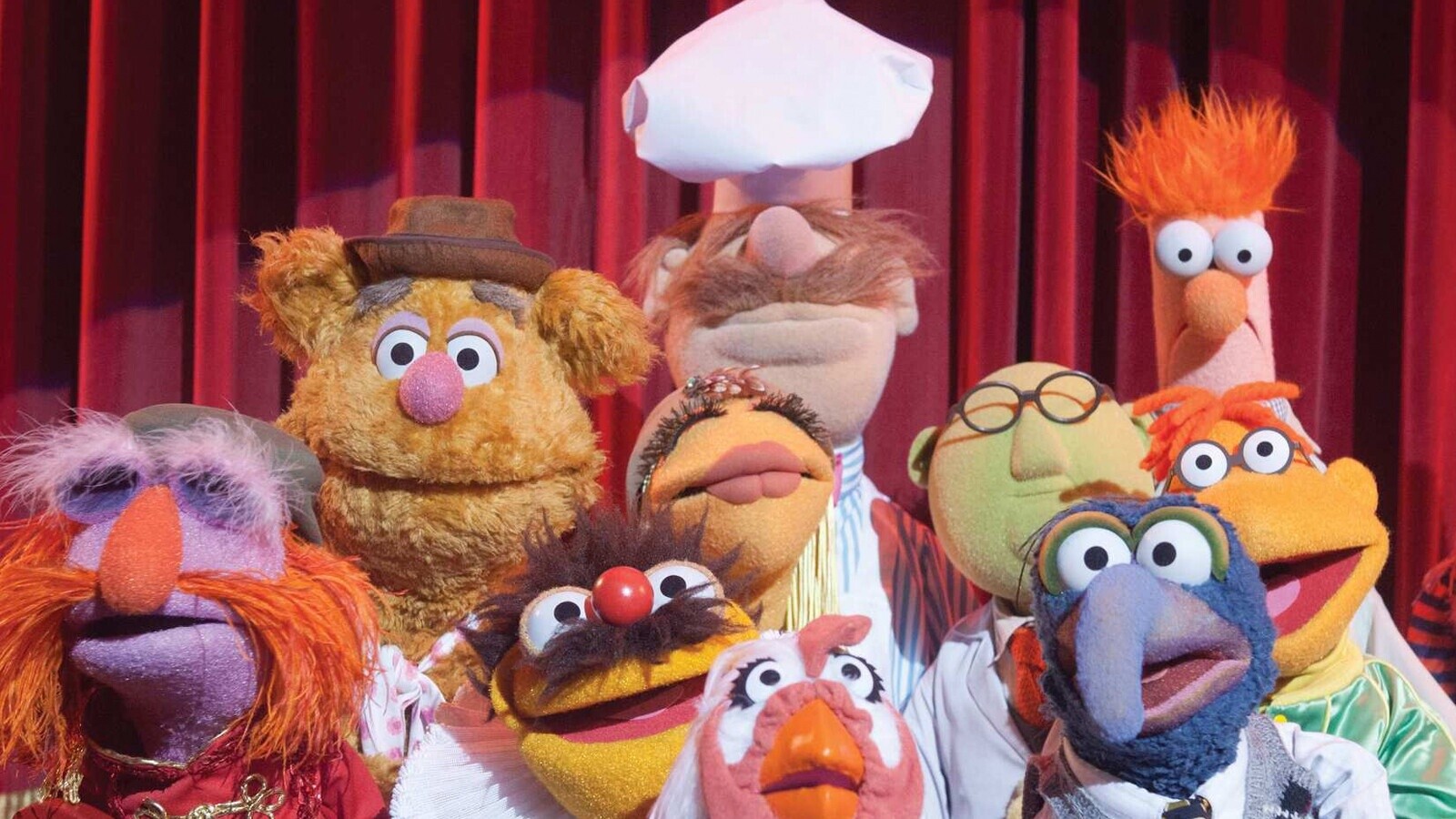
If you spent any part of 2025 looking at the Muppets and thinking, “Wait, why does this feel less like a birthday party and more like an estate sale with better lighting?” congratulations, your instincts were working perfectly. You were not being dramatic. You were reading the room. And the room, in this case, was full of nostalgia, corporate reshuffling, farewell tears, and one giant green frog trying to keep everybody calm while the furniture was being moved.
On paper, 2025 should have been a glorious victory lap for the Muppets. It marked 70 years since Kermit and the gang first hopped into American pop culture. That is the kind of milestone that ought to come with a giant spotlight, a new movie, a sharp TV revival, and at least one absurdly catchy musical number involving chickens. Instead, much of the year felt like a lesson in how beloved franchises can remain famous while still being oddly underused, misplaced, or flattened into “content.”
The result was a strange emotional cocktail for fans: pride in the Muppets’ legacy, sadness over what was lost, cautious curiosity about what comes next, and a recurring suspicion that the people in charge sometimes forget what makes these characters work in the first place. If 2025 left you feeling mournful, annoyed, or weirdly protective of a frog made of felt, you are absolutely not alone.
The Year That Should Have Been a Celebration
Anniversaries are supposed to be easy wins. The Muppets turned 70 in 2025, a milestone rooted in Kermit’s 1955 television debut on Sam and Friends. Disney and related partners did mark the occasion. There were public celebrations, tribute materials, special merchandise, a “Kermit the Frog Day” proclamation, and fresh visibility in the parks. On the surface, that sounds cheerful enough. But the tone of the year never fully settled into genuine momentum. It felt more like a brand reminding fans that the Muppets are important than a studio proving it with major creative investment.
That distinction matters. The Muppets are not just a legacy property that survives on lunchboxes, magnets, and the occasional wink from a corporate presentation. At their best, they are a living comic language: vaudeville chaos, showbiz desperation, emotional sincerity, backstage panic, self-aware disaster, and songs that somehow make the whole mess feel noble. A real anniversary push would have treated them like active stars. Too often, 2025 treated them like treasured wallpaper.
Yes, there were bright spots. Disneyland’s World of Color Happiness! added a Muppets pre-show, which was very on-brand: funny, energetic, mildly unhinged, and delightfully incapable of delivering a simple safety message without turning it into a production. That worked because it understood the assignment. The Muppets are funniest when they are trying, failing, arguing, improvising, and accidentally winning anyway.
But even that pleasant surprise came with a larger truth hanging over the year: most of the big Muppets conversation in 2025 was not about expansion. It was about loss.
Muppet*Vision 3D Closed, and That Hit Fans Hard
If one event defined why 2025 felt so brutal for Muppet fans, it was the closure of Muppet*Vision 3D at Disney’s Hollywood Studios. This was not just another aging attraction finally getting shoved offstage by the next intellectual property parade. This was one of the most emotionally loaded Muppets experiences in the world. It was tied directly to Jim Henson’s legacy, and for many fans, it represented something increasingly rare inside modern corporate entertainment: a physical place where the Muppets’ weirdness still lived on its own terms.
Muppet*Vision 3D was not polished in a sterile, algorithm-approved way. It was chaotic, corny, smart, silly, and gloriously overcommitted to the bit. It had fake theater grandeur, bad ideas executed with total confidence, visual gags, cheap jokes made to feel deluxe, and an entire worldview built on the belief that catastrophe becomes art if enough weirdos stay on cue. In other words, it was deeply Muppet-y.
That is why the closure landed like a punch to the diaphragm for longtime fans. When people said they were sad, they were not just mourning a ride. They were mourning a format, a tone, and a place where the Muppets had not yet been reduced to occasional cameo duty. Worse, the attraction had the kind of pedigree that makes any corporate decision feel especially cold: it was the last project Jim Henson personally worked on before his death.
Why This Was More Than Ordinary Park Nostalgia
Theme park closures happen all the time. Rationally, people know that. Emotionally, this one felt different. The Muppets have spent years in an awkward position: too iconic to disappear, too inconsistently prioritized to truly thrive. So when Muppet*Vision 3D closed, it felt less like a normal update and more like another reminder that the franchise is often easier to honor than to invest in.
Fans showed up accordingly. The final weeks carried the energy of a farewell tour. Long lines, tribute videos, emotional posts, costumes, one-last-ride pilgrimages all of it made sense. Heather Henson attending the final day only heightened the feeling that this was a genuine end of an era, not just a calendar change in a park operations spreadsheet.
And that is where 2025 really twisted the knife: it made Muppet fans grieve during a year that was supposed to celebrate them.
The Replacement Problem: A Promise Now, a Payoff Later
To be fair, Disney did not exactly say, “Goodbye forever, felt people.” The company also positioned the Muppets for a new role by retheming Rock ’n’ Roller Coaster around Dr. Teeth and the Electric Mayhem, with a 2026 opening window. On paper, that sounds like a decent trade: lose one Muppets attraction, gain another.
But emotionally, that was never a one-for-one exchange. Muppet*Vision 3D was a shrine to old-school Muppet comedy and practical theatrical absurdity. A rethemed coaster is a different animal entirely louder, faster, more branded around adrenaline than ensemble wit. That does not make it bad. It just means the replacement does not actually replace what fans feel they lost.
It also did not help that the payoff was delayed. A huge part of why 2025 felt miserable is that fans were asked to surrender something concrete and beloved in exchange for something future-tense. Concept art is not comfort food. A promised 2026 ride is not the same as walking into a theater, hearing the preshow chaos begin, and settling in for a lovingly ridiculous Muppet disaster. Disney may eventually prove the new attraction is a blast. But in 2025, the bargain mostly felt like this: “Please hand over your emotional attachment now, and we will circle back later with speed.”
The Broader Puppet World Was Shaky Too
Strictly speaking, Sesame Street is not the same thing as Disney’s Muppets. Different ownership, different mission, different lane. But culturally, many audiences place them in the same larger Jim Henson-shaped emotional neighborhood: handmade characters, felt sincerity, comic timing, and a sense that puppets can somehow explain humanity better than humans can.
That is why the turbulence around Sesame Street added to the feeling that 2025 was rough for puppet fans generally. The show went through a tense period after Max stopped commissioning new episodes, leaving its future distribution in question before a new arrangement brought season 56 to Netflix and PBS. In the end, that was more rescue than disaster. Still, the vibes were not exactly restful. When the most durable puppet institutions in American entertainment both spend the year feeling commercially precarious, fans notice.
So even if you want to keep the brands separate, the emotional picture is clear: 2025 was not a year of calm confidence for felt-based icons. It was a year of “please remain seated while we figure out the business model.”
The Real Problem: The Muppets Keep Being Treated Like Accessories
The Muppets do not fail because audiences stop loving them. They struggle when companies stop understanding their creative logic. These characters are not just mascots who can be dropped into random situations and expected to generate automatic delight. They need a framework that supports ensemble comedy, musical silliness, backstage desperation, and emotional sincerity that arrives half a second after a terrible pun.
When the Muppets are handled well, they feel timeless. The Muppet Show worked because it was a spectacularly messy machine built around performance. The best films work because they balance irony and earnestness without getting smug. Even smaller appearances can work if they preserve the franchise’s central rhythm: ambition, collapse, improvisation, affection, applause.
What fans felt in 2025 was the exhaustion of watching a legendary property hover between beloved and strategically convenient. The Muppets are constantly visible enough to remind you they matter, but not always prioritized enough to make that matter feel alive. That is a frustrating place to live as a fan. It feels like being told your favorite band is legendary while management keeps booking them for preshow duty and future renovations.
And Yet, There Is Still Hope
The strange thing about the Muppets is that they remain resilient almost by instinct. Even in a bad year, they kept proving why they endure. The 70th anniversary celebrations reminded people how deep the legacy really is. Kermit still carries multigenerational affection like almost no character in entertainment. The Disneyland pre-show showed that short-form Muppet comedy can still sparkle when someone actually writes to their strengths. And by late 2025, Disney finally signaled bigger ambitions again with news of a new Muppet Show special for 2026.
So no, 2025 was not the year the Muppets died. It was the year many fans felt the cost of loving a franchise that remains adored by the public but inconsistently centered by the people who control it. There is a difference, and it matters. One is a funeral. The other is an intervention.
Honestly, that may be the healthiest way to read the year. 2025 was bad not because the Muppets stopped mattering, but because their importance became impossible to ignore. People do not show up in tears for something irrelevant. They do not flood social feeds with tributes for a property they have outgrown. They do not get this worked up over a frog, a pig, a bear, and a whatever-Gonzo-is unless those characters still occupy a very real part of their inner furniture.
What It Felt Like to Be a Muppets Fan in 2025
Being a Muppets fan in 2025 felt oddly like attending a family reunion in a house that was already being measured for demolition. The decorations were up. The speeches were heartfelt. There were anniversary nods, commemorative gestures, and reminders that these characters have meant something to millions for seven decades. But underneath the celebration, there was a low hum of dread. You could feel people looking around and wondering what, exactly, was still permanent.
That emotional contradiction is a big reason so many fans felt rattled. The Muppets are not usually just “content” in people’s lives. They are comfort. They are inherited humor. They are childhood without condescension. They are one of the few franchises that can be ridiculous and tender in the same breath. So when 2025 kept delivering news that felt like downsizing, repositioning, or strategic reallocation, it did not land like ordinary entertainment news. It landed like someone quietly moving the couch in your childhood living room and insisting it was an upgrade.
For many people, the closure of Muppet*Vision 3D became the emotional center of that experience. Even fans who had not visited in years suddenly felt a surprising lump in the throat. That reaction makes perfect sense. The attraction stood for continuity. It suggested that somewhere, somehow, the old Muppet spirit still had a home that had not been entirely polished into sameness. Losing it felt like losing proof.
And then there was the familiar modern frustration: being told not to worry because something else was coming. Fans have heard some version of that before. Reboots are coming. Specials are coming. A new strategy is coming. The Muppets are “still important.” Maybe all of that is true. But 2025 sharpened the difference between being reassured and being nourished. Reassurance is corporate. Nourishment is creative. One says, “Trust us.” The other says, “Here, we made something worthy of them.”
That is why the small bright spots mattered so much. A funny pre-show. A heartfelt public tribute. A reminder that Kermit can still stop people in their tracks with a simple, decent message. These moments were not huge, but they were proof of life. They showed that the Muppets still connect when allowed to be themselves not streamlined, not over-explained, not treated like fragile museum pieces. Just themselves: chaotic, hopeful, musical, insecure, generous, and gloriously unable to stay on script.
So if 2025 made you feel a little silly for caring this much, let me save you the trouble: you were not silly. You were paying attention. What you were feeling was the emotional weight of cultural stewardship. The Muppets have survived because generations of fans understood that behind the jokes is a real artistic inheritance one built by performers, writers, designers, puppeteers, and dreamers who believed handcrafted nonsense could tell the truth better than polished seriousness ever could.
That is why this year stung. Not because everything was ruined, but because the stakes became visible. Fans were not mourning only what was gone. They were defending what still deserves to exist. And maybe that is the hidden silver lining of such a miserable year: it reminded everyone, loudly and unmistakably, that the Muppets are not just an old brand people remember fondly. They are still beloved enough to fight over, grieve over, root for, and demand better for. Honestly, that sounds exhausting. It also sounds like love.
Conclusion
Yes, 2025 has been a terrible year for the Muppets or at least it has felt that way to anyone who values more than surface-level brand maintenance. A 70th anniversary should have been a confident showcase. Instead, fans got a major goodbye, a future promise, and another reminder that legacy alone does not guarantee creative clarity.
But the year also exposed something hopeful: the Muppets still matter enough to make people angry, emotional, nostalgic, and fiercely protective. That kind of attachment cannot be manufactured, and it definitely cannot be replaced with a press release and a tasteful piece of merch. If Disney and its creative partners are paying attention, the lesson is obvious. The Muppets do not need gentle museum handling. They need real projects, real risks, real comedy, real music, and real belief.
Until then, if you have spent 2025 feeling like the Muppets deserved better, you are in very good company. Wocka wocka, unfortunately.