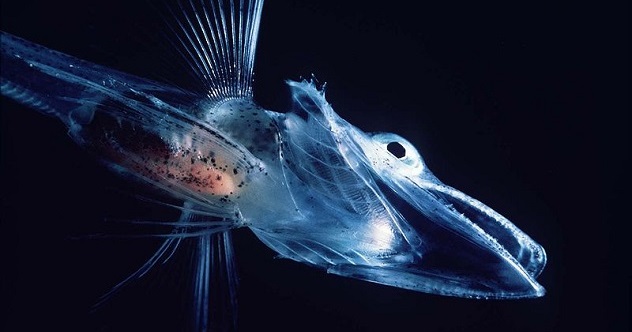
Nature clearly never hired a boring designer. For every perfectly normal squirrel or politely proportioned deer, there is a creature that looks like evolution stayed up too late, drank too much coffee, and said, “What if the nose had tentacles?” The result is a planet full of animals with body parts so strange they can seem made upuntil science steps in and ruins the fun by confirming that yes, the duck-billed mammal is real, and yes, the tiny underground mole really does wear a pink sea-anemone face.
But the weirdness is not random. The strangest animal body features often solve very specific problems: finding prey in muddy water, hiding in seaweed, digging tunnels without eating dirt, or sensing the world in ways humans can barely imagine. In other words, these animals are not odd by accident. They are masterpieces of adaptation with excellent PR problems.
Here are 10 animals with the strangest body featuresand the surprisingly clever reasons those features exist.
Why Weird Animal Anatomy Matters
When people hear “strange body features,” they often think of novelty first and biology second. But evolution is less interested in beauty contests than survival. If a spiraled tooth, leaf-shaped appendage, or independently moving pair of front teeth helps an animal eat, hide, fight, sense danger, or attract a mate, that feature gets a chance to stick around.
That is what makes unusual animal anatomy so fascinating. These creatures are reminders that life does not follow a neat template. Instead, it keeps experimenting. Some designs look elegant. Some look like they were sketched during a thunderstorm. All of them tell a story about how animals meet the demands of their habitats.
1. Platypus: The Bill That Behaves Like a Biological Metal Detector
The platypus already looks like three animals got merged by a mischievous intern: duck bill, otter body, beaver tail. But its strangest feature is still that soft, flat bill. It is not just decorative weirdness. It is a highly specialized sensory tool that helps the platypus hunt underwater when sight and sound are limited.
As the platypus swims, it closes its eyes and ears and sweeps its bill side to side through murky water. The bill contains electroreceptors that detect tiny electrical signals given off by the muscles of prey. That means this animal can track food in conditions where many predators would be functionally guessing. It is less “cute duck face” and more “underwater surveillance equipment with fur.”
Why it is so strange
Most mammals do not locate prey by reading faint electrical cues with their faces. The platypus does. That alone earns it permanent membership in the animal kingdom’s hall of delightful nonsense.
2. Star-Nosed Mole: A Nose That Looks Like Fireworks and Works Like a Super Scanner
If you have never seen a star-nosed mole, imagine a tiny, nearly blind digging mammal whose nose looks like a pink starburst exploded on its face. Around its nostrils are 22 fleshy tentacles, and each one is packed with sensory structures that help the mole identify what it is touching at incredible speed.
This bizarre snout is perfect for a life spent underground and in wet environments where vision is almost useless. The mole rapidly taps surfaces with those sensitive rays, building a detailed picture of its surroundings through touch. In practical terms, it has turned its nose into a high-speed biological scanner. In aesthetic terms, it looks like an unfortunate craft project. Both things are true.
Why it is so strange
Humans use fingertips for fine tactile information. The star-nosed mole outsourced that job to its face and somehow made it work beautifully.
3. Narwhal: The Whale With a Giant Spiral Tooth
The narwhal is often called the “unicorn of the sea,” which sounds like marketing until you see the tusk. That famous tusk is not a horn at all. It is actually a toothusually the left canine tooth in malesthat can grow to astonishing length and spiral straight out from the animal’s head.
For centuries, people argued about what the tusk was for. More recent research suggests it may also have a sensory role, thanks to pores and nerve-rich structures that could help the whale detect environmental changes. Scientists have also observed narwhals using tusks in social interactions and possibly in feeding behavior, so the tooth may serve more than one purpose. That makes the narwhal’s signature feature even better: it is dramatic, practical, and still a little mysterious.
Why it is so strange
It is hard enough to explain normal whale teeth. It is much harder to explain why one tooth decided to become a spiraled lance and then possibly moonlight as a sensor.
4. Axolotl: The Salamander That Refuses to Grow Up
The axolotl looks permanently surprised, and that is partly because it keeps body traits many amphibians lose as they mature. Unlike other salamanders, axolotls stay aquatic and retain feathery external gills into adulthood. In other words, they remain in a larva-like form their whole lives. They are the Peter Pans of amphibians, except pinker and more scientifically useful.
Those feathery gills are not just cute fringe. They are essential breathing structures that help the axolotl function underwater. And then there is the regeneration factor: axolotls can regrow limbs and repair a remarkable range of tissues. That combination of youthful body plan and extraordinary healing ability has made them one of biology’s most famous oddballs.
Why it is so strange
Many animals change dramatically as they mature. The axolotl looked at the standard amphibian life plan and politely declined.
5. Aye-Aye: The Primate With a Nightmare Finger and a Bonus Thumb
The aye-aye is one of those animals that seems custom-built to unsettle anyone seeing it for the first time. Its most famous feature is an extremely long, thin middle finger that can move with eerie precision. The animal taps on wood, listens for hollow spaces that may contain insects, gnaws into the bark, and then uses that finger to fish out grubs. It is basically a tiny, furry percussion expert with lock-picking hands.
As if that were not enough, scientists also identified a thumb-like extra structurea pseudo-thumbthat appears to help the aye-aye grip branches. So this already strange primate has both a skeletal extra helper digit and one of the most specialized foraging fingers in the mammal world.
Why it is so strange
Most primates are known for flexible hands. The aye-aye took that basic idea and transformed it into something between a surgical instrument and a haunted twig.
6. Pangolin: The Mammal Wearing Armor
Pangolins are the only mammals covered almost entirely in true scales. That alone makes them stand out. Instead of fur dominating the body, overlapping keratin scales create a protective coat that feels more like fingernails than hair. When threatened, pangolins can curl into a ball, turning themselves into a prickly, hard-to-bite defensive package.
The scales are light enough not to immobilize the animal but tough enough to provide serious protection. That is a remarkable trick for a mammal, which usually relies on fur, speed, claws, or teeth rather than body armor. Pangolins also have long tongues for feeding on ants and termites, but the scale suit is what makes them instantly unforgettable.
Why it is so strange
Evolution gave mammals fur as the standard uniform. Pangolins arrived in custom armor and never looked back.
7. Peacock Mantis Shrimp: Eyes That Seem to Belong to Alien Royalty
Mantis shrimp are already famous for their powerful strikes, but their eyes may be even stranger than their punch. Their eyes are mounted on stalks and have a split, or bifurcated, structure that allows a single eye to achieve a form of binocular vision. That sounds like a typo, but it is one of the features that makes mantis shrimp vision so extraordinary.
Each eye can independently scan the environment, giving the animal an astonishing amount of visual information. For a predator and alert reef resident, this is a huge advantage. The result is a creature that seems permanently overqualified for basic marine life. If your job description includes “see everything, hit fast, look fabulous,” the mantis shrimp has you covered.
Why it is so strange
Humans need two eyes working together for depth perception. The mantis shrimp found a way to make one eye do a lot of that work on its own, which is both impressive and deeply rude.
8. Leafy Seadragon: The Fish That Disappears Into Salad
The leafy seadragon is one of the ocean’s best examples of camouflage going full theater mode. Its body is decorated with leaf-like appendages and frilly extensions that make it look less like a fish and more like drifting seaweed. In seagrass beds and among marine plants, that disguise can be spectacularly effective.
What makes this feature so fascinating is that the leaf-like structures are about deception, not major propulsion. The animal’s body plan turns it into a floating illusion, helping it avoid predators and stay hidden in vegetation-rich habitats. It is not trying to look streamlined or fierce. It is trying to look like absolutely nothing important.
Why it is so strange
Some fish blend in through color. The leafy seadragon committed so hard to camouflage that it started cosplaying as the scenery.
9. Hammerhead Shark: A Head Built Like a Sensory Airplane Wing
The hammerhead shark’s wide, flattened head is one of the most recognizable shapes in the animal kingdom. It is not just memorable; it is functional. The eye placement on the outer edges improves the field of vision, and the broad head spreads sensory organs across a wider area, helping the shark scan the water more effectively.
That head shape gives hammerheads an advantage when hunting and navigating. A broad platform for vision and sensory input means the shark can gather more information about its environment in real time. It looks extreme because it is extreme. But like many odd animal features, it is basically a very specific engineering solution that happens to look outrageous.
Why it is so strange
Most sharks already look like efficient predators. Hammerheads apparently decided efficiency was not enough and added a full horizontal dashboard.
10. Naked Mole-Rat: Teeth Like Chopsticks, Lips Like Safety Goggles
Naked mole-rats may be best known for looking like wrinkled hot dogs with opinions, but their strangest body features are in the mouth. Their front teeth can move independently, almost like chopsticks, which helps them dig through tough soil. Even more impressively, their lips close behind those large incisors, which keeps dirt out while they excavate tunnels.
That means the naked mole-rat can basically use its teeth as digging tools without turning every tunnel project into an accidental mouthful of mud. Add their nearly hairless bodies, subterranean lifestyle, and colony-based social system, and you have an animal that seems engineered by someone who was told to combine a shovel, a sausage, and a tiny unionized work crew.
Why it is so strange
Most rodents use teeth for gnawing. Naked mole-rats use theirs like construction equipment, complete with built-in debris control.
What These Strange Animal Features Really Tell Us
The strangest animals on Earth are not biology’s mistakes. They are biology’s specialists. Each weird body partwhether it is a spiraled tooth, a face full of touch organs, or a thumb that was apparently added after the draft was already approvedsolves a problem in a way that fits a particular environment.
That is why these creatures are so compelling. They challenge our idea of what an animal “should” look like. They remind us that nature is not aiming for symmetry, elegance, or familiarity. It is aiming for survival. And survival can get wonderfully weird.
So the next time someone says an animal looks ridiculous, remember: ridiculous is often just another word for highly adapted. Also, in the platypus’s case, it is a word that remains fully deserved.
Extended Reflection: What It Feels Like to Encounter Nature’s Weirdest Designs
There is a special kind of experience that happens when you first see an animal with truly strange body features. It is not just curiosity. It is a brief mental traffic jam. Your brain tries to match what it sees with categories it already knows, and suddenly none of those categories seem adequate. A platypus looks like a joke with fur. A leafy seadragon looks like seaweed that developed trust issues. A star-nosed mole looks like something a child would invent and an adult would immediately assume was impossible.
That moment of disbelief is one of the best parts of learning about animals. It reminds you that the natural world is still capable of surprising you, even in an era when people can zoom into satellite maps, livestream aquariums, and ask the internet why salamanders appear to have wizard powers. You do not need to stand in the Arctic beside a narwhal or kneel in a swamp next to a star-nosed mole to feel amazed. Sometimes all it takes is a photograph and five seconds of stunned silence.
What makes the experience even richer is realizing that the weirdness always has a reason. The first reaction might be laughter or disbelief, but the second is usually admiration. The hammerhead’s strange head is not there for drama. The axolotl’s feathery gills are not a decorative accident. The pangolin’s scales are not just stylish armor. Once you understand what these body parts do, the animals stop seeming random and start seeming ingenious.
There is also something humbling about it. Humans tend to think of our own body plan as the default template for success: two eyes, four limbs, tidy proportions, and a strong belief that noses should not have tentacles. But the natural world keeps presenting alternatives that work just fine. Better than fine, actually. Some of these animals are so good at using their strange features that our technology still studies them for inspiration.
Even in zoos, aquariums, museums, documentaries, and wildlife articles, the emotional effect is similar. You begin with amusement, move into fascination, and end with respect. That progression matters. It turns weird animals from novelty acts into ambassadors for evolution, ecology, and conservation. Once people feel genuinely interested in a species, they are more likely to care whether it survives.
And that may be the most meaningful experience connected to this topic. Strange animals are not only entertaining. They are memorable. Their unforgettable shapes pull people in, and then science gives those shapes meaning. A weird body feature becomes a story about survival, habitat, behavior, and adaptation. Suddenly the animal is no longer just “the odd one.” It is a reminder that life on Earth is more creative than our imaginations, and a lot more determined.
In the end, experiencing these animalswhether in person or through careful storytellingfeels a little like being let in on a secret. Nature is not merely full of life. It is full of bold design choices, many of which would never make it past a committee. Thankfully, evolution does not ask for permission.