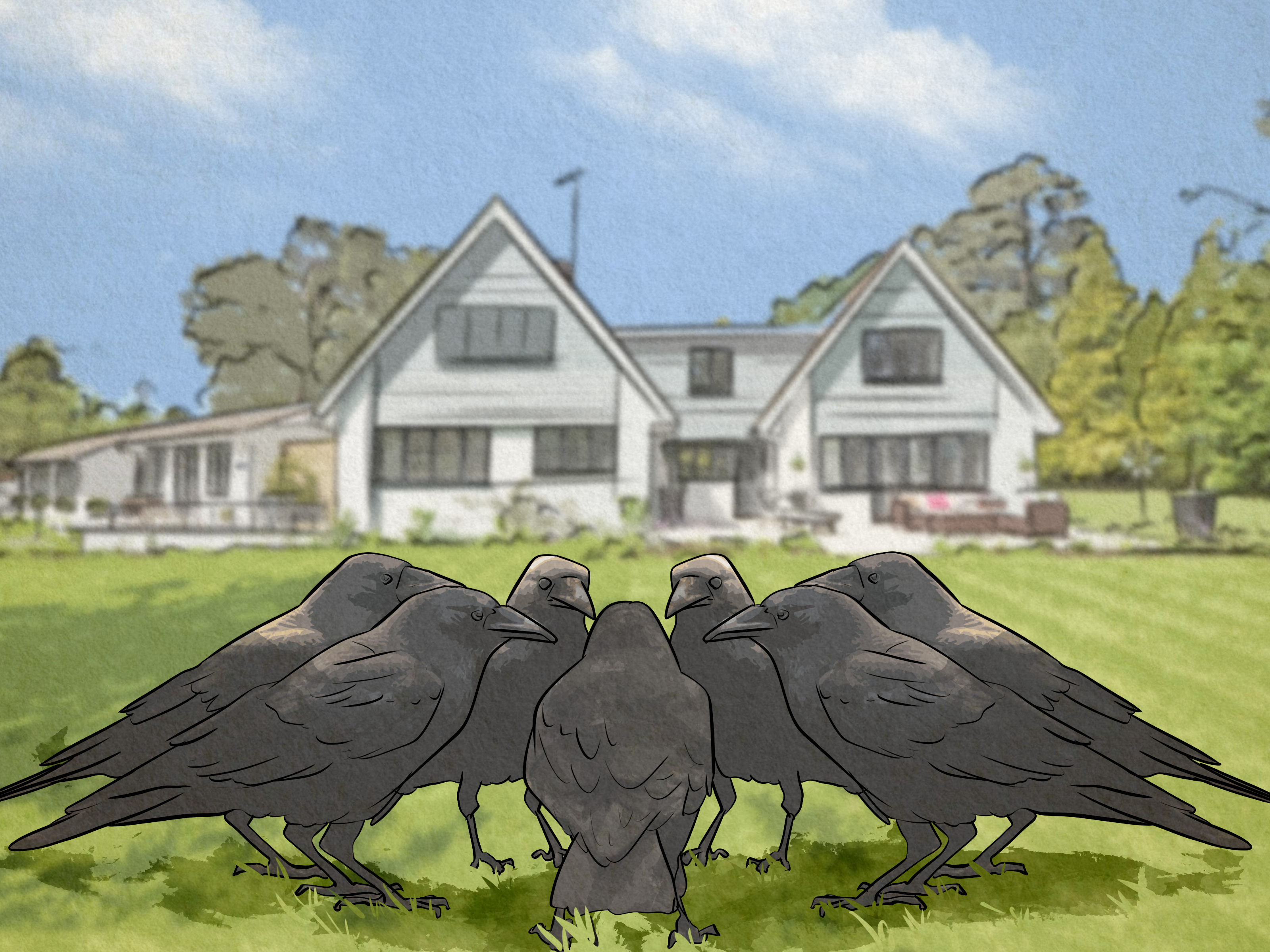
If you have ever locked eyes with a crow and felt like you were being quietly evaluated by a tiny feathered professor, you were probably right. Crows are observant, social, and famously good at remembering faces. That is exactly why so many people want to know how to befriend a wild crow. The good news is that it can happen. The less-good news is that you do not get to fast-track the relationship like a reality dating show contestant with a bucket of peanuts.
Befriending a wild crow is really about building trust through routine, respect, and patience. You are not trying to tame a crow, turn it into a pet, or convince it to sit on your shoulder like a pirate extra. You are simply becoming a familiar, safe presence in its world. Done well, crow friendship can become one of the most fascinating backyard wildlife experiences you will ever have.
This step-by-step guide explains how to attract a crow safely, what to feed a crow in small amounts, how to read crow behavior, and how to avoid common mistakes that can ruin the whole arrangement. Think of it as a practical manual for becoming the calm, reliable human your neighborhood crow reluctantly decides to tolerate, then maybe admire, then maybe stalk in a charming way.
Why Crows Are Worth Getting to Know
Crows are not just random black birds with strong opinions. They are clever, adaptable, and highly social. They often live in family groups, communicate constantly, and notice patterns faster than many people notice their own unread emails. That makes the crow-human relationship especially interesting. A crow may not “love” you in the way a dog does, but it can absolutely learn that you are predictable, non-threatening, and associated with good things.
That is the real secret behind crow friendship: not magic, not mythology, and definitely not waving sandwich bread around like a wizard. It is pattern recognition. Crows are excellent at it. If you behave consistently, give them space, and offer the occasional appropriate snack, they may begin to treat you as part of the landscape. In crow terms, that is high praise.
Before You Start: The Golden Rules
Before getting into the actual steps, set a few ground rules. First, do not try to touch, trap, or hand-feed a wild crow. The goal is respectful interaction, not forced closeness. Second, do not overfeed. Wild crows should stay wild and continue finding most of their own food. Third, keep any feeding area and water source clean. If a bird looks sick or you find a dead bird nearby, do not handle it barehanded. Finally, pay attention to your local environment. If neighbors, pets, or traffic make one area risky, choose another spot.
In other words, you are aiming for trust without dependency, familiarity without chaos, and snacks without starting a full-scale neighborhood crow summit in your driveway.
Step 1: Study the Crows Before You Feed Them
The first step in how to befriend a wild crow is not feeding. It is watching.
Spend several days observing when the crows in your area appear, where they perch, how they move through the neighborhood, and whether they travel alone, in pairs, or in family groups. You may notice that one crow often lands on the same utility wire every morning, or that a small group crosses your yard at nearly the same time each afternoon. That routine matters.
Wild crows feel safest when they can predict what is happening around them. If you learn their schedule first, you can place yourself into that pattern instead of barging into it like a badly timed marching band.
For example, if crows usually pass by your yard around 7:30 a.m., that is a much smarter time to start than randomly showing up at noon with a handful of peanuts and great optimism.
Step 2: Pick One Safe, Quiet Feeding Spot
Choose a consistent place where a crow can see the food, assess the risk, and leave easily if it wants to. An open patch of lawn, the edge of a patio, a fence post, or a flat railing can work well. Avoid spots right next to heavy foot traffic, barking dogs, or busy roads.
Consistency is huge here. If you move the food from the front yard to the back yard to the driveway to the porch steps, the crow may decide you are not dependable. To a crow, unpredictability is suspicious. To a human, unpredictability is usually called “being spontaneous.” To a crow, it is called “absolutely not.”
If possible, pick a spot that lets the crow keep a comfortable distance from you at first. Trust grows faster when escape routes are obvious.
Step 3: Offer the Right Food in Small Amounts
If you are wondering what to feed a crow, keep it simple and modest. A few unsalted peanuts in the shell are a classic choice because they are easy for crows to spot and carry. Small bits of plain, unseasoned nuts or a little fruit can also work. Fresh water is an underrated peace offering too, especially in hot weather.
Good options
- Unsalted peanuts in the shell
- A few plain nuts with no seasoning
- Small pieces of plain fruit
- Fresh clean water in a shallow dish or birdbath
Things to avoid
- Salty snacks
- Greasy leftovers
- Sugary foods
- Moldy food
- Large piles of food that attract conflict, mess, or dependency
The keyword here is tiny amounts. Not “buffet.” Not “crow brunch.” Not “I may now be operating an informal wildlife cafeteria.” Put out just enough that the crow notices the offering without turning your yard into the hottest restaurant in town.
Step 4: Create a Routine the Crow Can Trust
Now comes the part that makes or breaks crow friendship: repeat the same calm behavior at roughly the same time each day.
Walk out slowly. Place the food in the same spot. Step back. Do not stare intensely. Do not rush toward the crow. Do not narrate the event like a sports commentator. Then leave, or stand far enough away that the crow feels safe approaching.
In the beginning, the crow may wait until you are completely gone. That is normal. A week later, it may land on a nearby branch while you are still visible. Later, it may watch you place the food and hop down once you have moved back. That gradual shortening of distance is one of the clearest signs that trust is building.
Consistency is what teaches the bird that you are safe. Not charm. Not enthusiasm. Not your personality. Crow friendship is brutally merit-based.
Step 5: Let the Crow Decide the Pace
This is the hardest part for people who get excited easily. You must let the crow make the next move.
If the crow stays far away, accept it. If it approaches the food, great. If it takes a peanut and flies off to cache it somewhere, even better. Crows often hide food for later, and that behavior can be a good sign that they feel comfortable enough to use your offering as part of their normal routine.
Do not try to “speed things up” by getting closer too soon. One careless move can undo days or weeks of progress. Remember, crows are excellent at remembering people. You want to be filed under “reliable peanut person,” not “large unpredictable mammal with boundary issues.”
Step 6: Learn Basic Crow Body Language
If you want to know whether a crow is warming up to you, watch behavior, not fantasy. A trusting crow may perch nearby to monitor you, follow your routine from a safe distance, or arrive around the same time each day. It may give relaxed calls, land in a visible perch, or pick up food soon after you step back.
A nervous or unhappy crow will usually tell you too. Signs can include loud scolding, repeated alarm calls, flying off as soon as you appear, or hanging back much farther than usual. During nesting season, crows can be especially defensive if they think you are too close to a nest or fledgling. If that happens, give them more space immediately.
In short, crow behavior is feedback. Read it. Respect it. Adjust accordingly.
Step 7: Become Familiar, Not Intrusive
Once the crow recognizes you, you may notice it appearing when you step outside, watching from a favorite perch, or even shadowing your walk from tree to tree. This is where many people get a little too confident and try to upgrade the relationship from “mutual acknowledgment” to “forest wizard sidekick.” Resist that urge.
Keep movements calm and predictable. Speak softly if you want, but do not expect conversation. Some people use a gentle sound cue before leaving food, such as the same whistle or phrase each time. The point is not to train a pet. It is simply to add another consistent signal to your routine.
The best crow friendships feel low-pressure. You show up. The crow notices. Trust grows. Nobody gets weird.
What Success Actually Looks Like
So what happens when you successfully befriend a wild crow?
Usually, the result is subtle but delightful. The crow may start arriving before you put food out. It may perch closer than before. It may bring family members. It may watch you garden, walk the dog, or carry groceries with the expression of a tiny landlord inspecting the property. Sometimes people report “gifts” like bottle caps, bits of foil, or random shiny nonsense left near a feeding spot.
Whether those objects are intentional gifts or just curious crow behavior is up for debate, but either way, it is hard not to feel honored when a crow leaves you what appears to be a decorative crime scene clue.
What success does not mean is that the crow suddenly becomes tame, cuddly, or eager to perch on you. Wild is still wild, and that is a good thing.
Common Mistakes That Ruin Crow Friendships
- Overfeeding: Too much food can create dependency, mess, and conflict.
- Feeding junk food: Wild birds do not need a snack diet designed by convenience stores.
- Getting too close too fast: Trust takes time and can vanish quickly.
- Being inconsistent: Crows notice patterns. If your routine is random, progress slows.
- Ignoring hygiene: Dirty dishes, droppings, and spoiled food are bad for birds and people.
- Encouraging bold behavior: A crow that starts demanding food from people can get into trouble.
One of the biggest mistakes is making a crow too comfortable around humans in general. The safest outcome is a crow that trusts you in a limited, respectful way, not a crow that begins treating every human like a vending machine with legs.
Should You Stop Feeding Eventually?
You do not have to provide food forever, and you should never make yourself the crow’s main food source. In fact, it is smart to keep offerings irregularly small even after the relationship is established. That helps preserve the crow’s natural foraging habits and keeps the interaction healthy.
If you want to support local birds more broadly, think beyond snacks. A clean water source, a quieter yard, fewer outdoor hazards, and less unsecured trash can all make your space more wildlife-friendly without over-concentrating food.
Final Thoughts
If you want to know how to befriend a wild crow, the answer is wonderfully simple: be calm, be consistent, be respectful, and do not act like a maniac with trail mix. That is really it.
The most rewarding part of crow friendship is that it feels earned. You are not buying affection. You are building recognition. Over time, a wild crow may decide that you are part of its map of safe things in the world. That is a small honor, but a real one.
And honestly, being recognized by an intelligent bird with strong opinions and excellent memory is a pretty solid life achievement.
Experience Notes: What This Usually Feels Like in Real Life
The experience of befriending a wild crow is rarely dramatic at first. It usually starts with uncertainty and a little awkwardness, like trying to make friends with the smartest kid in class while that kid is also suspicious that you may be weird. On day one, you set out a couple of peanuts and feel hopeful. The crow sees you, sees the peanuts, sees your entire emotional investment in the situation, and leaves. Brutal.
Then something changes. A few days later, the same crow stays on the fence instead of flying off immediately. It waits. It watches. It looks at the food, then at you, then at the food again, as if running a background check. You step back. It glides down, grabs one peanut, and leaves. That tiny moment feels absurdly victorious. You did not hug. You did not high-five. You did not unlock some magical bird language. But you got the first “all right, I will allow this” from a wild animal, and that feels huge.
As the days go on, the relationship becomes easier to notice in small details. The crow appears before you put the food out. It lands on the same branch every morning. Sometimes it brings another crow, which feels a bit like being introduced to a judgmental cousin. You also begin to realize how much routine matters. If you come outside late, the crow may already be there waiting. If you wear something bright or move differently, it may hold back longer. That is when you really understand how observant crows are. They are not casually present. They are paying attention.
One of the most memorable parts of the experience is how quickly you start reading body language. You learn the difference between a relaxed perch and an alarmed one, between curiosity and caution, between “I see you” and “absolutely not today.” You also learn humility. Some days the crow is interested. Some days it ignores your carefully offered peanut like a millionaire ignoring loose change. Wildlife does not perform on command, and that is part of the charm.
People often imagine crow friendship as a dramatic movie montage, but the real experience is quieter and better. It is hearing a familiar caw outside and knowing who it probably is. It is watching a crow take food, hide it, then return later with more confidence. It is noticing that the bird no longer treats you like an immediate threat. And sometimes, yes, it is finding a random object near the feeding area and wondering whether you have been gifted a bottle cap by a flying goth genius.
Over time, the best part is not the food exchange at all. It is the sense of recognition. The crow knows you. You know the crow. There is still distance, still wildness, still that important boundary, but there is also a kind of mutual understanding. In a world full of rushed, noisy, forgettable interactions, that steady little bond feels surprisingly meaningful. Quiet, careful, and entirely on crow terms.