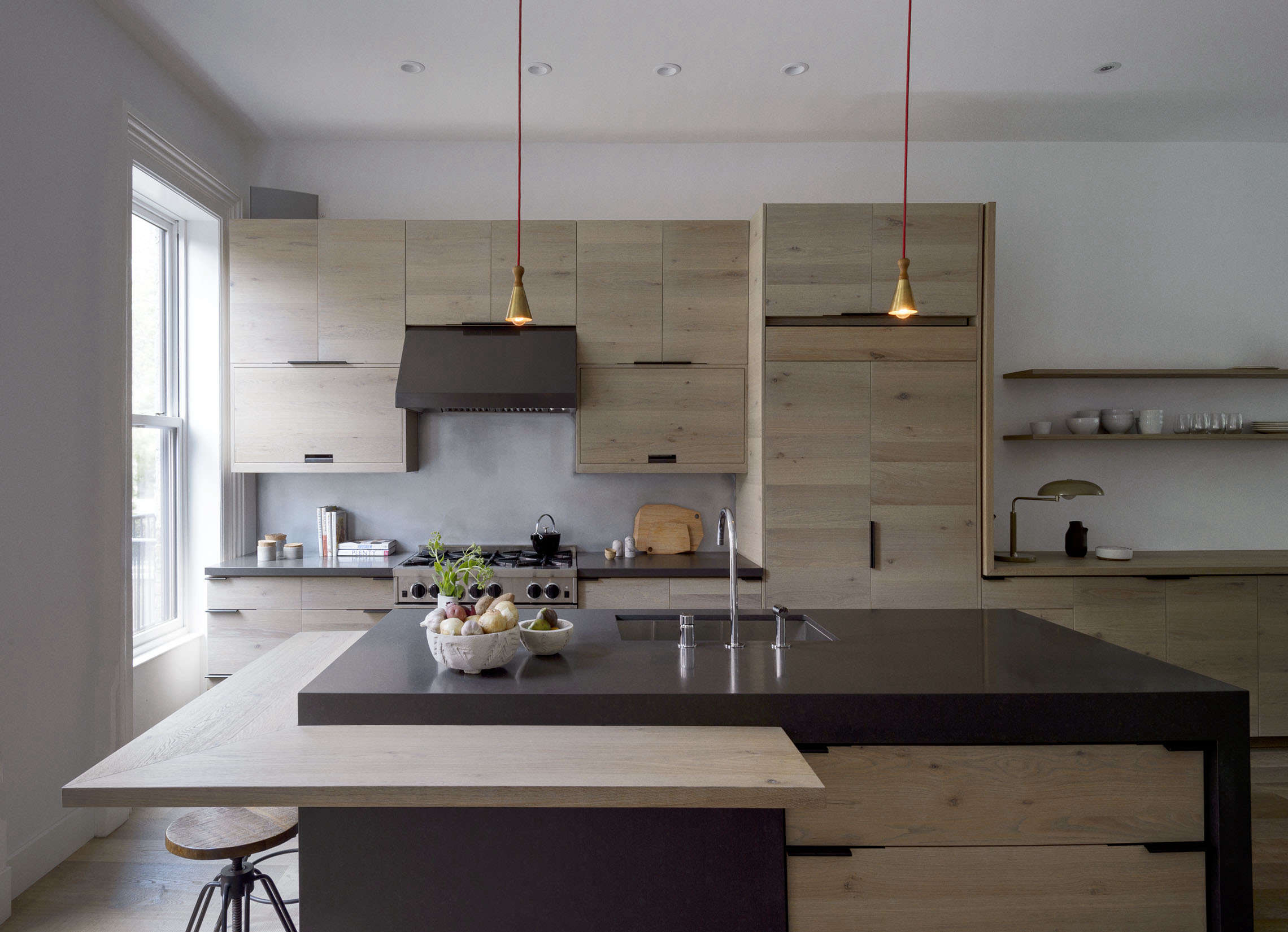
A low-profile range hood is the kitchen appliance equivalent of a very good stagehand: it does important work, keeps the show moving, and does not wander into the spotlight wearing a feather boa. For homeowners who love clean lines, open shelving, compact kitchens, or cabinets that actually get to remain cabinets, low-profile range hoods offer a practical way to remove smoke, steam, grease, odors, and the occasional evidence of “I only looked away for one second.”
The best low-profile range hoods are not just skinny metal boxes. They are carefully designed ventilation systems that balance airflow, noise, filter access, lighting, ducting options, and visual restraint. Some slide under a wall cabinet. Some disappear into a custom wood surround. Some use a slanted face to capture steam closer to the pan. Others are inserts that let the cabinetry do the decorating while the blower does the heavy lifting.
This guide breaks down ten easy pieces to consider when shopping for a low-profile range hood, along with practical design advice, installation notes, and real-life experience from living with these quiet kitchen workhorses.
What Is a Low-Profile Range Hood?
A low-profile range hood is a ventilation hood designed to take up less visual and physical space than a traditional chimney, canopy, or large professional-style hood. It may be an under-cabinet range hood, a slim hood insert, a slide-out hood, a power pack, or a slant-vent model. The goal is simple: move cooking exhaust out of the kitchen without making the hood look like it is auditioning for a superhero movie.
In small kitchens, apartments, galley layouts, and minimalist remodels, a bulky hood can overwhelm the room. A low-profile hood keeps sight lines clean, preserves upper storage, and often costs less than a massive custom ventilation system. That said, “low-profile” should never mean “low-performance.” A beautiful hood that cannot handle seared steak is just wall jewelry with a fan club.
Why Low-Profile Range Hoods Are Having a Moment
Modern kitchens are moving toward quieter design. Homeowners want paneled appliances, hidden storage, simple cabinets, slab fronts, and open spaces where the kitchen blends into the living room. A giant stainless chimney hood still has its place, especially above a big professional range, but it is not always the right personality for a calm, modern kitchen.
Low-profile range hoods solve that problem. They can tuck beneath cabinets, nest inside a custom enclosure, or sit close to the wall with a slim stainless face. Many models include LED or halogen task lighting, dishwasher-safe filters, multiple fan speeds, and convertible venting options. Some are ducted to the exterior, while others can recirculate air through charcoal filters when exterior ducting is not possible.
The secret is matching the hood to the way you cook. A household that reheats soup and makes toast can use a different hood than someone who stir-fries nightly, blackens fish, and considers chili crisp a basic food group.
How to Choose a Low-Profile Range Hood
Start With Width
As a rule of thumb, the hood should be at least as wide as the cooktop or range. A 30-inch range typically pairs with a 30-inch hood, while a 36-inch range usually needs a 36-inch hood. If your layout allows it, going slightly wider can improve smoke capture, especially with gas burners or high-heat cooking.
Understand CFM Without Getting Dramatic
CFM, or cubic feet per minute, measures how much air the blower can move. More CFM sounds exciting, like horsepower for your kitchen, but bigger is not always better. A 300- to 400-CFM hood can be plenty for many standard home kitchens, while serious wok cooking, high-output gas ranges, or open layouts may require more. In many jurisdictions, hoods above 400 CFM may trigger makeup-air requirements, so check local code before falling in love with a blower powerful enough to relocate a napkin to another county.
Pay Attention to Noise
Range hood sound is often measured in sones or decibels. Lower numbers are quieter. The quietest setting matters because that is the setting people actually use. A hood that sounds like a leaf blower in a small bathroom may be technically effective, but it will spend most of its life turned off, silently judging everyone.
Pick the Right Venting Style
Ducted hoods send air outdoors and are generally the most effective option. Ductless hoods filter air and recirculate it back into the kitchen, which can be useful in apartments or remodels where exterior ducting is impossible. Convertible hoods give you flexibility, but charcoal filters must be replaced regularly. For odor control, ducted is the winner. For “my landlord said absolutely not,” ductless may be the compromise.
10 Easy Pieces: Low-Profile Range Hoods Worth Knowing
1. Broan-NuTone Mantra Under-Cabinet Range Hood
Broan-NuTone is a familiar name in residential ventilation, and its Mantra-style under-cabinet hoods are a practical place to start. These hoods are available in common widths and finishes, with efficient blower options, LED task lighting, and a straightforward design that works in traditional, transitional, and builder-grade kitchens alike.
The appeal is value. A Broan-NuTone under-cabinet range hood is not trying to be mysterious. It sits under the cabinet, turns on when asked, lights the cooktop, and helps remove smoke and odors. For homeowners replacing an old hood, this type of model is often one of the easiest upgrades.
2. Broan Alta Under-Cabinet Range Hood
The Broan Alta line steps up the look with a sleeker profile and quieter performance options. It is a strong choice for homeowners who want a low-profile stainless hood that feels more polished than a basic contractor model without leaping into luxury pricing.
Alta-style hoods are especially useful in kitchens where the hood is visible but not meant to be the centerpiece. Think white shaker cabinets, quartz counters, simple subway tile, and one family member who insists the backsplash grout color is “a journey.”
3. Bosch 500 Series Under-Cabinet Hood
The Bosch 500 Series under-cabinet hood is a clean, compact option for modern kitchens. It typically offers strong airflow for a standard 30-inch cooking setup, multiple power levels, and dishwasher-safe aluminum mesh filters. Its stainless finish pairs naturally with Bosch ranges, cooktops, and dishwashers, but it can also blend into mixed-appliance kitchens.
This model is a good example of a low-profile hood that does not look cheap or flimsy. It keeps a tight silhouette, offers practical lighting, and avoids unnecessary design flourishes. In kitchen terms, it wears a crisp white shirt and arrives on time.
4. Zephyr Tornado Mini Insert
The Zephyr Tornado Mini is an insert-style range hood designed for custom applications. Instead of hanging as a visible hood, it fits into a cabinet, canopy, or custom wood surround. This is ideal for homeowners who want the ventilation to disappear while the cabinetry carries the design.
Insert hoods like the Tornado Mini are popular in high-end kitchens because they allow flexibility. You can build a plaster hood, a wood hood, or a cabinet-front design without sacrificing real ventilation. Just remember that inserts require planning: cabinet depth, liner size, duct path, mounting height, and electrical access all matter.
5. Zephyr Monsoon Mini Insert
The Zephyr Monsoon Mini takes the insert concept and makes it especially attractive for shallow or compact installations. Its slim body can be useful when cabinet space is tight but performance still matters. It is the kind of hood that quietly solves a design problem the homeowner may never fully appreciate until the bacon test.
If you are building a custom hood enclosure, choose the insert early in the design process. Waiting until the cabinets are ordered and then saying “Where does the fan go?” is how remodelers develop eye twitches.
6. FOTILE Slant Vent Range Hood
FOTILE’s slant-vent hoods take a different approach to low-profile design. Instead of projecting far over the cooktop like a traditional under-cabinet hood, the angled front helps pull steam and smoke from closer to the cooking surface. The look is modern, almost architectural, and particularly suited to contemporary kitchens.
This style can be useful for high-heat cooking where smoke rises quickly and wanders sideways with great confidence. The slanted shape also gives the cook more headroom, which tall people will appreciate after years of negotiating with sharp stainless corners.
7. Miele Slim or Built-In Ventilation Hood
Miele’s compact and built-in ventilation options appeal to homeowners who want premium engineering with a restrained look. Miele hoods often emphasize quiet operation, clean controls, quality filters, and refined finishes. They are well suited to design-forward kitchens where every visible line has been debated, measured, and possibly discussed over espresso.
The value of a premium low-profile hood is not only power. It is the feeling of using something that opens smoothly, cleans easily, and does not sound like it is preparing for takeoff every time you boil pasta.
8. BEST Power Pack or Hood Insert
BEST ventilation products are common in custom kitchen projects because their inserts and power packs can be integrated into cabinetry and architectural hood surrounds. If you are going for a traditional wood hood, a plaster-look hood, or a minimalist cabinet hood, a BEST insert can provide the mechanical backbone.
This is a smart route when the goal is invisibility. The guest sees a beautiful hood surround. You know there is a serious blower and filter system hiding inside, doing the unglamorous work like a kitchen butler with excellent lungs.
9. KitchenAid Low-Profile Under-Cabinet Hood
KitchenAid range hoods often appeal to homeowners who want a coordinated appliance suite. A low-profile KitchenAid under-cabinet hood can pair well with stainless ranges, wall ovens, and dishwashers while keeping the design familiar and easy to service.
This type of hood is especially useful for families who cook regularly but do not need a commercial-looking ventilation system. It offers a balanced mix of style, lighting, speed settings, and everyday reliability.
10. GE, Whirlpool, or Similar Slim Under-Cabinet Hood
Not every kitchen needs a premium insert or designer hood. GE, Whirlpool, and similar mainstream appliance brands offer slim under-cabinet hoods that can work well in rental units, budget remodels, starter homes, and secondary kitchens. These hoods often come in 30-inch widths, with simple controls, washable filters, and vented or ductless configurations.
The best budget hood is the one that fits correctly, is installed well, and is actually used. A modest hood turned on before cooking will outperform an expensive hood that only exists as a decorative stainless eyebrow.
Design Tips for a Better Low-Profile Hood Installation
Use the Shortest, Straightest Duct Run Possible
A powerful blower can lose performance if the duct route is long, narrow, crushed, or full of sharp turns. Whenever possible, use smooth metal ducting, keep elbows to a minimum, and follow the manufacturer’s duct size recommendations. Ventilation is not magic; it is airflow, and airflow hates obstacle courses.
Install at the Recommended Height
Mounting height affects capture. Too low, and the hood becomes a forehead hazard. Too high, and smoke escapes before the blower can grab it. Always follow the hood manufacturer’s recommended clearance for gas or electric cooking surfaces.
Choose Filters You Will Actually Clean
Mesh filters are common and affordable, while baffle filters often feel sturdier and can be easier to clean in heavy-cooking homes. Dishwasher-safe filters are a major convenience. If cleaning the filter requires a screwdriver, a prayer, and three YouTube videos, it may not happen often enough.
Do Not Ignore Lighting
A low-profile hood should also improve visibility. Good task lighting helps you see browning, simmering, and the exact moment garlic goes from fragrant to “well, we’re ordering pizza.” LED lighting is efficient and long-lasting, while halogen lighting can be warm and bright but may run hotter.
Ducted vs. Ductless: Which One Is Better?
If your home allows exterior venting, choose ducted. It removes moisture, smoke, grease particles, and odors from the kitchen instead of filtering and returning the air. This is especially important if you cook with gas, fry often, sear meats, or have an open-concept kitchen where cooking smells can travel with Olympic ambition.
Ductless hoods still have a role. They are useful in apartments, condos, historic buildings, or remodels where ductwork would be too invasive. They can help trap grease and reduce odors, but charcoal filters must be replaced. Think of ductless as a helpful compromise, not a miracle worker.
Common Mistakes to Avoid
The first mistake is buying by looks alone. A slim hood can be beautiful, but if the blower is too weak for your cooking style, you will notice. The second mistake is oversizing the blower without checking local makeup-air requirements. The third mistake is forgetting duct size. A hood rated for strong airflow cannot perform properly if connected to a duct that is too small.
Another common error is installing the hood too late in the design process. Ventilation affects cabinetry, electrical work, exterior walls, soffits, and sometimes roof penetrations. Choose the hood before cabinets are finalized, not after the backsplash tile is installed and everyone is emotionally fragile.
Who Should Buy a Low-Profile Range Hood?
A low-profile range hood is ideal for homeowners who want ventilation without visual bulk. It is especially useful in small kitchens, modern kitchens, apartments, galley layouts, and renovations where upper cabinets matter. It is also perfect for people who want the hood to support the design rather than dominate it.
However, serious cooks should choose carefully. If you frequently use high-output burners, cook with a wok, fry foods, or run a large gas range, prioritize capture area, ducting, and blower strength. A low-profile hood can still work, but it must be the right one.
Real-Life Experience: Living With Low-Profile Range Hoods
After using and evaluating low-profile range hoods in real kitchens, one thing becomes clear: the best hood is the one that fits your habits so naturally you stop thinking about it. In one compact kitchen, a basic under-cabinet hood made an immediate difference simply because it was easy to reach and not painfully loud. The owner started turning it on before heating the pan, and suddenly the kitchen did not smell like breakfast until dinner. That is not glamour, but it is quality of life.
The biggest lesson is that timing matters. A range hood works best when turned on before smoke appears. Many people wait until the pan is already smoking, then hit the highest speed and wonder why the room still smells like a diner. Starting the hood early creates airflow before the cooking plume rises. It is a tiny habit with a big payoff, like putting a trash bag in the bin before throwing things away. Revolutionary? No. Useful? Very.
Noise also changes behavior. In kitchens with loud hoods, people avoid using them unless something is actively burning. In kitchens with quieter low settings, the hood becomes part of the routine. You switch it on, chop the onions, heat the skillet, and carry on a conversation without shouting over a metal tornado. For everyday cooking, a pleasant low speed may matter more than an impressive maximum speed.
Cleaning is another reality check. Grease filters are not decorative accessories. They collect actual grease, and they will eventually look like they have been working in a carnival food truck. Dishwasher-safe filters make maintenance far easier. A monthly cleaning routine keeps airflow stronger and reduces odors. If you fry often, clean more often. Your future self, your cabinets, and your smoke alarm will all send thank-you notes.
Low-profile hoods also change how a kitchen feels. A bulky hood can visually chop up a small wall, while a slim under-cabinet or insert hood lets the eye move across the room. In open kitchens, that matters. The hood becomes part of the background rather than a stainless steel announcement. For homeowners who care about calm design, this subtlety is the whole point.
The most satisfying installations are planned early. When the hood, ducting, cabinets, and lighting are designed together, everything feels intentional. The cabinet installer is not surprised. The electrician is not improvising. The duct does not take a scenic route through three rooms and a moral crisis. Good planning makes a low-profile hood look effortless, even though a lot of decisions are hiding behind that clean little face.
For most households, the sweet spot is a low-profile hood with enough CFM for daily cooking, a quiet low speed, easy filter access, good lighting, and ducted ventilation if possible. It does not need to be the most expensive hood in the showroom. It needs to be correctly sized, properly installed, and used consistently. That is the unsexy truth of kitchen ventilation: performance beats drama.
Conclusion
Low-profile range hoods prove that kitchen ventilation does not have to be bulky, noisy, or visually bossy. Whether you choose a simple Broan under-cabinet hood, a sleek Bosch model, a hidden Zephyr insert, a premium Miele solution, or a modern FOTILE slant-vent design, the best choice depends on your cooking style, cabinet layout, ducting options, and tolerance for fan noise.
The right low-profile range hood should feel like a quiet upgrade every day. It should clear smoke, soften odors, protect cabinets, light the cooktop, and let the rest of the kitchen design breathe. In other words, it should do its job beautifully, then get out of the way. Honestly, if more appliances behaved like that, kitchen remodeling would require fewer snacks and fewer deep breaths.