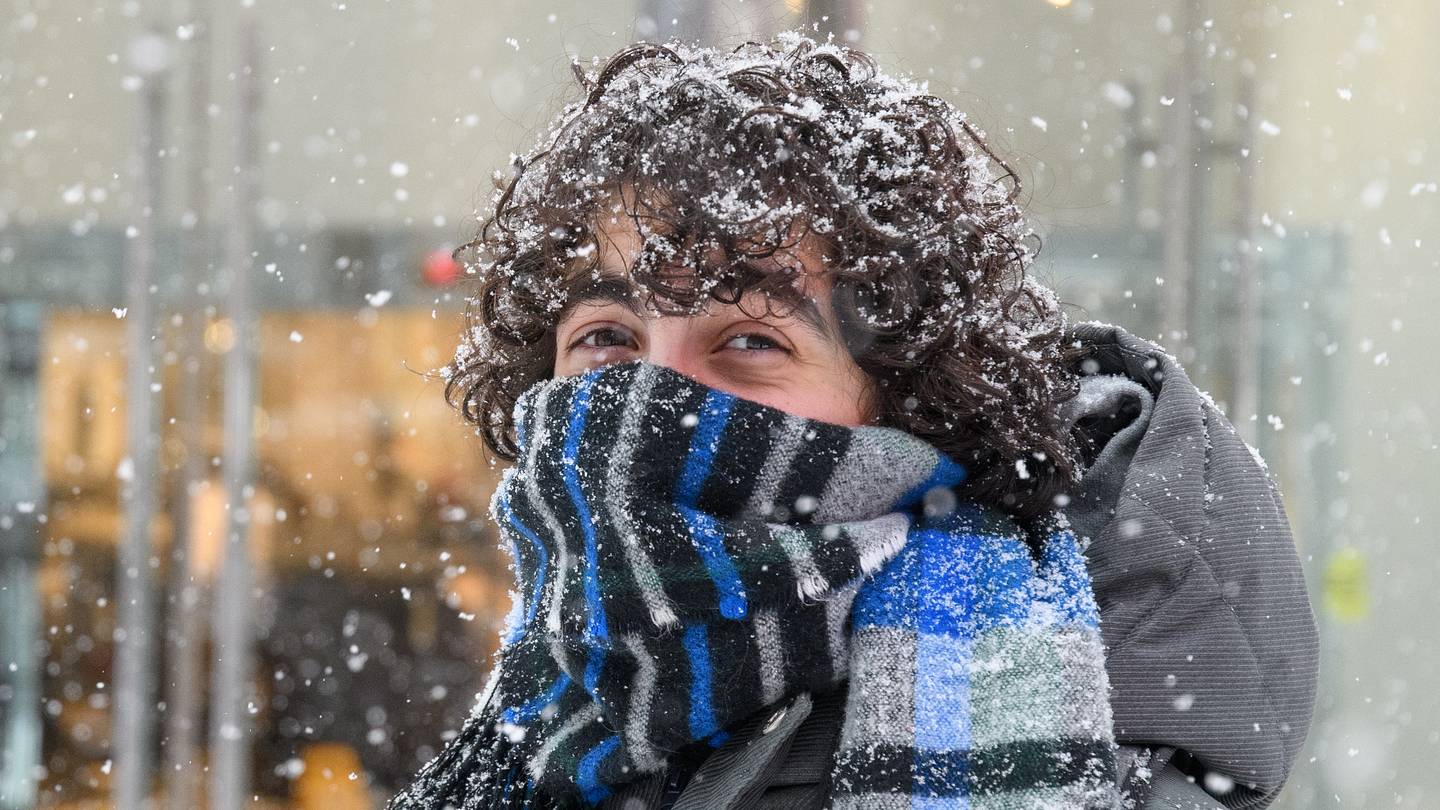
Winter has a funny way of turning every room into a negotiation. The living room feels fine, the hallway feels like a meat locker, and the bathroom floor suddenly becomes a character-building exercise. The good news is that staying warm does not have to mean running your heater like it is training for the Olympics. With a few inexpensive winter heating tips, you can make your home feel cozier, reduce drafts, protect your energy bill, and avoid wearing three hoodies indoors like a budget-friendly snowman.
This guide focuses on practical, low-cost ways to keep warm this winter without major renovations. These ideas are especially useful for renters, homeowners on a budget, students, families, and anyone who has ever stared at a utility bill and whispered, “Absolutely not.” From sealing air leaks to layering smarter, here are 10 inexpensive ways to stay warm, save energy, and make winter a little less dramatic.
1. Seal Drafts Around Doors and Windows
Drafts are tiny thieves. They sneak through gaps around doors, windows, baseboards, mail slots, and attic hatches, carrying your expensive warm air outside while inviting cold air in for free. One of the cheapest ways to keep warm in winter is to stop those leaks before they turn your home into a wind tunnel.
Start with a simple hand test. On a cold day, move your hand slowly around window frames and door edges. If you feel a chill, you have found a leak. Weatherstripping tape, rope caulk, door sweeps, draft stoppers, and foam outlet gaskets are affordable fixes that can make a noticeable difference. For renters, removable weatherstripping and fabric draft snakes are friendly options that do not usually upset landlords.
Easy example
Roll up a thick towel and place it at the bottom of a drafty door. It is not glamorous, but neither is paying to heat the front porch. For a more polished version, buy or sew a fabric draft stopper filled with rice, beans, or old fabric scraps.
2. Use Curtains Like a Winter Tool
Curtains are not just decoration. In winter, they can act like a cozy jacket for your windows. During the day, open curtains on sunny windows to let natural heat in. Sunlight is free, polite, and does not send a monthly bill. Once the sun starts to fade, close the curtains to help reduce heat loss.
Thermal curtains are helpful, but you do not have to buy expensive ones. Heavy drapes, layered curtains, fleece blankets clipped behind existing curtains, or even a thick fabric panel can improve comfort. The key is coverage. Curtains should reach close to the windowsill or floor and cover the window edges as much as possible.
If you have particularly cold windows, consider clear window insulation film. It is inexpensive, widely available, and works by creating an insulating air barrier. It may not win an interior design award, but it can make a room feel less like a walk-in freezer.
3. Lower the Thermostat Strategically
Keeping warm does not always mean keeping the thermostat high all day. A small, planned thermostat adjustment can save money without turning your home into an ice cave. Try lowering the thermostat when you are sleeping or away, then raising it when you are active at home.
A programmable or smart thermostat can make this easier, but even a manual thermostat works if you build the habit. For example, you might keep the house comfortable in the evening, lower it a few degrees overnight, and use warm bedding to stay cozy while you sleep. The secret is consistency. Turning the heat way up and down randomly usually creates discomfort without much benefit.
Comfort tip
If you use a heat pump, avoid extreme setbacks unless your system is designed for them. Some heat pumps may trigger backup electric resistance heat, which can cost more. A gentle temperature adjustment is usually the smarter move.
4. Layer Clothing the Smart Way
There is a right way and a wrong way to dress warmly indoors. The wrong way is wearing one giant cotton hoodie and hoping for the best. The better way is layering. Layers trap warm air near your body and let you adjust as your activity level changes.
Start with a moisture-wicking base layer, such as thermal underwear, silk, wool, or synthetic fabric. Add an insulating layer like fleece or wool. Finish with a cozy sweater, hoodie, or robe. Do not forget warm socks, slippers, and a hat if your home is very cold. Feet and hands often complain first, and they are not subtle about it.
Avoid relying heavily on cotton if you might sweat or get damp, because wet cotton loses warmth quickly. Wool socks, fleece-lined slippers, and fingerless gloves can make working from home much more comfortable without raising the thermostat.
5. Warm the Person, Not the Whole House
This is one of the best cheap winter comfort rules: heat the human before heating every cubic foot of air. If you are sitting in one place reading, working, studying, or watching TV, it is usually cheaper to keep yourself warm than to crank up the entire home.
Use throw blankets, heated throws, hot water bottles, microwaveable heat packs, warm slippers, and layered clothing. A hot water bottle at your feet can turn a chilly desk session into something almost luxurious. A heated throw uses far less energy than many whole-room heating strategies and can be very effective when used safely.
Always follow manufacturer instructions for electric blankets or heated throws. Do not use damaged cords, do not fold heated products tightly while in use, and avoid sleeping under an electric blanket unless it is specifically designed for overnight use.
6. Make Your Heating System Work Less Hard
Your heating system cannot do its best work if vents are blocked, filters are dirty, or radiators are buried behind furniture. Before you spend money on new gadgets, give your existing heating setup a little attention.
Move sofas, curtains, rugs, and storage boxes away from vents, baseboard heaters, and radiators. Clean dust from registers and radiator surfaces. If you have a forced-air system, check the filter and replace it according to the manufacturer’s schedule. A clean filter helps airflow and can improve efficiency.
If you have radiators, consider placing heat-resistant reflector panels behind them, especially on exterior walls. These panels help reflect heat back into the room instead of letting it escape into the wall. You can buy radiator reflector sheets or make a simple version using appropriate heat-safe materials.
7. Close Off Rooms You Do Not Use
Heating unused space is like cooking dinner for guests who never show up. If you have rooms that are rarely used, close the doors to keep warm air concentrated where people actually spend time. This works especially well in older homes with uneven heating.
There are two cautions. First, do not close off rooms that contain pipes at risk of freezing unless you are sure they will stay warm enough. Second, avoid blocking vents in a way that could harm your HVAC system. If your home has forced-air heating, closing too many supply vents can create pressure problems. Closing doors and using draft stoppers is often safer than shutting every vent in the house.
Create a “warm zone” for daily life. Choose the room where you spend the most time, reduce drafts there, add blankets, use sunlight during the day, and keep doors closed. A small warm zone can feel much better than a whole home that is slightly chilly everywhere.
8. Use Space Heaters Carefully and Only Where Needed
A space heater can help warm a small area, but it is not automatically cheaper or safer than central heat. It works best when you use it in one occupied room while lowering heat elsewhere. Used carelessly, however, a space heater can become a fire risk faster than you can say, “Why does it smell like hot dust?”
Place space heaters on a level, hard, nonflammable surface. Keep anything that can burn at least three feet away, including curtains, bedding, papers, rugs, furniture, and clothing. Never leave a space heater running unattended, and do not use it while sleeping unless the manufacturer specifically says it is safe for that use. Avoid extension cords and power strips unless the heater instructions allow them, because overheating cords can be dangerous.
Look for modern safety features such as tip-over shutoff and overheat protection. A space heater should be a targeted tool, not a substitute for common sense or a properly maintained heating system.
9. Add Rugs and Soft Furnishings
Bare floors can make a room feel colder, especially over garages, crawl spaces, basements, or poorly insulated areas. Rugs add a layer between your feet and the cold surface, which improves comfort immediately. Thick area rugs, carpet runners, foam mats, and even layered washable rugs can help.
Soft furnishings also make a room feel warmer. Add throw blankets to sofas, use heavier bedding, put flannel sheets on the bed, and keep a basket of blankets in the living room. This is not just about temperature; it is about perceived comfort. A room with soft textures, warm light, and fewer drafts feels cozier even at a slightly lower thermostat setting.
Budget-friendly idea
Shop secondhand for wool blankets, quilts, lined curtains, and area rugs. Washable secondhand textiles can be a low-cost winter upgrade, and your home will look like it has “cozy cabin energy” instead of “utility bill panic energy.”
10. Eat Warm, Drink Warm, and Move a Little
Warm food and drinks will not replace safe home heating, but they can improve comfort. Soup, oatmeal, tea, hot cocoa, and warm water with lemon can help you feel warmer from the inside. The real magic is not just the temperature; it is the ritual. A warm mug in your hands can make a cold evening feel more manageable.
Light movement also helps. A few minutes of stretching, housework, stair climbing, or a short indoor walk can increase circulation and body warmth. You do not need to do a full workout in your kitchen unless that is your thing. Even gentle movement can help if you have been sitting still for hours.
Be careful with alcohol. It may create a temporary feeling of warmth, but it can interfere with the body’s ability to regulate temperature. Warm tea is boring compared with mulled wine, yes, but your circulation may appreciate the responsible choice.
Winter Safety: Cheap Warmth Should Still Be Safe Warmth
Saving money is great. Accidentally creating a fire hazard is not. Never use a gas oven or stove to heat your home. Do not bring grills, camp stoves, or generators indoors. Fuel-burning appliances can produce carbon monoxide, an odorless and deadly gas. Every home should have working smoke alarms and carbon monoxide alarms, especially during winter.
If you rely on fireplaces, furnaces, boilers, wood stoves, or fuel-burning heaters, schedule professional maintenance as recommended. Keep vents clear of snow and debris. If you ever feel dizzy, weak, nauseated, or confused while using heating equipment, leave the area and get fresh air immediately.
Also check on older neighbors, relatives, people with disabilities, and anyone living alone during extreme cold. Sometimes the most inexpensive way to keep someone warm is a phone call, a shared blanket, a ride to a warming center, or help sealing a drafty door.
Real-Life Experiences: What Actually Works When Winter Gets Rude
Anyone who has lived through a truly cold winter knows there is a difference between “technically heated” and “comfortable enough to stop complaining.” The most useful winter habits are usually simple, repeated, and slightly boring. That is good news, because boring is often cheap.
One of the biggest lessons from real winter living is that small leaks matter. A single draft under a door may seem harmless, but after a few hours it can make the whole room feel colder. People often notice the biggest improvement after sealing the most obvious leak first: the front door, the old bedroom window, the attic hatch, or the gap around a window air conditioner. The fix might cost less than lunch, but the comfort improvement can feel immediate.
Another practical experience is that warm feet change everything. You can wear a sweater and still feel cold if your feet are planted on icy flooring. Thick socks, slippers, and a rug under the desk often do more for comfort than raising the thermostat by several degrees. For people working from home, a small foot warmer, a hot water bottle, or a folded blanket under the feet can make long computer hours far more pleasant.
Bedrooms are another place where inexpensive changes shine. Flannel sheets, an extra blanket, and a warm comforter can make it easier to lower the thermostat at night. Many people sleep better in a cooler room as long as the bed itself is warm. The trick is preparing the bed before you are already freezing. Put the extra blanket on early, keep socks nearby, and use a hot water bottle for a few minutes before getting in. It feels old-fashioned because it is, and old-fashioned sometimes means “tested by people who did not have smart thermostats.”
For renters, the most effective strategy is usually a combination of removable fixes. Window film, draft stoppers, washable rugs, thermal curtains, and outlet gaskets can all help without permanent construction. Renters should also report serious drafts, broken windows, heating problems, or unsafe equipment to the landlord promptly. A chilly apartment is annoying; an unsafe heating system is a much bigger problem.
Families often find that creating a warm central zone works better than trying to make every room perfect. During very cold evenings, gather in the living room, close doors to unused rooms, add blankets, and use warm drinks or soup to turn the routine into something cozy instead of miserable. Children and pets usually vote for the blanket pile. They are correct.
Finally, the best winter comfort habit is checking your home before the coldest week arrives. Buy weatherstripping before the first storm. Test smoke and carbon monoxide alarms before you need them. Find the extra blankets before everyone is already shivering. Winter has a talent for exposing weak spots at the worst possible time, so a little preparation can save money, stress, and several dramatic conversations with the thermostat.
Conclusion
Keeping warm this winter does not require a luxury renovation, a giant heating bill, or a personal relationship with your furnace. The smartest approach is to reduce heat loss, dress in better layers, use your heating system efficiently, and warm the spaces and people that matter most. Seal drafts, use curtains wisely, keep vents clear, add rugs, create cozy zones, and treat space heaters with respect. These inexpensive winter warmth tips work because they combine energy savings with everyday comfort.
Winter may still knock on the windows, rattle the doors, and act like it owns the place. But with a few affordable changes, your home can feel warmer, safer, and more comfortable. And your heating bill? It may finally stop behaving like a horror movie sequel.
Note: This article is based on practical U.S. home energy, winter safety, and heating-efficiency guidance. Always follow product instructions, local safety rules, and professional advice for heating equipment, fuel-burning appliances, electrical devices, and carbon monoxide protection.