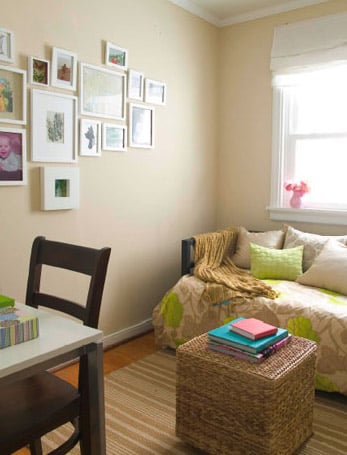
There is something hilarious about comparing your first house to your current house. Your first house is often the place where you learn that “character” is sometimes code for “the floor tilts a little,” and “cozy” can mean “you can touch the fridge, sink, and oven without moving your feet.” Your current house, meanwhile, may not be perfect, but it usually reflects a wiser, slightly more suspicious version of youthe version who now asks questions like, “How old is the roof?” and “Why does that basement smell like a wet sock with a mortgage?”
Comparing our first house to our current house is not just about square footage, paint colors, or whether we finally got a laundry room that does not require gymnastic flexibility. It is really a story about growing up as homeowners. The first home taught us how to live with limitations, fix problems, and appreciate simple wins. The current home shows what we value now: better function, smarter storage, energy efficiency, outdoor living, comfort, and fewer mystery switches on the wall.
This house comparison is also a reminder that the “dream home” is not always the biggest home. Sometimes it is the one that supports your daily routine without turning every morning into a scavenger hunt for keys, shoes, and emotional stability.
Our First House: Small, Scrappy, And Full Of Lessons
Our first house had charm. It also had doors that stuck, a kitchen with approximately four inches of usable counter space, and a closet situation that suggested the original owners owned one coat and no hobbies. But it was ours, and that made every squeaky floorboard sound like victory.
Like many first homes, it was not chosen because it checked every box. It was chosen because it checked the most important boxes: affordability, location, potential, and the exciting possibility that we might survive the inspection report without needing a fainting couch. First-time homeownership often involves compromise, and our first house was basically compromise wearing shutters.
What We Loved About The First House
The first house felt personal because everything was new to us. Painting a room felt like a major life achievement. Replacing a light fixture made us feel like licensed electricians, even though we watched three tutorials and said “please don’t explode” before turning the power back on.
It also had a smaller footprint, which forced us to be intentional. We could not buy random furniture just because it looked cute online. Every piece needed a job. The dining table doubled as a desk, project station, gift-wrapping zone, and occasional place to eat dinner like civilized people. The tiny living room taught us scale, flow, and the harsh truth that oversized sectionals do not care about your dreams.
Most of all, our first house gave us pride. It was the place where we learned how to host friends, patch drywall, plant flowers, clean gutters, and pretend we knew what escrow meant.
What The First House Taught Us The Hard Way
Our first home also taught us that “move-in ready” is a flexible phrase. Technically, yes, you can move in. Emotionally, you may still be fighting beige walls, awkward lighting, and a bathroom fan that sounds like a small aircraft preparing for takeoff.
We learned that layout matters more than we thought. A home can have enough square footage on paper and still feel cramped if the rooms do not work well. We learned that storage is not a luxury; it is household peacekeeping. Without good storage, every closet becomes a dramatic documentary titled Where Did We Put The Extension Cord?
We also learned that maintenance is not optional. Filters need changing. Water heaters need checking. Smoke alarms need testing. Gutters do not clean themselves, despite our early optimism. A first house has a funny way of turning renters into people who suddenly care deeply about caulk.
Our Current House: More Functional, More Comfortable, And Much More Us
Our current house is not a mansion, and that is fine. We did not need a ballroom. We needed a better kitchen, more storage, reliable systems, a workable home office, outdoor space, and a layout that did not make unloading groceries feel like an obstacle course.
The biggest difference between our first house and our current house is not just size. It is usefulness. The current house supports the way we actually live. There is space for daily routines, space for guests, space for hobbies, and space to put the vacuum somewhere other than “mysteriously behind the bedroom door.”
The Kitchen Finally Works For Real Life
In our first house, cooking required strategy. If one person opened the dishwasher, the other person had to leave the kitchen or climb onto the counter like a raccoon in an apron. The current kitchen gives us room to prep, cook, clean, and talk without negotiating traffic patterns.
The difference is not only about having newer cabinets or prettier countertops. It is about function. Deep drawers, better lighting, a useful pantry, and enough counter space make everyday life smoother. A good kitchen does not need to look like a magazine spread every day. It needs to handle coffee, breakfast, school papers, grocery bags, late-night snacks, and the occasional ambitious recipe that uses every bowl in the house.
Storage Changed Everything
If our first house taught us anything, it is that storage can make or break a home. The current house has closets that behave like closets instead of decorative wall rumors. We now have space for seasonal items, tools, cleaning supplies, pantry backups, and all the mysterious cables that nobody can identify but everyone is afraid to throw away.
Better storage also makes the house feel calmer. When items have a place to go, surfaces stay clearer. When surfaces stay clearer, the home feels larger. When the home feels larger, nobody has to mutter “we need a bigger house” while stepping over a laundry basket for the fourth time that day.
First House Vs Current House: The Biggest Differences
Looking back, the first house gave us experience. The current house gives us efficiency. The first house made us resourceful. The current house rewards that resourcefulness. Both homes matter, but they matter in different ways.
1. Budget Priorities Changed
With our first house, the budget was mostly about getting in the door. We cared about the down payment, monthly payment, closing costs, and whether we could afford furniture that was not assembled with an Allen wrench at midnight.
With our current house, the budget is broader. We think about long-term maintenance, energy costs, insurance, landscaping, repairs, and resale value. We also understand that the cheapest option is not always the smartest one. A low-cost fix that fails twice is not a bargain; it is a subscription plan for frustration.
2. Location Means Something Different Now
When we bought our first house, location meant getting into a neighborhood we could afford. We looked at commute times, nearby stores, and whether the street felt safe and friendly.
For our current house, location means more. We think about walkability, traffic patterns, school zones, noise, flood risk, access to parks, and whether errands can be done without packing snacks like we are crossing state lines. A house is not isolated from its surroundings. The neighborhood becomes part of daily life, for better or worse.
3. Layout Became More Important Than Size
Our first house was small, but some of its biggest problems came from layout, not size. Rooms were chopped up. Storage was thin. The kitchen was separated from the living area in a way that made hosting feel like running a restaurant from a closet.
Our current house flows better. It has spaces that connect without feeling like one giant echo chamber. There are quiet corners, shared areas, and practical transitions from outdoors to indoors. A better layout makes a home easier to clean, easier to furnish, and easier to enjoy.
4. We Care More About Energy Efficiency
In the first house, we mostly cared whether the heating and cooling worked. In the current house, we care how well they work. Insulation, air sealing, efficient windows, HVAC maintenance, and smart thermostats are not glamorous, but neither is paying high utility bills because the attic is basically hosting a weather convention.
Energy efficiency affects comfort as much as cost. A well-sealed, properly insulated house feels better in both summer and winter. Rooms stay more consistent. Drafts are reduced. The HVAC system does not have to perform like an Olympic athlete just to keep the hallway comfortable.
5. Outdoor Space Became More Valuable
Our first house had outdoor space, but we did not fully understand how to use it. The yard was mostly a place to mow, sweat, and wonder why weeds have better survival instincts than houseplants.
Our current home has outdoor areas that feel more intentional. A patio, seating area, garden bed, or small fire pit can extend living space without adding walls. Outdoor space does not need to be huge; it needs to be usable. A small patio with shade and comfortable chairs can be more valuable than a large yard that only produces maintenance guilt.
Design Lessons We Learned Between The Two Homes
Our first home design decisions were mostly driven by excitement and budget. We chose paint colors quickly, bought furniture that fit “well enough,” and learned through trial, error, and one rug that looked peaceful online but arrived looking like a confused zebra.
In our current house, design feels more personal and more practical. We care about how rooms feel at different times of day. We think about natural light, traffic flow, durable materials, and whether a design choice will still make sense after the trend has left the building.
Trendy Is Fun, But Livable Wins
Trends can be inspiring, but the best home design supports real life. Warm colors, layered textures, comfortable furniture, and flexible spaces matter because people live in homes, not showroom displays. A beautiful room that cannot handle backpacks, pets, snacks, movie nights, or actual humans is not a room; it is a museum exhibit with throw pillows.
Our current house has more personality because we stopped trying to make every room perfect. We mix old and new pieces. We choose finishes that can survive daily use. We decorate slowly instead of panic-buying everything in one weekend. That slower approach makes the home feel collected rather than copied.
Lighting Is Not A Detail; It Is A Mood Manager
Our first house had lighting that could best be described as “interrogation chic.” One overhead fixture per room, usually too bright, too dim, or placed exactly where it cast shadows on everything useful.
In the current house, layered lighting makes a big difference. Ceiling lights, lamps, under-cabinet lighting, sconces, and natural light all work together. Good lighting makes rooms feel warmer, tasks easier, and evenings calmer. It is one of the simplest upgrades that can make a house feel more expensive without requiring you to sell a kidney on the black market of home decor.
Maintenance: The Category We Respect Now
First-time homeowners often focus on decorating because decorating is visible and fun. Maintenance, unfortunately, is less glamorous. Nobody throws a party because you cleaned the dryer vent. But maintenance is what protects the home, the budget, and your future sanity.
In our first house, we reacted to problems. In our current house, we try to prevent them. We keep a seasonal checklist, replace filters, test detectors, inspect caulk, clean gutters, watch for leaks, and pay attention to small changes before they become expensive plot twists.
Small Tasks Prevent Big Drama
A loose shingle, slow leak, clogged gutter, or cracked seal may seem minor until it invites water damage into your life like an unwanted houseguest. The current house taught us to respect the boring tasks. Boring tasks are cheaper than emergency repairs.
We also pay closer attention to indoor air quality. Ventilation, moisture control, filtration, and regular HVAC care matter more than we realized in our first house. A comfortable home is not only about temperature; it is also about breathing easier and keeping humidity under control.
What We Miss About Our First House
Even with all the advantages of our current house, we still miss parts of the first one. We miss the simplicity. Smaller homes can be easier to clean, cheaper to furnish, and faster to understand. There were fewer rooms to manage and fewer places to lose things, although somehow the tape measure still vanished every weekend.
We also miss the emotional thrill of firsts. The first night sleeping there. The first meal cooked in the kitchen. The first project finished. The first time someone visited and said, “This place is really cute,” which made all the stress feel worth it.
The first house had a special kind of magic because it represented a beginning. It may not have had the best layout or the biggest closets, but it gave us confidence. It proved we could own a home, care for it, improve it, and make it ours.
What We Appreciate Most About Our Current House
Our current house gives us breathing room. It is easier to host, easier to work from home, easier to store what we use, and easier to move through daily routines. The home feels less like a starter project and more like a long-term partner.
We appreciate the practical upgrades most: a better laundry area, a functional kitchen, improved storage, comfortable bedrooms, outdoor space, and systems we understand. These features may not sound dramatic, but they improve ordinary days. And ordinary days are where most of life happens.
The current house also reflects better self-knowledge. We know what we use, what we ignore, what we enjoy, and what we are willing to maintain. That wisdom is worth more than any trendy backsplash.
Advice For Anyone Comparing A First House To A Current House
If you are comparing your first house to your current house, try not to judge the first one too harshly. It served a purpose. It may have been small, awkward, outdated, or wildly under-equipped for modern life, but it helped you learn.
Also, avoid assuming the next house has to be bigger to be better. Better might mean a smarter layout, less maintenance, a shorter commute, safer systems, better natural light, or a yard that does not require you to become a weekend landscaping warrior.
Make A “Never Again” List
One of the most useful things our first house gave us was a “never again” list. Never again would we ignore storage. Never again would we underestimate parking. Never again would we buy a house without thinking carefully about drainage, noise, natural light, and the distance from the garage to the kitchen.
This list was not negative. It was practical. Every inconvenience in the first house became a smarter question for the current one.
Make A “Worth It” List Too
It is equally important to know what truly matters. For us, a functional kitchen, better storage, a comfortable primary bedroom, outdoor seating, and reliable systems were worth prioritizing. Fancy extras were nice, but daily comfort mattered more.
Your “worth it” list may be different. Maybe you need a home office, a workshop, a guest room, a fenced yard, or single-level living. The best house is not the one that impresses strangers. It is the one that makes your real life work better.
Extra Experiences: What Living In Both Homes Really Taught Us
The longer we live in our current house, the more we understand that every home has a personality. Our first house was like an enthusiastic puppy: charming, unpredictable, occasionally destructive, but impossible not to love. Our current house is more like a dependable friend who owns a label maker and knows where the extra batteries are.
One of the biggest experiences we gained from the first house was learning how to prioritize projects. At first, everything felt urgent. The walls needed paint, the floors needed attention, the landscaping needed help, and the bathroom needed a pep talk. We wanted to fix everything immediately, which is a very efficient way to exhaust yourself and your bank account at the same time.
Eventually, we learned to separate cosmetic problems from functional problems. Ugly paint can wait. A leaking pipe cannot. Outdated cabinet hardware is annoying. A failing water heater is a calendar event with consequences. That lesson changed how we handle the current house. Now we rank projects by safety, structure, comfort, efficiency, and then appearance. It is less glamorous, but it keeps the house running.
We also learned that furniture should fit the house you have, not the fantasy house you saved on a mood board. In the first house, we made a few ambitious purchases that looked great in theory and ridiculous in reality. A too-large coffee table turned the living room into a shin-bruising obstacle course. A bulky dresser made a small bedroom feel like a storage unit with pillows. In the current house, we measure first, dream second, and buy third. Growth, apparently, looks like owning a tape measure and using it before regret arrives in a delivery truck.
Another experience that changed us was hosting. In the first house, hosting was intimate because it had to be. Guests sat close together, the kitchen got crowded instantly, and someone was always balancing a plate on their knees. But those gatherings were warm and memorable. The house forced everyone to relax because there was no room for formality. In the current house, hosting is easier. People can spread out, the kitchen handles more activity, and outdoor space gives everyone breathing room. Still, the first house taught us that hospitality is not about having a perfect setup. It is about making people feel welcome, even if the serving spoon is missing and the folding chairs do not match.
Living in both homes also changed how we think about clutter. In the first house, clutter appeared instantly because there was nowhere for anything to go. In the current house, we have more storage, but more space can quietly invite more stuff. The lesson is simple: a bigger house does not automatically make you organized. It only gives your clutter more square footage to form a government. We now try to edit regularly, buy more intentionally, and avoid filling every empty corner just because it exists.
Finally, comparing our first house to our current house taught us gratitude. The first house gave us a beginning. The current house gives us comfort. Neither one was perfect, and that is probably the point. A home is not just a structure; it is a record of who you were, what you learned, and what you chose next. The first house holds the story of trying. The current house holds the story of knowing better. Both stories deserve a little applauseand maybe a freshly cleaned gutter.
Conclusion: The First House Built The Homeowners We Are Today
Comparing our first house to our current house makes one thing clear: the first home was not a mistake just because we outgrew it. It was the training ground. It taught us how to budget, repair, decorate, maintain, compromise, and laugh when a “simple weekend project” turned into three hardware store trips and a philosophical crisis.
Our current house is better suited to our life now, but it stands on lessons learned from the first one. We know what matters. We know what to ignore. We know that storage is emotional wellness, good lighting is underrated, and home maintenance is cheaper when it is boring.
In the end, the best house comparison is not about proving the current house is superior. It is about seeing the journey. The first house gave us roots. The current house gives us room to grow. And somewhere between the two, we became much better at reading inspection reports.
Note: This article is original, publication-ready content written in standard American English and based on synthesized U.S. housing, remodeling, design, energy-efficiency, safety, and homeownership guidance. Source links are intentionally omitted from the article body for clean web publishing.