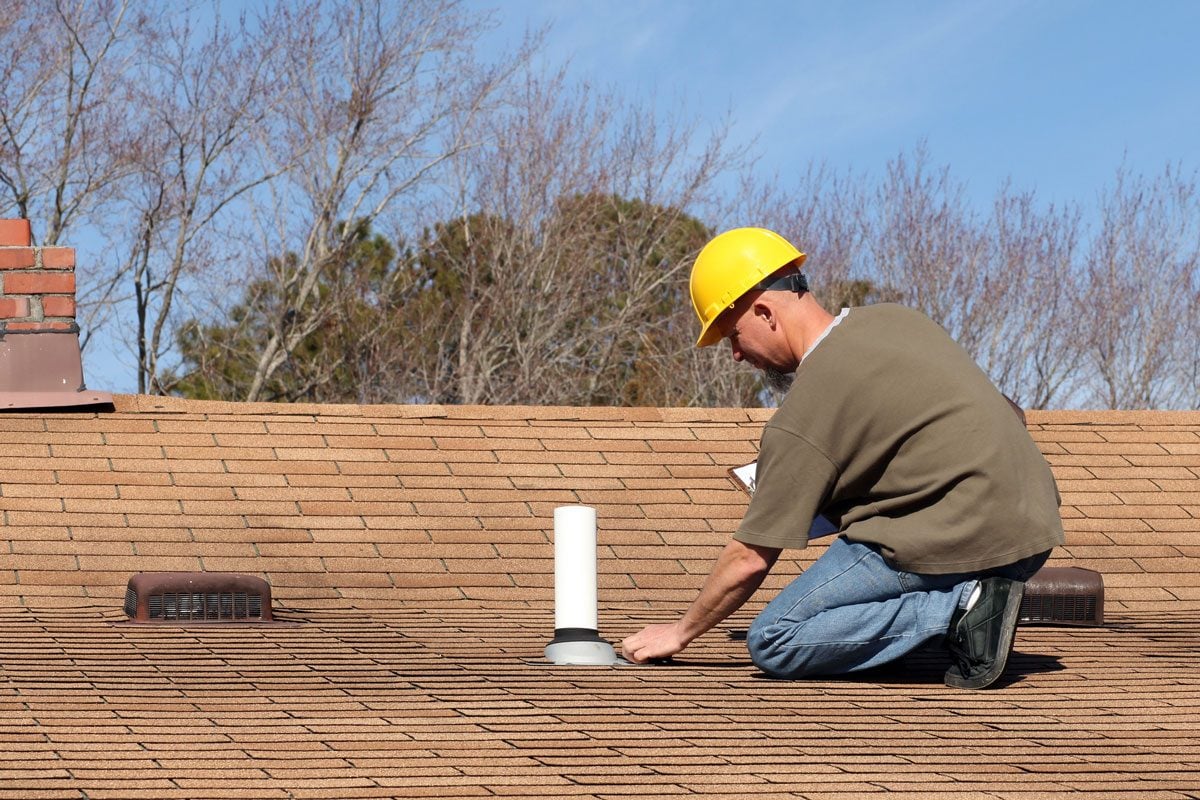
A roof is easy to ignore because it rarely sends calendar invitations. It simply sits above your home, quietly handling rain, wind, snow, heat, falling branches, and the occasional squirrel with ambitious real-estate plans. Then one day, a brown stain appears on the ceiling, and suddenly the roof becomes the most interesting part of the house.
Most roof problems begin small. A lifted shingle, cracked pipe boot, clogged gutter, or loose piece of flashing may not look dramatic, but water is patient. It can travel under roofing materials, soak insulation, stain drywall, encourage mold growth, and weaken the roof deck before you notice a single drip.
This guide covers 10 common roof problems, how to recognize them, what homeowners can safely do, and when it is time to call a qualified roofing contractor. The goal is not to turn you into a rooftop acrobat. It is to help you catch trouble before your ceiling begins impersonating a waterfall.
1. Roof Leaks and Interior Water Stains
What the problem looks like
Ceiling stains, peeling paint, damp insulation, musty odors, mold, and water running down an interior wall are classic signs of a roof leak. However, the visible stain may be several feet away from the actual opening. Water can enter near a chimney, vent, valley, or damaged shingle and then travel along roof decking or framing before dripping indoors.
What to do about it
During active leaking, protect the room first. Move furniture and electronics, place a container under the drip, and dry wet surfaces promptly. Check the attic with a flashlight, but avoid touching wet wiring or walking between ceiling joists. Look uphill from the wet area for dark decking, rusty nails, damp insulation, or daylight entering through the roof.
A roofer should inspect the exterior and trace the true entry point. Simply coating the visible area with roofing cement may hide the symptom without fixing failed flashing, damaged underlayment, or a cracked vent boot. After the leak is repaired, wet materials should be dried quickly because persistent moisture can lead to mold and additional structural damage.
Research support:
2. Missing, Cracked, or Curled Shingles
Why shingles become damaged
Asphalt shingles can crack, curl, lift, or disappear because of wind, hail, falling debris, aging, poor installation, or repeated exposure to intense sunlight. Once the overlapping shingle pattern is disrupted, wind-driven rain may reach the underlayment and roof deck.
From the ground, inspect the roof with binoculars. Look for mismatched patches, exposed black underlayment, raised corners, broken tabs, or shingles scattered in the yard after a storm. A single missing shingle may be repairable, while damage across several slopes may indicate a larger storm or aging problem.
What to do about it
Replace isolated damaged shingles promptly with compatible materials. Matching the color perfectly can be difficult because older shingles fade, but weather resistance matters more than winning a neighborhood beauty contest.
Widespread curling, cracking, or repeated blow-offs deserve a professional inspection. The problem may involve brittle roofing, incorrect fastening, poor starter-strip installation, or a roof that is nearing the end of its useful service life. Do not walk across a steep, wet, icy, or fragile roof to investigate. A pair of binoculars is much cheaper than an ambulance ride.
Research support:
3. Damaged or Improperly Installed Flashing
Where flashing problems occur
Roof flashing is installed where water needs extra guidance, including chimneys, skylights, valleys, dormers, sidewalls, plumbing vents, and roof-to-wall intersections. When flashing rusts, separates, cracks, or was installed incorrectly, water can slip behind the roofing system.
One common trouble spot is the rubber or metal boot surrounding a plumbing vent. Sunlight and temperature changes can crack the collar even while nearby shingles still look healthy. Chimney flashing can also pull away as roofing materials and masonry expand and contract at different rates.
What to do about it
Minor sealant deterioration may sometimes be corrected with a roofing-compatible sealant, but caulk should not be treated as a magical substitute for properly layered flashing. Step flashing, counterflashing, valley metal, and pipe boots must direct water over the roofing below them rather than relying entirely on surface sealant.
Have a roofer repair loose flashing, replace corroded metal, and reinstall incorrectly layered components. Around masonry chimneys, the contractor may also need to inspect mortar joints and the chimney cap. Flashing repairs require careful sequencing; this is one area where “close enough” often translates to “wet drywall later.”
Research support:
4. Clogged, Loose, or Poorly Draining Gutters
How gutters affect the roof
Gutters are not technically the roof covering, but they are an important part of the drainage system. Leaves, pine needles, shingle granules, seed pods, and other debris can block water flow. Overflow may soak the fascia, stain siding, damage soffits, erode soil, or allow water to collect near the foundation.
Loose gutters can pull away from the fascia, while poorly pitched sections may hold standing water. In cold climates, clogged gutters can also contribute to ice accumulation along the eaves.
What to do about it
Clean gutters and downspouts regularly, especially after leaves fall or major storms pass. Flush downspouts from the top and confirm that water exits away from the foundation. Tighten loose hangers, repair leaking joints, and replace badly rusted or deformed sections.
Gutter guards can reduce large debris, but they are not maintenance-free force fields. Fine material may still collect, and the system should be checked periodically. Hire a professional when gutters are several stories high, difficult to reach, or attached to damaged fascia.
Research support:
5. Granule Loss and Aging Asphalt Shingles
What granules actually do
The small mineral granules covering asphalt shingles are not decorative sprinkles. They help shield the asphalt from ultraviolet exposure and physical wear. Some loose granules are normal on a newer roof, but heavy accumulation in gutters or bare patches on shingles can indicate advanced deterioration or storm damage.
Other signs of an aging roof include faded color, brittle shingles, exposed fiberglass mat, recurring leaks, cracked sealant, and repairs appearing in several unrelated areas.
What to do about it
Have isolated bald or damaged shingles evaluated for replacement. When granule loss is widespread, patching individual shingles may provide only temporary relief. A roofing contractor should inspect the entire system, including underlayment, flashing, ventilation, and decking, before recommending repair or replacement.
Age alone does not determine roof condition. Climate, installation quality, roof slope, tree coverage, ventilation, maintenance, and storm exposure all influence performance. Think of the roof’s age as one clue, not a courtroom confession.
Research support:
6. Poor Attic Ventilation and Moisture Buildup
Signs of a ventilation problem
A balanced attic ventilation system allows outdoor air to enter through lower intake vents and warmer, moisture-laden air to leave through upper exhaust vents. Problems can arise when soffit vents are blocked by insulation, exhaust vents are insufficient, bathroom fans discharge into the attic, or incompatible vent types interfere with one another.
Warning signs may include condensation on nails, damp or compressed insulation, musty odors, mold, rusted fasteners, peeling exterior paint, warped decking, or recurring ice dams. Excessive attic moisture can contribute to decay of the roof sheathing and reduce the effectiveness of insulation.
What to do about it
Confirm that kitchen and bathroom exhaust fans vent outdoors rather than into the attic. Keep soffit openings clear with properly installed baffles, seal air leaks around ceiling penetrations, and have a contractor evaluate whether intake and exhaust ventilation are balanced.
Adding random roof vents is not automatically the answer. Ventilation works as a system and should be designed for the roof structure, climate, insulation strategy, and local building requirements. More holes in the roof are helpful only when they are the right holes in the right places.
Research support:
7. Moss, Algae, and Lichen Growth
Is the green stuff dangerous?
Dark streaks on asphalt shingles are often caused by algae, while thick green growth is more likely moss. Algae may be primarily cosmetic, but moss can hold moisture against the roof surface and grow beneath shingle edges. In freezing climates, retained moisture can freeze and contribute to material damage.
Growth is common on shaded roof slopes and homes surrounded by trees. Overhanging branches reduce sunlight, drop organic debris, and make the roof a pleasant little resort for moss.
What to do about it
Trim branches where appropriate to improve sunlight and airflow, while maintaining safe clearance from the roof. Remove loose debris with gentle methods and use a roof-cleaning product approved by the roofing manufacturer.
Avoid aggressive pressure washing, wire brushes, or harsh scraping. These methods can loosen granules, lift shingles, and turn a cosmetic issue into a repair project. Heavy growth, steep slopes, or fragile roofing should be handled by a qualified roof-cleaning or roofing professional.
Research support:
8. Sagging Roof Deck or Structural Deformation
Why a roof may sag
A visibly sagging roofline is more serious than a crooked shingle. Potential causes include long-term moisture damage, weakened sheathing, overloaded structural members, inadequate framing, foundation movement, or excessive snow accumulation.
Inside the attic, warning signs may include cracked rafters, separated framing connections, dark or soft decking, bowed structural members, and roof surfaces that visibly dip between supports. A sagging ceiling may also indicate saturated drywall or insulation.
What to do about it
Keep people away from the affected area and contact a qualified roofer, structural engineer, or both. Do not attempt to straighten framing with improvised posts or remove structural members without professional guidance. If sagging appears suddenly after a storm, heavy snowfall, falling tree, or impact, treat the situation as urgent.
Structural roof repairs may involve replacing damaged decking, reinforcing or replacing framing, correcting moisture sources, and rebuilding affected roofing sections. This is not a weekend project unless your weekend occupation happens to be structural engineering.
Research support:
9. Ice Dams Along the Eaves
How ice dams form
Ice dams develop when heat escaping from the home warms an upper portion of a snow-covered roof. Meltwater flows downward and refreezes near the colder eaves. As ice accumulates, additional water may back up beneath shingles and enter the roof assembly.
Large icicles, ice-filled gutters, wet attic insulation, and stains near exterior walls can indicate a problem. Removing the visible ice may offer temporary relief, but the underlying issue often involves heat loss, air leakage, insulation gaps, or ventilation deficiencies.
What to do about it
From the ground, a roof rake may be used carefully to reduce snow near the eaves. Avoid chopping ice with axes, hammers, or garden tools, which can damage shingles and create a surprisingly expensive sculpture.
For long-term prevention, have the attic evaluated for air leaks, insufficient insulation, blocked ventilation paths, and heat sources entering the roof space. During reroofing in cold climates, appropriate self-adhering membrane at vulnerable eaves and valleys can provide additional protection when installed according to code and manufacturer requirements.
Research support:
10. Storm, Hail, Wind, and Falling-Tree Damage
What to inspect after severe weather
High winds can lift shingles, loosen ridge caps, bend flashing, and tear roofing away at vulnerable edges. Hail may bruise asphalt shingles or damage metal components. Falling branches can puncture the roof, crack decking, or damage rafters even when the opening is not obvious from the yard.
After a storm, inspect safely from the ground. Look for missing shingles, displaced metal, dented gutters, debris on the roof, damaged vents, broken skylights, and roofing material around downspouts. Inside, check ceilings and the attic for new moisture.
What to do about it
Photograph visible damage before cleanup, note the date of the storm, and prevent additional interior damage when it is safe to do so. Contact a reputable roofing contractor for a complete inspection and notify your insurer promptly when the damage may be covered.
Insurance commonly distinguishes sudden storm damage from deterioration caused by age or neglected maintenance. Coverage, deductibles, exclusions, and claim deadlines vary, so review your policy rather than assuming every leak comes with a complimentary new roof.
A temporary tarp may help protect an exposed area, but installing one on a damaged roof can be dangerous. Emergency tarping is best left to trained professionals with proper access and fall protection.
Research support:
How to Decide Between Roof Repair and Replacement
A localized repair may make sense when the roof is generally sound and the damage is limited to a few shingles, one pipe boot, a small flashing section, or a clearly defined storm impact. Replacement becomes more practical when problems are widespread, leaks keep returning, decking is deteriorated, several roof slopes are failing, or repair costs are accumulating without solving the underlying issue.
Ask the contractor to explain the cause, not merely point at the symptom. A useful inspection should consider shingles or other roof coverings, flashing, valleys, vents, penetrations, roof edges, gutters, attic conditions, underlayment where visible, and structural decking. Request photographs and a written scope describing which materials will be removed, replaced, or reused.
When comparing estimates, look beyond the bottom-line price. Review contractor licensing where required, insurance, workmanship coverage, manufacturer requirements, ventilation work, flashing details, cleanup, disposal, permits, and how hidden decking damage will be handled. The cheapest estimate can become the most expensive choice when half the necessary work is missing from the proposal.
Research support:
Practical Experiences and Lessons From Real-World Roof Problems
The smallest stain deserves attention
One of the most useful lessons from dealing with roof trouble is that the size of an interior stain does not reveal the size of the problem. A homeowner may notice a mark no larger than a dinner plate and assume the leak began that morning. In reality, insulation may have been absorbing water for weeks before it finally became saturated enough to stain the ceiling.
The better response is to document the stain, check whether it changes after rain, inspect the attic safely, and schedule a roof evaluation. Waiting for the stain to grow is not a diagnostic strategy. It is simply allowing the house to produce a larger visual aid.
Leaks do not always occur directly below the damage
Water frequently travels along nails, rafters, decking seams, underlayment, and electrical or plumbing penetrations. In one common scenario, moisture appears near the center of a bedroom even though the failed flashing is several feet uphill beside a vent pipe. Repairing shingles directly above the ceiling stain would not solve the problem.
Experienced roofers work backward from the interior evidence, inspect likely entry points, and consider how wind and roof slope move water. Homeowners can help by explaining whether the leak occurs during heavy rain, wind-driven rain, snowmelt, or every storm. Those details can narrow the diagnosis considerably.
Repeated caulking is often a warning sign
A tube of sealant is useful for the right repair, but repeated surface caulking around chimneys, skylights, valleys, and walls often indicates that the flashing system was never corrected. Fresh sealant may stop water briefly, then crack as materials move through seasonal temperature changes.
When the same area requires attention every year, ask whether flashing should be removed and rebuilt rather than coated again. A durable roof repair usually relies on proper layering and drainage. Sealant should support that system, not serve as the entire system while hoping gravity takes the week off.
The attic often tells the truth first
Exterior shingles may look acceptable from the street while the attic shows rusty fasteners, dark decking, mold-like growth, damp insulation, or daylight around a penetration. A simple attic inspection after a strong storm can reveal early warning signs before water damages finished rooms.
Use a bright flashlight and step only on structural framing or a safe walkway. Do not disturb electrical wiring, compressed insulation, or suspected mold. When conditions are difficult to access, take photographs from the opening and let a professional complete the inspection.
Maintenance records can become surprisingly valuable
Keep dated photographs, inspection reports, invoices, warranty documents, and notes about storm events. These records help contractors understand previous work and may help distinguish sudden damage from long-term deterioration during an insurance claim.
Photograph each roof slope from the ground once or twice a year and after major storms. The images create a basic history of shingle condition, tree clearance, gutter alignment, and previous repairs. You do not need a drone fleet or a documentary crew. Clear phone photos stored in one folder are usually enough.
Safety should override curiosity
The most important practical lesson is knowing when not to climb. Wet shingles, loose granules, steep slopes, damaged decking, ice, moss, and high winds can make a roof dangerously slippery. Professional roofers use suitable ladders, footwear, access methods, and fall-protection equipment because gravity has never accepted an apology.
Homeowners can perform valuable observations from the ground, through upstairs windows, and from inside the attic. Leave high, steep, fragile, or storm-damaged roofs to trained professionals. Preventing a leak matters, but preventing a fall matters more.
Research support:
A Simple Roof Maintenance Routine
- Inspect the roof from the ground in spring and fall and after severe storms.
- Look for missing, cracked, curled, lifted, or unusually bare shingles.
- Check ceilings and attic areas for stains, dampness, odors, or mold.
- Keep gutters, downspouts, valleys, and roof drains clear.
- Trim hazardous branches and remove accumulated roof debris safely.
- Check flashing, pipe boots, vents, skylights, and chimney areas.
- Confirm that bathroom and kitchen fans discharge outdoors.
- Save photographs, repair invoices, warranties, and inspection reports.
- Schedule a professional inspection when damage is unclear or difficult to access.
Regular inspections do not guarantee a problem-free roof, but they improve the odds of finding minor damage before it becomes a major interior repair. A roof rarely fails all at once without warning. Usually, it whispers first through a loose shingle, a rusty nail, a clogged gutter, or a suspicious spot on the ceiling.
Research support:
Conclusion
The most common roof problemsincluding leaks, damaged shingles, failed flashing, clogged gutters, poor ventilation, moss, sagging, ice dams, aging materials, and storm damageare easier to manage when they are discovered early. The essential steps are simple: inspect regularly, control moisture, maintain drainage, document changes, and repair the cause rather than covering the symptom.
Some basic maintenance can be handled from the ground or inside the attic, but roof access carries serious fall risks. Call a qualified roofing professional when damage involves structural movement, widespread deterioration, active storm exposure, steep slopes, extensive flashing work, or repeated leaks. Your roof’s job is to protect the house. Your job is not to audition as a stunt double while inspecting it.