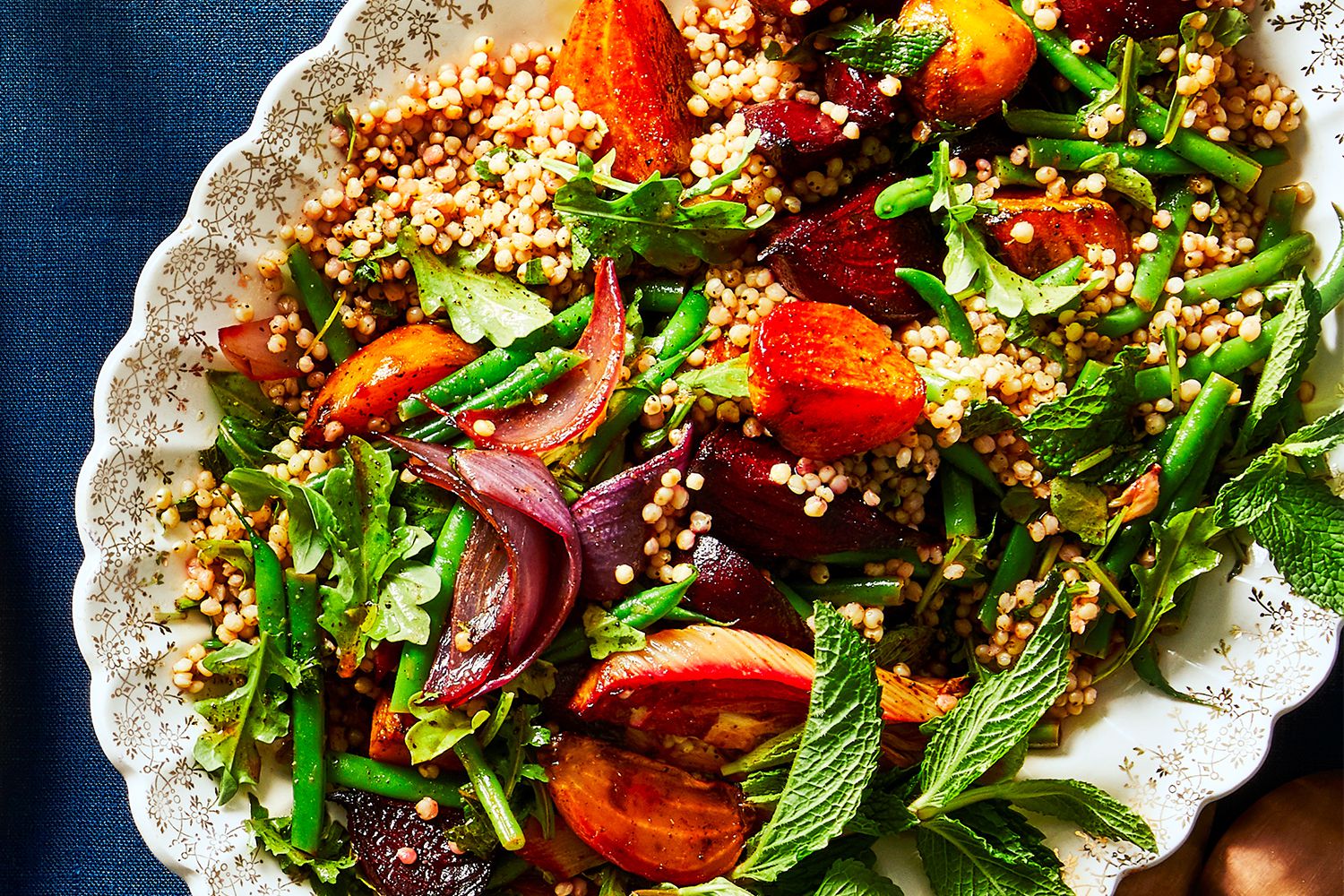
Whole grains are the quiet overachievers of the kitchen. They rarely make a dramatic entrance, they do not demand a spotlight like a towering chocolate cake, and nobody has ever yelled, “Surprise, it’s barley!” at a party. Yet these humble pantry staples can turn breakfast into something cozy, lunch into something filling, dinner into something hearty, and snacks into something you can feel genuinely good about eating.
If your idea of whole grain recipes begins and ends with plain brown rice, prepare for a delicious upgrade. Whole grains include oats, quinoa, barley, farro, bulgur, brown rice, wild rice, millet, buckwheat, whole wheat, rye, cornmeal, wheat berries, and more. They bring texture, nutty flavor, fiber, minerals, and a satisfying chew that refined grains often leave behind like a forgotten sock in the laundry.
The best part? Whole grain meals are not complicated. A pot of farro can become a lunch bowl, a warm salad, or a side dish. Oats can be baked, simmered, blended, or turned into chewy breakfast cookies. Quinoa works in soups, patties, stuffed peppers, and even breakfast bowls. Once you learn how to treat whole grains as flexible building blocks, your weekly meals become easier, tastier, and far less dependent on last-minute takeout decisions.
Below are 27 of our best whole grain recipes for every meal, arranged to help you eat well from sunrise to snack time. Each idea is approachable, practical, and built around real ingredients you can actually find without needing a treasure map or a culinary degree.
Why Whole Grain Recipes Deserve a Regular Spot on Your Table
Whole grains contain the bran, germ, and endosperm of the grain kernel. That means they keep more natural fiber, nutrients, and flavor than refined grains, which have parts of the kernel removed during processing. In everyday kitchen language, this means whole grains tend to be more filling, more textured, and more interesting on the plate.
They also play well with almost every flavor family. Brown rice loves soy sauce, sesame oil, roasted vegetables, beans, and salsa. Oats welcome berries, cinnamon, nuts, yogurt, and peanut butter. Barley is excellent in soups because it turns tender without losing its backbone. Farro has a chewy, nutty bite that makes salads feel restaurant-worthy, even when you are eating them from a container while answering emails.
How to Cook Whole Grains Without Overthinking It
Most whole grains follow a simple formula: simmer them in water or broth until tender, then drain or fluff. Some grains, like quinoa and bulgur, cook quickly. Others, such as wheat berries and hulled barley, take longer but reward you with excellent texture. Cook extra whenever you can. A container of cooked grains in the fridge is basically meal prep wearing a cape.
For better flavor, toast dry grains in a saucepan for a few minutes before adding liquid. Use broth instead of water for savory recipes. Add a bay leaf, garlic clove, lemon peel, or herbs while cooking. These small steps make whole grains taste intentional, not like the responsible side dish everyone politely ignores.
Whole Grain Breakfast Recipes
1. Apple-Cinnamon Overnight Oats
Overnight oats are the breakfast equivalent of doing your future self a favor. Combine rolled oats, milk or yogurt, diced apples, cinnamon, chia seeds, and a small drizzle of maple syrup. By morning, the oats are creamy, the apples are crisp, and breakfast is ready before your brain has fully joined the day.
2. Mixed Berry Baked Oatmeal
Baked oatmeal is perfect for families, meal prep, or anyone who wants breakfast to feel like a warm square of comfort. Stir oats with eggs, milk, vanilla, berries, nuts, and baking powder, then bake until set. It slices beautifully and reheats well, making it a smart weekday breakfast that does not taste like a compromise.
3. Savory Oatmeal Grain Bowl
Oats do not have to be sweet. Cook steel-cut oats with a pinch of salt, then top them with a soft egg, sautéed greens, mushrooms, scallions, and a spoonful of chili crisp or salsa. The result is creamy, savory, and deeply satisfying. Think risotto, but faster and far less dramatic.
4. Whole Wheat Banana Pancakes
Whole wheat flour gives pancakes a nutty depth that pairs beautifully with ripe bananas. Mash bananas into the batter, add cinnamon, and cook until golden. Serve with Greek yogurt, berries, or nut butter. These pancakes are fluffy enough for a weekend breakfast and sturdy enough to freeze for busy mornings.
5. Quinoa Breakfast Bowl with Peaches and Almonds
Cooked quinoa makes a surprisingly good breakfast grain. Warm it with milk, vanilla, and a pinch of cinnamon, then top with sliced peaches, almonds, and a spoonful of yogurt. It is light, protein-friendly, and perfect when you want a change from oatmeal but still want something cozy.
6. Whole Grain Breakfast Cookies
Breakfast cookies sound suspiciously fun, which is exactly why they work. Mix oats, whole wheat flour, mashed banana, nut butter, chopped walnuts, dried cherries, and a little cinnamon. Bake until chewy and golden. They are portable, kid-friendly, and excellent for mornings when sitting down to eat feels like an unrealistic fantasy.
7. Slow-Cooker Whole Grain Porridge
For a hearty breakfast that practically cooks itself, combine steel-cut oats, brown rice, barley, and quinoa in a slow cooker with milk or water. Let everything gently soften overnight. In the morning, add toppings such as dates, pears, pecans, cinnamon, or a splash of cream. It is the kind of breakfast that makes cold mornings less rude.
Whole Grain Lunch Recipes
8. Mediterranean Farro Salad
Farro is chewy, nutty, and excellent in make-ahead salads because it does not collapse into sadness after a few hours in the fridge. Toss cooked farro with cucumbers, cherry tomatoes, olives, chickpeas, feta, parsley, lemon juice, and olive oil. It is bright, filling, and ideal for packed lunches.
9. Brown Rice and Black Bean Burrito Bowl
This bowl proves that budget-friendly food can still feel exciting. Start with brown rice, then add black beans, roasted corn, avocado, salsa, shredded lettuce, and a squeeze of lime. A spoonful of Greek yogurt or a sprinkle of cheese adds creaminess. It is simple, colorful, and difficult to mess up.
10. Chickpea Quinoa Power Bowl
Quinoa cooks quickly and absorbs flavor beautifully. Pair it with chickpeas, roasted sweet potatoes, spinach, cucumber, and tahini-lemon dressing. The combination of tender vegetables, creamy dressing, and fluffy quinoa makes this bowl feel balanced without being boring.
11. Bulgur Tabbouleh with Grilled Chicken
Bulgur is a quick-cooking whole grain that shines in tabbouleh. Mix it with lots of parsley, mint, tomatoes, cucumber, lemon juice, and olive oil. Add grilled chicken, tofu, or white beans for a more complete lunch. It is fresh, herby, and proof that whole grain recipes can taste light and lively.
12. Barley Vegetable Soup
Barley brings comfort-food energy to soup. Simmer it with carrots, celery, onions, tomatoes, garlic, herbs, and vegetable or chicken broth. Add beans or shredded chicken if you want extra substance. The barley thickens the broth slightly and gives every spoonful a pleasant chew.
13. Wild Rice Chicken Salad
Wild rice has a deep, earthy flavor that pairs well with roasted chicken, celery, grapes, toasted almonds, and a light yogurt-based dressing. Serve it over greens or tuck it into lettuce cups. It is a lunch that feels polished enough for company but practical enough for Tuesday.
14. Whole Wheat Veggie Wrap
A good wrap is all about contrast. Spread hummus on a whole wheat tortilla, then layer roasted vegetables, spinach, shredded carrots, cucumbers, and a little feta or turkey. Roll tightly and slice in half. It travels well and gives you vegetables, whole grains, and flavor in one neat package.
Whole Grain Dinner Recipes
15. Farro Fried “Rice”
Swap white rice for cooked farro in a fried rice-style dinner. Stir-fry garlic, ginger, peas, carrots, scallions, and eggs, then add farro and a splash of low-sodium soy sauce. The chewy grain holds up beautifully and gives the dish a nutty flavor. Leftover farro is especially good here because it stays firm.
16. Quinoa-Stuffed Bell Peppers
Stuffed peppers are a classic for a reason: they look impressive while secretly being very manageable. Fill bell peppers with quinoa, black beans, tomatoes, corn, onions, spices, and a little cheese. Bake until the peppers are tender and the filling is bubbling. Serve with avocado or salsa for a colorful dinner.
17. Whole Wheat Pasta Primavera
Whole wheat pasta has a heartier flavor than regular pasta, making it a natural match for vegetables. Toss it with zucchini, bell peppers, cherry tomatoes, peas, garlic, olive oil, lemon zest, and Parmesan. The result is fresh, satisfying, and faster than arguing about what to order for delivery.
18. Brown Rice Turkey Meatball Skillet
This skillet dinner combines brown rice, turkey meatballs, tomato sauce, spinach, and Italian herbs. Cook the meatballs separately or simmer them right in the sauce, then serve over warm brown rice. It is cozy, protein-rich, and family-friendly without requiring a mountain of dishes afterward.
19. Wheat Berry and Roasted Vegetable Bowl
Wheat berries are chewy, hearty, and excellent with roasted vegetables. Combine cooked wheat berries with roasted carrots, Brussels sprouts, red onions, and a tangy mustard vinaigrette. Add goat cheese or toasted walnuts if you like. This dinner is earthy, colorful, and especially good in cooler months.
20. Millet and Vegetable Curry
Millet is mild, fluffy, and wonderful under saucy dishes. Serve it with a vegetable curry made from cauliflower, chickpeas, tomatoes, coconut milk, and warm spices. The millet soaks up the sauce without becoming heavy, giving you a comforting dinner that feels both simple and special.
21. Salmon and Barley Bowl
Barley and salmon make a hearty, balanced dinner. Top cooked barley with roasted salmon, steamed green beans, cucumbers, dill, and a lemon-yogurt sauce. The barley adds chew, the salmon brings richness, and the lemon keeps everything bright. It is the kind of meal that looks fancy but behaves nicely on a weeknight.
22. Buckwheat Soba Noodle Stir-Fry
Soba noodles made with buckwheat offer a nutty flavor and quick cooking time. Toss them with stir-fried broccoli, mushrooms, carrots, edamame, sesame oil, and a ginger-soy sauce. Rinse the noodles after cooking to keep them from sticking. This dinner is fast, flavorful, and much better than letting vegetables slowly wilt in the crisper drawer.
Whole Grain Snacks, Sides, and Sweet Treats
23. Parmesan Popcorn with Herbs
Popcorn is a whole grain, and it deserves more respect than being drowned in fake butter at the movies. Air-pop kernels, then toss them with olive oil, grated Parmesan, garlic powder, and dried herbs. It is crunchy, savory, and perfect for snack attacks that arrive with dramatic urgency.
24. Cornmeal Blueberry Muffins
Whole grain cornmeal gives muffins a sunny color and pleasant texture. Fold blueberries into a cornmeal and whole wheat batter, then bake until golden. These muffins work for breakfast, snacks, or an afternoon coffee break. They are sweet enough to feel like a treat but not so sweet that they hijack the whole day.
25. Brown Rice Pudding with Cinnamon
Brown rice pudding is creamy, comforting, and a great way to use leftover rice. Simmer cooked brown rice with milk, cinnamon, vanilla, and a touch of sweetener until thick. Add raisins or chopped dates if you like. It tastes nostalgic, but the whole grain gives it extra texture and depth.
26. Rye Toast with Avocado and Egg
Dense rye bread makes a flavorful base for a quick meal or snack. Toast it, spread with mashed avocado, and top with a sliced boiled egg, cracked pepper, and a squeeze of lemon. It is simple, satisfying, and ready faster than most people can find their missing phone charger.
27. Oat and Nut Energy Bites
For a no-bake snack, mix rolled oats, peanut butter, ground flaxseed, honey, chopped nuts, and mini chocolate chips or dried fruit. Roll into small bites and chill. They are practical for lunchboxes, road trips, after-school snacks, or any moment when hunger appears and starts making executive decisions.
How to Build Better Whole Grain Meals
The secret to loving whole grain recipes is not forcing yourself to eat plain grains out of a bowl while pretending you are thrilled. The secret is pairing them with flavor. Add acid, fat, herbs, spice, crunch, and color. A grain bowl with brown rice, roasted vegetables, beans, avocado, lime, and salsa is completely different from a scoop of plain brown rice sitting alone like it has been grounded.
Use grains as a base, not the entire personality of the meal. Add roasted vegetables for sweetness, legumes for substance, herbs for freshness, nuts or seeds for crunch, and sauces for excitement. Tahini dressing, pesto, salsa verde, yogurt sauce, vinaigrette, peanut sauce, and chili oil can all transform simple whole grains into meals you actually look forward to eating.
Another smart strategy is batch cooking. Make a pot of quinoa, farro, barley, or brown rice at the beginning of the week. Store it in the refrigerator and use it in different ways: breakfast bowls on Monday, lunch salads on Tuesday, soup on Wednesday, stir-fry on Thursday, and stuffed peppers by the weekend. One pot of grains can quietly solve several meals.
Common Mistakes to Avoid When Cooking Whole Grains
First, do not underseason the cooking liquid. Whole grains absorb flavor as they cook, so a pinch of salt, broth, herbs, or aromatics can make a big difference. Second, do not assume every grain cooks at the same speed. Quinoa may be ready in about 15 minutes, while wheat berries can take much longer. Third, do not skip texture. Whole grain recipes shine when you combine soft, crisp, creamy, and crunchy ingredients.
Finally, do not treat whole grains as punishment food. They are not here to ruin dinner. They are here to make meals more interesting, more filling, and more flexible. When cooked well and paired with bold flavors, whole grains can be just as craveable as any refined grain dish.
Experience Notes: What Cooking 27 Whole Grain Recipes Teaches You
After cooking with whole grains regularly, the biggest lesson is that they reward planning but do not require perfection. A bowl of cooked farro in the refrigerator can rescue a chaotic lunch. A batch of overnight oats can make a busy morning feel less like a fire drill. A container of brown rice can become burrito bowls, fried rice, soup, or a quick side dish. Whole grains are not flashy, but they are reliable in the way every kitchen needs.
One of the most useful experiences is learning which grains match your schedule. Oats, quinoa, bulgur, and whole wheat couscous are great when time is short. Barley, wheat berries, and wild rice are better for days when you can let something simmer while you do other things. Once you understand the timing, cooking whole grains becomes less intimidating. You stop seeing them as “health food” and start seeing them as ingredients with different personalities.
Texture is another big discovery. Farro gives salads a satisfying chew. Barley makes soup feel cozy and substantial. Quinoa is light and fluffy, which makes it perfect for bowls and stuffed vegetables. Brown rice is dependable and familiar, while wild rice adds drama with its deep color and earthy flavor. Even popcorn, the most snackable whole grain, reminds you that whole grains do not have to be serious to be worthwhile.
Flavor improves dramatically when you stop cooking grains in plain water every single time. Broth, garlic, bay leaves, lemon zest, and toasted spices can turn an ordinary pot of grains into something that tastes layered and intentional. Toasting grains before simmering also adds a subtle nuttiness. It is a tiny step, but it makes the kitchen smell better and the final dish taste richer.
Another practical lesson is that sauces matter. A lemony vinaigrette can wake up farro salad. Tahini sauce makes quinoa bowls creamy and bold. Salsa turns brown rice and beans into a lunch you actually want. Yogurt sauce softens the heartiness of barley or wheat berries. When a whole grain dish feels flat, it usually does not need more complexity; it needs brightness, salt, or a good sauce.
Cooking these recipes also teaches flexibility. You can swap quinoa for millet, farro for barley, brown rice for wild rice, or oats for a mixed-grain porridge. You can use roasted vegetables in one season and fresh tomatoes in another. You can make recipes vegetarian, add chicken or fish, or turn leftovers into something new. Whole grain cooking is forgiving, which is wonderful because real life rarely follows a perfectly printed recipe card.
Most importantly, whole grain recipes make everyday meals feel more complete. They add substance without heaviness and flavor without fuss. Whether you are making a warm breakfast, a packed lunch, a family dinner, or a snack that keeps everyone from raiding the pantry like tiny raccoons, whole grains offer a dependable starting point. Keep a few varieties on hand, learn their cooking times, and let them become the backbone of meals that are simple, nourishing, and genuinely enjoyable.
Conclusion
Whole grain recipes are not just “better-for-you” versions of familiar meals. They are flavorful, flexible, and deeply satisfying in their own right. From apple-cinnamon overnight oats to farro salad, barley soup, quinoa-stuffed peppers, soba stir-fry, and Parmesan popcorn, whole grains can show up at every meal without repeating themselves.
The best approach is to start small. Choose one or two grains you already enjoy, cook extra, and use them throughout the week. Add bright sauces, roasted vegetables, fresh herbs, beans, lean proteins, fruit, nuts, and spices. Before long, whole grains stop feeling like an obligation and start feeling like a pantry advantage.
Whether you are feeding a family, packing lunches, planning make-ahead breakfasts, or simply trying to add more variety to dinner, these 27 whole grain recipes offer a delicious place to begin. Your pantry is ready. Your saucepan is waiting. And yes, popcorn absolutely counts.
Note: This article is written as original, publication-ready HTML content based on real whole-grain cooking and nutrition guidance, with no source links or citation markers inserted inside the article body.