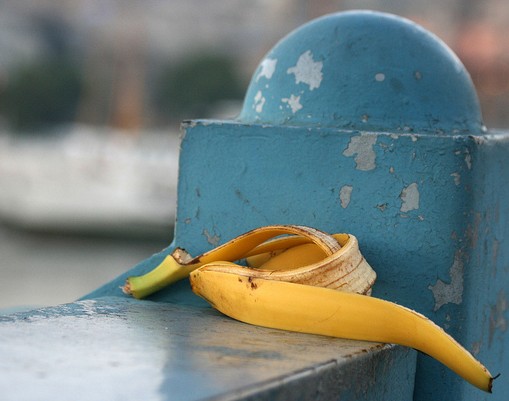
Some joys are loud. A surprise party. A last-second game-winning shot. Finding a twenty-dollar bill in a jacket pocket you haven’t worn since “going-out jeans” were still a personality. But other joys are tiny, quiet, and oddly specific. They happen in the kitchen before school, beside the office trash can, or over the sink while you are trying to eat breakfast like a functioning adult. One of those miniature miracles is the moment when those little stringy things come off with the banana peel.
Yes, banana strings. The clingy, pale, threadlike strips that sometimes stick to the fruit like they signed a long-term lease. They are the small inconvenience standing between you and a smooth banana experience. When they peel away cleanly with the skin, it feels like the universe briefly reviewed your morning and said, “You know what? Let’s make this one easy.”
This article celebrates that oddly satisfying moment in the spirit of 1000 Awesome Things, the beloved project that made everyday pleasures feel worthy of a victory parade. We’ll explore what those banana strings actually are, why they exist, why it feels so good when they leave with the peel, and how this tiny kitchen win says something surprisingly big about attention, gratitude, and the joy hiding in plain sight.
The Tiny Banana Victory Nobody Talks About Enough
Peeling a banana should be easy. That is part of the banana’s brand. Apples make you chew. Oranges demand fingernail sacrifice. Pineapples require equipment and emotional preparation. A banana, by contrast, is nature’s snack with a built-in zipper.
But then come the strings.
You peel back the yellow jacket and there they are: delicate little threads running down the fruit. They are not dangerous. They are not dirty. They are not a sign that the banana has betrayed you. But they are texturally suspicious. They interrupt the smooth bite. They cling to the fruit with the persistence of a pop-up ad. Some people ignore them. Others perform a quick de-stringing ritual with the concentration of a surgeon removing a splinter from a toddler.
That is why it feels so good when they come off with the peel. No extra picking. No tiny strings under your fingernail. No awkward moment where half the banana gets accidentally dented because you were trying to remove one thread and somehow created fruit trauma. Just peel, pull, done. Clean banana. Clean mood.
What Are the Little Stringy Things on Bananas?
The official name for those little strings is phloem bundles. That sounds like something a biology teacher writes on the board while the class quietly wonders if it will be on the test. But the idea is simple: phloem bundles are part of the banana’s vascular system. They help move nutrients, sugars, and water through the growing fruit.
In other words, the strings are not random fruit lint. They are tiny delivery routes. While the banana grows, these strands help feed it. They are part of the reason the banana becomes a banana instead of a sad yellow idea with no follow-through.
Are Banana Strings Safe to Eat?
Yes. Banana strings are safe to eat. They are part of the fruit. If you accidentally eat one, nothing dramatic happens. No alarm sounds. No banana committee arrives to revoke your snack privileges.
Some people dislike the texture, which is completely fair. Food is not only about nutrients; it is also about mouthfeel, memory, and whether your breakfast suddenly feels like dental floss. But nutritionally and biologically, phloem bundles belong there. They are edible, harmless, and less mysterious once you know their job.
Why Do Some Bananas Have More Strings Than Others?
Bananas vary. Ripeness, variety, handling, storage, and even how you peel them can affect whether the strings stay on the fruit or come off with the peel. A banana that is very firm may hold onto its strands more stubbornly. A ripe banana may peel more smoothly, especially if the skin separates cleanly from the fruit.
The banana’s condition also matters. Bruising, chilling, or rough transport can change texture. Anyone who has bought bananas on Monday and met banana bread ingredients by Thursday understands how quickly the fruit can move through its life stages.
Why This Moment Feels So Satisfying
The joy of string-free banana peeling is not really about bananas. Not entirely. It is about friction disappearing. It is about expecting a small annoyance and then not having to deal with it.
That feeling shows up everywhere. The sticker comes off a jar without leaving glue. The USB cable goes in correctly on the first try. The fitted sheet folds into something that looks slightly less like a haunted napkin. The parking meter has eleven minutes left. These are not life-changing events, but they are little reminders that life does not always have to resist you.
When the banana strings come off with the peel, breakfast becomes more elegant than expected. For two seconds, the world is well-designed.
The 1000 Awesome Things Connection
1000 Awesome Things became popular because it understood something important: happiness is not only found in vacations, milestones, promotions, or dramatic movie-ending moments. Sometimes happiness is hidden in small, universal experiences that are so ordinary we almost forget to notice them.
The project’s countdown style turned everyday observations into little celebrations. Instead of treating small pleasures as background noise, it gave them a spotlight. That is exactly why “when those little stringy things come off with the banana peel” works so well as an awesome thing. It is specific. It is funny. It is familiar. And once someone points it out, you cannot unsee it.
The next time you peel a banana and the strings come away perfectly, you will probably think, “Oh. That really is awesome.” Congratulations. You have been gently recruited into the society of people who notice snack-based miracles.
Bananas Are Already Pretty Awesome
The string situation is only one chapter in the banana’s long résumé of convenience. Bananas are portable, naturally sweet, affordable in many places, and easy to eat without utensils. They fit into lunchboxes, gym bags, backpacks, cereal bowls, smoothies, pancakes, muffins, and emergency “I forgot to eat real food” moments.
A medium banana generally provides carbohydrates for quick energy, fiber, potassium, vitamin B6, vitamin C, magnesium, and manganese. That does not mean bananas are magic. They will not answer your emails or clean your room. But as everyday fruit goes, they are practical, nourishing, and impressively low-maintenance.
Bananas and Energy
Bananas are popular before workouts because they offer easily digestible carbohydrates. The natural sugars come packaged with fiber and micronutrients, making them a friendlier snack than many ultra-processed sweet options. Pair a banana with peanut butter, yogurt, oats, or nuts, and you have a more balanced mini-meal that can keep you going longer.
Bananas and Ripeness
A green banana and a speckled banana are basically two different personalities wearing the same outfit. Green bananas contain more resistant starch, which behaves somewhat like fiber. As bananas ripen, starch converts into sugars, making the fruit softer and sweeter. That is why a very ripe banana is perfect for baking: it mashes easily and brings natural sweetness to banana bread, muffins, pancakes, and smoothies.
Ripening is influenced by ethylene, a natural plant hormone involved in fruit maturation. This is why bananas can speed up the ripening of nearby fruit. It is also why storing bananas separately, keeping them at room temperature, or refrigerating them once ripe can change how long they last.
The Comedy of Banana Preferences
Bananas are weirdly personal. Some people like them greenish and firm, when they taste clean and mild. Others want them yellow with a few freckles, at the sweet spot between snack and dessert. Then there are the banana bread loyalists, who look at a banana covered in brown spots and see not decay, but destiny.
Banana strings fall into the same category of personal preference. Some eaters do not care. They bite straight in and continue with their day like fearless fruit warriors. Others remove every strand with careful precision, as if preparing the banana for a passport photo.
Neither group is wrong. Food rituals are part of the pleasure of eating. The way you peel, slice, mash, freeze, or inspect a banana says less about the banana and more about how you like your little routines to feel.
Why Small Pleasures Matter
It is easy to dismiss tiny pleasures as silly. After all, the world is full of serious things. Bills exist. Deadlines exist. Socks disappear in dryers with no legal consequences. Why spend mental energy celebrating a clean banana peel?
Because noticing small good things is a form of attention. It trains the mind to see relief, humor, and comfort in ordinary places. That does not erase problems, but it does add texture to the day. It reminds you that life is not only made of big worries. It is also made of tiny wins.
When you laugh at a banana string coming off perfectly, you are not pretending life is flawless. You are simply letting a small good thing be good. That is a healthy instinct. It is also free, which is excellent because joy with no subscription fee is increasingly rare.
How to Get a Better Banana-Peeling Experience
There is no guaranteed way to make every phloem bundle leave with the peel, but a few habits can improve your chances of a cleaner banana moment.
Choose the Right Ripeness
If you want a smooth eating banana, look for yellow skin with minimal bruising and maybe a few light speckles. Very green bananas may be firmer and less sweet. Very ripe bananas may be softer and more likely to bruise, although they are excellent for baking.
Try Peeling From the Bottom
Many people peel bananas from the stem, but peeling from the blossom end can sometimes open the fruit more cleanly. Pinch the bottom tip, split the peel, and pull it back. This method may reduce squishing and can make the peel separate neatly from the fruit.
Store Bananas With a Plan
Keep bananas at room temperature while they ripen. Once ripe, you can move them to the refrigerator to slow further softening, though the peel may darken. If bananas become too ripe for snacking, peel and freeze them for smoothies or baking. Frozen banana chunks are basically smoothie gold and dessert backup in one.
Specific Examples of Banana String Joy
Picture this: you are late for school or work. You grab a banana because it is the only breakfast that does not require a plate, a pan, or faith in your time-management skills. You peel it while walking toward the door. The peel slides down, and every string goes with it. Suddenly, the morning has one less problem. Tiny? Yes. Meaningless? Absolutely not.
Or imagine packing a lunch for a kid. The sandwich is slightly crooked. The snack bag refuses to seal. The water bottle is leaking in a way that feels personally targeted. Then you peel a banana halfway to make it easier for small hands, and the strings come off perfectly. It feels like a parenting award no one will ever give you, so you silently give it to yourself.
Or maybe you are making banana bread. The bananas are deeply speckled, soft, and dramatic. You peel them over the mixing bowl, and the strings come away with the skin. No fishing around in the batter. No weird fibrous surprise in the loaf. Just sweet banana pulp ready to become comfort food. That is not baking. That is choreography.
What This Tiny Moment Teaches Us
The banana string moment teaches a simple lesson: pleasure often lives in the removal of unnecessary effort. We feel delight when something works the way we hoped it would. We feel relief when a small task is easier than expected.
Modern life is full of micro-frictions. Password resets. App updates. Tangled cords. Forms that ask for the same information three times. Against that background, a banana peel doing its job beautifully feels almost luxurious. It is a reminder that smoothness matters. Ease matters. Little design victories matter.
And maybe that is why this particular awesome thing is so memorable. It turns an ordinary fruit into a small celebration of convenience. The banana does not need to be perfect. It just needs to give you one clean peel.
Experience Section: Personal Moments With the Banana String Miracle
There is a special kind of breakfast confidence that arrives when a banana peels cleanly. It does not make you a better person, exactly, but it does make you feel briefly organized. I have had mornings where everything seemed to be running on low battery: the coffee was too hot to drink, the toast came out with the emotional texture of cardboard, and my keys had apparently entered witness protection. Then I picked up a banana, pulled down the peel, and watched every string slide away with it. It was not enough to fix the whole morning, but it was enough to make me pause and think, “Okay, we are not completely doomed.”
That is the funny thing about small pleasures. They do not solve life, but they interrupt the spiral. A clean banana peel is not a promotion, a vacation, or a surprise refund from the internet company. It is smaller than that. But because it is small, it sneaks past our defenses. You do not have to schedule it. You do not have to earn it. You just notice it.
I remember once eating a banana outside on a rushed afternoon, balancing a bag, a phone, and the kind of to-do list that makes your brain sound like a printer jam. I peeled the banana one-handed, expecting chaos. Instead, the peel opened perfectly, and the strings went with it in tidy little lines. For a second, I admired the fruit like it had performed a magic trick. No one nearby noticed. That was fine. Some victories are private.
Another time, I watched someone carefully remove banana strings before eating, one by one, with the seriousness of a person defusing a tiny yellow bomb. When the next banana peeled cleanly, their face changed immediately. It was not a huge smile, more like a quiet nod of approval. The banana had passed inspection. The day could proceed.
These experiences are easy to laugh at, but they point to something real. We all have tiny standards for how we want the world to behave. We want tape to tear evenly. We want cereal bags to open without ripping down the side. We want avocado halves to separate cleanly. And yes, we want banana strings to leave with the peel. When these things happen, the brain receives a little message: “Here, this part is easy.”
That message matters. Especially on days when many things are not easy. A smooth banana peel is a tiny act of mercy from the produce aisle. It gives you a snack without negotiation. It gives you sweetness without cleanup. It gives you one moment where nature, design, timing, and luck all shake hands.
So the next time those little stringy things come off with the banana peel, do not rush past it. Take the win. Hold the clean banana like a trophy for half a second. Appreciate the quiet engineering of fruit. Then eat it before it gets bruised, because even awesome things have deadlines.
Conclusion: A Small Peel, a Big Mood
When those little stringy things come off with the banana peel, the moment is funny because it is so small and yet so satisfying. It combines convenience, texture, surprise, and relief into one simple breakfast event. The strings themselves are phloem bundles, useful parts of the banana that helped the fruit grow. They are safe to eat, but when they disappear with the peel, the whole snack feels cleaner and happier.
That is the charm of this awesome thing. It reminds us that joy does not always arrive with fireworks. Sometimes it arrives quietly, attached to a banana peel, leaving behind a smooth piece of fruit and a slightly better day.