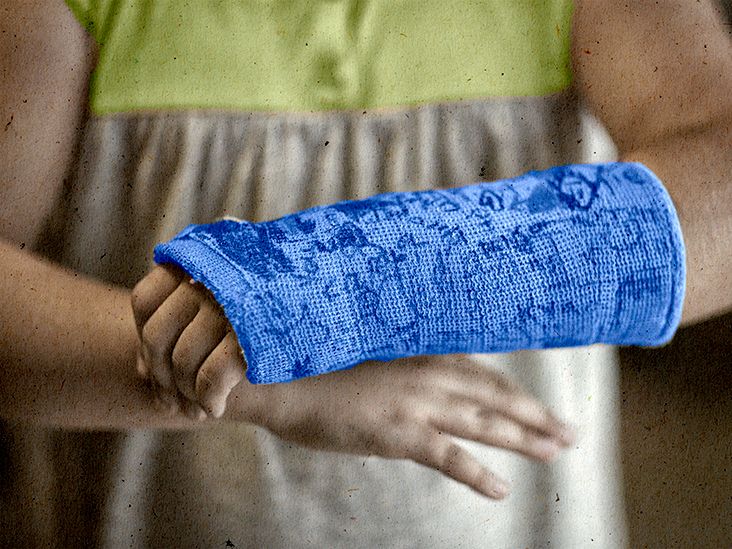
Bones are tough, but they are not indestructible. Give one enough force, too much repetition, or a sneaky medical condition that weakens it from the inside, and even the strongest bone can crack, split, or break. That is a fracture. It sounds dramatic because, frankly, it often is. One minute you are stepping off a curb like a perfectly normal human; the next, your ankle is sending a strongly worded complaint to your brain.
Fractures are common injuries that affect people of every age, from kids who treat playgrounds like action-movie sets to older adults whose bones may be more fragile because of osteoporosis. Some fractures are small hairline cracks that heal with rest and patience. Others are complex injuries that need realignment, surgery, rehab, and a serious rethinking of weekend sports ambitions.
This guide breaks down the main types of fractures, what causes them, the symptoms to watch for, how doctors diagnose them, and what treatment and recovery usually involve. The goal is simple: help you understand what is happening when a bone breaks and what comes next.
What Is a Fracture?
A fracture is a partial or complete break in a bone. It can happen suddenly after trauma, such as a fall, car accident, or sports collision. It can also develop gradually from repetitive stress, especially in athletes, runners, and people whose jobs involve repeated impact. In some cases, a bone breaks more easily because it has already been weakened by osteoporosis, infection, tumors, or other medical conditions.
Not all fractures look the same. Some are clean and stable. Some shift out of place. Some break the skin. Some involve a joint surface, which can make treatment more complicated. That is why “broken bone” is a broad label, while the exact fracture type helps determine the best treatment plan.
Common Types of Fractures
Closed Fracture
A closed fracture means the bone is broken, but the skin is still intact. This is the most common category. It can still be painful, swollen, and serious, but the infection risk is lower than with an open fracture because the skin barrier has not been broken.
Open Fracture
An open fracture, sometimes called a compound fracture, means the broken bone has pierced the skin or there is a wound that exposes the fracture site. This is an emergency because bacteria can enter the wound and increase the risk of infection. Treatment usually includes urgent cleaning, antibiotics, stabilization, and often surgery.
Displaced Fracture
In a displaced fracture, the broken bone ends have moved out of their normal alignment. These fractures often need a procedure called reduction, in which the bone is moved back into position before being immobilized with a splint, cast, or surgical hardware.
Nondisplaced Fracture
A nondisplaced fracture means the bone has cracked or broken but remains in proper alignment. These injuries are often easier to treat because the bone pieces are already in a reasonably good position for healing.
Comminuted Fracture
A comminuted fracture means the bone has broken into three or more pieces. This type usually results from high-energy trauma, such as a car crash or a hard sports injury. Because the bone is fragmented, treatment can be more complex and surgery is more likely.
Transverse, Oblique, and Spiral Fractures
These terms describe the direction of the break. A transverse fracture goes straight across the bone. An oblique fracture angles across it. A spiral fracture twists around the bone and is often caused by a twisting force. Spiral fractures can look especially dramatic on an X-ray, which is unfortunate because X-rays already have a flair for drama.
Compression Fracture
Compression fractures most often affect the vertebrae in the spine. They can happen after trauma, but in older adults they are frequently linked to osteoporosis. These fractures may cause sudden back pain, height loss over time, or a more stooped posture.
Stress Fracture
Stress fractures are tiny cracks caused by repetitive force rather than one major injury. They are common in the feet and lower legs of runners, dancers, military recruits, and athletes who increase training too quickly. The pain often starts gradually and gets worse with activity.
Pathologic Fracture
A pathologic fracture happens when a bone breaks more easily because it has been weakened by another condition, such as osteoporosis, a bone tumor, or certain metabolic bone diseases. In these cases, the fracture is only part of the story. Doctors also need to treat the underlying cause.
Greenstick Fracture
This type is more common in children, whose bones are softer and more flexible than adult bones. A greenstick fracture bends and cracks the bone without breaking it all the way through, a bit like trying to snap a fresh twig that refuses to cooperate completely.
What Causes Fractures?
Fractures happen when more force is applied to a bone than it can handle. The most common causes include falls, sports injuries, direct blows, workplace accidents, and motor vehicle crashes. A simple slip on a wet floor can do it. So can a tackle, a bicycle wipeout, or a missed step on the stairs.
But trauma is not the only cause. Repetitive stress can gradually wear down bone tissue, especially when activity increases faster than the body can adapt. That is why stress fractures tend to show up in people who suddenly add mileage, intensity, jumping, or long shifts on hard surfaces.
Certain health conditions also raise fracture risk. Osteoporosis is a major one because it reduces bone strength and can make even minor falls dangerous. Other risk factors include poor nutrition, low calcium or vitamin D intake, smoking, heavy alcohol use, some medications like long-term steroids, hormonal changes, and diseases that affect bone metabolism. Age also matters. Children fracture bones because they move fast and think later. Older adults fracture bones because balance, muscle strength, and bone density may decline over time.
Symptoms of a Fracture
Fracture symptoms can vary by location and severity, but several warning signs show up again and again. Pain is the big one, often sudden and sharp after an injury. Swelling, bruising, and tenderness around the area are also common. The injured body part may look misshapen or out of place, and moving it may be difficult or impossible.
Some people hear or feel a snap at the time of injury. Others notice that they cannot put weight on a leg, grip with a hand, or move a joint normally. With an open fracture, there may be bleeding or visible bone. Numbness, tingling, pale skin, or a body part that looks cold can suggest nerve or blood vessel problems and need urgent attention.
Stress fractures are trickier because symptoms can start subtly. Instead of a dramatic pop, the first sign may be a dull ache that worsens during activity, eases with rest, then returns more aggressively if ignored.
When to Seek Emergency Care
Get urgent medical help if a bone is sticking through the skin, there is heavy bleeding, the limb looks deformed, the pain is severe, the person cannot move or bear weight, or the injury involves the head, neck, spine, hip, or a large long bone. Emergency care is also important if there is numbness, discoloration, or concern that circulation is compromised.
How Fractures Are Diagnosed
Doctors usually start with a physical exam and a description of how the injury happened. They check for swelling, deformity, tenderness, circulation, nerve function, and range of motion. Then imaging confirms the diagnosis.
X-rays are the standard first test for most fractures. They show whether the bone is broken, whether the pieces are aligned, and whether the joint is involved. CT scans may be used for more detailed views, especially in complex fractures or fractures involving the spine, pelvis, or joint surfaces. MRI can help detect stress fractures or soft tissue injuries that do not show clearly on regular X-rays. In some cases, bone density testing may be recommended, especially after a fragility fracture in an older adult.
Treatment for Fractures
Fracture treatment depends on the bone involved, the location of the break, how far the pieces have shifted, whether the fracture is open or closed, and the person’s age and overall health. The basic goals are to align the bone, control pain, prevent complications, and restore normal function.
First Aid Before Medical Care
If you suspect a fracture, keep the injured area still. Do not try to push a protruding bone back in. Apply a wrapped ice pack to reduce swelling, control bleeding if needed, and seek medical care promptly. If the limb looks badly deformed or the person has severe pain or signs of shock, emergency evaluation is the safer move.
Immobilization
Many fractures heal with immobilization alone. A splint may be used first because it allows room for swelling. A cast, brace, boot, or sling may follow. The idea is simple: bones heal better when they are not being jostled around like loose items in a backpack.
Reduction
If the bone is out of alignment, a doctor may perform a closed reduction. This means moving the bone back into position without surgery, usually with pain control or sedation. If that is not possible, an open reduction may be needed, which means surgical realignment.
Surgery
Some fractures need surgery, especially open fractures, unstable fractures, fractures that involve joints, and breaks in which the bone pieces are too far apart or too fragmented to heal well on their own. Surgeons may use plates, screws, rods, pins, or wires to hold the bone in place while it heals. In severe injuries, external fixation may be used, with pins placed into bone and connected to a frame outside the body.
Pain Management and Rehabilitation
Pain management may include ice, elevation, rest, and medication. Once the bone has stabilized enough, physical or occupational therapy often becomes an important part of treatment. Rehab helps restore strength, flexibility, balance, and function. Without it, even a healed fracture can leave behind stiffness and weakness that linger far longer than welcome houseguests.
Treating the Underlying Cause
For fragility or pathologic fractures, treatment should not stop at the break itself. Doctors may evaluate for osteoporosis and recommend bone-strengthening medication, calcium, vitamin D, exercise, fall prevention, and follow-up care to lower the risk of another fracture.
Healing Time, Recovery, and Possible Complications
Healing time varies widely. Some small fractures begin to feel much better within a few weeks, while larger or more complex fractures may take several months to heal. Children often heal faster than adults. Smokers, people with diabetes, and people with poor circulation or weak bone quality may heal more slowly.
Recovery is not just about the bone knitting back together. It also involves regaining movement, rebuilding muscle, improving balance, and returning to normal daily activities without pain. For athletes, that may mean a gradual return to sport instead of jumping back in the moment the cast comes off. Bones heal on their own schedule, and they are not impressed by optimism alone.
Complications can include infection, especially in open fractures; malunion, where the bone heals in the wrong position; nonunion, where it fails to heal properly; stiffness; chronic pain; arthritis if the joint surface was involved; and nerve or blood vessel injury. These risks are one reason prompt diagnosis and follow-up matter so much.
How to Help Prevent Fractures
You cannot bubble-wrap the entire world, but you can lower fracture risk. Staying active with weight-bearing and strength-training exercise helps support bone and muscle health. Good nutrition matters too, especially enough calcium, protein, and vitamin D. For older adults, balance training, home safety changes, and regular vision checks can reduce falls. People with a fragility fracture should talk with a healthcare professional about osteoporosis screening and treatment.
For athletes and active adults, prevention often comes down to pacing. Increase training gradually, wear appropriate footwear and protective gear, and give your body recovery time. Stress fractures love two things: overconfidence and ignored warning signs.
Real-World Experiences With Fractures and Recovery
Fractures are medical events, but they are also deeply personal experiences. The medical chart may say “distal radius fracture” or “ankle fracture status post fixation,” but what patients remember is often much more human: the moment everything changed, the loss of independence, the frustration of healing slowly, and the small victories that suddenly feel huge.
One common experience is the athlete or active adult with a stress fracture. At first, it feels like an annoying ache, not a real injury. They ice it, rest for a day, then go right back to training. The pain returns, gets sharper, and eventually forces a doctor’s visit. What surprises many people is not just the diagnosis, but the treatment: rest. Real rest. No heroic “pushing through.” For people used to solving problems by trying harder, that can feel emotionally tougher than the injury itself. Recovery becomes a lesson in patience, consistency, and respecting the body’s limits.
Another common story is the older adult who breaks a wrist or hip after what seemed like a minor fall. The injury can be physically painful, but the emotional impact may be even bigger. Many people describe a sudden loss of confidence. They become afraid of falling again, walking outside alone, or even using the stairs. In that situation, treatment is not only about the bone healing. It is also about restoring independence, addressing bone health, improving balance, and helping the person feel safe in their own routine again.
Parents of children with fractures often describe a very different experience. Kids may cry hard at first, then ask for snacks ten minutes later while the adults are still emotionally spiraling. A child’s fracture can be frightening, but pediatric bones often heal well. The bigger challenge is usually practical: keeping the cast dry, stopping spontaneous trampoline ambitions, and explaining for the fifteenth time why the cast is not a toy drum. Once healing begins, children often bounce back with impressive speed.
Adults who need surgery for a fracture frequently talk about how recovery comes in stages. First there is pain control and swelling. Then there is the awkward phase of learning to move safely with a sling, boot, crutches, or walker. After that comes rehab, where progress can feel slow and weirdly uneven. One week you cannot open a jar or walk down stairs normally. A few weeks later, you are celebrating because you can finally tie your shoe without creating a one-person crisis. These milestones may seem small from the outside, but they matter enormously during recovery.
People also often mention how tiring fracture recovery can be. Healing bone takes energy. Sleep may be disrupted. Daily tasks become slower. Work, school, sports, driving, and even showering can suddenly require planning worthy of a military operation. That is normal. Recovery is not laziness. It is biological construction work.
Perhaps the most important shared experience is this: most people improve, but they rarely do it in a perfectly straight line. There are good days, stiff days, impatient days, and “why is opening this door suddenly a full-body project?” days. The people who tend to recover best are often not the ones who rush hardest. They are the ones who follow the plan, go to follow-up appointments, do the rehab, and allow healing to happen one steady step at a time.
Final Thoughts
Fractures range from tiny stress cracks to major trauma, but the basic idea is the same: a bone has been pushed past its limit. Understanding the fracture type, cause, symptoms, and treatment plan helps make the situation less overwhelming and can improve recovery. Some fractures heal with little more than time and immobilization. Others need reduction, surgery, rehab, and treatment of an underlying condition such as osteoporosis.
The key is not to ignore a suspected fracture, even if the injury does not look dramatic. Prompt evaluation, the right treatment, and solid follow-up can protect function, reduce complications, and help you get back to normal life with fewer detours and a lot less avoidable misery.
Disclaimer: This article is for informational purposes only and is not a substitute for medical advice, diagnosis, or treatment. If you think you may have a fracture, seek care from a qualified healthcare professional.