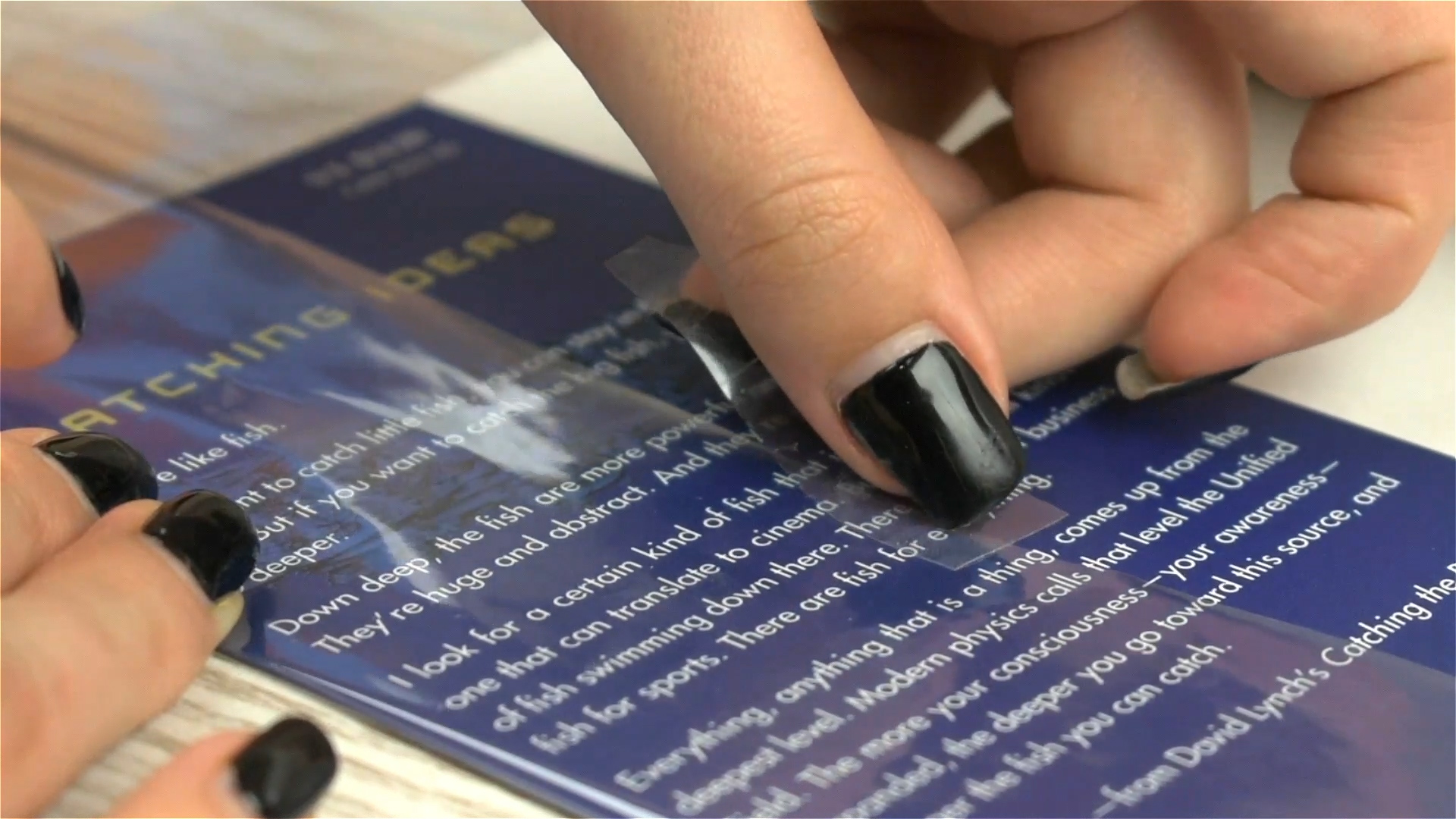
Paperback books live hard lives. They get stuffed into backpacks, folded into beach bags, wedged under airplane seats, and treated like emotional support waffles during rainy commutes. Then one day you look down and realize your once-handsome novel now has dog-eared corners, a curling cover, and a spine that looks like it just lost a bar fight.
The good news is that clear plastic film can give a paperback a much longer life. The better news is that you have options. Some methods are fast and permanent. Some are removable and more book-friendly. And some are ideal for people who want protection without turning their favorite paperback into a sticky craft project with trust issues.
In this guide, you’ll learn three smart ways to cover a paperback book with clear plastic film, how to choose the right method for your kind of book, what mistakes to avoid, and what real-world experience teaches after you’ve covered more than a few paperbacks. Whether you’re protecting school books, beloved cookbooks, manga, paperbacks for a lending shelf, or that one mystery novel you keep rereading every summer, there’s a method here that fits.
Why cover a paperback book with clear plastic film?
A clear plastic cover does three simple but useful things: it protects the printed cover from abrasion, helps resist moisture and dirt from everyday handling, and gives the book a little more structure. For paperbacks that get used often, that can make a noticeable difference.
Covering a paperback is especially helpful when the book is:
- Used in class, commuting, or travel
- Handled by multiple readers
- Stored on a crowded shelf where covers rub together
- Prone to curling, scuffing, or splitting at the hinges
- Part of a small home library you actually want to keep looking nice
That said, not every paperback should be wrapped the same way. A cheap, high-circulation reading copy can handle a permanent adhesive cover. A signed edition, art book, collectible paperback, or sentimental favorite usually deserves a removable option.
Before you start: pick the right material
Before you put plastic anywhere near paper, pause for one tiny but heroic moment and choose the right product. This matters more than people think.
Best materials for paperback protection
- Self-adhesive book-cover film: Best for permanent protection on reading copies and school books.
- Nonadhesive pouch-style clear covers: Best when you want easy application and no glue directly on the book.
- Archival polyester sheets or rolls: Best for removable, custom-made jackets and long-term safer protection.
- pH-neutral book tape: Useful for reinforcing weak spines, hinges, or corners after covering.
What to avoid
- Cheap household contact paper with unknown adhesive quality
- Regular office tape on the cover or spine
- Overly thick plastic that makes opening the book awkward
- Anything applied to a damp, dirty, or moldy book
Also, if your paperback has chalky, friable, flaking, or highly delicate surface media, treat it gently and skip any method that pulls, clings, or creates static. That kind of book is asking for professional conservation, not a weekend makeover.
Method 1: Use self-adhesive clear plastic film for a durable everyday cover
This is the classic method for paperbacks that are meant to be used, loaned, hauled around, and generally put through modern life. It gives you a smooth, full-cover wrap and strong protection against wear. It is also the least removable method, so use it on reading copies, not collectibles.
Best for
Textbooks, children’s paperbacks, travel guides, recipes, workbooks, manga you reread constantly, and any paperback that earns its keep.
What you need
- Self-adhesive clear plastic book-cover film
- Sharp scissors or a craft knife
- Ruler
- Bone folder, credit card, or smoothing tool
- Clean, flat work surface
How to do it
- Clean the cover first. Wipe away dust and make sure the book is completely dry. Plastic film traps whatever you leave underneath, including crumbs, lint, and regret.
- Measure generously. Cut a piece of film large enough to cover the front, spine, and back, plus extra on all sides for turn-ins.
- Start with the backer partially peeled. Don’t remove the entire backing sheet at once unless you enjoy chaos. Peel a small section first.
- Align one area carefully. Place the exposed adhesive onto the book cover and check that the film is straight before moving on.
- Smooth from the center outward. Use your smoothing tool to press air away as you slowly peel more backing. Work in stages.
- Wrap the edges. Trim excess at the corners if needed, then fold the film neatly over the top, bottom, and outer edges.
- Handle the spine gently. Don’t yank the film across the spine. Let it sit smoothly so the book can still flex when opened.
Why this method works
A good self-adhesive cover creates a strong protective skin over the paperback’s printed surface. It helps prevent rubbing, keeps the cover art readable, and can dramatically cut down on corner wear. On books that live in backpacks or get borrowed often, it’s a practical winner.
Common mistakes
- Applying film crooked and trying to rescue it after it fully bonds
- Stretching the film too tightly across the spine
- Leaving bubbles because you peeled too much backing at once
- Using it on a rare or sentimental book you may later want uncovered
If your paperback’s hinges are already weak, you can reinforce them afterward with a narrow strip of clear, pH-neutral book tape. That gives support without turning the whole project into a plastic fortress.
Method 2: Use a nonadhesive pouch-style clear cover for fast, low-risk protection
If the idea of sticky film makes you sweat, this method is your friend. A nonadhesive pouch-style cover wraps the paperback in transparent plastic without gluing the whole surface. It’s fast, neat, and a lot less nerve-racking for beginners.
Best for
Book clubs, home libraries, paperbacks you want to protect without committing to permanent adhesive, and people who want a cleaner application with fewer bubbles.
What you need
- A pre-made nonadhesive clear book cover or pouch-style cover
- A ruler
- Scissors if trimming is required
How to do it
- Measure the book. You usually need the book’s height and the full width across front cover, spine, and back cover.
- Choose the right size. If the product line offers sizes by height and doubled width, follow that sizing logic closely.
- Slide the book into the cover. Depending on the style, you may insert one cover first, then the other, or slide the whole book into a pouch.
- Adjust carefully. Center the cover so it sits evenly and doesn’t bunch near the spine.
- Smooth lightly. Because there’s little or no full-surface adhesive, you won’t be battling the same bubble problem as with contact film.
Why this method works
It protects against dirt, light moisture, and general handling damage while keeping application simple. It also avoids fully bonding plastic to the paper cover, which makes this a better choice than permanent adhesive for books you may want to revisit, upgrade, or uncover later.
Potential downsides
- It may not look as seamless as a full adhesive wrap
- Very small mass-market paperbacks or oddly trimmed books can be trickier to fit
- It adds some bulk, which matters if you pack several books together
Still, for speed and sanity, this is one of the easiest ways to cover a paperback book with clear plastic film without making the book feel permanently altered.
Method 3: Make a removable custom jacket from archival polyester film
This is the most careful and flexible method. Instead of sticking plastic directly to the paperback, you create a custom removable jacket from clear archival polyester. It takes a little more measuring and folding, but it looks tidy and respects the book far more than a permanent wrap.
Best for
Favorite novels, signed copies, attractive cover art, artful paperbacks, books you may want to resell or preserve, and readers who care about reversibility.
What you need
- Clear archival polyester sheet or roll
- Ruler
- Scissors
- Bone folder
- Optional small pieces of pH-neutral tape applied to the jacket only, not the book itself
How to do it
- Measure the paperback. Measure height and total width across the front, spine, and back.
- Cut the polyester larger than the book. Leave enough extra on the left and right to fold inward as flaps.
- Score gentle folds. Lightly crease where the front cover, spine, and back cover will sit.
- Create inside flaps. Fold the extra material inward so the jacket grips the front and back covers the same way a dust jacket does.
- Fit the book. Slide the paperback into the new jacket and adjust until it sits square and snug.
- Secure only the jacket if necessary. If the jacket needs a tiny bit of help staying shaped, tape polyester to polyester, not polyester to the book.
Why this method works
Archival polyester is clear, stable, and durable. It protects the cover from rubbing and fingerprints while allowing the book to remain essentially unchanged. This is the best method when you want protection without the heartbreak of permanent adhesive on paper.
When this method is the smartest choice
Use a removable polyester jacket when the paperback has:
- Sentimental value
- A beautiful printed cover worth preserving
- A signed or limited aspect
- A delicate finish you don’t want adhesive touching
Which method is best for your paperback?
| Method | Best Use | Durability | Removability | Difficulty |
|---|---|---|---|---|
| Self-adhesive clear film | Heavy-use reading copies | High | Low | Moderate |
| Nonadhesive pouch-style cover | Quick home-library protection | Moderate to high | High | Easy |
| Custom archival polyester jacket | Favorites and more valuable paperbacks | Moderate | Very high | Moderate |
Extra tips for a cleaner, better-looking result
- Work slowly. Most disasters happen because people rush the alignment.
- Use sharp tools. Dull scissors chew plastic and make ragged edges.
- Mind the corners. Neat corner trimming makes the difference between “library-grade” and “wrapped by raccoons.”
- Don’t over-tighten the spine area. A paperback still needs to open and flex.
- Test on a cheap book first. Practice on something replaceable before you wrap your favorite annotated classic.
- Store the covered book properly. A cover helps, but good storage still matters. Keep books cool, dry, upright, and away from direct sun.
What not to do when covering a paperback
Even a good material can cause problems when used the wrong way. Avoid these common missteps:
- Putting clear film over an already dirty or greasy cover
- Using permanent adhesive on collectible or signed paperbacks
- Sealing in moisture after reading at the pool, beach, or bathtub of poor decisions
- Wrapping a book so tightly the spine cracks when opened
- Ignoring existing damage that should be repaired first
Real-world experiences: what you learn after covering a lot of paperbacks
After covering a stack of paperbacks, a few truths become impossible to ignore. First, every book behaves a little differently. Glossy covers are usually easier to wrap neatly because the surface is smooth and less grabby. Matte covers can look gorgeous when finished, but they also love to reveal every dust speck, tiny wrinkle, and microscopic air bubble as if they’ve signed a contract with drama itself.
Second, old paperbacks are humbling. A brand-new trade paperback sits flat, holds still, and politely cooperates. A ten-year-old mass-market paperback with a curled front cover and a tired spine? That book has opinions. You can still cover it successfully, but you have to work more slowly and support the spine while smoothing the film. Trying to force it flat all at once usually creates tension lines or warped edges that make the finished result look more “distressed” than “preserved.”
Another experience-based lesson is that removable covers are often more satisfying than people expect. Beginners sometimes assume a nonadhesive or custom polyester jacket will look sloppy, but when it’s measured well, it can look clean, crisp, and surprisingly professional. It also gives peace of mind. You’re not stuck with a permanent decision, which is wonderful if the book later turns out to be more special than you thought. Plenty of readers have covered a “regular old paperback,” only to realize later it was signed, out of print, or weirdly expensive online. Surprise.
You also learn very quickly that corners separate the pros from the optimists. Most of the book may look fantastic, then one badly trimmed corner shows up like a crooked picture frame in a fancy hotel. Taking an extra minute on the corners makes the entire cover look intentional. The same goes for bubbles: tiny ones near the edge are usually fixable, while giant bubbles in the middle are the visual equivalent of yelling, “I got impatient.”
One of the most useful real-life habits is matching the method to the book’s job. Heavy-use books get permanent adhesive film. Favorite novels get removable jackets. Fragile books get minimal intervention and better shelving rather than a full makeover. That simple decision saves time, materials, and future regret.
And finally, experience teaches that perfection is overrated. The goal is not to create a museum object from a paperback that already rode in your tote bag next to a leaking water bottle and three pens with emotional instability. The goal is protection, longer life, and a book that still feels good to hold and easy to read. If the cover ends up neat, secure, and bubble-free enough that no one notices the work, congratulations: you won the paperback beauty pageant.
Conclusion
If you want the shortest possible answer, here it is: the best way to cover a paperback book with clear plastic film depends on whether you want durability, removability, or speed. Use self-adhesive film for hardworking reading copies, a pouch-style nonadhesive cover for convenience, and a custom archival polyester jacket for books you value more highly.
The trick is not just putting plastic on a book. The trick is choosing a method that respects how that book will be used. When the material is right and the fit is careful, clear plastic film can keep a paperback cleaner, sturdier, and shelf-ready for much longer. And that is a beautiful thing, because a beloved paperback deserves better than looking like it lost a wrestling match with your backpack zipper.