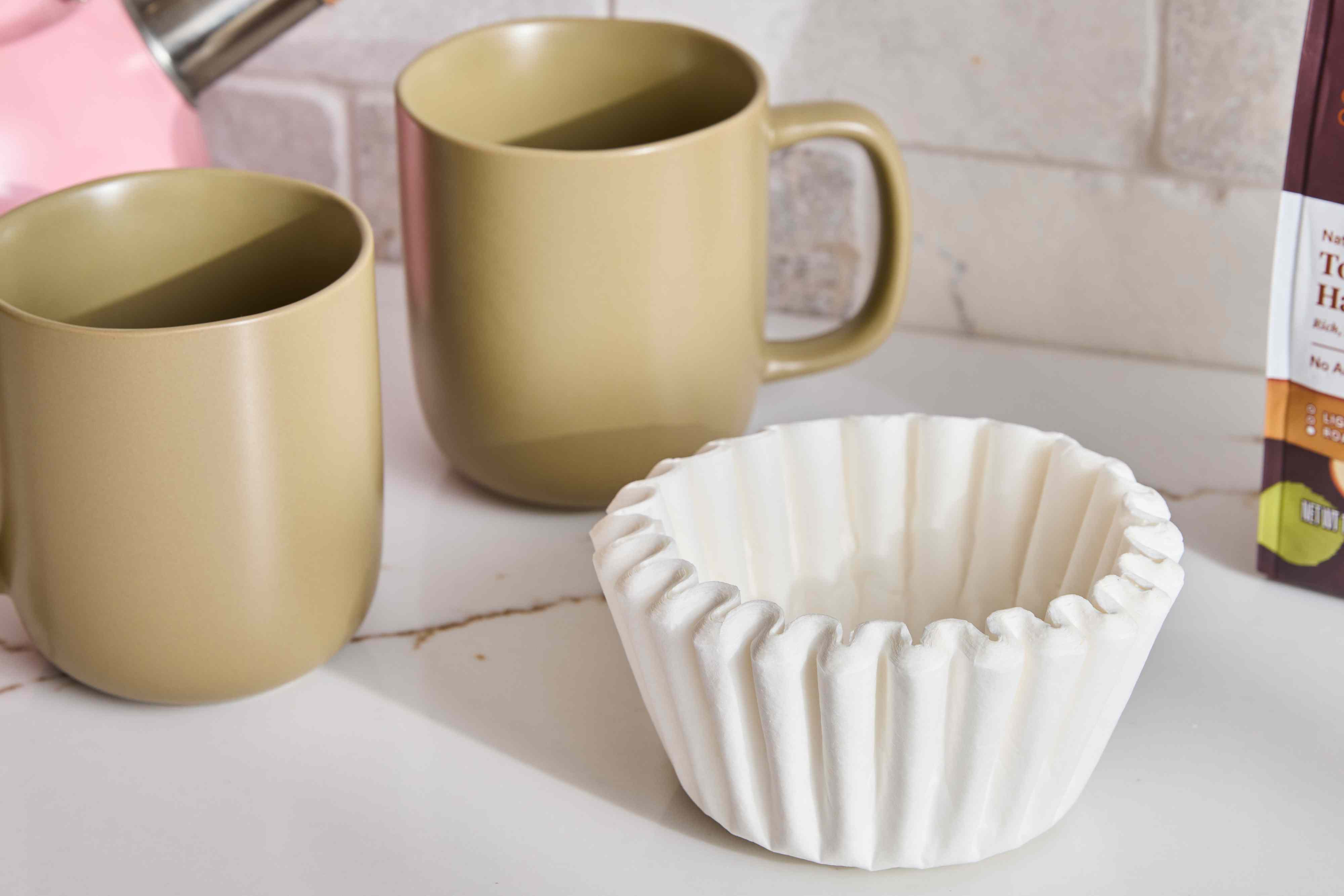
Coffee filters are the quiet overachievers of the kitchen drawer. They sit there politely, waiting to help you brew a cup of coffee, while secretly being capable of cleaning mirrors, saving houseplants, protecting dishes, catching grease, polishing glassware, and rescuing your microwave from tomato-sauce explosions. Not bad for something that costs just a few cents apiece.
If you have ever bought a giant pack of coffee filters and then switched to a French press, single-serve machine, or cold brew routine, do not toss them. Those simple paper cones and basket filters can become one of the most useful household tools you own. They are lightweight, absorbent, lint-free, flexible, and gentle enough for delicate surfaces. That combination makes them surprisingly handy in the kitchen, bathroom, living room, garden corner, and even your car.
Below are 17 clever uses for coffee filters around the house, plus real-life experience tips to help you use them better. Some ideas are practical. Some are borderline genius. A few may make you wonder why paper towels have been getting all the attention.
Why Coffee Filters Are So Useful Around the House
The secret is in the texture. Coffee filters are designed to let liquid pass through while holding back tiny coffee grounds. That means they are strong when slightly damp, absorbent enough for spills, and fine enough to trap dust or debris. Unlike many paper towels, they usually do not leave lint behind, which is why they work beautifully on shiny surfaces like glass, mirrors, chrome, and stainless steel.
They are also easy to shape. You can flatten them, fold them, wrap them, tie them into little pouches, or tuck them into flowerpots. Keep a stack in the kitchen, a few under the bathroom sink, and a handful in the car. Soon you will start seeing coffee filters less like coffee accessories and more like tiny household assistants wearing paper hats.
17 Clever Uses for Coffee Filters Around the House
1. Clean Windows Without Leaving Lint
One of the best uses for coffee filters is cleaning windows. Spray your favorite glass cleaner lightly onto the window, then wipe with a flattened coffee filter. Because coffee filters are lint-free, they help remove fingerprints, dust, and smudges without leaving behind fuzzy paper bits.
This works especially well on patio doors, kitchen windows, and small panes where streaks seem to appear the second sunlight hits. For best results, use one filter to clean and a second dry filter to buff the glass. Your windows will look cleaner, and you will not have to chase lint around like it owes you money.
2. Polish Mirrors for a Streak-Free Shine
Bathroom mirrors collect toothpaste dots, hairspray mist, steam marks, and mystery smudges that nobody in the house ever admits to making. Coffee filters can help. Lightly dampen a filter with glass cleaner or a simple vinegar-water solution, then wipe the mirror from top to bottom.
Use gentle overlapping strokes rather than scrubbing in random circles. Then buff with a dry filter. The result is a clean, clear mirror that does not look like it was attacked by a shedding napkin.
3. Wipe Down Stainless Steel Appliances
Stainless steel looks gorgeous until someone touches it once. Then suddenly the refrigerator door becomes a fingerprint museum. Coffee filters are gentle enough to wipe stainless steel surfaces without scratching them.
Use a slightly damp filter to remove smudges from refrigerator doors, dishwasher fronts, faucets, and toaster exteriors. Follow with a dry filter to polish. For extra shine, wipe in the direction of the grain. This small detail makes stainless steel look cleaner and more professional, like you meant to have your life together today.
4. Use Them as Microwave Splatter Covers
Reheating soup, pasta sauce, chili, or leftover curry can turn your microwave into a crime scene. Place a plain coffee filter over a bowl or plate before microwaving to help catch splatters. It allows steam to escape while reducing sauce explosions.
Use only plain paper filters, and make sure they are not touching heating elements or flames. Coffee filters are best for short microwave reheating sessions, not oven use. Keep a stack near the microwave so everyone in the house has no excuse for decorating the inside with spaghetti sauce.
5. Line Plant Pots to Keep Soil in Place
Before adding potting soil to a flowerpot, place a coffee filter over the drainage hole. The filter lets water drain while helping keep soil from spilling out the bottom. This is especially helpful for indoor plants sitting on shelves, windowsills, or saucers.
Unlike rocks, which can take up root space, a coffee filter is thin and flexible. It gradually breaks down over time, but by then the plant’s root system and settled soil usually help hold everything in place. It is a tiny trick that saves you from sweeping dirt every time you water your pothos.
6. Absorb Excess Grease from Fried Foods
Coffee filters can stand in for paper towels when you need to drain fried foods. Place a few filters on a plate, then set bacon, fries, onion rings, or fried chicken pieces on top for a short rest. The filter absorbs excess oil while keeping food from sitting directly in grease.
They are especially handy for small batches, like two strips of bacon or a handful of homemade tortilla chips. Do not use them in direct contact with open flames, stovetop burners, or hot pans. Think of them as a landing pad, not a cooking surface.
7. Separate Stacked Plates and Pans
If your plates, bowls, or pans are stacked tightly, coffee filters can act as soft separators. Place one filter between delicate dishes, nonstick pans, or cast-iron pieces before stacking. This helps reduce scratches, scuffs, and annoying clanking noises.
This is useful in small kitchens where cabinet space is limited and everything has to stack like a game of household Tetris. Coffee filters are thin, inexpensive, and easy to replace when they get dusty or worn.
8. Protect Cast-Iron Cookware During Storage
After cleaning and drying cast-iron cookware, place a coffee filter inside the pan before storing it. The filter can help absorb lingering moisture and prevent the pan from rubbing against other cookware. It also catches small traces of oil from seasoning, keeping cabinets cleaner.
Cast iron rewards people who keep it dry. A coffee filter is not a magic shield against rust, but it is a smart extra layer of protection, especially if your pans are stacked or stored in a humid kitchen.
9. Make a Simple Odor Absorber
Need to freshen a drawer, gym bag, closet, trash cabinet, or refrigerator corner? Add a few spoonfuls of baking soda to the center of a coffee filter, gather the edges, and tie it with string or a twist tie. You now have a small odor-absorbing pouch.
Place it where stale smells tend to collect. Replace it every few weeks, or sooner if it gets damp. You can also add a drop of essential oil to the outside of the filter for a light scent, but keep it subtle. A closet should smell fresh, not like it joined a lavender marching band.
10. Dust Electronics and Screens
Coffee filters are soft and lint-free, which makes them helpful for dusting TV screens, computer monitors, keyboards, remote controls, and phone cases. Use a dry filter for light dusting. For stubborn smudges, follow the device manufacturer’s cleaning instructions and avoid spraying liquid directly onto electronics.
Fold the filter into a small pad to clean around buttons and edges. It will not replace proper electronics wipes for every job, but it is perfect for quick dust removal before movie night or video calls.
11. Polish Wine Glasses and Drinking Glasses
Water spots can make clean glassware look dirty. After washing and drying glasses, use a dry coffee filter to polish the surface. Hold the glass up to the light and buff away spots, fingerprints, or cloudy-looking streaks.
This trick is especially useful before hosting guests. You do not need fancy polishing cloths to make glasses look table-ready. A coffee filter can give everyday glassware that “restaurant just handed me sparkling water in a dramatic goblet” feeling.
12. Catch Popsicle Drips
Kids, popsicles, and gravity are a dangerous team. Cut a small slit in the center of a coffee filter and slide the popsicle stick through it. The filter becomes a drip catcher, protecting hands, clothes, floors, and the sofa you definitely told everyone not to eat on.
This also works for ice cream bars and frozen fruit pops. Use basket-style filters for wider coverage. It is simple, cheap, and surprisingly effective during summer snack time.
13. Strain Small Amounts of Broth, Oil, or Sauce
When you need to strain a small amount of liquid, a coffee filter can help catch fine particles. Place it inside a small strainer or funnel, then pour slowly. This works for homemade broth, infused oil, bacon grease you plan to save, or sauces with tiny bits you want removed.
Go slowly because coffee filters are fine and can drain more gradually than a regular sieve. Do not force thick liquids through too aggressively or the filter may tear. Patience is the price of clarity, both in cooking and in group text messages.
14. Use as a Snack Bowl for Dry Foods
Coffee filters make quick disposable snack holders for popcorn, crackers, pretzels, grapes, cookies, or trail mix. Basket filters are especially good because they naturally form a small bowl shape.
This is useful for road trips, lunchboxes, picnics, movie nights, or kids who want “just a little snack” and somehow use three dishes to get it. Coffee filters are not ideal for wet foods, but for dry snacks, they are lightweight and convenient.
15. Prevent Scratches on Holiday Ornaments
Before packing delicate ornaments, wrap each one in a coffee filter or place filters between layers. They provide a soft barrier that helps prevent scratching and rubbing. This works for glass ornaments, ceramic decorations, small figurines, and other fragile seasonal items.
Coffee filters are easier to handle than large sheets of tissue paper when packing tiny decorations. Label the storage box clearly so next year you do not open it and wonder why your snowman collection is sleeping in breakfast supplies.
16. Hold Small Hardware During DIY Projects
When assembling furniture or repairing something around the house, use coffee filters to hold screws, nails, washers, bolts, and tiny parts. The paper surface keeps small pieces from rolling away, and the shallow bowl shape makes them easy to see.
You can also write labels directly on the filter, such as “top shelf screws” or “drawer handle parts.” This is far better than placing hardware on the floor and hoping your dog does not become emotionally attached to a washer.
17. Freshen Shoes with Baking Soda Pouches
For shoes that smell like they have lived a full and complicated life, make a coffee filter deodorizing pouch. Add baking soda to the center, tie it closed, and place one pouch inside each shoe overnight.
The baking soda helps absorb odors, while the coffee filter keeps powder from spilling into the shoe. This is great for sneakers, work shoes, gym bags, and seasonal boots coming out of storage. Replace the pouch regularly and keep it dry.
Safety Tips Before Using Coffee Filters Around the House
Coffee filters are useful, but they are still paper. Do not use them near open flames, hot burners, broilers, toaster ovens, or inside a regular oven. For microwave use, keep heating times reasonable and use plain paper filters only. Avoid filters with dyes, decorations, staples, plastic coatings, or unknown additives when they will touch food.
For cleaning, test first on delicate surfaces. A coffee filter is gentle, but the cleaner you pair it with may not be. Stone countertops, antique finishes, coated screens, and specialty appliances may need specific care. When in doubt, follow the manufacturer’s instructions.
How to Store Coffee Filters for Household Use
To make these coffee filter hacks practical, store filters where you will actually use them. Keep a stack near the microwave for splatter control, a few under the sink for cleaning mirrors, and some in the garage or tool drawer for small hardware. You can place them in a jar, basket, zip-top bag, or repurposed wipes container.
If you use both white and unbleached filters, reserve the unbleached ones for food-adjacent tasks and the white ones for cleaning if that helps you stay organized. The main goal is convenience. A household hack only works if it is easier than the thing you were already doing.
Experience Notes: What Actually Works Best in Real Life
After trying coffee filters around the house, the biggest surprise is how often they solve small, irritating problems. They are not dramatic. They will not reorganize your pantry or convince your laundry to fold itself. But they quietly make daily chores smoother, especially in places where paper towels feel wasteful or cloths leave lint behind.
The first place coffee filters prove their worth is on mirrors. Bathroom mirrors are brutal because every streak shows. A regular paper towel can leave lint, and some cloths smear product around if they are not perfectly clean. A coffee filter feels almost too flimsy at first, but once you flatten it and wipe in steady strokes, it works beautifully. The trick is not to soak it. A lightly misted surface and a dry filter for buffing usually give the best finish.
They are also excellent in the kitchen, especially for microwave messes. A coffee filter over a bowl of leftovers is one of those habits that seems tiny until you stop scrubbing dried sauce from the microwave ceiling. It is especially useful for tomato sauce, oatmeal, beans, and soups. The filter is light, so it may shift if the bowl is too small or the food bubbles aggressively. Choosing a larger basket filter helps because it covers more surface area.
For houseplants, coffee filters are a quiet hero. Anyone who has watered a newly potted plant and watched soil leak out the bottom knows the frustration. A filter over the drainage hole keeps the mess contained without blocking water. It is especially helpful for small indoor pots, hanging planters, and herbs on a kitchen windowsill. The filter settles naturally under the soil, and you forget it is there until you realize the shelf is not covered in dirt.
In the garage or junk drawer, coffee filters are surprisingly useful during repairs. Screws and tiny hardware love to disappear. Put them in a coffee filter, and suddenly they stay together. You can label the filter, fold it, and move it from room to room. This is far better than balancing screws on the arm of the couch while assembling furniture and then blaming the universe when one vanishes.
The only coffee filter uses that require a little caution are food straining and grease absorption. Filters can strain fine particles, but they drain slowly. If you pour too fast, you may end up with a torn filter and a dramatic kitchen sigh. Use a strainer or funnel for support and pour gradually. For greasy foods, filters work well for small amounts, but paper towels may still be more practical for a large batch of fried chicken or bacon.
Overall, coffee filters are best for quick, low-risk jobs: polishing, dusting, lining, separating, catching, and containing. They are not a replacement for every cleaning cloth or kitchen tool, but they are a smart backup. Keep them visible, and you will use them. Hide them in the back of a cabinet, and they will return to their old life as forgotten coffee accessories.
Conclusion
Coffee filters may look simple, but they are one of the most underrated household helpers you can buy. Their lint-free texture, absorbency, and flexible shape make them useful far beyond brewing coffee. You can clean windows, polish mirrors, protect cookware, line plant pots, strain liquids, absorb grease, freshen shoes, organize tiny hardware, and stop microwave splatters before they become a cleaning project with emotional consequences.
The best part is that these tricks are inexpensive and easy to try. You do not need special tools, complicated instructions, or a cabinet full of fancy products. Just grab a coffee filter and give it a new job. Around the house, small clever habits often save the most time, and coffee filters are proof that even the humblest paper product can have a surprisingly impressive résumé.