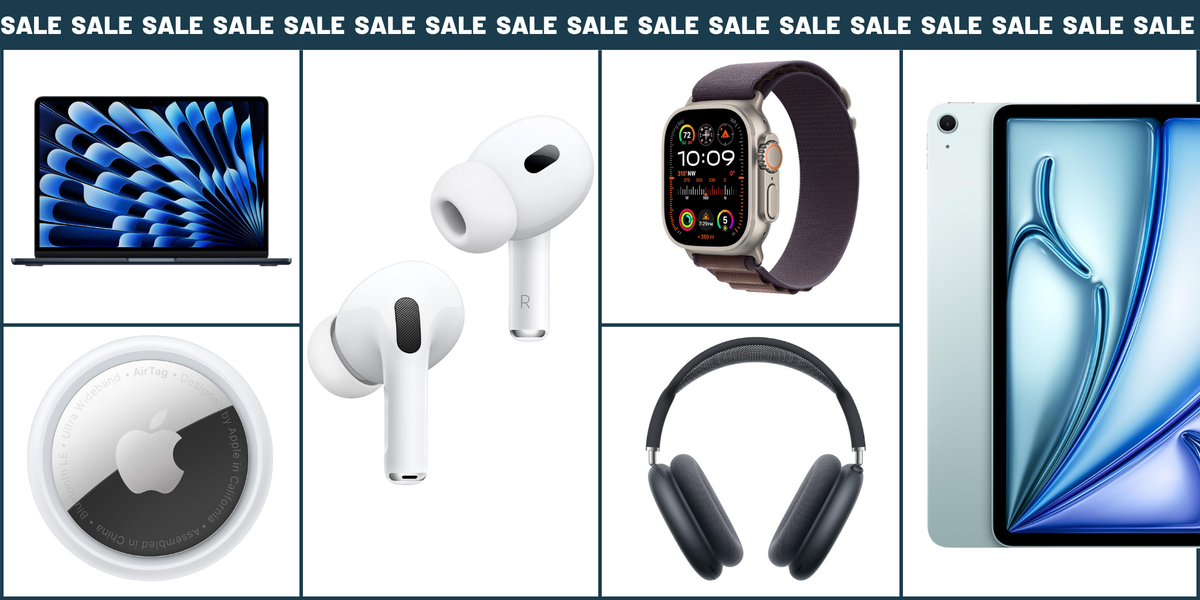
October Prime Day may be over, but Apple deals have a funny habit of refusing to leave the party on time. Long after the official countdown clock stops shouting at your wallet, a surprising number of discounts on AirPods, iPads, MacBooks, Apple Watches, and accessories tend to stick around. That is good news for anyone who missed the sale, got distracted by real life, or spent two days pretending they were “just browsing” while secretly tracking earbuds like a Wall Street analyst in sweatpants.
After comparing deal coverage across major U.S. tech and shopping publications, one theme stood out: the best post-October Prime Day Apple deals were not random leftovers. They were usually the same high-value products shoppers wanted during the event itself. In plain English, this means popular Apple gear often remained discounted because retailers knew demand was still hot, especially heading into the holiday shopping season.
This roundup focuses on 22 standout post-October Prime Day Apple deals worth talking about. Some were true bargain plays, some were premium buys with rare markdowns, and some sat in that magical middle ground where the price finally felt reasonable enough to stop making your eyebrows rise. Prices and availability always move fast, so think of this article as a strategic guide to which deals mattered most and why.
Why post-October Prime Day Apple deals matter
Apple products do not go on sale as often or as dramatically as many rival gadgets. That is why even modest discounts can matter. A $30 drop on a low-cost accessory may be nice, but a $100 to $200 cut on an iPad, MacBook, or Apple Watch can turn a “maybe later” purchase into a “fine, take my money” moment. More importantly, many of the best leftover deals appeared on current or still-highly-relevant models, not dusty relics from a forgotten era of Lightning ports and fragile optimism.
The 22 best post-October Prime Day Apple deals
1. AirPods 4
The base AirPods 4 dropping to around $89 was one of the easiest recommendations of the bunch. They delivered the classic Apple convenience package: quick pairing, solid everyday sound, comfortable open-ear fit, and no silicone tips trying to redecorate your ear canal. For casual listeners, commuters, and students, this was a sweet spot deal.
2. AirPods 4 with Active Noise Cancellation
When the ANC version hovered around $119, it became the smarter upgrade for many buyers. You got stronger noise control, a more feature-rich charging case, wireless charging, and better travel usefulness without jumping all the way to Pro pricing. That makes this version feel like the “grown-up budget” choice.
3. AirPods Pro 2
AirPods Pro 2 were widely praised as one of the best Apple deals after the sale, especially when prices dipped into the $149 to $169 range. Their H2 chip, excellent noise cancellation, strong transparency mode, and useful hearing-health tools made them the kind of purchase that feels expensive until you use them daily and suddenly become emotionally attached.
4. AirPods Max with USB-C
At roughly $429 to $430, AirPods Max were still a premium splurge, but at least a rational one. The USB-C version kept the luxurious build, strong sound, and Apple ecosystem perks intact. These are not impulse-buy headphones unless your impulses are unusually wealthy, but post-Prime Day pricing made them much easier to justify.
5. Beats Studio Buds+
Apple-owned Beats often rode the same discount wave, and Studio Buds+ at about $149 stayed relevant for shoppers who wanted Apple-friendly earbuds without the full AirPods aesthetic. They offered solid battery life, comfortable fit, and easy pairing across platforms, which made them especially appealing for people who bounce between iPhone and Android.
6. Beats Studio Pro
At around $169, Beats Studio Pro became a standout “more for less” option. They brought active noise cancellation, long battery life, and head-tracked spatial audio to the table at a price far below AirPods Max. If your goal was over-ear Apple-adjacent audio without torching your monthly budget, this deal made a lot of sense.
7. iPad 11-inch (A16)
The base 11-inch iPad falling to about $279 was arguably the best tablet value in the entire post-event lineup. With an A16 chip, 128GB starting storage, an all-screen design, and support for the Magic Keyboard Folio, it became the default recommendation for families, students, casual creators, and anyone who wanted a reliable tablet without entering luxury-tax territory.
8. iPad mini (A17 Pro)
The iPad mini around $399 remained one of the most compelling Apple deals because it filled a niche no one else really nails. It is small enough for travel, reading, note-taking, and one-handed use, yet powerful enough to feel like a serious device. It is basically the overachiever of the tablet family.
9. iPad Air 11-inch
When the 11-inch iPad Air slipped into the mid-$400 range, it became a classic “stretch budget, get more years” purchase. It offered stronger performance than the base iPad, better support for higher-end accessories, and enough power for multitasking, creative apps, and future software features without feeling like overkill.
10. iPad Air 13-inch
The 13-inch iPad Air, often seen around the high-$600 to low-$700 range, made sense for people who wanted a roomier canvas without paying iPad Pro prices. That bigger display mattered for split-screen work, drawing, spreadsheets, streaming, and pretending your life is so organized that you actually enjoy digital planning.
11. iPad Pro 11-inch
At about $899 for select configurations, the 11-inch iPad Pro was still expensive, but the discount was meaningful because Apple’s Pro tablets almost never feel cheap. With an M4 chip, OLED display, and upgraded speaker setup, it was one of the clearest examples of a rare premium-tier Apple discount that actually deserved attention.
12. iPad Pro 13-inch
The 13-inch iPad Pro hitting roughly $1,099 for certain models was a serious price drop for a serious machine. This was the best fit for buyers replacing a laptop for creative work, video review, digital illustration, or pro-level mobile productivity. It is not casual spending. It is intentional spending with very nice display technology.
13. Apple Pencil Pro
Apple Pencil Pro near $99 was one of the most practical accessory deals in the mix. It added pressure sensitivity, Find My support, advanced creative controls, and magnetic charging. For artists, note-takers, and anyone who turns an iPad into a real work tool, this accessory discount mattered more than many flashy gadget markdowns.
14. Magic Keyboard Folio
When the Magic Keyboard Folio for the base iPad dropped to around $199, it made the entry-level iPad much more versatile. The detachable design, built-in trackpad, and laptop-style typing transformed that tablet from a content machine into a credible school and everyday productivity device.
15. MacBook Air 13-inch
The 13-inch MacBook Air with M4, often spotted at $799, was the kind of deal that makes shoppers suspicious in a good way. Apple’s best mainstream laptop got more RAM, strong everyday performance, and better multi-display flexibility. This was the post-Prime Day Mac deal that most normal humans could buy and actually use every day.
16. MacBook Air 15-inch
The 15-inch MacBook Air hovering around $999 was one of the most attractive larger-screen laptop deals in Apple’s lineup. It offered more visual breathing room, better speakers, and the same smooth MacBook Air experience without the weight and price jump of the Pro family. Big screen, low drama, excellent value.
17. MacBook Pro 14-inch
The 14-inch MacBook Pro around $1,399 for select M4 models stayed relevant because it hit a rare balance between power and portability. This is where the conversation shifts from email and browser tabs to photo editing, heavier workloads, and “yes, I actually need those extra ports.” A real discount here always gets attention.
18. MacBook Pro 16-inch
The 16-inch MacBook Pro with higher-end chips and a roughly $3,099 price for some M4 Max configurations was not exactly budget-friendly, but a $400 class discount on this tier is notable. For video editors, developers, designers, and other power users, this was premium hardware with a rare markdown worth watching.
19. Apple Watch SE
At about $169, the Apple Watch SE was one of the smartest buys in the whole roundup. It handled the basics people actually use, like notifications, activity tracking, heart rate monitoring, and safety features, without dragging buyers into flagship-watch pricing. This was the “be sensible for once” Apple deal.
20. Apple Watch Series 10
Series 10 pricing varied by size and finish, but the standout post-sale numbers landed around $279 to $329. That mattered because the watch brought a larger display, thinner design, fast charging, and a more premium feel. If you wanted the best everyday Apple Watch without going rugged, this was the target.
21. Apple Watch Ultra 2
Ultra 2 dropping as low as roughly $599 to $649 gave adventurous buyers a rare opening. This is the heavy-duty model for hikers, runners, divers, and people who want long battery life plus a bright display that laughs at sunlight. It is overkill for many users, but glorious overkill at the right price.
22. AirTag 4-pack
The four-pack of AirTags around $65 was one of the most consistently recommended leftover deals. The value here is simple: trackers are only useful when you have enough of them. Keys, backpack, luggage, tech pouch, child’s school bag, emotionally fragile passport holder, whatever. The bundle math made this deal hard to ignore.
How to shop leftover Apple deals without getting fooled
The smartest way to judge post-October Prime Day Apple deals is not to ask, “Is it on sale?” It is to ask, “Is this a good version of this product at a meaningful discount?” That sounds obvious, but retailers count on shoppers being dazzled by a red percentage badge and a rapidly declining supply counter that may or may not be performing theater.
Start with the product itself. The best post-sale Apple deals usually land on devices with long useful life, like iPads, MacBooks, AirPods Pro, and Apple Watches. Then check the configuration. Storage, screen size, color, and band choice can dramatically change whether a deal is truly excellent or merely fine. A cheap iPad Pro configuration can still be expensive if it is not the one that fits your workflow.
It also pays to think in use cases, not just categories. The base iPad is not “worse” than the iPad Air if all you need is streaming, reading, schoolwork, and basic creative apps. The MacBook Air is not “settling” if you are not pushing sustained pro-level workloads. And AirPods 4 are not inferior to AirPods Pro 2 if you dislike silicone tips and mostly want reliable everyday earbuds.
In other words, the best Apple deal is the one that fits your life, not the one that sounds fanciest in a product description.
Experiences shoppers actually have with post-October Prime Day Apple deals
There is a very specific emotional roller coaster that comes with shopping post-October Prime Day Apple deals. First comes denial. You tell yourself the sale is over, you missed it, and that is that. Then a headline pops up saying a few Apple discounts are still live, and suddenly you are back in the arena, opening twelve tabs, comparing storage options, and acting like a color choice is a constitutional issue.
For a lot of shoppers, the experience starts with AirPods. They are familiar, useful, and easy to justify because they fit into everyday life immediately. Someone upgrades from old wired earbuds, starts using AirPods 4 on the train, and within two days wonders how they ever survived without instant pairing and pocket-size convenience. The same thing happens with AirPods Pro 2, except now there is noise cancellation involved, so the outside world becomes dramatically less annoying. That alone can feel worth the sale price.
iPads create a different kind of buying experience. People often start by saying they want a tablet “just for fun,” then slowly realize that even a base iPad can become a recipe book, note-taking device, travel screen, kid distraction machine, sketchpad, and couch laptop substitute. Buyers who go for the iPad mini usually talk about portability first. It slips into a small bag, fits better in one hand, and feels less like carrying a screen and more like carrying an incredibly talented notebook.
MacBook shoppers, meanwhile, tend to be more analytical. They compare chips, RAM, display sizes, and future usefulness. Then the discount hits, and the whole decision becomes less theoretical. A $799 MacBook Air or a discounted 15-inch Air suddenly feels like permission to stop researching and start using. That is a huge part of why these deals get traction. Apple products are often less about discovering something new and more about finally buying the version you already wanted at a price that does not sting quite as much.
Apple Watch deals create another familiar pattern. People buy the SE thinking they just want step tracking and notifications, then end up using timers, sleep tracking, call alerts, workout summaries, and those little reminders that make them feel either wonderfully supported or mildly judged. Series 10 and Ultra 2 buyers usually have more specific reasons: fitness, outdoor use, a larger display, faster charging, or just a preference for nicer hardware. But the emotional logic is the same. A discount makes an upgrade feel responsible instead of indulgent.
Even accessory deals come with real-life satisfaction. A discounted Apple Pencil Pro can turn an iPad from “nice screen” into “actual tool.” A four-pack of AirTags can prevent travel headaches before they happen. A keyboard case can rescue a tablet from a life of pure entertainment and give it a proper job. These smaller purchases often end up having outsized impact because they change how the device fits into your daily routine.
That is the real story behind post-October Prime Day Apple deals. It is not just about saving money. It is about catching Apple gear at the rare moment when the premium pricing softens enough for practical people to say yes. And once that happens, the experience usually is not buyer’s remorse. It is more like relief, followed closely by setup screens, battery charging, and the deeply modern joy of tracking a package like it contains the meaning of life.
Conclusion
The best post-October Prime Day Apple deals were not random scraps tossed into the digital clearance bin. They were smart discounts on products people actually wanted: AirPods that made commutes easier, iPads that covered work and play, MacBooks that finally felt attainable, and Apple Watches that bridged the gap between convenience and wellness. Whether you wanted a low-cost entry point or a premium upgrade, the deals that lingered after the sale proved one thing: missing the official event did not necessarily mean missing the best opportunity.
If there is a lesson here, it is simple. Do not panic-buy during the sale, but do not assume every worthwhile Apple discount vanishes the second the clock hits zero. Sometimes the best move is to show up fashionably late, skip the chaos, and grab the deal after everyone else has exhausted themselves refreshing checkout pages.