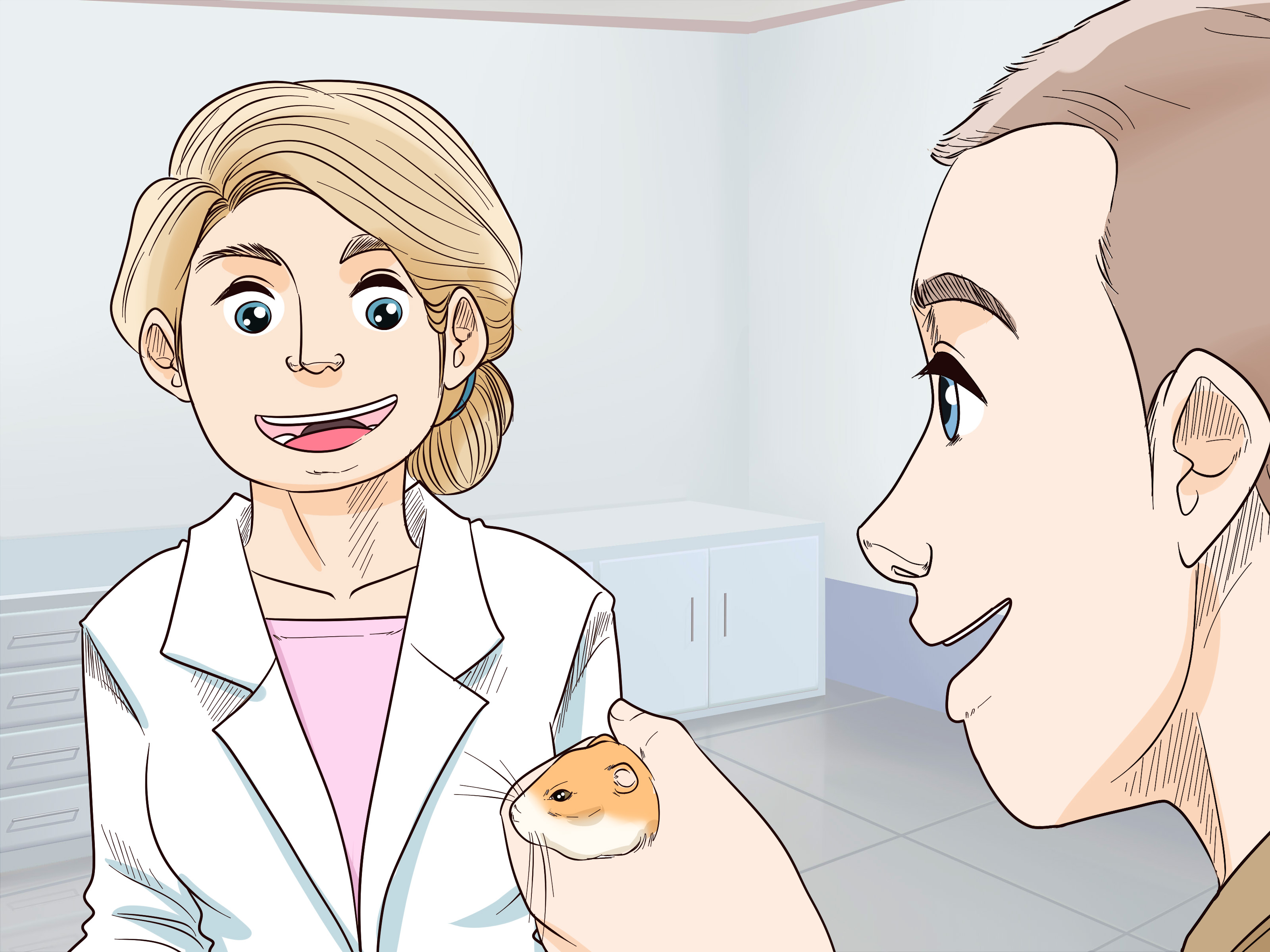
Hamsters may be tiny, but when something goes wrong with their health, they do not exactly send a calendar invite. A diabetic hamster will not tap you on the shoulder and say, “Excuse me, my glucose handling seems suspicious today.” Instead, you may notice a water bottle draining faster than usual, bedding that becomes damp quickly, weight changes, cloudy eyes, unusual hunger, or a sweet smell around the cage. These little signs matter.
Diabetes in hamsters is a serious condition in which the body either does not produce enough insulin or cannot use insulin properly. Insulin helps move glucose from the bloodstream into cells, where it becomes energy. When that process fails, sugar builds up in the blood and can spill into the urine. For a hamster, especially a dwarf hamster, the result can be excessive thirst, frequent urination, weight loss, weakness, dehydration, and a higher risk of complications.
The good news is that diabetes in hamsters can often be managed with careful observation, veterinary guidance, diet changes, hydration support, and a clean, low-stress environment. The not-so-good news is that this is not a “sprinkle a magic seed mix and hope” situation. Hamsters are small, fast-changing animals. A delay of a few days can matter. A well-meaning home remedy can also backfire faster than a hamster discovering an open bag of sunflower seeds.
This guide explains three practical ways to deal with diabetes in hamsters: confirm the problem with proper testing and veterinary help, adjust food and hydration intelligently, and create a daily care routine that protects your hamster from stress and complications. Think of it as a tiny health-management plan for a tiny roommate with very big cheeks.
Understanding Diabetes in Hamsters
Diabetes is seen more often in some dwarf hamster lines, particularly Campbell’s dwarf hamsters and some hybrid dwarf hamsters, though any hamster with concerning symptoms should be evaluated. Genetics can play a role, and obesity or a high-sugar, high-fat diet can make health problems worse. This is why a hamster that looks “extra round and adorable” may actually need a closer look. In hamster care, cute and healthy are not always the same thing.
Common signs that may suggest diabetes include drinking much more water than usual, urinating frequently, wet bedding, sudden weight loss, increased appetite, lethargy, irritability, weakness, a sweet or syrup-like smell in the urine, and cloudy eyes. Some of these signs can also point to other problems, such as kidney disease, bladder infection, dental disease, dehydration, or stress. That overlap is exactly why guessing is risky.
A hamster with diabetes may still run, eat, and behave “mostly normal” early on. Small animals are experts at hiding illness because, in the wild, looking weak is basically putting up a neon sign that says, “Free snack for predators.” Pet hamsters carry that same instinct. By the time symptoms are obvious, the condition may already be advanced.
Way 1: Confirm the Signs and Get Veterinary Guidance
Do Not Treat Before You Know What You Are Treating
The first and most important way to deal with diabetes in hamsters is to confirm what is happening. Excessive thirst and urination may look like diabetes, but they are not proof by themselves. A bladder infection, kidney trouble, poor diet, heat stress, or other illness can cause similar signs. Treating the wrong problem wastes time and may make your hamster worse.
Many hamster owners use urine glucose and ketone test strips as an early screening tool. The basic idea is simple: place the hamster briefly in a clean, empty carrier or container until it urinates, dip the strip into fresh urine, and compare the result with the chart on the test-strip bottle. A positive glucose result suggests that your hamster may not be processing sugar normally. Ketones can be more concerning because they may signal that the body is burning fat for emergency energy.
However, a urine strip is not a complete diagnosis. It is a clue, not a final answer. A positive result should lead to a call or visit to an exotic-animal veterinarian. A negative result does not mean “everything is perfect” if your hamster is still showing symptoms. The best plan is to combine home observations with professional advice.
Track Symptoms Like a Tiny Health Detective
Before the vet visit, write down what you notice. This does not need to be fancy. A notebook, phone note, or spreadsheet works. Track water intake, urination, weight, appetite, energy level, and any changes in the eyes, fur, smell, or behavior. If your hamster normally drinks a small amount and suddenly starts emptying the bottle like a marathon runner, that is useful information.
Weighing your hamster regularly can also help. Use a small digital kitchen scale, place a cup or container on it, zero the scale, and gently set your hamster inside for a quick reading. Weight loss despite eating well can be a red flag. Weight gain can also matter, especially if the diet is heavy in seeds, fatty treats, or sugary snacks.
Ask About Safe Treatment Options
Veterinary treatment for a diabetic hamster depends on the hamster’s condition, species, age, hydration status, test results, and overall health. Some hamsters are managed mainly with diet and husbandry changes. Others may need supportive care. Never give insulin, human diabetes medication, antibiotics, supplements, or electrolyte products unless a veterinarian specifically tells you to do so. Hamsters are extremely small, and dosing mistakes can be dangerous.
This is especially important because some medications that are safe for dogs or cats can be unsafe for rodents. Even antibiotic creams or oral medications can cause serious digestive problems in hamsters when used incorrectly. With hamsters, “just a little bit” can still be too much.
Way 2: Adjust Diet and Hydration Without Turning Mealtime Into a Sugar Festival
Choose a Balanced Base Diet
Diet is one of the biggest tools for managing diabetes in hamsters. A good foundation is usually a high-quality pelleted hamster food or lab block, because pellets reduce selective eating. Selective eating is when your hamster picks out the tastiest bits and leaves the healthy parts behind, which is basically the hamster version of eating only marshmallows from cereal and calling it breakfast.
Seed-heavy mixes can be tempting because hamsters love them, but they often allow picky eating and may be high in fat. Sunflower seeds, nuts, and fatty treats should be limited. They are not evil, but they should not become the main character in your hamster’s diet. A diabetic hamster needs steady nutrition, not a buffet of tiny dessert options.
Fresh vegetables can be useful when chosen carefully. Good options often include small amounts of cucumber, broccoli, kale, spinach, romaine lettuce, bell pepper, cauliflower, or other safe greens. Introduce changes gradually because hamsters have sensitive digestive systems. Remove uneaten fresh food within several hours so it does not spoil and turn the cage into a science experiment.
Limit Sugar and Simple Carbohydrates
For a hamster with suspected or confirmed diabetes, sugary foods should be avoided unless a veterinarian gives a specific emergency instruction. Fruit, honey sticks, yogurt drops, sweetened treats, corn-heavy snacks, and processed human foods can add unnecessary sugar. Even foods marketed for small pets may contain sweeteners, honey, dried fruit, or colorful pieces that look fun but do not support stable health.
Simple carbohydrates can also break down into glucose quickly. Pasta, bread, crackers, sweet cereal, and similar foods should not be regular hamster treats, and they are especially inappropriate for a diabetic hamster. If you want to offer variety, choose safe vegetables and small amounts of appropriate protein instead of sugary extras.
Some owners add occasional plain cooked egg white, a tiny piece of plain cooked chicken, or tofu for protein, but this should be done in moderation and ideally with veterinary guidance. The goal is not to create a hamster bodybuilder. The goal is a balanced diet that supports stable energy and a healthy weight.
Keep Fresh Water Available at All Times
Diabetic hamsters may drink more because their bodies are trying to remove excess sugar through urine. That means water access is not optional. Keep clean, fresh water available at all times. Check the bottle daily to make sure it is not blocked, leaking, or positioned too high. Some owners provide both a bottle and a shallow water dish for a sick hamster, especially if the hamster seems weak. If using a dish, choose one that is shallow and stable so the hamster does not fall in or soak the bedding.
Dehydration can become serious quickly in hamsters. Watch for sunken eyes, weakness, sticky gums, poor skin elasticity, and reduced activity. If your hamster seems dehydrated, weak, cold, wobbly, or unresponsive, contact a veterinarian urgently. Do not wait to see whether “tomorrow looks better.” With small pets, tomorrow can be a long time.
Way 3: Build a Daily Care Routine That Prevents Complications
Clean the Cage More Often
A diabetic hamster may urinate more often, and urine containing excess sugar can make bedding smell stronger and become dirty faster. Damp bedding can irritate skin, increase odor, and create an unhealthy environment. Spot-clean wet areas every day. Replace soiled bedding promptly, clean the sand bath more frequently, and keep the sleeping area dry.
A full cage cleaning should be done carefully. Hamsters rely heavily on scent, and removing every familiar smell at once can stress them. For routine cleaning, keep a small amount of clean old bedding to mix with fresh bedding unless the cage is contaminated or your veterinarian advises a full disinfecting. The idea is to make the habitat clean without making your hamster feel like it has been relocated to a suspicious new universe.
Reduce Stress and Support Natural Behavior
Stress can make any illness harder to manage. A diabetic hamster should have a calm, predictable environment with deep bedding, a safe wheel, hideouts, chew toys, and minimal sudden changes. Keep the cage away from direct sunlight, drafts, loud speakers, heavy foot traffic, curious cats, and enthusiastic children who believe “gentle handling” means “tiny roller coaster.”
Hamsters need enrichment, but sick hamsters also need easy access to essentials. Place food, water, and favorite hideouts where the hamster can reach them without climbing or struggling. If your hamster develops cataracts or vision changes, keep the cage layout consistent. A hamster with reduced vision can still live comfortably, but rearranging everything every week is like changing the furniture in a dark room and then asking someone to sprint through it.
Exercise matters, but it should be safe. A solid-surface wheel is usually better than a wire wheel because it protects tiny feet. Avoid hamster balls, especially for an ill or visually impaired hamster. Balls can cause stress, poor ventilation, crashes, and falls. A secure playpen with supervision is safer if your hamster is well enough for out-of-cage time.
Know When It Is an Emergency
Some symptoms require urgent veterinary help. These include severe lethargy, collapse, seizures, refusal to eat, rapid weight loss, labored breathing, blood in urine, severe dehydration, persistent diarrhea, a cold body, inability to walk normally, or a very strong sweet smell with weakness. Ketones on a urine strip should also be taken seriously.
Because hamsters are prey animals, they may hide illness until they are in trouble. If your hamster is sitting hunched, not grooming, not eating, or seems unusually still, do not assume it is “just sleepy.” Hamsters do sleep a lot during the day, but a sick posture and a sleeping posture are not the same. A healthy sleeping hamster usually wakes and reacts. A very ill hamster may barely respond.
Practical Example: What a Care Day Might Look Like
Imagine you have a dwarf hamster named Biscuit. Biscuit has been drinking more water, urinating heavily, and losing weight despite enthusiastically attacking dinner. You test fresh urine with a glucose strip and get a positive result. Instead of panicking or giving random medicine, you call an exotic vet and schedule an appointment.
While waiting for the visit, you start a simple care log. Morning: check water level, remove wet bedding, look for normal movement, and confirm Biscuit has eaten. Evening: offer the main pelleted food, add a tiny portion of safe greens, remove uneaten fresh food later, and check the bottle again. Twice a week, you weigh Biscuit. You stop offering fruit, honey treats, yogurt drops, and extra sunflower seeds. You keep the cage layout stable and make sure food and water are easy to reach.
This kind of routine does not cure diabetes, but it gives your hamster a better chance. It also gives your veterinarian useful information. When caring for a diabetic hamster, consistency is not boring. Consistency is the superhero cape.
Common Mistakes to Avoid
Mistake 1: Waiting Too Long
Many owners wait because the hamster is still eating. Unfortunately, eating does not always mean a hamster is healthy. Some diabetic hamsters may eat more because their cells are not using glucose properly. If thirst, urination, weight loss, or weakness appears, act early.
Mistake 2: Removing All Carbohydrates
A diabetic hamster still needs balanced nutrition. The goal is not to starve the body of every carbohydrate. The goal is to avoid sugary foods, reduce simple carbohydrates, prevent obesity, and provide a stable, appropriate diet. Extreme diets can create new problems.
Mistake 3: Using Human Treatments
Never use human insulin, glucose-lowering medication, herbal remedies, or online dosing advice without a veterinarian. Hamsters are not tiny humans wearing fur pajamas. Their metabolism, size, and medication tolerance are very different.
Mistake 4: Forgetting the Environment
Diet matters, but cage hygiene, hydration, temperature, stress, and exercise matter too. A hamster living in damp bedding, with a blocked water bottle and constant stress, will not thrive even on a perfect menu.
Extra Experience-Based Tips for Managing Diabetes in Hamsters
Owners who have cared for diabetic hamsters often say the hardest part is not one big dramatic decision. It is the small daily discipline. A hamster does not need a motivational speech. It needs fresh water, clean bedding, measured food, safe vegetables, stable routines, and an owner who notices tiny changes before they become big problems.
One helpful habit is to mark the water bottle level with a small piece of tape each evening. By the next evening, you can see roughly how much your hamster drank. This is not a laboratory measurement, but it helps you notice trends. If the water suddenly drops much faster than usual, that is worth noting. If your hamster lives in a warm room, account for possible evaporation or leaking, but never dismiss a major change.
Another useful practice is the “wet corner check.” Many hamsters choose a bathroom corner. For a diabetic hamster, that corner may become wet quickly. Scoop it daily and replace it with clean bedding. If the whole cage smells sweet, sour, or unusually strong, clean more thoroughly and check your hamster’s health. Strong odor is not just unpleasant for humans; it can signal excess urine, bacteria, or poor cage conditions.
Food labels deserve attention. Some treats look healthy because they have pictures of fruit, grains, or cheerful cartoon hamsters on the package. Turn the package around. Look for honey, molasses, syrup, dried fruit, added sugar, corn syrup, or lots of fatty seeds. Marketing is loud; ingredient lists are quieter but more honest.
Portion control also helps. Hamsters pouch food, hide food, and sometimes build a secret pantry impressive enough to survive a tiny winter. When changing diet, check stash areas. A diabetic hamster may still be hoarding old sugary treats or seed-heavy mix under bedding. Remove unsafe stored food gradually and replace it with appropriate staples so the hamster is not stressed by a sudden empty pantry.
Handling should be gentle and practical. If your hamster is weak, avoid long play sessions. Use a mug, small box, or tunnel to move the hamster safely instead of chasing it around the cage. Chasing increases stress and makes health checks harder. Calm handling builds trust, and trust makes future care easier.
Finally, prepare before emergencies happen. Find an exotic-animal veterinarian before your hamster is critically ill. Keep a small care kit with a digital scale, urine test strips if your vet agrees, spare water bottle, shallow dish, clean carrier, paper towels, and your vet’s phone number. When a hamster suddenly looks unwell, you do not want to be searching “emergency hamster help” at midnight while your tiny patient sits in a corner looking like a sad dust ball.
Managing diabetes in hamsters is not about perfection. It is about paying attention, acting early, and making smart choices every day. Your hamster may never appreciate your spreadsheet, your careful vegetable portions, or your heroic refusal to buy yogurt drops. But a safer routine can make a real difference in comfort and quality of life. And honestly, being silently judged by a healthier hamster is still a win.
Conclusion
Dealing with diabetes in hamsters comes down to three core actions: confirm the signs with testing and veterinary support, adjust diet and hydration carefully, and create a clean, low-stress daily care routine. Diabetes is not something to ignore, but it is also not a reason to give up. With quick attention, safer feeding, steady monitoring, and professional guidance, many diabetic hamsters can remain comfortable and active.
The most important rule is simple: do not guess when your hamster’s health is changing. Excessive thirst, frequent urination, weight loss, cloudy eyes, weakness, or sweet-smelling urine are all reasons to pay attention. Your hamster may be small enough to fit in your palm, but its health needs deserve full-size seriousness.