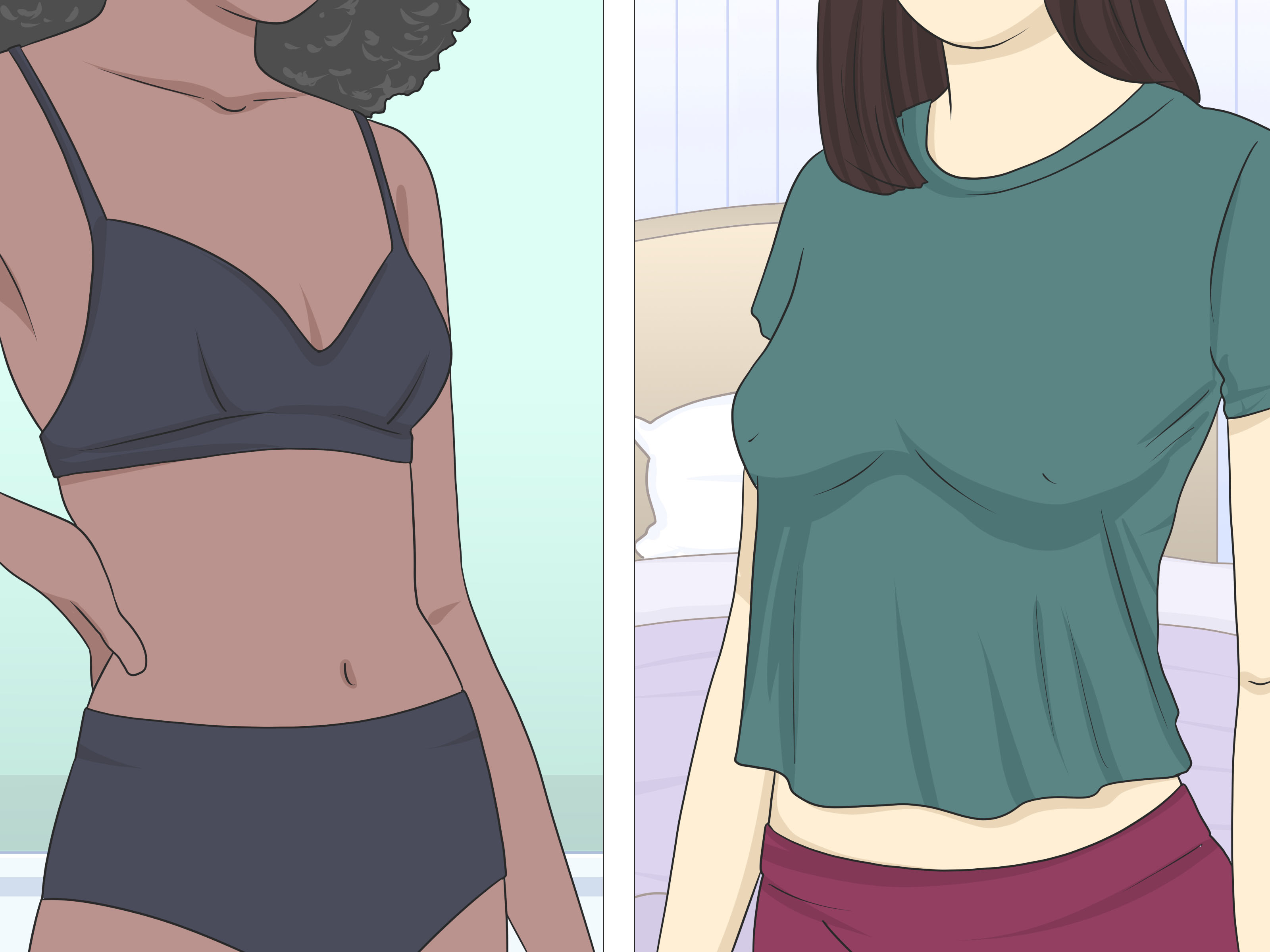
Note: This article is written for general fashion and comfort guidance. Going braless is a personal clothing choice, not a rule, a trend you must follow, or a personality test administered by your laundry basket.
Some days, a bra feels like a helpful layer. Other days, it feels like a tiny architectural project strapped to your ribcage. If you have ever come home, removed your bra, and instantly felt like the main character in a freedom documentary, you are not alone. Dressing with no bra can be comfortable, stylish, practical, and surprisingly easy when you choose the right fabrics, cuts, and layers.
The key is not to “hide” your body or force yourself into a look that makes you uncomfortable. The real goal is to build outfits that feel secure, look intentional, and match the setting. Whether you want to skip a bra because of comfort, skin irritation, heat, a tricky neckline, or simple personal preference, the best no-bra outfits usually rely on three things: structure, coverage, and confidence.
Below are three smart ways to dress with no bra, plus specific outfit ideas, styling tips, and real-life experience notes to help you leave the house without feeling like you are negotiating a peace treaty with your shirt.
Way 1: Choose Structured Clothing That Supports Without a Bra
The easiest way to dress with no bra is to let your clothing do some of the work. Structured garments can provide shape, coverage, and light support without underwire, straps, or hooks. This does not mean you need to wear a stiff corset to buy iced coffee. It simply means looking for tops and dresses that have enough construction to stay in place and enough fabric weight to make the outfit feel intentional.
Look for Double-Lined Tops
Double-lined tops are a braless dresser’s best friend. They have two layers of fabric instead of one, which helps create opacity and a smoother appearance. A double-lined tank, square-neck top, or fitted tee can offer more coverage than a thin single-layer shirt. The extra layer also helps the garment sit closer to the body without feeling flimsy.
For casual outfits, try a double-lined ribbed tank with high-rise jeans, linen trousers, or a midi skirt. The result is simple but polished. It says, “I got dressed on purpose,” even if the truth is that you tried on seven tops and negotiated with your mirror for twelve minutes.
Try Smocked, Ruched, or Ribbed Fabrics
Texture is useful when going braless. Smocking, ruching, ribbing, and thicker knits can create gentle hold while making the fabric less revealing. A smocked bodice dress, for example, can feel secure because the elasticized fabric hugs the upper body. A ribbed knit tank can also provide light compression without the intensity of shapewear.
Good options include smocked sundresses, ribbed cotton tanks, thick knit tops, fitted bodysuits, and dresses with a structured bodice. These pieces work especially well when you want comfort but still want the outfit to look finished.
Use Built-In Support When You Want Extra Security
Some clothes include shelf bras, built-in cups, reinforced bodices, or supportive seams. These are excellent for days when you want to skip a traditional bra but still want a little help. Camisoles with built-in shelf support, workout dresses with inner layers, structured swimsuits styled as tops, and corset-inspired tops can all work depending on the setting.
For example, a square-neck bodysuit with built-in support can pair beautifully with wide-leg pants and a blazer. A structured sundress can work for brunch, vacation, or summer events. A one-piece swimsuit can become a bodysuit under denim shorts or a flowy skirt. Fashion loves a multitasker, and your closet probably does too.
Choose Thicker Fabrics for More Coverage
Thin fabric is not bad, but it tends to show more. If you want a no-bra outfit that feels lower-maintenance, choose heavier cotton, ponte knit, denim, structured linen blends, scuba fabric, or thicker jersey. These materials usually provide more coverage and shape than sheer, clingy, or very lightweight fabrics.
A thick white T-shirt can be a great no-bra option, while a paper-thin white tee might behave like it signed a contract with overhead lighting. Black, navy, chocolate brown, forest green, burgundy, and other deeper shades can also feel more forgiving because they are less likely to show shadows or texture.
Way 2: Layer Strategically for Coverage and Confidence
Layering is one of the most practical ways to dress with no bra. It gives you control over coverage, warmth, movement, and how exposed you feel. The best part is that layering does not have to look bulky. With the right pieces, it can make an outfit look more stylish, not more complicated.
Start With a Comfortable Base Layer
A base layer can be a fitted tank, camisole, bodysuit, tube top, bandeau, or soft crop top. This is not technically “no bra” for everyone’s definition, but it is a bra-free alternative for people who want light coverage without traditional bra structure. A soft cotton tank under a button-down shirt can feel relaxed and secure. A bandeau under a loose sweater can provide coverage without straps. A fitted bodysuit under a blazer can create a smooth foundation.
The trick is to choose a base layer that does not dig, roll, itch, or require constant adjustment. If you spend the whole day tugging it upward like it owes you money, it is not the one.
Add an Overshirt, Cardigan, or Blazer
Outer layers are excellent for braless outfits because they create visual balance. A relaxed button-down shirt worn open over a tank can make the outfit feel casual and effortless. A cardigan adds softness and coverage. A blazer instantly makes a braless look feel sharper and more intentional.
Try these combinations:
- Ribbed tank + open linen shirt + straight-leg jeans
- Double-lined bodysuit + oversized blazer + tailored trousers
- Smocked dress + cropped cardigan + sandals
- Fitted black tank + denim jacket + wide-leg pants
- Soft camisole + relaxed button-down + midi skirt
Layering also helps when you are testing a braless outfit for the first time. You can remove or add a layer depending on the temperature, setting, or your comfort level.
Use Prints and Details to Your Advantage
Busy prints, pockets, ruffles, pleats, embroidery, and textured fabrics can draw the eye across the whole outfit instead of focusing attention on one area. This is helpful if you want the look to feel balanced. Floral prints, gingham, stripes, abstract patterns, and small-scale designs can all work well.
For instance, a patterned wrap dress may feel easier to wear braless than a thin, solid, pale-colored slip dress. A blouse with chest pockets or subtle ruffles may provide more visual coverage than a plain, clingy top. Details are not distractions; they are tiny wardrobe assistants.
Match the Outfit to the Occasion
Comfort also depends on context. A braless outfit for walking the dog may be different from a braless outfit for work, school, dinner, travel, or a formal event. For professional or more conservative settings, choose higher necklines, thicker fabrics, structured layers, and darker colors. For casual weekends, you may feel fine in a soft tank, oversized shirt, or loose dress.
If you are unsure, do a quick movement test before leaving home. Raise your arms, bend forward, sit down, walk around, and check the outfit in natural light. This takes one minute and can prevent a long day of “Why did I choose this top?” reflection.
Way 3: Use Smart Accessories and Skin-Friendly Solutions
Sometimes the issue is not support. It is coverage, friction, sweat, or confidence. That is where small accessories and skin-friendly solutions can help. These tools are optional, but they can make braless dressing easier, especially with tricky necklines or lightweight fabrics.
Try Nipple Covers or Reusable Petals
Nipple covers, also called petals or silicone covers, can provide coverage without adding a bra. They are useful under fitted tops, dresses, and thin fabrics when you want a smoother look. Reusable silicone covers are popular because they can be washed and worn again, while fabric options may feel lighter and more breathable.
Before wearing any adhesive product for a full day, test it on a small area of skin. This is especially important if you have sensitive skin, eczema, allergies, or irritation. Remove adhesive products slowly and avoid using them on broken, sunburned, or freshly shaved skin. Comfort is the point; starting a tiny skin rebellion is not.
Consider Fashion Tape for Tricky Necklines
Fashion tape can help secure gaps, deep necklines, wrap tops, loose armholes, or slippery fabrics. It does not replace support, but it can help keep fabric where you want it. Use it for short-term styling rather than everyday wear, and be gentle when removing it.
Fashion tape works best on clean, dry skin and smooth fabric. Avoid applying lotion or oil beforehand because the tape may not stick well. If a garment needs tape in eight different places to behave, consider choosing another outfit. Clothing should cooperate at least a little.
Prevent Chafing and Irritation
When dressing with no bra, pay attention to fabric texture and seams. Rough fabric, scratchy embroidery, tight armholes, and stiff seams can irritate the skin. Soft cotton, modal, bamboo blends, smooth knits, and breathable linen blends are often more comfortable. Loose-fitting or softly fitted clothing may also help reduce rubbing.
For hot weather, breathable fabrics matter. Sweat plus friction can cause discomfort, especially under fitted tops. If you are going to be outside, traveling, or moving around all day, choose fabrics that feel soft and allow airflow. A loose cotton button-down over a tank can be more comfortable than a tight synthetic top that traps heat.
Wear Support for High-Impact Movement
Going braless for everyday dressing is a personal choice. For running, jumping, sports, or high-impact workouts, however, supportive activewear may feel much better. Many people experience discomfort from breast movement during exercise, so a sports bra or supportive workout top can be useful. You do not have to wear a bra all day to choose support when your body asks for it.
Think of support as a tool, not a rule. You can go braless in a sweater at lunch and wear a sports bra for a jog later. Your outfit can change with your activity. Revolutionary? Not exactly. Practical? Absolutely.
Best Outfit Ideas for Dressing With No Bra
For Casual Days
Try a thick ribbed tank with high-rise jeans and sneakers. Add an open button-down shirt if you want more coverage. This outfit is easy, breathable, and casual without looking unfinished.
For Work or Polished Settings
Choose a double-lined bodysuit or high-neck tank under a blazer. Pair it with tailored pants, loafers, or a midi skirt. The structured outer layer makes the look feel professional while keeping the base comfortable.
For Summer
A smocked sundress, linen wrap dress, or thicker cotton tank dress can be ideal. Look for darker colors, prints, or lined fabrics if you want more coverage. Add sandals and a light cardigan for indoor air-conditioning, also known as the season of surprise refrigeration.
For Evening
Try a structured square-neck top, corset-inspired blouse, or sleek bodysuit with wide-leg trousers. If the neckline is tricky, nipple covers or a small amount of fashion tape can help. Keep the rest of the outfit balanced with clean lines and simple accessories.
For Travel
Comfort is everything. A soft tank, loose overshirt, stretchy pants, and slip-on shoes can make travel easier. Choose breathable fabrics and avoid scratchy seams. A light scarf or cardigan can add coverage and warmth on planes, trains, or aggressively air-conditioned buses.
Common Mistakes to Avoid When Going Braless
Wearing Fabric That Is Too Thin for Your Comfort Level
If a top makes you feel nervous before you even leave home, it is probably not the best choice for that day. Thin fabric can work, but only if you feel good in it. Double-lined, textured, or thicker fabric is often easier for beginners.
Ignoring Movement
An outfit can look perfect while standing still and become chaotic when you sit, bend, reach, or walk. Always test movement. Your future self will be grateful.
Choosing Adhesives Without Testing Them
Adhesive covers and fashion tape can be helpful, but skin reactions happen. Test first, remove gently, and skip adhesives if your skin feels irritated.
Forcing Yourself to Be Comfortable
Confidence does not mean pretending. If an outfit makes you feel distracted all day, change the formula. Try more structure, darker colors, an extra layer, or a soft bralette alternative. Braless dressing should feel like freedom, not a group project with anxiety.
Extra Experience Notes: What It Actually Feels Like to Dress With No Bra
The first time you dress with no bra in public, you may feel like everyone has received an emergency notification about your outfit. In reality, most people are thinking about their own errands, their coffee order, or whether they remembered to reply to an email from three days ago. That said, feeling self-conscious at first is normal. The goal is to ease into it with outfits that feel secure.
A good beginner experience is a thick tank under an open shirt. This combination gives you a safety layer without feeling hidden. You can button the shirt if you want more coverage or leave it open if you feel comfortable. It works for grocery runs, casual lunch, coffee shops, and weekend walks. It also photographs well because the layers create shape without needing much styling.
Another easy entry point is a smocked dress. Many people like smocked bodices because they stretch, hold, and move with the body. They are especially useful in warm weather when traditional bras can feel sweaty or restrictive. A smocked midi dress with sandals and a small bag creates a comfortable outfit that still looks put together. Add a cardigan if you want coverage in cooler indoor spaces.
For a more polished experience, a fitted bodysuit under a blazer is one of the most reliable no-bra outfit formulas. The bodysuit stays tucked, the blazer adds structure, and the overall look feels intentional. This is a strong option for dinner, casual offices, creative workplaces, or events where you want to look sharp without wearing traditional undergarments. Choose a bodysuit with thicker fabric or built-in support if you want more security.
One lesson many people learn quickly: lighting matters. A top that looks opaque in your bedroom may look different in direct sunlight. Before wearing a new braless outfit outside, check it near a window or in brighter light. This is not about shame; it is about avoiding surprises. Your shirt should not have a plot twist.
Another practical lesson is that posture can change how an outfit feels. When you are nervous, you may round your shoulders or keep adjusting your clothes. That can make the outfit feel less comfortable. Choose clothing that lets you stand normally, breathe normally, and move normally. If you keep adjusting the neckline, armholes, or hem, the piece may not be right for braless wear.
Skin comfort also becomes more noticeable. Without a bra as a barrier, fabric sits directly against sensitive areas. Softness matters. Seams matter. Tags matter. A beautiful top with scratchy lining can become annoying after an hour. When shopping, touch the inside of the garment, not just the outside. If the interior feels rough in your hand, it may feel rough on your skin.
Weather changes the experience too. In hot weather, breathable cotton, linen blends, and loose layers usually feel better. In cooler weather, sweaters, sweatshirts, thicker knits, and layered shirts make braless dressing almost effortless because the fabrics naturally provide more coverage. Fall and winter are basically the training wheels of no-bra fashion.
Finally, remember that dressing with no bra does not have to be an all-or-nothing lifestyle. You can skip a bra at home, wear one for exercise, choose a soft bralette for work, and go braless on weekends. Your comfort can change by outfit, season, mood, and activity. The best style rule is simple: wear what lets you move through your day without constantly thinking about your clothes.
Conclusion
Dressing with no bra is not about following a trend perfectly. It is about finding clothing that makes you feel comfortable, confident, and appropriately dressed for your day. Start with structured pieces, use layers when you want more coverage, and add skin-friendly accessories when they help. Double-lined tops, smocked dresses, ribbed tanks, bodysuits, blazers, cardigans, nipple covers, and fashion tape can all make braless outfits easier to wear.
The best no-bra outfit is not the boldest one. It is the one you can wear without fidgeting, worrying, or mentally calculating the distance to your closet. Choose soft fabrics, test movement, respect your comfort level, and remember that support is always available when you want it. Bras are optional. Feeling good in your clothes is the real assignment.