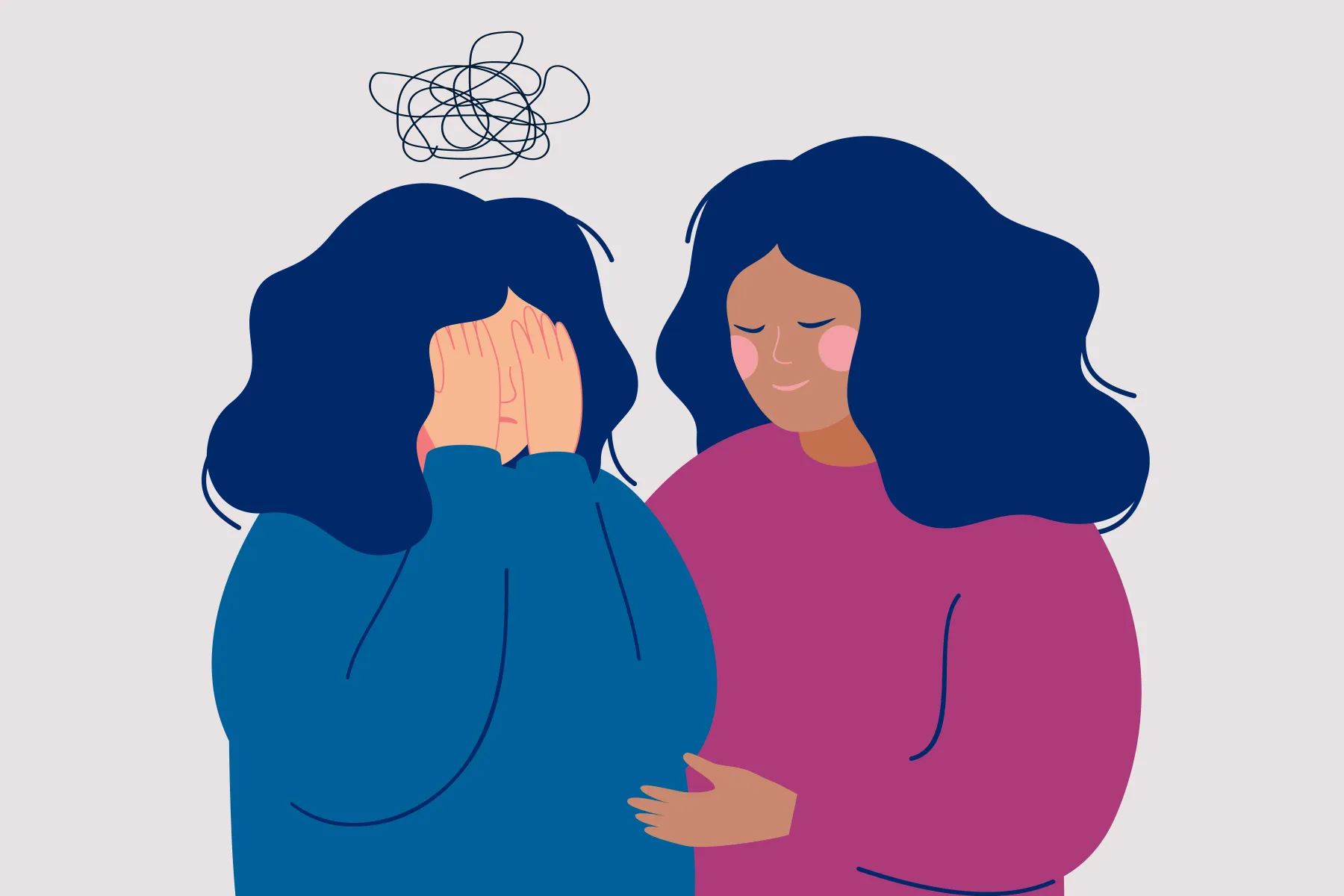
Psychotic disorders are among the most misunderstood mental health conditions, partly because movies have spent decades treating them like spooky plot devices instead of real medical conditions. In everyday life, psychosis is not a “personality flaw,” a moral problem, or someone simply “acting weird.” It is a serious change in how a person perceives reality, thinks, communicates, and responds to the world around them.
The main keyword here is psychotic disorders, but the real point is simple: these conditions can be frightening, confusing, and disruptive, yet they are also treatable. With the right diagnosis, medication, therapy, support, and patience, many people manage symptoms, rebuild routines, and live meaningful lives. The brain may be complicated, but it is not a haunted house with no exits.
What Are Psychotic Disorders?
Psychotic disorders are mental health conditions in which a person experiences psychosis. Psychosis means a disruption in the ability to tell what is real from what is not. This may involve hallucinations, delusions, disorganized thoughts, unusual behavior, or a reduced ability to function at school, work, or in relationships.
It is important to separate psychosis from a specific diagnosis. Psychosis is a group of symptoms. A psychotic disorder is a diagnosis that explains why those symptoms are happening and how long they have lasted. For example, schizophrenia, schizoaffective disorder, brief psychotic disorder, and delusional disorder can all involve psychosis, but they are not the same condition.
Common Types of Psychotic Disorders
1. Schizophrenia
Schizophrenia is a chronic brain disorder that affects thinking, perception, emotions, decision-making, and behavior. Symptoms often include hallucinations, delusions, disorganized speech, reduced motivation, and problems with concentration. Schizophrenia usually requires long-term treatment, but symptoms can improve significantly with consistent care.
2. Schizoaffective Disorder
Schizoaffective disorder includes symptoms of schizophrenia along with major mood symptoms, such as depression or mania. In other words, the brain is running two complicated software programs at once, and neither came with a user manual. Treatment often combines antipsychotic medication, mood-related medication, talk therapy, and life-skills support.
3. Schizophreniform Disorder
Schizophreniform disorder looks similar to schizophrenia but lasts for a shorter period, typically more than one month and less than six months. Some people recover fully, while others later receive a diagnosis such as schizophrenia or schizoaffective disorder. Careful follow-up is essential.
4. Brief Psychotic Disorder
Brief psychotic disorder involves sudden psychotic symptoms that last at least one day but less than one month, followed by a return to previous functioning. It may happen after extreme stress, trauma, medical illness, or other major life events. The word “brief” does not mean “mild,” though. A short storm can still knock down a fence.
5. Delusional Disorder
Delusional disorder is marked by fixed false beliefs that last at least one month. Unlike schizophrenia, the person may not have prominent hallucinations, disorganized speech, or major functional decline outside the delusion. For example, someone might strongly believe they are being followed or that a stranger is secretly in love with them despite clear evidence otherwise.
6. Substance- or Medication-Induced Psychotic Disorder
Some psychotic symptoms can be triggered by substances, withdrawal, or certain medications. A professional evaluation is needed because the treatment plan may be very different from treatment for a primary psychotic disorder.
7. Psychotic Disorder Due to Another Medical Condition
Medical issues such as neurological conditions, infections, hormone problems, autoimmune disorders, or other physical illnesses may sometimes cause psychotic symptoms. This is why clinicians often use medical exams and lab testing during diagnosis. The brain is part of the body, not a mysterious floating Wi-Fi signal.
Symptoms of Psychotic Disorders
Symptoms vary from person to person, but they are often grouped into positive symptoms, negative symptoms, cognitive symptoms, and behavioral changes. “Positive” does not mean good; it means something is added to experience. “Negative” means something is reduced or missing.
Positive Symptoms
Hallucinations are sensory experiences that other people do not perceive. A person may hear voices, see things, smell odors, or feel sensations that are not present. Auditory hallucinations, especially hearing voices, are commonly reported in psychotic conditions.
Delusions are strong beliefs that remain fixed even when evidence does not support them. A person might believe they are being watched, controlled, targeted, specially chosen, or sent secret messages through ordinary events.
Disorganized speech may include jumping between unrelated ideas, giving answers that do not match the question, or speaking in a way that is hard to follow. Imagine opening 27 browser tabs in your brain and all of them start playing audio at once.
Negative Symptoms
Negative symptoms can include reduced emotional expression, social withdrawal, low motivation, less speech, and difficulty starting or completing tasks. These symptoms are often mistaken for laziness or rudeness, but they are part of the illness and can be deeply disabling.
Cognitive Symptoms
Cognitive symptoms may affect memory, attention, planning, problem-solving, and decision-making. A person may struggle to follow conversations, organize daily tasks, or stay focused. These problems can interfere with school, work, relationships, and independent living.
Behavioral and Emotional Changes
Psychotic disorders can also involve sleep disruption, anxiety, suspiciousness, irritability, neglect of hygiene, unusual movements, emotional flatness, or sudden changes in routines. Family members often notice that “something feels different” before a formal diagnosis is made.
Early Warning Signs to Watch For
Early signs of psychosis may be subtle. A person might become unusually withdrawn, suspicious, emotionally distant, or preoccupied with strange beliefs. Grades or job performance may drop. Sleep may become chaotic. The person may seem distracted, frightened, or convinced that ordinary events have hidden meanings.
Early support matters. The longer psychosis goes untreated, the harder it may be for a person to maintain routines, relationships, and confidence. Early intervention programs, including coordinated specialty care for first-episode psychosis, are designed to help people recover skills, reduce symptoms, and stay connected to life goals.
What Causes Psychotic Disorders?
There is no single cause of psychotic disorders. Most experts describe them as the result of a complex mix of genetics, brain chemistry, brain development, stress, trauma, substance exposure, medical conditions, and environmental risk factors. In plain English: the brain is not a toaster. There is rarely one broken switch.
Family history may increase risk, but genes are not destiny. Stressful events, sleep deprivation, substance use, social isolation, and untreated mood symptoms can also play a role in triggering or worsening psychosis. Some people experience one episode; others need ongoing care for a long-term condition.
How Psychotic Disorders Are Diagnosed
There is no simple blood test that says, “Congratulations, your lab result is psychosis.” Diagnosis usually involves a detailed psychiatric evaluation, medical history, symptom timeline, physical exam, and sometimes lab tests or brain imaging to rule out medical causes.
Clinical Interview
A mental health professional asks about hallucinations, delusions, mood symptoms, sleep, substance use, medical history, family history, trauma, medications, and daily functioning. The clinician may also ask when symptoms began and how long they have lasted.
Collateral Information
With permission, family members or trusted friends may provide helpful observations. This matters because psychosis can affect insight, meaning a person may not fully recognize that their experiences are symptoms.
Medical Rule-Out
Clinicians may check for infections, neurological problems, thyroid disease, vitamin deficiencies, medication effects, or substance-related causes. Treating the wrong cause is like fixing the roof when the leak is coming from the sink.
Differential Diagnosis
Professionals also distinguish psychotic disorders from bipolar disorder, major depression with psychotic features, post-traumatic symptoms, obsessive-compulsive disorder, dementia, delirium, and substance-related conditions. Accurate diagnosis can take time, especially when symptoms overlap.
Treatment for Psychotic Disorders
Treatment depends on the diagnosis, symptom severity, medical history, personal goals, and support system. Most plans combine medication, psychotherapy, education, lifestyle support, and community resources.
Antipsychotic Medication
Antipsychotic medications can reduce hallucinations, delusions, agitation, and disorganized thinking. Some are taken daily as pills, while others are available as long-acting injections. Medication choice depends on benefits, side effects, health conditions, and patient preference.
Psychotherapy
Therapy can help people understand symptoms, manage stress, improve coping skills, challenge unhelpful beliefs, and rebuild routines. Cognitive behavioral therapy for psychosis may help some individuals respond differently to distressing thoughts or experiences.
Coordinated Specialty Care
For first-episode psychosis, coordinated specialty care may include medication management, therapy, family education, case management, supported education, supported employment, and peer support. This team-based model focuses not only on symptom reduction but also on helping the person return to school, work, relationships, and normal life rhythms.
Family Education and Support
Family members often need guidance too. Learning how to communicate calmly, reduce conflict, recognize relapse signs, and support treatment can improve outcomes. No one becomes a perfect caregiver overnight; there is no “download empathy update” button.
Hospital or Crisis Care
Hospital care may be needed when symptoms are severe, when a person cannot care for basic needs, or when safety is at risk. Hospitalization is not a failure. It is a higher level of care for a difficult moment, like an emergency room for the mind.
Lifestyle and Recovery Supports
Healthy routines can support recovery. Regular sleep, balanced meals, movement, reduced stress, social connection, and avoiding symptom-triggering substances can make treatment more effective. These habits are not a cure by themselves, but they help create a steadier foundation.
Living With a Psychotic Disorder
Recovery does not always mean symptoms disappear forever. For many people, recovery means having fewer symptoms, better coping tools, stronger relationships, safer routines, and a clearer plan for what to do if symptoms return. Progress may look boring from the outside: taking medication, attending appointments, sleeping regularly, and answering texts. But boring can be beautiful when life has been chaotic.
People with psychotic disorders are often more harmed by stigma than by the diagnosis itself. Stigma can delay treatment, increase isolation, and make families feel ashamed. Compassion matters. Language matters. A person is not “a schizophrenic”; they are a person living with schizophrenia. That difference is not political correctness with a fancy hat. It is basic human respect.
How to Support Someone Experiencing Psychosis
If someone seems disconnected from reality, stay calm and avoid arguing aggressively about what is real. You do not have to agree with a delusion to validate fear. Try saying, “I can see this feels very real and scary to you,” instead of, “That makes no sense.” The second option usually works about as well as using a fork to fix Wi-Fi.
Encourage professional help, offer to assist with appointments, reduce stimulation, and focus on safety. If the person is confused, frightened, or unable to care for themselves, urgent evaluation may be needed. When immediate safety is a concern, contact local emergency services or a crisis line in your area.
Experiences Related to Psychotic Disorders: What Recovery Often Feels Like
Experiences with psychotic disorders can vary widely, but many people describe the beginning as confusing rather than dramatic. It may start with poor sleep, feeling watched, sensing hidden meanings in ordinary conversations, or becoming unusually suspicious. A student might stop attending class because the hallway feels unsafe. A parent might notice their adult child no longer laughs at jokes, avoids friends, or spends hours trying to decode messages from television. At first, everyone may explain it away as stress, burnout, grief, or “just a phase.” Sometimes it is stress. Sometimes it is the opening chapter of something more serious.
For the person experiencing symptoms, psychosis can feel less like “losing touch with reality” and more like discovering a terrifying new reality that everyone else refuses to acknowledge. That is one reason arguments rarely help. If someone truly believes they are being monitored, a lecture about logic may feel dismissive or even threatening. Support often begins with emotional safety: a calm voice, simple choices, a quiet room, and reassurance that help is available.
Families often describe their own experience as a mix of fear, love, frustration, guilt, and exhaustion. They may wonder whether they missed signs or said the wrong thing. In most cases, blame is not useful. Psychotic disorders are medical conditions influenced by many factors. Families do best when they shift from detective mode to support mode: tracking symptoms, helping with appointments, learning about medication side effects, and creating a relapse plan.
Treatment can also be emotionally complicated. A person may feel better and then wonder whether medication is still necessary. Side effects may be discouraging. Therapy may feel awkward at first. Progress can come in tiny steps: sleeping through the night, going grocery shopping, answering one email, attending one class, or having one conversation without feeling overwhelmed. These small wins deserve more applause than they usually get. Recovery is not always fireworks; sometimes it is brushing your teeth and making toast.
Another common experience is grief. People may grieve lost time, interrupted school plans, strained friendships, or the version of life they expected. That grief is real. But so is adaptation. With treatment, many people return to work, study, creative projects, relationships, and independent living. The path may be slower, and it may require more support, but slower is not the same as over.
The most hopeful stories often share a pattern: early help, consistent care, reduced shame, practical support, and people who refuse to define someone by their worst episode. Psychotic disorders can be serious, but a diagnosis is not a life sentence without light. With proper treatment and human patience, many people build stability one ordinary day at a time.
Conclusion
Psychotic disorders affect how a person thinks, perceives reality, communicates, and functions. They may involve hallucinations, delusions, disorganized speech, negative symptoms, and cognitive challenges. The major types include schizophrenia, schizoaffective disorder, schizophreniform disorder, brief psychotic disorder, delusional disorder, and psychosis related to substances, medications, or medical conditions.
The most important takeaway is that psychotic disorders are treatable. Diagnosis may take time, and treatment may require patience, but people can improve with antipsychotic medication, therapy, coordinated specialty care, family support, and healthy routines. The sooner symptoms are recognized and addressed, the better the chances of protecting relationships, goals, and daily functioning.
Psychosis can be frightening, but fear should not be the final word. Education, compassion, and professional care can turn confusion into a planand sometimes a plan is exactly where recovery begins.