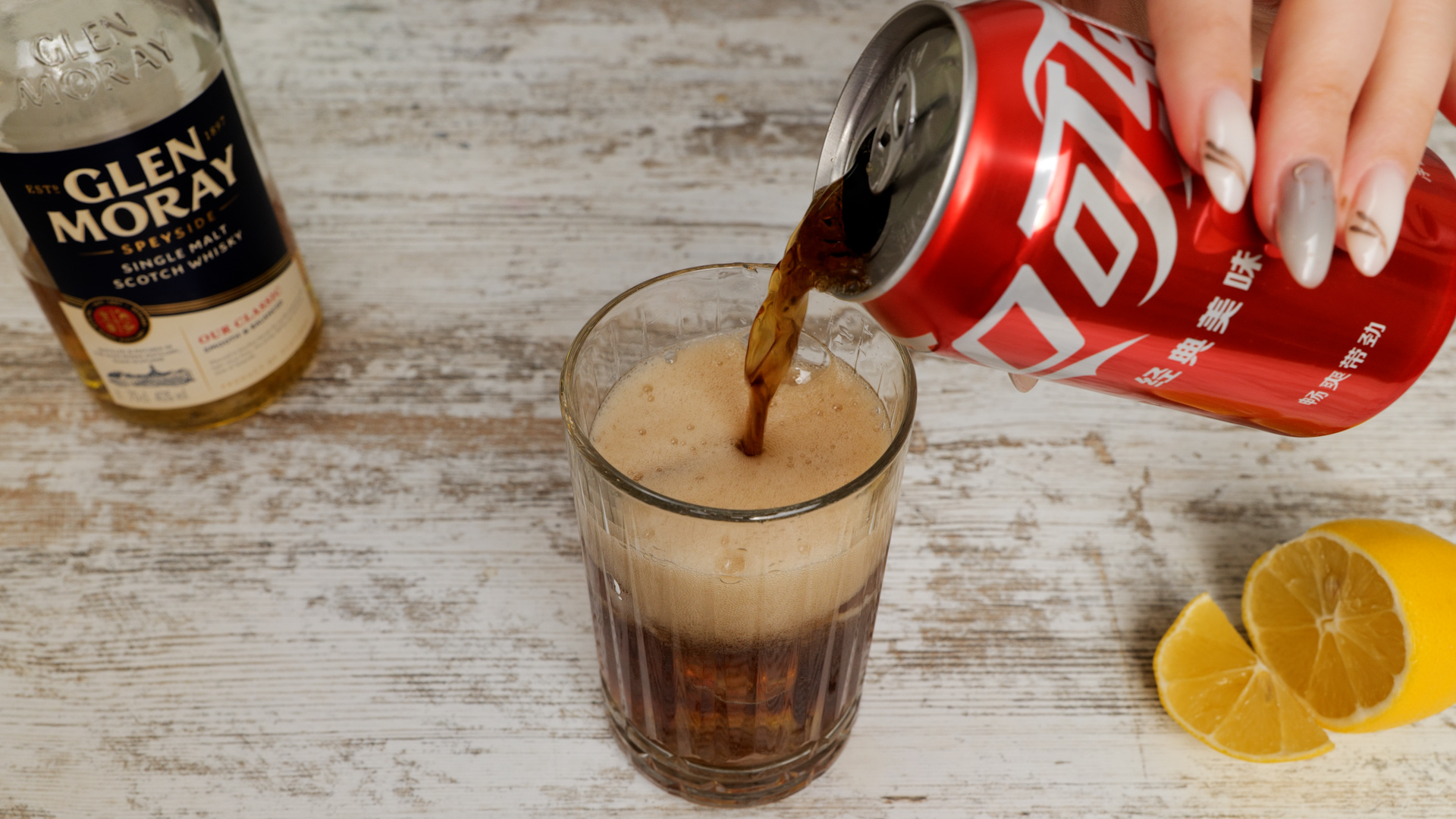
Single malt whiskey has a reputation for arriving with an inv or breathe too loudly near an expensive bottle, and somewhere a self-appointed whiskey guardian may gasp in horror.
Fortunately, enjoying single malt is far less complicated than the ceremony surrounding it. The best drinking method is the one that helps you appreciate the whiskey’s aroma, flavor, texture, and finish. For some people, that means a room-temperature pour with nothing added. Others discover more fruit and sweetness after introducing a few drops of water. Some prefer the softer, cooler experience of whiskey over ice.
This guide explains three practical ways to drink single malt whiskey: neat, with water, and on the rocks. You will learn what each method does, how to taste more deliberately, which glassware works best, and how to avoid turning a carefully matured spirit into expensive barley-flavored water.
What Is Single Malt Whiskey?
Single malt is a category of whiskey made from malted barley at one distillery. The word “single” refers to the distillery, not necessarily one barrel, one batch, or one dramatic Highlander personally guarding the warehouse.
In Scotland, the traditional spelling is whisky, without an “e.” American and Irish producers generally use whiskey. Because this article discusses the broader category, it uses “whiskey” most often while retaining “whisky” when referring specifically to Scotch.
A bottle may contain spirit drawn from several barrels of different ages, provided those barrels come from the same distillery and meet the legal rules of the producing country. Cask selection, barley, water, fermentation, still shape, climate, maturation time, and barrel history all influence the final flavor.
That is why single malts can taste wildly different. One may suggest honey, pear, vanilla, and fresh bread. Another may deliver sea spray, smoked meat, iodine, pepper, or the thrilling sensation that someone has set a fruitcake on fire near the ocean.
Prepare the Whiskey Before You Drink It
Choose a Sensible Pour
Start with approximately 1 to 1.5 ounces. A smaller pour is enough for careful tasting and leaves room for experimentation. In the United States, 1.5 ounces of 80-proof spirits represents one standard drink, but many single malts are bottled above 40% alcohol by volume. A cask-strength whiskey can therefore contain considerably more alcohol in the same serving size.
Read the alcohol-by-volume percentage on the label, pour deliberately, and sip slowly. Single malt is not improved by treating it like a competitive sport.
Select the Right Glass
For tasting whiskey neat or with water, use a tulip-shaped nosing glass, such as a Glencairn-style glass. Its wider bowl gives the whiskey room to release aromatic compounds, while the narrower rim concentrates those aromas near your nose.
A small wine glass can also work well. Avoid extremely wide glasses when you want to study subtle aromas because they allow scents to disperse quickly. For whiskey on the rocks, choose a sturdy rocks glass with enough space for one large cube.
Skip Strong Household Aromas
Whiskey tasting depends heavily on smell, so scented candles, perfume, cigar smoke, cooking odors, and aggressively fragrant hand soap can interfere with the experience. Your vanilla-scented candle may be lovely, but it should not receive credit for flavors the distiller spent 15 years developing.
Way 1: Drink Single Malt Whiskey Neat
Drinking whiskey neat means serving it by itself without water, ice, soda, or mixers. This is the best starting point because it lets you experience the spirit at its bottled strength and temperature.
How to Pour and Rest the Whiskey
Pour the whiskey into a clean glass and let it rest briefly. A minute or two is usually enough for a standard pour. You do not need to leave it untouched for one minute per year of age, despite what certain barroom legends may claim.
Resting allows some of the sharpest alcohol vapors to dissipate. It also gives you time to observe the color, although color alone is not a dependable measure of age or quality. Barrel type, repeated maturation, and permitted coloring practices can all affect appearance.
How to Nose Whiskey Without Burning Your Sinuses
Bring the glass toward your nose gradually rather than burying your face in it. Keep your mouth slightly open and take several gentle sniffs. Moving the glass from one nostril to the other may reveal different aromas.
Look for broad impressions before hunting for poetic tasting notes. Ask whether the aroma seems fruity, floral, malty, smoky, spicy, coastal, nutty, or sweet. Once you identify a general family, search for more specific associations such as apple, lemon peel, cereal, caramel, cinnamon, leather, or campfire smoke.
There is no examination at the end. If a professional identifies “sun-dried apricot beside an antique cedar cabinet” and you smell toast, toast is a perfectly respectable answer.
How to Take the First Sip
Take a very small first sip and move it around your mouth. This initial taste helps your palate adjust to the alcohol. After a short pause, take a second sip and pay attention to three stages:
- Arrival: The first flavors and sensations as the whiskey enters your mouth.
- Development: The flavors that appear as the whiskey spreads across your tongue.
- Finish: The flavors, warmth, dryness, sweetness, or smoke that remain after swallowing.
Neat service preserves the whiskey’s full texture and concentration. It is especially rewarding with balanced, lower-proof single malts whose alcohol does not overwhelm their delicate fruit, cereal, floral, or oak notes.
When Neat May Not Be Ideal
A high-proof or heavily peated whiskey may feel sharp when tasted neat. That does not automatically mean the whiskey is poorly madeor that your palate lacks sophistication. It may simply perform better for you after controlled dilution.
Taste it neat first, learn what is present, and then proceed to the second method.
Way 2: Add a Few Drops of Water
Adding water is not an insult to single malt. Distillers, blenders, judges, and professional tasters regularly dilute whiskey when evaluating it. Water lowers the alcohol concentration and can make certain aromatic compounds easier to perceive.
The effect varies by bottle. A few drops may reveal honey, flowers, tropical fruit, malt, vanilla, salt, or smoke that seemed hidden behind the alcohol. In other whiskeys, too much water may flatten the texture and shorten the finish.
Use Neutral, Room-Temperature Water
Choose still water with a neutral flavor. Filtered water generally works well. Strongly mineralized water can introduce its own taste, while highly chlorinated tap water may add an aroma that no distillery has ever proudly listed on a label.
Room-temperature water is preferable for analytical tasting because very cold water can suppress aroma and flavor perception. Keep the whiskey and water reasonably close in temperature so you change dilution without dramatically changing another variable.
Add Water Gradually
Taste the whiskey neat before adding anything. Then use a dropper, straw, teaspoon, or clean bottle cap to add two or three drops of water. Gently rotate the glass, wait several seconds, smell again, and take another small sip.
Continue adding water in tiny increments until the alcoholic sting becomes comfortable or the whiskey’s aromas seem more expressive. Stop when the flavors begin to feel thin, vague, or watery.
This gradual method is particularly useful with cask-strength whiskey. Pouring in an unmeasured splash can skip the most interesting stage of dilution and send the drink directly from “powerful” to “sad puddle.”
What Water Changes
Water can soften ethanol intensity, alter how aromatic molecules behave in the glass, and change the balance between sweetness, smoke, spice, fruit, and oak. It may also make the whiskey appear slightly cloudy, especially if the spirit is non-chill-filtered. This cloudiness is generally cosmetic and does not indicate spoilage.
Because each release has a different proof and chemical composition, there is no universal number of drops. Your preferred dilution will also depend on experience, sensitivity to alcohol, and the flavors you enjoy.
Best Candidates for Water
Water often helps powerful single malts bottled above approximately 46% alcohol by volume, especially cask-strength releases. It may also make intensely smoky or spicy whiskey easier for beginners to explore. More delicate, mature whiskeys should be diluted cautiously because their subtle aromas can disappear quickly.
Way 3: Drink Single Malt Whiskey on the Rocks
“On the rocks” means serving whiskey over ice. Purists sometimes object because cold temperatures can mute aromas and ice creates ongoing dilution. Both observations are true, but neither makes the method wrong.
Ice can soften alcohol heat, make robust whiskey more refreshing, and create a slower transformation in the glass. The first sip may be concentrated and aromatic. Later sips become cooler, lighter, and less intense as the ice melts.
Use One Large Ice Cube
A large cube or sphere has less surface area relative to its volume than several small cubes, so it generally melts more slowly. That gives you gradual chilling and dilution rather than an immediate flood.
Place one large cube in a rocks glass, pour the whiskey over it, and allow the drink to sit for 20 to 30 seconds. Taste it at intervals to observe how the flavor changes. Avoid crushed ice unless rapid chilling and substantial dilution are your actual goals.
Use Fresh, Clean Ice
Ice absorbs freezer odors surprisingly well. A beautiful single malt poured over a cube that tastes faintly of frozen onions is a tragedy with preventable causes.
Use fresh ice made from clean-tasting water and store it in a sealed container. Clear ice looks impressive and tends to melt predictably, but ordinary clean ice is entirely acceptable. The whiskey will not demand proof that your cube attended finishing school.
Choose a Flavorful Whiskey
Whiskeys with bold smoke, oak, spice, dark fruit, or higher alcohol content usually hold up better to ice than extremely subtle expressions. Cooling can make the spirit feel smoother, but it may conceal floral, citrus, and cereal notes.
If an expensive or delicate bottle seems muted over ice, return to neat service or use a few drops of water instead. The purpose is not to obey a rule; it is to find the serving style that allows that particular whiskey to perform at its best.
Neat vs. Water vs. Ice: Which Method Should You Choose?
| Method | Best For | Main Effect | Possible Drawback |
|---|---|---|---|
| Neat | Studying the original flavor and texture | Preserves full strength, aroma, and body | Alcohol may overwhelm beginners |
| With water | High-proof or tightly structured whiskey | Reduces alcohol intensity and may reveal aromas | Overdilution can flatten the flavor |
| On the rocks | Bold whiskey and relaxed sipping | Cools and gradually dilutes the spirit | Cold temperatures can mute delicate notes |
The most informative approach is to try all three methods side by side. Pour three small samples from the same bottle. Leave one neat, add several drops of water to the second, and place the third over one large cube. Comparing them directly will teach you more than memorizing somebody else’s rules.
A Guided Experience: Trying All Three Methods in One Evening
Imagine opening an approachable single malt with notes of apple, honey, vanilla, malt, and light oak. You pour three modest samples into separate glasses, place a glass of water nearby, and begin with the neat pour.
At first, the alcohol rises sharply from the glass. Instead of plunging your nose toward it, you approach from several inches away. The strongest impression is fresh fruit. As you move closer, you detect cereal, vanilla, and perhaps something resembling toasted almonds. The whiskey smells different from each angle, which makes the glass seem less like a drinking vessel and more like a tiny aromatic puzzle.
Your first sip is warm and slightly defensive, as though the whiskey wants to verify your credentials. The second is more cooperative. Apple and honey appear at the front of the palate, followed by pepper and dry oak. The texture feels rich, and the finish remains warm for nearly a minute.
You move to the second sample and add three drops of room-temperature water. After gently rotating the glass, the aroma becomes less sharp. The fruit seems sweeter, and a floral note appears that was difficult to detect in the neat pour. On the palate, the whiskey feels softer. The oak remains, but the pepper has stepped backward, allowing malt and vanilla to become clearer.
You add three more drops. This time, the difference is smaller but still noticeable. The whiskey seems rounder and easier to sip, although its texture is slightly lighter. One more generous splash, however, makes the finish noticeably shorter. You have found the turning point: a little water improves this whiskey, while too much removes the structure that made it interesting.
Finally, you pour the third sample over a large ice cube. The nose immediately becomes quieter. The apple and flowers retreat, while vanilla and oak remain easier to recognize. The first chilled sip feels smooth and refreshing. The alcohol heat is restrained, making the drink more casual and less demanding.
Several minutes later, melted ice has changed the balance again. The whiskey is lighter, the sweetness is more obvious, and the finish is shorter. It may no longer offer the detailed aroma of the neat sample, but it has become an easygoing drink suited to a warm evening or a long conversation.
The comparison reveals something important: none of the three glasses is objectively correct. The neat pour provides the clearest view of the whiskey’s original structure. Water offers the most expressive balance of fruit, sweetness, and spice. Ice creates the most relaxed and refreshing experience.
You may prefer one method tonight and another with a different bottle. A smoky island malt might become more approachable over ice, while an older floral whiskey could shine neat. A powerful American single malt may reveal its best character after careful dilution. The useful skill is not choosing one permanent rule. It is learning to observe how each whiskey responds.
Keep simple notes as you experiment. Record the bottle, proof, serving method, aromas, flavors, texture, and finish. A few honest words are more valuable than an elaborate tasting note copied from a reviewer. “Peach, toast, pepper, better with four drops of water” is practical information you can use the next time you open the bottle.
Common Mistakes When Drinking Single Malt Whiskey
Taking the First Sip Too Quickly
Strong alcohol can temporarily overwhelm your senses. Smell gently, begin with a small sip, and give your palate time to adapt.
Adding Too Much Water at Once
You can always add more water, but removing it requires laboratory equipment and a degree in regret. Dilute gradually and taste after every addition.
Using Too Much Ice
Several small cubes chill and dilute whiskey rapidly. One large cube gives you more control and makes it easier to follow the drink’s evolution.
Assuming Expensive Means Better
Age, rarity, packaging, and limited availability influence price, but they do not guarantee that you will enjoy the flavor. A reasonably priced bottle that suits your palate is more valuable than a prestigious bottle you drink mainly to impress the furniture.
Letting Other People Dictate Your Preference
Expert guidance can help you identify flavors and improve your technique, but your senses make the final decision. Adding water or ice does not “ruin” a whiskey when the result is more enjoyable to you.
Final Thoughts
The three best-known ways to drink single malt whiskey are neat, with a controlled amount of water, and on the rocks. Begin neat to understand the whiskey in its bottled form. Add water gradually when you want to reduce alcohol intensity or reveal hidden aromas. Use one large ice cube when you prefer a cooler, softer, steadily changing drink.
Rather than choosing a method based on tradition alone, compare the same whiskey in several forms. Pay attention to aroma, sweetness, smoke, spice, texture, and finish. With practice, you will learn which bottles prefer a few drops of water, which stand confidently on their own, and which become excellent companions for a large cube and an unhurried evening.
Single malt rewards curiosity more than ceremony. Pour modestly, taste patiently, and remember the only rule worth defending: the whiskey should be enjoyed, not endured.
Note: This educational article synthesizes established tasting and service guidance from the Alcohol and Tobacco Tax and Trade Bureau, National Institute on Alcohol Abuse and Alcoholism, Distilled Spirits Council of the United States, Whisky Advocate, Liquor.com, Food & Wine, Serious Eats, VinePair, Distiller, Men’s Journal, Esquire, Tasting Table, and Chemical & Engineering News. Alcohol is intended only for adults of legal drinking age. Drink responsibly, account for the bottle’s alcohol percentage, and never drive after drinking.