For years, sleep advice has sounded like a greatest-hits album: go to bed on time, skip the late espresso, stop doomscrolling, and maybe don’t turn your bedroom into a tiny Las Vegas. Now, research is giving that last point a lot more weight. A growing body of evidence suggests that even relatively modest light exposure at night may do more than annoy your sleep schedule. It may also put extra stress on your heart and your metabolism.
The headline-grabbing study that pushed this topic into the spotlight found that sleeping in a moderately lit room for just one night increased heart rate during sleep and worsened insulin resistance the next morning. That does not mean one glowing alarm clock is personally plotting against your arteries. But it does mean nighttime light is not as harmless as many of us assumed. Your body doesn’t always treat “dim enough to ignore” as “dark enough to rest.”
And that is the real issue. Humans may love convenience, but our biology is still running a much older operating system. It expects bright light in the daytime, darkness at night, and fewer midnight encounters with a television screen glowing like a haunted aquarium. When that pattern gets disrupted, your sleep, hormones, nervous system, and potentially your cardiovascular health can all start acting a little grumpy.
What the Study Actually Found
The study most often cited in this conversation came from researchers at Northwestern Medicine. In a sleep-lab experiment, healthy young adults spent nights sleeping under different lighting conditions. One group slept in very dim light, while another group slept one night in dim light and another night in brighter room light. The brighter condition was not “stadium spotlight” bright, but it was enough to matter.
After that brighter night, researchers found two notable changes. First, the participants’ heart rates stayed higher while they slept. Second, they showed greater insulin resistance the following morning. That is a big deal because nighttime is supposed to be when the body shifts into restoration mode. Heart rate and other cardiovascular measures typically drop during sleep so the body can recover. Instead, light seemed to keep the body more alert than it should have been.
In simple terms, the body behaved less like it was tucked into bed and more like it was half-convinced morning had started early. Not ideal. Your heart deserves a night off, too.
Why that matters
A higher sleeping heart rate is not just a weird lab trivia fact. It suggests the autonomic nervous system, especially the more activating “fight-or-flight” side, may stay more switched on than it should during sleep. Researchers believe this extra activation could be one reason nighttime light may nudge the body toward cardiometabolic problems over time.
To be fair, this was a small short-term laboratory study, so it does not prove that one dim bedside glow will directly cause heart disease. But it does show a plausible mechanism. That matters because later research and broader sleep science point in the same direction: disrupted sleep and circadian rhythms are bad news for heart health.
How Light at Night Could Mess With Your Heart
Your circadian rhythm gets confused
Your circadian rhythm is the body’s internal 24-hour clock. It helps control sleep timing, hormone release, temperature, metabolism, and a surprising number of functions that politely continue without asking for your input. Light is one of the strongest signals that sets this clock. Bright light says, “Rise and shine.” Darkness says, “Calm down, we’re closed.”
When light shows up at the wrong time, especially in the evening or during sleep, your brain can interpret it as a signal to stay more alert. That may delay or suppress melatonin, the hormone that helps prepare your body for sleep. Less melatonin and a mistimed body clock can mean lighter sleep, more fragmented sleep, and less of the restorative deep sleep your cardiovascular system appreciates.
Your nervous system may stay too active
Normally, sleep is associated with a quieter cardiovascular state. Heart rate dips. Blood pressure usually falls overnight. The body shifts into a more restorative pattern. But light exposure during sleep appears to interfere with that process. In the Northwestern study, even while participants were asleep, their bodies showed signs of increased autonomic activation. In other words, the body was not fully clocking out for the night.
That matters because chronic overactivation of the stress response is not something the heart enjoys. It is like making your engine idle higher all night long and then acting surprised when parts wear down faster.
Metabolism and heart health are teammates
The heart does not live in a vacuum. Poor glucose regulation, insulin resistance, weight gain, high blood pressure, and inflammation all influence cardiovascular risk. If nighttime light disrupts sleep and worsens metabolic control, it may indirectly raise the odds of heart-related trouble over time.
That is one reason this topic keeps showing up in cardiometabolic research instead of being filed away under “minor bedroom annoyances.”
So, Is Dim Light Really a Problem?
This is where nuance matters. Not every light source carries the same risk. A tiny low amber nightlight near the floor is not the same as an overhead ceiling light, a bright television, or a phone screen inches from your face. The exact threshold that becomes harmful likely varies from person to person, depending on brightness, color, timing, duration, and individual sensitivity.
Still, researchers and sleep experts consistently make the same larger point: nighttime darkness matters more than people think. Harvard sleep research has noted that even very low levels of light can affect melatonin and circadian rhythm. Northwestern researchers, meanwhile, advise that if you can see the room clearly, it may already be too bright for ideal sleep.
So no, this is not a panic memo about every tiny red clock digit in America. It is a reminder that “I can still fall asleep with the light on” is not the same as “my body is sleeping under perfect conditions.” Plenty of people can fall asleep on a couch during an action movie. That does not make it peak recovery.
Why This Matters Beyond One Night
The heart-related concern does not rest on one lab study alone. Public health and cardiovascular organizations already recognize sleep as a major part of heart health. The American Heart Association includes healthy sleep in its Life’s Essential 8, and both the CDC and NHLBI note that not getting enough quality sleep over time can increase the risk of heart disease, high blood pressure, diabetes, and stroke.
More recent observational research has added another layer. A 2025 study highlighted by the American Heart Association linked higher levels of nighttime light exposure with greater brain stress activity, more blood vessel inflammation, and a higher risk of major heart events over time. Because it was observational, it cannot prove that light caused the problem. But it strengthens the argument that nighttime light is not just a cosmetic urban nuisance. It may be a legitimate environmental health issue.
Other research has also tied nighttime light exposure to obesity and weight gain, especially when people sleep with a light or television on. That does not mean every illuminated bedroom produces instant metabolic chaos. It does mean the pattern keeps showing up in research often enough that experts are paying attention.
Common Sources of Nighttime Light That Sneak Up on You
Most people do not sleep under bright interrogation lamps. The problem is usually smaller and sneakier:
Streetlights through the window
Urban and suburban outdoor lighting can spill into bedrooms all night long, especially if blinds or curtains are thin. If the light lands directly on your face, your brain may take the hint even with your eyes closed.
Televisions left on
Many people enjoy falling asleep to a show, a movie, or a true-crime narrator whispering ominously about evidence. Unfortunately, a TV combines light, stimulation, and changing brightness. It is basically a sleep saboteur with a streaming subscription.
Phones, tablets, and laptops
These devices are especially tricky because they often emit blue-rich light, which can be particularly disruptive to melatonin and circadian timing. Late-night scrolling feels harmless until your brain thinks sunrise has arrived inside your pillow fort.
Bright alarm clocks and electronics
Even small electronics can contribute to a bedroom that is brighter than ideal, especially when several devices are glowing at once. One tiny display may be no big deal, but the whole room can quietly become less dark than you realize.
Indoor lights used for convenience or safety
Hallway lights, bathroom lights, and bedside lamps are understandable, especially for older adults or anyone worried about falls. But sleep experts usually recommend dimmer, warmer lights placed low to the floor instead of bright overhead or cool white bulbs.
How to Protect Your Sleep and Your Heart
You do not need to live like a cave bat to make your bedroom more sleep-friendly. A few simple changes can make a real difference.
1. Make the room as dark as reasonably possible
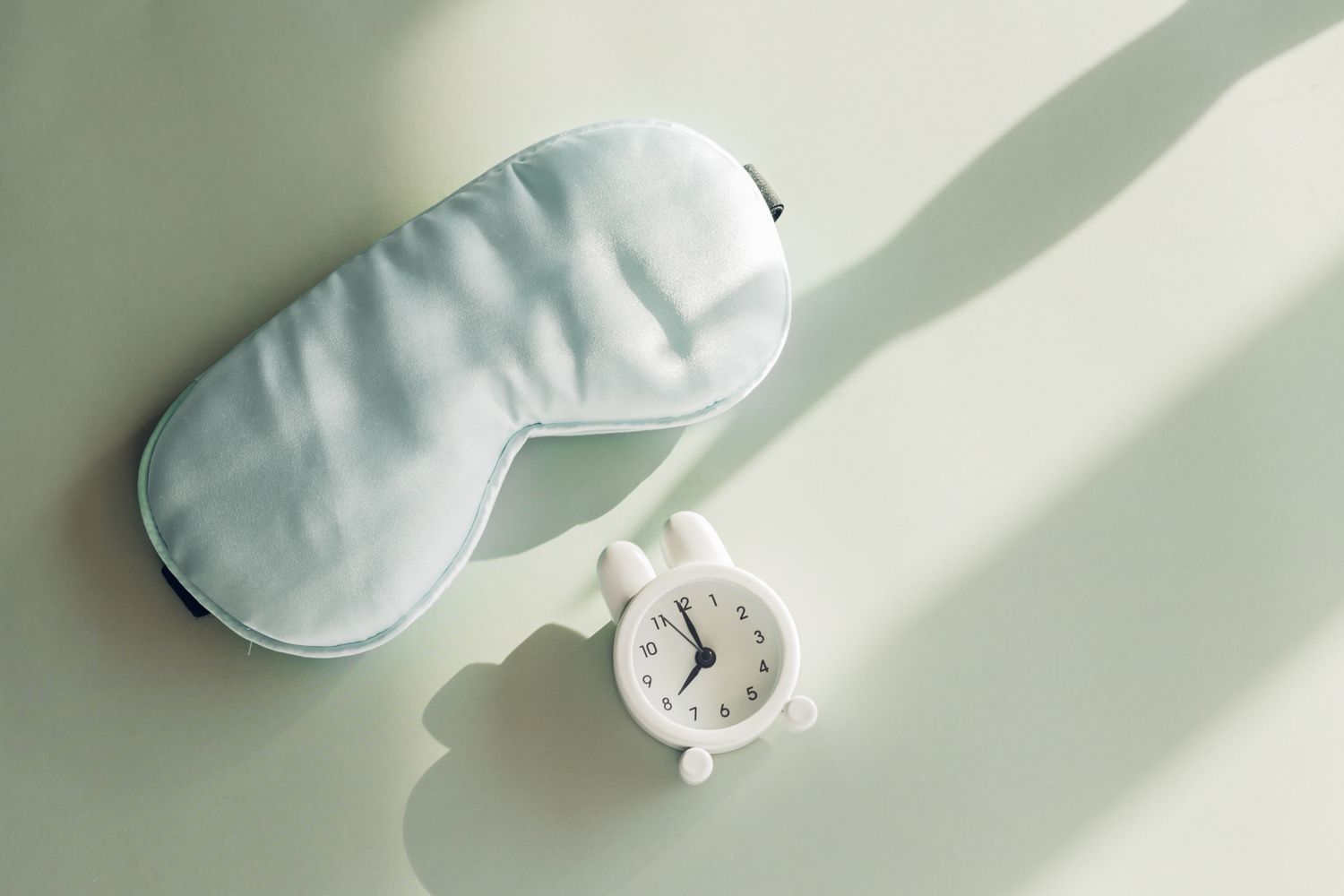
Use blackout curtains, room-darkening shades, or an eye mask if outdoor light is the problem. This is one of the easiest upgrades with the biggest payoff.
2. Turn off the TV before you fall asleep
Yes, even if that detective show feels like your emotional support blanket. Use a timer if needed, but the goal is darkness, not a four-hour glow marathon.
3. Move screens out of bedtime
Cut down on phone, tablet, and laptop use in the hour before bed. If you absolutely must use a device, dim the screen and shift it to a warmer setting. Still, darker is better.
4. Choose warmer, lower light if you need a nightlight
Experts often suggest amber, red, or orange tones instead of bright white or blue light. Keep the light dim and place it low, closer to the floor, rather than at eye level.
5. Keep a consistent sleep schedule
Sleep timing and regularity matter for heart health, too. A dark room helps, but so does going to bed and waking up around the same time most days.
6. Get bright natural light during the day
Morning daylight helps reinforce your circadian rhythm, which may make your body less confused by nighttime darkness. Think of it as setting your internal clock correctly so it stops freelancing.
7. Talk to a healthcare professional if sleep issues persist
If you snore heavily, feel exhausted despite enough time in bed, wake up gasping, or struggle with chronic insomnia, it is worth getting evaluated. Light is only one piece of the puzzle. Sleep apnea and other disorders can also have major cardiovascular consequences.
Everyday Experiences That Make This Research Feel Very Real
One reason this topic resonates is that so many people have experienced some version of it without putting the pieces together. Consider the person who moves from a quiet, dark neighborhood to a bright city apartment and suddenly starts waking up more often. They may blame stress, noise, or a bad mattress, but the steady orange glow sneaking through the blinds can be part of the story. The body notices what the sleepy brain shrugs off.
Then there is the classic “I can only fall asleep with the TV on” routine. Plenty of people swear by it because the sound is comforting and the glow feels familiar. But they also wake up at 3:17 a.m. with dry eyes, a twisted blanket, and a crime documentary still explaining suspicious footprints. That kind of sleep may be unconscious, but it is not exactly elegant. The brain is trying to rest while the room keeps changing brightness and visual stimulation all night.
Older adults often have a different experience. They may keep lights on for safety when getting up at night, which is understandable. Nobody wants a perfect melatonin profile at the cost of tripping over a shoe. But this is where smarter lighting matters. A dim, warm, low nightlight in the hallway or bathroom can be a much better compromise than a bright lamp in the bedroom. The goal is not total darkness at all costs. The goal is less unnecessary light where your body is trying to recover.
Parents know this issue, too. Kids who are nervous about the dark often want light, and many households end up with glowing projectors, bright animal-shaped lamps, or hallway light pouring in under the door. Some children do better with a very dim warm light, but many bedrooms accidentally become much brighter than intended. What feels “cozy” at bedtime can become biologically chatty at 2 a.m.
Shift workers probably understand this whole conversation better than anyone. When you need to sleep during the day or at odd hours, light control stops being a cute wellness tip and becomes a survival strategy. Blackout curtains, eye masks, and strict screen boundaries are not luxuries. They are tools. And for travelers, hotel rooms are their own adventure: glowing thermostats, blinking smoke detector lights, thin curtains, and the mysterious blue beam from an appliance nobody remembers plugging in.
In real life, sleep disruption is rarely caused by one dramatic villain. It is usually a gang of small nuisances: the phone screen, the hallway light, the TV, the streetlamp, the inconsistent bedtime, the late snack, the stress spiral. But research on nighttime light is a useful reminder that some of those “little things” are not so little. If your bedroom is never truly dark, your body may never be fully convinced that night has arrived. And when night never quite feels like night, your heart may miss some of the recovery it has been patiently waiting for.
Final Thoughts
The idea that dim light during sleep might affect heart health can sound dramatic at first. But the science is not saying you should fear every tiny glow like it is an evil moonbeam. It is saying that darkness is biologically valuable. Your body needs a clear signal that nighttime is for restoration, not half-alert limbo.
The strongest evidence so far shows that brighter room light during sleep can raise heart rate and impair next-morning glucose regulation, while broader research connects poor sleep, irregular sleep, and nighttime light exposure with worse cardiometabolic health. Add it all together, and the message is pretty practical: make your bedroom darker, keep nighttime light low and warm if you need it, protect your sleep schedule, and treat darkness like part of your health routine, not an optional aesthetic choice.
In other words, your heart probably does not need a lullaby. But it may appreciate fewer glowing gadgets trying to audition for one.