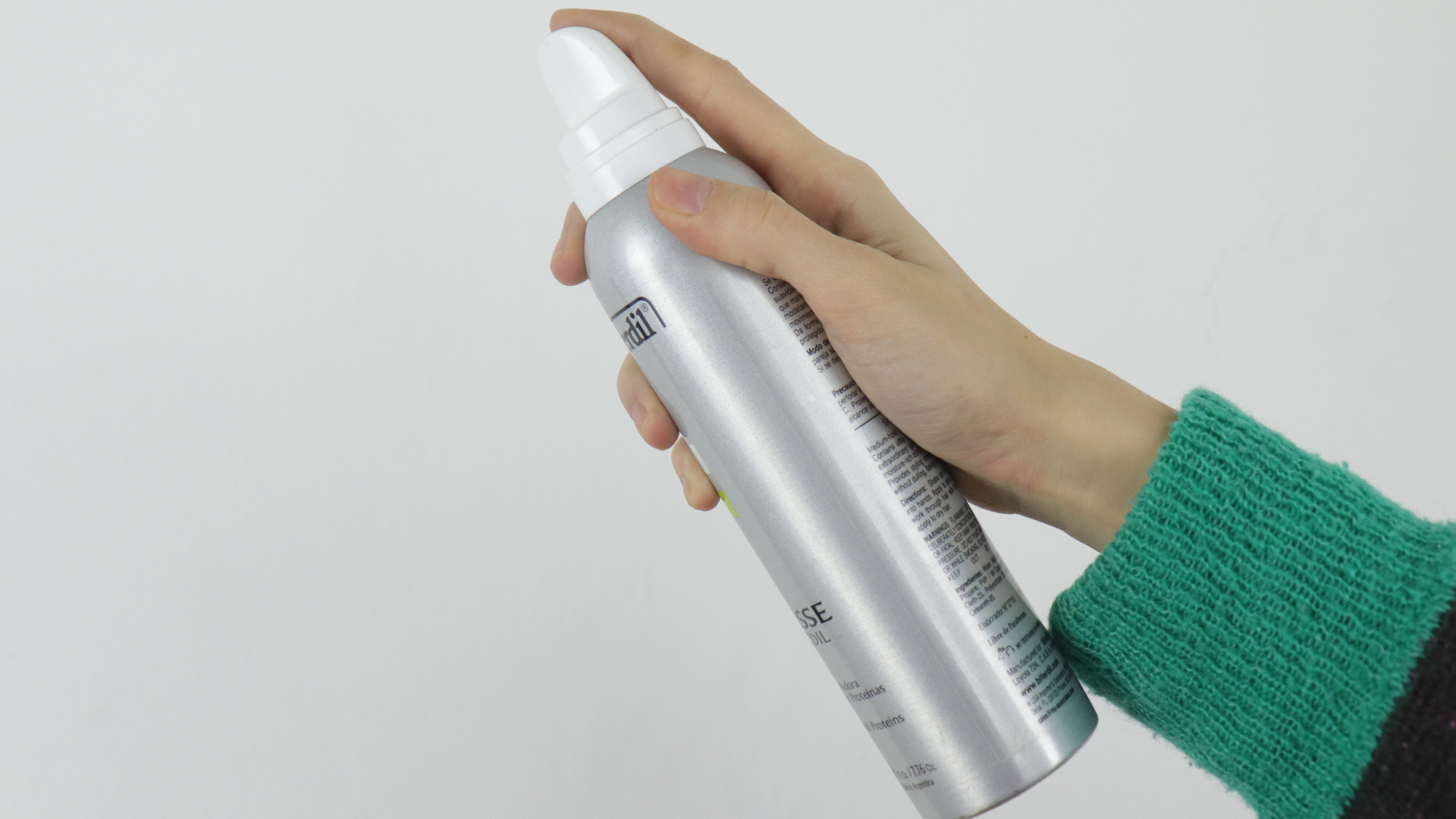
Static hair is one of those tiny beauty disasters that feels personal. You leave the house looking polished, then one scarf, one wool sweater, or one dramatic winter breeze later, your hair is standing up like it just heard shocking gossip. The good news? Static is not a mystery curse from the hair gods. It is mostly a moisture-and-friction problem, which means you can fix it with the right routine, the right tools, and a few emergency tricks that do not involve hiding under a hat until spring.
Static happens when hair builds up an electrical charge. Dry air, indoor heating, rough towels, plastic brushes, hats, scarves, and over-dry styling can all encourage strands to repel one another. That is why static hair is especially common in winter, on airplanes, in dry climates, and after blow-drying. Fine hair, damaged hair, color-treated hair, and naturally dry or curly textures can be more prone to it because they often need extra moisture and gentler handling.
This guide breaks the solution into three practical methods: hydrate your hair, reduce friction, and style smarter. Think of it as a peace treaty between your hair and the atmosphere.
Why Hair Gets Static in the First Place
Before we tame the flyaways, let’s quickly diagnose the drama. Static in hair usually comes from three main triggers: dryness, friction, and damaged cuticles. When the air is dry, your hair loses moisture more easily. When strands rub against hats, pillows, sweaters, towels, or brushes, electrical charges can build up. When the hair cuticle is rough from heat styling, chemical processing, harsh washing, or skipping conditioner, strands are more likely to catch, separate, frizz, and float away from the head.
That is why the best anti-static hair routine is not just one magic spray. It is a combination of moisture, smoothness, and less rubbing. Imagine your hair as a silk ribbon. If it is soft and smooth, it glides. If it is dry and roughed up, it clings, crackles, and acts like it has a tiny battery pack.
Way 1: Add Moisture Before Static Starts
The most reliable way to get rid of static in hair is to stop dryness before it begins. Hair that is properly conditioned is softer, smoother, and less likely to repel itself into a floating halo. Moisture is not just a nice bonus; it is the foundation of static control.
Use Conditioner Every Time You Shampoo
If you regularly skip conditioner, static may treat your head like a vacation home. Conditioner helps smooth the hair cuticle, reduces friction, improves manageability, and makes strands less likely to fly away. Focus conditioner on the mid-lengths and ends if your hair is fine or oily. If your hair is curly, coarse, dry, or color-treated, you may benefit from applying conditioner through more of the hair length.
For best results, avoid piling shampoo through the ends of your hair. Massage shampoo into your scalp, then let the lather rinse through the lengths. This cleans without stripping the ends, which are usually the driest and most static-prone part of the hair.
Choose Hydrating Ingredients
Look for words like “hydrating,” “moisturizing,” “smoothing,” “anti-frizz,” or “damage repair” on shampoos, conditioners, masks, and leave-ins. Helpful ingredients may include glycerin, fatty alcohols, argan oil, avocado oil, coconut oil, shea butter, ceramides, plant oils, silicones, and lightweight conditioning agents. These ingredients can help coat, soften, or moisturize strands so they do not behave like tiny rebellious antennas.
If your hair is fine, choose lightweight sprays, milks, or leave-in mists. If your hair is thick, curly, coily, or very dry, richer creams, oils, and masks may work better. The goal is not to drown your hair in product. The goal is to give it enough slip and moisture to stay calm.
Try a Leave-In Conditioner
A leave-in conditioner is one of the easiest daily fixes for static hair. Apply a small amount to damp hair after washing, then comb through gently. Leave-ins help detangle, soften, smooth, and reduce flyaways. Some also include heat protection, which is useful if you blow-dry or use hot tools.
For second-day hair, rub a pea-size amount of leave-in conditioner or styling cream between your palms, then lightly smooth it over static areas. Avoid pressing too much product near the roots unless your scalp is dry or your hair is very thick. Too much product at the crown can make hair look flat, and nobody wants to trade static for “accidentally slept in a salad dressing mask.”
Deep Condition Weekly
If static keeps coming back, add a weekly deep-conditioning mask. This is especially helpful for hair that is bleached, highlighted, heat-styled, relaxed, permed, or naturally dry. A mask can temporarily improve softness and shine while reducing roughness that contributes to static and frizz.
Apply the mask after shampooing, squeeze out excess water first, and follow the timing on the label. More time is not always better. Leaving a product on overnight when it is designed for five minutes can make fine hair limp or cause buildup. Be generous, but not chaotic.
Use a Humidifier in Dry Rooms
Sometimes your hair routine is not the villain; your air is. Indoor heating can make rooms very dry, especially in winter. A humidifier adds moisture back into the air, which can help reduce static, improve hair texture, and make skin feel less parched too. Place one in your bedroom or home office if those are the places where your hair turns into a science project.
Way 2: Reduce Friction From Towels, Brushes, Hats, and Fabrics
Even moisturized hair can become staticky if you rub it aggressively against the wrong materials. Friction is one of the biggest causes of static in hair, so your tools and fabrics matter more than you might think.
Dry Hair With a Microfiber Towel or Cotton T-Shirt
Regular bath towels are great for your body but can be rough on hair. Their texture can lift the cuticle, create tangles, and encourage frizz. Instead of rubbing your hair like you are trying to start a campfire, gently squeeze out excess water with a microfiber towel or a soft cotton T-shirt.
For wavy, curly, or coily hair, this small switch can make a visible difference. Less roughness means fewer flyaways, less breakage, and better definition. It also helps your styling products work more evenly because the hair surface is smoother.
Use a Wide-Tooth Comb
Brushing dry hair too much can create friction and make static worse. When detangling wet hair, use a wide-tooth comb and start at the ends, working upward slowly. If you have curls or coils, detangle while hair is damp and coated with conditioner or leave-in product. If you have straight hair, let it dry slightly before combing to reduce breakage.
For static-prone hair, wooden combs, metal combs, natural-bristle brushes, or anti-static brushes may work better than cheap plastic brushes. Plastic can increase friction and charge buildup. Your brush should help your hair behave, not recruit it into a tiny electrical parade.
Protect Hair From Hats and Scarves
Winter accessories are adorable until your beanie turns your hair into a balloon experiment. Wool hats, synthetic scarves, fleece collars, and high-neck sweaters can all create friction. To reduce static, choose silk- or satin-lined hats when possible. You can also wrap hair in a silk scarf before putting on a winter hat or use a satin pillowcase at night.
If you wear scarves often, try keeping hair in a loose braid, low bun, claw clip, or tucked style to reduce rubbing. Loose styles are usually better than tight ponytails because tension can cause breakage, especially around the hairline.
Use Emergency Static Fixes Carefully
Need to get rid of static hair fast? Try one of these quick fixes:
- Rub a tiny amount of leave-in conditioner or hand lotion between your palms, then lightly smooth over flyaways.
- Spray hairspray onto a comb, then gently comb over static areas instead of spraying directly onto the hair.
- Use a dryer sheet lightly over the surface of the hair in a pinch.
- Mist a brush with water, then smooth the outer layer of hair.
- Apply one drop of lightweight hair oil or serum to the ends and outer layer.
Dryer sheets are popular because they can neutralize static quickly, but they are not a hair-care product. Use them sparingly, avoid the scalp, and do not rely on them as your main routine. Think of them as the emergency snack in your purse: helpful, but not dinner.
Way 3: Style Smarter and Seal the Hair Cuticle
Your styling routine can either calm static or create more of it. Heat, over-drying, harsh brushing, alcohol-heavy products, and rough finishes can all make hair more likely to stand up. A smarter styling plan keeps the cuticle smoother and the moisture in place.
Do Not Over-Dry Your Hair
Blow-drying until every strand is bone-dry can make static worse. Let hair air-dry partway first when possible, then use your dryer on a lower heat setting. Keep the nozzle moving and aim airflow downward along the hair shaft to help smooth the cuticle. A concentrator nozzle can make a big difference because it directs airflow instead of blasting hair in every direction like a leaf blower at a wedding.
If your dryer has an ionic setting, try it. Ionic dryers are designed to reduce static and frizz by helping smooth the hair and speed up drying. They are not mandatory, but they can be helpful for people who fight static often.
Use Heat Protectant
Heat damage can make the hair cuticle rough, and rough hair is more likely to frizz, break, and become staticky. Before blow-drying, curling, or flat-ironing, apply a heat protectant. Some leave-in conditioners include heat protection, but check the packaging rather than assuming.
Also, turn down the temperature on hot tools. You usually do not need the highest setting unless your stylist specifically recommends it for your hair type. Fine, fragile, bleached, or damaged hair generally needs less heat. Thick or coarse hair may need more, but it still benefits from protection.
Finish With Serum, Oil, Cream, or Anti-Frizz Spray
Finishing products are the final shield against static. Hair serum, lightweight oil, smoothing cream, anti-frizz spray, or a flyaway balm can help seal the surface and keep tiny hairs from lifting. Apply a small amount at first. You can always add more, but removing too much product usually requires shampoo and a small emotional reset.
For fine hair, use a mist or lightweight serum mainly on the ends. For medium hair, use a small amount of cream or oil through the mid-lengths and ends. For thick, curly, or coily hair, layer a leave-in conditioner with a cream or oil, depending on your texture and porosity.
Build a Static-Proof Routine by Hair Type
Static solutions work best when they match your hair type. Here are simple examples:
Fine Hair
Use a lightweight moisturizing shampoo, conditioner on the ends, a leave-in spray, and a tiny amount of serum. Avoid heavy oils near the roots. Choose a gentle brush and do not over-brush dry hair.
Thick Hair
Use a richer conditioner, weekly mask, smoothing cream, and a few drops of hair oil on the ends. Dry with a microfiber towel and use a lower-heat blow-dry routine with a nozzle.
Curly or Coily Hair
Moisture is the main character. Detangle with conditioner, use leave-in conditioner, layer with curl cream or oil as needed, and avoid dry brushing. Satin pillowcases, silk scarves, and protective styles can reduce friction and static.
Color-Treated or Damaged Hair
Use gentle, moisturizing products and reduce heat styling. Add a weekly mask and a heat protectant. Damaged hair often needs extra conditioning because rough cuticles can make static worse.
Common Mistakes That Make Static Hair Worse
Sometimes static sticks around because of everyday habits that seem harmless. Here are the big offenders:
- Skipping conditioner: This leaves hair drier and more likely to fly away.
- Rubbing wet hair with a towel: This roughs up the cuticle and encourages frizz.
- Using plastic brushes aggressively: This can increase friction and static.
- Over-washing dry hair: Shampooing too often can strip moisture from the lengths.
- Using high heat daily: Heat damage makes hair more fragile and static-prone.
- Ignoring indoor humidity: Dry rooms can undo a good hair routine.
- Applying too much product: Heavy buildup can make hair limp, dull, or sticky.
Fast Morning Routine to Prevent Static
If you are short on time, try this simple anti-static morning routine:
- Lightly mist hair with water or a leave-in conditioning spray.
- Comb gently with a wide-tooth comb or anti-static brush.
- Apply a pea-size amount of smoothing cream or one drop of serum to the ends.
- Use hairspray on a comb to smooth the crown and hairline.
- Before adding a hat or scarf, smooth hair down and reduce rubbing with silk or satin when possible.
This routine takes only a few minutes and works especially well before commuting, traveling, or sitting in a dry office all day.
When Static Hair Might Signal a Bigger Hair-Care Issue
Static itself is normal, but constant static may be a sign that your hair is too dry or damaged. If your hair also feels brittle, straw-like, rough, or breaks easily, consider changing your routine. Use conditioner consistently, reduce heat, choose gentle products, and avoid harsh towel drying. If your scalp is itchy, flaky, painful, inflamed, or shedding seems unusual, talk with a dermatologist. Sometimes what looks like a hair-care problem may involve scalp health, product irritation, or another issue that deserves professional attention.
Real-Life Experiences: What Actually Works When Static Hair Strikes
Anyone who has dealt with static hair knows it rarely appears at a convenient time. It does not politely show up while you are standing in your bathroom with every product you own within reach. No, static prefers drama. It appears in the elevator mirror before a meeting, in the car after you pull off a knit hat, or in the restaurant bathroom where the lighting is already unkind.
One of the most common experiences is the “winter coat effect.” You style your hair beautifully, put on a scarf, zip up your coat, and arrive with the top layer of hair floating around your face. In this situation, the fastest fix is usually not more brushing. Brushing can create even more friction. Instead, warm a tiny amount of hand cream or leave-in conditioner between your palms, then hover your hands over the hair and gently press the flyaways down. The key word is tiny. If you use too much, the hair can look greasy at the roots. If you use just enough, it looks smooth and intentional, as if you are a person who definitely has their life together.
Another common situation is office static. Dry indoor air, carpet, sweaters, and computer work can turn hair into a soft cloud by lunchtime. Keeping a travel-size leave-in spray, a mini hair oil, or even a clean toothbrush misted with hairspray can help. The toothbrush trick is especially useful around the part, temples, and hairline. Spray the toothbrush lightly, then sweep it over the flyaways. It gives control without shellacking your whole head into helmet territory.
People with fine hair often learn that less product works better. A heavy cream may stop static but flatten volume. For fine hair, a light conditioning mist, a small amount of serum on the ends, and a silk pillowcase can be more effective than loading on oils. On the other hand, people with thick, curly, or coily hair often need more layering. A leave-in conditioner followed by a cream or oil can help seal in moisture and reduce friction throughout the day.
Travel is another static trigger. Airplanes are dry, car heaters blast warm air, and hotel towels are often rough. A smart travel kit includes a satin scrunchie, mini leave-in conditioner, wide-tooth comb, and a small smoothing product. Before a flight, apply a little leave-in through the ends and braid hair loosely. This reduces rubbing against the seat and keeps hair smoother when you land. It is much better than arriving with hair that looks like it tried to escape during turbulence.
The biggest lesson from real life is simple: static control is about prevention plus quick touch-ups. Hydrate your hair before it gets dry, reduce friction where you can, and keep one tiny emergency product nearby. You do not need a complicated routine. You need a consistent one. Once your hair has enough moisture and less friction, it stops behaving like a balloon at a birthday party and starts acting like actual hair again.
Conclusion
Getting rid of static in hair comes down to three smart moves: add moisture, reduce friction, and style with protection. Start with conditioner and leave-in products, be gentle with towels and brushes, and use smoothing products or heat tools wisely. Static may be annoying, but it is also manageable. With a few routine upgrades, your hair can stay smooth, shiny, and calm even when the weather, sweaters, and indoor heating are clearly plotting against you.