Note: This article is written for general household upholstery care. Always check your couch’s care label first and test any cleaning solution on a hidden area before treating the visible stain.
An ink stain on a couch has a special way of creating instant drama. One minute you are signing a delivery receipt, helping with homework, journaling like a peaceful person in a candle commercial, or letting a toddler “borrow” a pen for exactly seven unsupervised seconds. The next minute, your sofa looks like it has joined an abstract art movement.
The good news: an ink mark does not automatically mean your couch is ruined. Whether the culprit is a ballpoint pen, gel pen, felt-tip marker, or a mystery blue streak that nobody in the house is willing to confess to, there are practical ways to lift ink from upholstery. The key is to move carefully, blot instead of scrub, and choose the right method for your couch material.
In this guide, you will learn how to remove an ink stain from a couch using three easy methods: rubbing alcohol, dish soap and vinegar, and a commercial upholstery cleaner. You will also learn what not to do, how to avoid making the stain worse, and when it is time to call in a professional cleaner before your sofa becomes a permanent crime scene.
Before You Start: Read the Couch Cleaning Code
Before attacking the stain like you are in a cleaning-product commercial, pause for a minute and find the care tag on your couch. It is usually hidden under a cushion, along a seam, or underneath the frame. This little tag tells you what kind of cleaning your upholstery can handle.
Common Upholstery Cleaning Codes
W: Water-based cleaners are generally safe.
S: Use solvent-based cleaners only. Avoid water, because it may leave rings or damage the fabric.
WS or W/S: Both water-based and solvent-based cleaners may be used carefully.
X: Vacuum only. Do not use water or solvent cleaners at home. For stains, call a professional.
If your couch has no tag, treat it like a delicate guest at a dinner party: be gentle, test first, and do not make bold decisions with chemicals. A hidden spot test can save you from turning one ink stain into a faded patch, water ring, or upholstery regret story.
What You Will Need
You do not need a laboratory, a hazmat suit, or a dramatic slow-motion montage. Most ink stain removal supplies are simple household items.
Basic Supplies
- Clean white cloths or white paper towels
- Cotton swabs or cotton balls
- Rubbing alcohol, preferably isopropyl alcohol
- Mild dish soap
- Distilled white vinegar
- Cold or lukewarm water
- A small bowl
- A soft brush, only if suitable for the fabric
- Commercial upholstery cleaner, if needed
- Leather cleaner and conditioner, for leather couches
Use white cloths whenever possible. Colored towels can transfer dye to the couch, which is the cleaning equivalent of solving one problem by inviting another one to move in.
First Rule: Blot, Do Not Rub
If you remember only one thing from this article, remember this: blot the ink stain. Do not rub it. Rubbing pushes ink deeper into the fibers and spreads it outward, creating a larger, blurrier stain. Ink is already dramatic enough. It does not need a bigger stage.
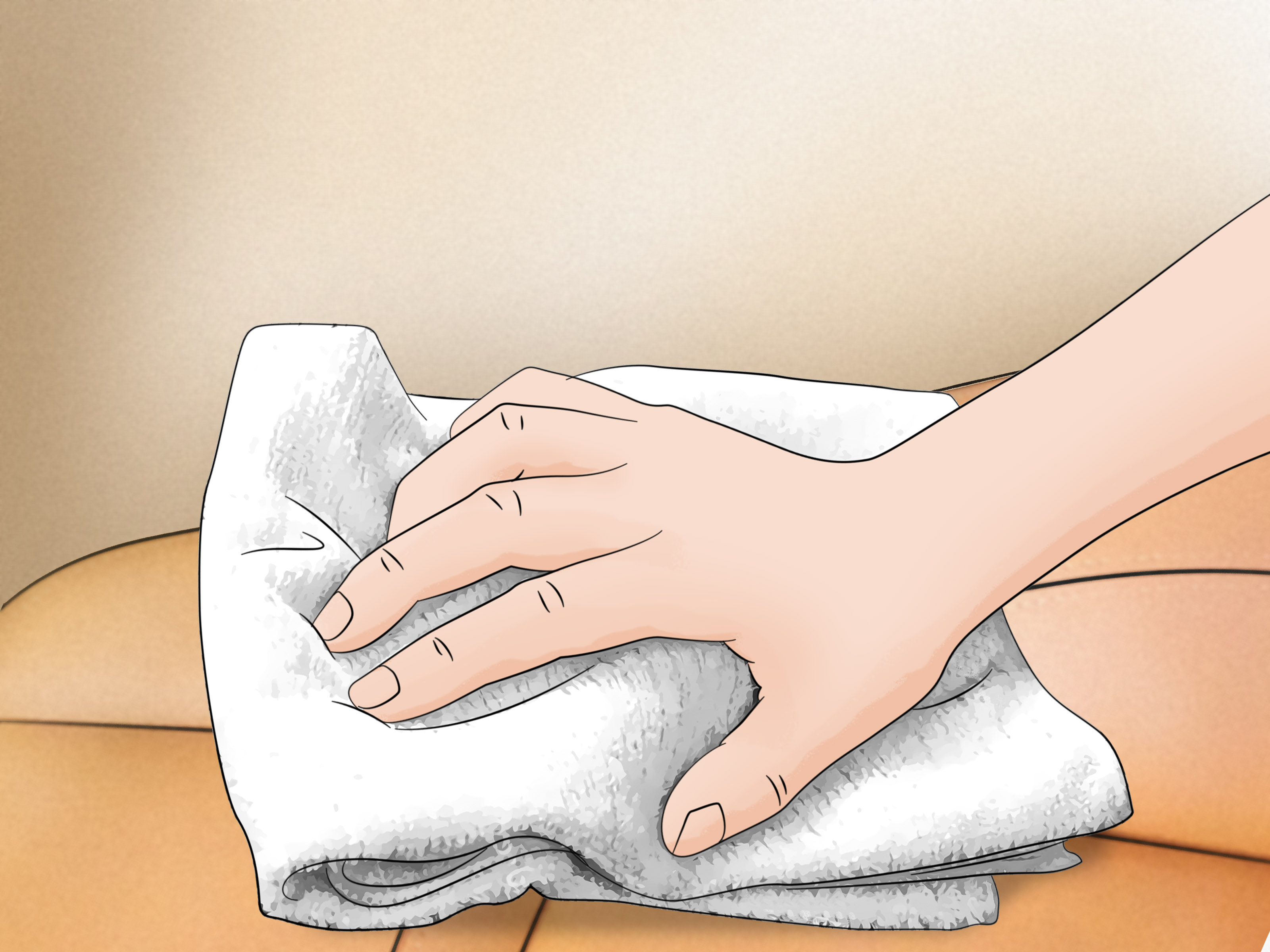
Use a clean cloth or paper towel to gently blot from the outside of the stain toward the center. This helps keep the ink from spreading. As the ink transfers to the cloth, rotate to a clean section. If you keep using the same stained part of the cloth, you may redeposit ink onto the couch.
Method 1: Remove Ink from a Couch with Rubbing Alcohol
Rubbing alcohol is one of the most reliable home treatments for many fresh ink stains, especially ballpoint pen marks. Alcohol helps dissolve ink pigments and oils so they can transfer from the upholstery to your cloth.
This method works best on many fabric and microfiber couches labeled “S” or “WS,” but you still need to test first. It may not be safe for all fabrics, dyes, leather finishes, or delicate materials.
Step-by-Step Instructions
- Test first. Apply a small amount of rubbing alcohol to a hidden area of the couch using a cotton swab. Wait several minutes and check for color transfer, fading, or texture changes.
- Blot the fresh ink. If the stain is still wet, press a clean white cloth onto the area to absorb excess ink.
- Apply alcohol to a cloth, not directly to the couch. Dampen a cotton swab or white cloth with rubbing alcohol. Do not pour alcohol onto the upholstery.
- Work from the outside in. Gently dab the stain from the edges toward the center. This helps prevent the ink from spreading.
- Switch to clean areas often. As ink transfers to the cloth, move to a clean section. Patience matters here. This is a dab-and-repeat situation, not a scrub-and-pray situation.
- Rinse residue carefully. Once the stain fades, use a separate cloth lightly dampened with water to remove remaining alcohol residue, but only if your fabric allows water cleaning.
- Dry the area. Blot with a dry towel and let the couch air dry. A fan can help speed drying, but avoid high heat.
Best For
This method is best for fresh ballpoint pen stains, small ink dots, and many microfiber couches. It may also help with some permanent ink stains, although permanent marker usually requires more patience and repeated treatment.
Be Careful With Leather
Rubbing alcohol can sometimes lift ink from finished leather, but it can also dry, dull, or discolor leather. If your couch is leather, test carefully and use only a tiny amount on a cotton swab. After cleaning, apply a leather conditioner if the manufacturer recommends it. For aniline, unfinished, vintage, cracked, or expensive leather, call a professional cleaner instead of gambling with your sofa’s future.
Method 2: Use Dish Soap and Vinegar for a Gentle Cleaning Solution
If your couch has a “W” or “WS” cleaning code, a mild dish soap and vinegar solution can help with light ink stains, general residue, and the cleaning step after alcohol treatment. This method is less aggressive than solvents, which makes it a good option for washable upholstery. It may not be strong enough for permanent marker, but it is a useful first step for delicate situations.
How to Make the Solution
Mix the following in a small bowl:
- 1 cup lukewarm water
- 1 teaspoon mild dish soap
- 1 teaspoon distilled white vinegar
Stir gently. You want a mild cleaning solution, not a bubble bath for your couch.
Step-by-Step Instructions
- Check the care code. Use this method only on upholstery that can safely handle water-based cleaning.
- Blot the ink first. Remove as much loose ink as possible with a dry white cloth.
- Dampen a clean cloth. Dip a white cloth into the cleaning solution, then wring it out well. The cloth should be damp, not dripping.
- Blot the stain gently. Work from the outside of the stain toward the center. Avoid soaking the cushion.
- Repeat as needed. Use fresh parts of the cloth as ink transfers.
- Rinse lightly. Dampen another clean cloth with plain water and blot the area to remove soap residue.
- Dry thoroughly. Press with a dry towel and allow the couch to air dry completely.
Why This Works
Dish soap helps loosen oily residue, while vinegar can help cut through certain stains and odors. Together, they create a mild solution that is useful for fabric upholstery when stronger solvents are not ideal. The goal is controlled cleaning, not soaking the cushion like it fell into a swimming pool.
Best For
This method is best for water-safe fabric couches, light ink stains, washable upholstery, and final cleanup after using rubbing alcohol. It is also a good method when you are nervous about using stronger products.
Method 3: Use a Commercial Upholstery Cleaner for Stubborn Ink
Sometimes ink refuses to leave. It settles in, gets comfortable, and acts like it signed a lease. For older stains, larger marks, permanent ink, or upholstery that has already been treated once without success, a commercial upholstery cleaner may be the best next step.
Choose a product labeled safe for your couch’s fabric type. If the label says it works on ink or upholstery stains, even better. Always read the product directions because formulas vary. Some cleaners are designed for fabric, some for microfiber, some for carpet and upholstery, and some should never meet your couch under any circumstances.
Step-by-Step Instructions
- Vacuum first. Remove dust, crumbs, pet hair, and mystery debris from the stained area.
- Test in a hidden spot. Apply a small amount of cleaner where nobody will see it. Wait the recommended time and check for damage.
- Apply according to directions. Some products are sprayed, some are dabbed, and some need dwell time before blotting.
- Blot, do not grind. Use a clean white cloth and gentle pressure. Scrubbing can fray fibers and spread ink.
- Remove residue. If the product instructions say to rinse, use a lightly damp cloth. Do not over-wet the cushion.
- Let it dry completely. Airflow helps. Heat can set stains or damage fabrics, so avoid hair dryers on high heat.
Best For
Commercial upholstery cleaners are best for set-in ink stains, larger marks, mixed stains, and situations where mild household methods are not enough. They can also be useful for families with kids, pets, or an unusually bold relationship with pens.
How to Remove Ink from Different Couch Materials
Not all couches are created equal. A cotton-blend sofa, microfiber sectional, velvet loveseat, and leather couch each react differently to moisture and solvents. The right method depends on the material.
Fabric Upholstery
For fabric couches, start with the care code. If water is safe, try the dish soap and vinegar method. If solvent cleaning is allowed, rubbing alcohol may be effective for ink. Always use small amounts and blot slowly.
Microfiber
Microfiber often responds well to rubbing alcohol, especially if the tag has an “S” code. Water can leave marks on some microfiber, so alcohol may be a better choice. After the area dries, lightly brush the fabric with a soft brush to restore the texture.
Leather
Leather requires caution. Finished leather may tolerate a tiny amount of rubbing alcohol on a cotton swab, but alcohol can dry or discolor the surface. Use leather cleaner when possible, condition afterward, and call a professional for expensive or delicate leather.
Velvet
Velvet is beautiful, dramatic, and occasionally as high-maintenance as a celebrity with a candle line. Avoid aggressive scrubbing. Blot gently, use only products safe for velvet, and brush the pile after drying. For serious ink stains on velvet, professional cleaning is often the safest option.
Suede
Suede and faux suede can be tricky. A suede eraser or suede-safe cleaner may help with small marks. Avoid soaking suede with water. When in doubt, contact a professional upholstery cleaner.
Common Mistakes That Make Ink Stains Worse
Ink stain removal is partly about what you do and partly about what you do not do. Avoid these common mistakes if you want your couch to survive the incident with dignity.
Using Too Much Liquid
Too much liquid can spread the ink, soak the cushion, create water rings, or encourage mildew inside the padding. Use damp cloths, not dripping ones.
Scrubbing Aggressively
Scrubbing damages fibers and pushes ink deeper. Think “gentle blotting,” not “angry dishwashing.”
Skipping the Spot Test
A spot test may feel boring, but it is less boring than explaining why the couch now has a pale circle where the ink used to be.
Using Hairspray Without Checking the Formula
Old-school hairspray sometimes worked on ink because it contained more alcohol. Many modern hairsprays contain less alcohol and more sticky ingredients, which can leave residue behind. Rubbing alcohol is usually a cleaner, more predictable option.
Applying Heat Too Soon
Heat can set stains and damage upholstery. Let the couch air dry instead of blasting it with hot air.
When to Call a Professional Cleaner
Some ink stains are too risky for home treatment. Call a professional upholstery cleaner if the stain is large, old, very dark, or on expensive fabric. You should also get help for silk, wool, velvet, suede, antique upholstery, aniline leather, or any couch with an “X” cleaning code.
A professional cleaner has specialized tools and solutions that can lift stains without over-wetting or damaging the upholstery. It may cost more than a bottle of rubbing alcohol, but it is cheaper than replacing an entire sofa because a pen had one bad afternoon.
How to Prevent Future Ink Stains on a Couch
Once your couch is clean, a few habits can help prevent repeat disasters.
- Keep pens off the couch, especially uncapped pens.
- Use a side table or writing tray when signing papers.
- Store markers and gel pens away from young children.
- Apply a fabric protector if it is safe for your upholstery.
- Clean small marks immediately before they settle.
- Keep a simple stain kit nearby with white cloths, cotton swabs, and rubbing alcohol.
Also, consider establishing a household rule: pens are for desks, not sofas. This rule will be ignored occasionally, of course, because homes contain humans. Still, it gives you something official to point to when the next ink mystery appears.
Extra Experience: Real-Life Lessons from Removing Ink Stains from a Couch
After dealing with couch stains in real homes, one lesson becomes clear very quickly: the first five minutes matter. Fresh ink is much easier to lift than ink that has dried overnight while everyone quietly pretends not to notice it. If you spot a mark, do not wait until after dinner, after one more episode, or after “I’ll handle it tomorrow.” Tomorrow is when stains develop confidence.
One practical experience is that small ballpoint marks often respond beautifully to rubbing alcohol when handled patiently. The process is not exciting. You dab, wait, dab again, change the cloth, and repeat. It can feel like nothing is happening at first. Then suddenly, you notice blue or black ink transferring onto the cloth. That is your sign to keep going slowly. The biggest mistake is getting impatient and rubbing harder. Harder does not mean cleaner. Harder usually means wider.
Another useful lesson is to avoid soaking the couch. Many people think more cleaner equals more cleaning power. On upholstery, more liquid can mean more problems. The cleaner may push ink into the cushion, leave a ring, or make the area dry with a strange texture. A lightly damp cloth gives you control. A wet cloth gives you a new hobby: worrying.
White cloths are also more important than they seem. A dark towel can hide the ink transfer, so you cannot tell whether the stain is lifting. A colored towel may even bleed dye onto light upholstery. A plain white cloth lets you see progress and keeps the process simple. Paper towels can work, but soft cloths are usually better because they do not shred as easily.
For microfiber couches, rubbing alcohol can be surprisingly effective, but the fabric may look slightly stiff after drying. A soft brush can help restore the nap. Brush gently and in one direction. Do not attack the fabric like you are grooming a wild animal.
Leather is where confidence should slow down. A tiny ink dot on finished leather may lift with careful alcohol dabbing, but leather can change color fast. Always test, use a cotton swab, and condition afterward if appropriate. If the couch is expensive, sentimental, or delicate, professional help is the smarter move. Pride is not worth a permanent pale spot.
Finally, it helps to accept that not every stain disappears in one round. Ink removal often works gradually. Treat the stain, let the area dry, inspect it in natural light, and repeat if the fabric is handling the process well. If the stain fades by 70 percent, that is progress. If it stops improving, do not keep adding stronger chemicals randomly. That is the moment to step back and consider a professional cleaner.
The best couch stain strategy is calm, careful, and slightly boring. No panic. No scrubbing. No internet-inspired chemistry experiments involving six products and a prayer. Just identify the fabric, test first, blot gently, and give the method time to work. Your couch may not send you a thank-you card, but it will look much better.
Conclusion
Learning how to remove an ink stain from a couch is mostly about acting quickly and choosing the safest method for your upholstery. Rubbing alcohol is often the strongest home option for fresh ink, especially ballpoint pen stains. Dish soap and vinegar offer a gentler approach for water-safe fabrics. Commercial upholstery cleaners can help when the stain is stubborn or set in.
The golden rules are simple: check the care label, test in a hidden spot, blot instead of rubbing, avoid over-wetting, and let the area dry fully. If the couch is delicate, expensive, leather, velvet, suede, or labeled “X,” do not turn stain removal into a science fair project. Call a professional and let them handle the drama.
An ink stain may look terrifying at first, but with patience and the right technique, your couch has a very good chance of making a comeback. And next time someone brings a pen to the sofa, you can smile politely while slowly handing them a clipboard across the room.