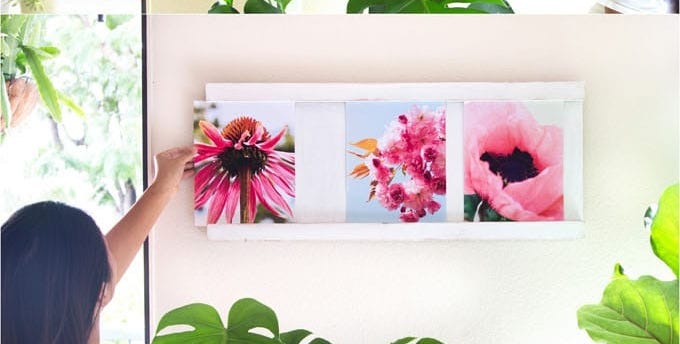
There is something almost suspiciously powerful about a good photo wall. One minute you have a blank, slightly judgmental wall staring at you over the sofa. The next minute, you have a full-on visual story made of family snapshots, travel prints, art, heirlooms, and a few frames that somehow make you look far more organized than you actually are. A well-designed gallery wall does not just decorate a room. It gives it memory, mood, texture, and personality.
The best photo wall ideas work because they balance emotion with design. You want the display to feel collected, not chaotic; meaningful, not museum-stiff; stylish, not like every frame in the store got into a fender bender and landed on your wall. Whether you love a neat grid, an eclectic salon-style arrangement, or a modern ledge setup you can keep changing on a whim, there is a layout that can make your home feel more finished and more personal at the same time.
Below, you will find 30 of the best photo wall ideas and gallery wall layouts for living rooms, hallways, bedrooms, staircases, entryways, and beyond. These ideas blend timeless design principles with newer styling approaches, so you can create a display that feels fresh now and still looks good long after trends wander off chasing their next obsession.
How to Make a Photo Wall Look Good Before You Hang a Single Frame
Before we get into the ideas, here is the golden rule: decide on the feeling first. Do you want your photo wall to look polished and symmetrical, casual and layered, bold and artsy, or warm and nostalgic? Once that mood is clear, the decisions get easier. Frame finish, photo style, matting, spacing, and layout should all support the same visual direction.
It also helps to think about scale. A tiny cluster above a long sectional can look like it got stage fright. A massive floor-to-ceiling arrangement in a narrow nook can feel overwhelming. Match the layout to the wall, the furniture beneath it, and the distance from which people will view it. In other words, do not ask a three-frame arrangement to do the emotional work of a full feature wall.
30 Best Photo Wall Ideas and Gallery Wall Layouts
1. Classic Symmetrical Grid
If you love order, a symmetrical grid is the cleanest way to display photos. Use matching frames and line them up in rows and columns for a crisp, timeless look that works especially well in dining rooms, hallways, and over consoles.
2. Organic Eclectic Gallery Wall
This layout mixes different frame sizes, art styles, and photo formats in a looser arrangement. It feels collected over time, which is a polite way of saying it looks stylishly unbothered instead of mathematically perfect.
3. Centered Around One Anchor Piece
Start with one large statement photo or artwork in the middle, then build outward with smaller pieces. This approach makes the whole wall easier to plan and helps the arrangement feel grounded instead of floaty.
4. Stair-Step Gallery Wall
Let the frames follow the angle of the staircase for a layout that naturally suits the architecture. Family photos, black-and-white portraits, or travel shots work beautifully here because the wall already leads the eye upward.
5. Photo Ledge Wall
Picture ledges are perfect for people who like commitment in theory but not in nail holes. Layer framed photos, small art prints, and even a few decorative objects so the wall feels flexible and easy to update.
6. Floor-to-Ceiling Statement Wall
If you have a large blank wall, go big. A floor-to-ceiling photo wall can make a living room or hallway feel custom-designed, especially when the arrangement spans most of the vertical space with intention.
7. Black-and-White Family Photo Wall
Using black-and-white images is one of the easiest ways to create visual cohesion, even if the photos come from different years and cameras. The result feels elegant, sentimental, and a little bit magazine-worthy.
8. Mixed Media Gallery Wall
Do not limit yourself to framed photos. Add sketches, textile art, postcards, pressed flowers, or handwritten notes to create depth and variety. A wall with multiple mediums often looks more curated and more personal.
9. Matching Frames, Varied Photos
When the photos are diverse but the frames match, you get a nice balance between personality and structure. This is a great solution if you want a tidy look without making every image feel overly formal.
10. Varied Frames, One Theme
Choose one common thread, such as travel, nature, weddings, or childhood memories, and let the frames vary. The theme acts like the glue, so the arrangement still feels intentional even with different finishes and shapes.
11. Over-the-Sofa Horizontal Layout
A wide, low arrangement is ideal above a sofa because it echoes the furniture shape beneath it. Keep the display visually centered and spread the pieces across enough width to feel balanced with the seating area.
12. Salon-Style Art and Photo Wall
This layout packs the wall more densely, with pieces hung closer together for a dramatic, collected look. It works best when you want a room to feel layered, interesting, and just a little bit like someone inside owns good books.
13. Entryway Welcome Wall
An entry photo wall turns the first few seconds of arriving home into something warm and personal. Use family photos, favorite travel memories, or cheerful artwork to make the space feel lived-in right away.
14. Gallery Wall with Mirrors
Mix in one or two mirrors to break up the rectangles and reflect light around the room. This trick is especially helpful in smaller or darker spaces where a full wall of frames might feel visually heavy.
15. Monochrome Color Story
Pick images and frames that stay within one color family, such as warm neutrals, soft blues, or earthy greens. A monochrome wall feels modern and cohesive without being boring, which is harder than it sounds.
16. Dark Backdrop Gallery Wall
Paint the wall behind your frames a deep tone, such as charcoal, navy, or forest green, to make photos and mats pop. This creates contrast and drama, especially when paired with lighter frames or white mats.
17. Colorful Mat Gallery
If you want something playful but polished, use mats in soft or bold colors instead of sticking with plain white. Colorful matting can energize black-and-white photos and make the whole arrangement feel more designed.
18. Minimalist Three-Piece Cluster
Not every wall needs thirty frames and a personal manifesto. A simple trio of large pieces can create a gallery effect while still feeling airy, modern, and easy to live with.
19. Oversized Frames Mixed with Minis
Combining large and small frames creates movement and makes the wall look more dynamic. The larger pieces help anchor the display while the smaller ones fill in the story around them.
20. Gallery Wall Around Furniture
Build the layout so it visually frames a bed, desk, sideboard, or dining banquette. This makes the furniture feel integrated into the room design instead of floating beneath art that seems emotionally unavailable.
21. Hallway Memory Timeline
A long hallway is perfect for a chronological photo story, whether that means family milestones, vacations over the years, or a growing collection of black-and-white portraits. It turns a pass-through zone into something worth slowing down for.
22. Vintage and Heirloom Display
Frame old family photographs, handwritten recipes, postcards, ticket stubs, or letters for a wall that feels deeply personal. These pieces often say more than generic art ever could because they carry actual history.
23. Kids’ Art and Family Photo Mix
Blend polished family portraits with children’s drawings or school artwork. The contrast keeps the wall from feeling too serious, and it gives the display the kind of charm that no store-bought print can fake.
24. Grid Wall for Small Spaces
In a compact room, a strict grid can make the space feel calmer than an organic arrangement. The repetition adds order, which is especially useful in apartments, breakfast nooks, or narrow entry corners.
25. Leaning Frames on Shelves or Mantels
Not every photo wall has to be fully hung. Lean framed photos on a mantel, console, or built-in shelf and layer them with smaller objects for a more relaxed, changeable display.
26. Round, Square, and Rectangular Mix
Using multiple shapes makes the layout feel more custom. A round frame or circular mirror can soften the boxy rhythm of standard photo frames and keep the arrangement from feeling too rigid.
27. Corner Gallery Wall
Wrap the arrangement around a corner for a surprising, immersive effect. This works best with lighter visual density, so the corner feels intentional rather than like the frames are trying to escape the main wall.
28. Themed Travel Photo Wall
Dedicate the display to one type of memory, such as road trips, beach vacations, national parks, or city weekends. When the imagery shares a clear subject, even a mixed arrangement feels cohesive.
29. Gallery Wall with Objects That Are Not Art
Add baskets, plates, pennants, menus, small sculptural pieces, or meaningful keepsakes among the frames. These unexpected items give the display texture and help it feel more like a personal collection than a frame catalog.
30. Rotating Seasonal or Story-Based Wall
Create a photo wall that evolves. Swap in new travel memories, holiday snapshots, kids’ art, or fresh prints throughout the year. This keeps your home feeling alive and lets the wall grow with your life instead of freezing it in one moment.
Best Rooms for Photo Walls
Living rooms are the obvious favorite because a gallery wall can act as the room’s main focal point. Bedrooms benefit from softer, more intimate collections, especially above dressers or along side walls. Entryways are ideal for quick-impact styling, while hallways and staircases are some of the best places to tell a longer visual story. Home offices also benefit from personal walls because they soften the functional mood and make the room feel less like a tax appointment.
Smart Styling Tips for a Gallery Wall That Looks Intentional
Keep some element consistent, even in an eclectic layout. That might be a repeated frame color, a shared subject, a similar photo treatment, or a limited palette. Visual repetition is what makes a wall feel designed rather than random.
Lay everything out on the floor first. Take a photo of the arrangement before hanging so you have a reference point when you start installing. If you are nervous, use paper templates or a digital mockup to test the balance before the first nail goes in. Future-you will be grateful, and your wall may stop looking like it lost a minor argument with a hammer.
Finally, remember that the best photo wall ideas are not always the most perfect ones. They are the ones that feel like you. A gallery wall should tell a story, start conversations, and make a room feel more human. If it does all that while also looking fantastic, congratulations: you have defeated the blank wall.
Real-Life Experiences With Photo Walls and Gallery Wall Layouts
One of the most interesting things about creating a photo wall is how often it becomes less about decorating and more about editing your own story. People usually start by thinking they need frames, measurements, and maybe a level. What they actually discover is that choosing which memories deserve wall space can be the hardest part. A family photo wall often begins with a simple goal, like filling the awkward space above the sofa, but it quickly turns into a surprisingly emotional project. Suddenly you are deciding whether the beach vacation photo belongs next to your wedding portrait, whether the black-and-white baby picture feels timeless or just ancient, and whether your dog deserves his own frame. He does.
Another common experience is realizing that the most beautiful gallery walls are rarely made in one shopping trip. The layouts that feel rich and personal usually come together over time. A homeowner might start with six matching frames, then add a postcard from a memorable trip, a pressed flower from an anniversary bouquet, a child’s drawing, or a thrifted piece of art that somehow ties everything together. That slow layering gives the wall a collected quality that cannot be faked. It is the difference between “I decorated this wall” and “this wall tells the story of how we live.”
There is also a practical lesson that many people learn the funny way: a layout can look completely different once it goes from floor to wall. On the floor, everything seems balanced and brilliant. On the wall, one frame suddenly looks like it wandered off from the group, another seems too low, and the entire arrangement starts leaning emotionally to the left. That is why experienced decorators almost always test the arrangement first and make peace with a little adjusting. Good gallery walls are often refined, not magically born perfect.
People also tend to discover their own tolerance for symmetry. Some love the calm of a strict grid and feel instant relief when every line matches. Others find that same precision too formal and prefer an organic mix with room for surprises. Neither approach is better. The better layout is the one that fits the room and your personality. A minimalist bedroom may look best with a neat row of black frames, while a lively family room can handle an eclectic mix of photos, notes, art, and a random little object that only your household understands.
Perhaps the best experience of all is what happens after the wall is finished. Guests stop and look. Kids point at old pictures. You notice moments you had forgotten. The wall becomes part design feature, part memory archive, part conversation starter. That is why photo walls endure even as trends shift. They are not just stylish. They make a home feel inhabited, loved, and unmistakably personal.
Conclusion
The best photo wall ideas combine thoughtful layout, visual balance, and genuine meaning. Whether you choose a polished grid, a layered ledge, a dramatic stair wall, or an eclectic mix of family photos and collected treasures, the goal is the same: create a display that feels beautiful, livable, and deeply personal. A gallery wall should not just fill blank space. It should make the room feel more like home.