If you are staring at a scar that seems to be ignoring every reasonable boundary, welcome to the frustrating world of keloids. Unlike ordinary scars, keloids do not just settle down, collect themselves, and fade politely into the background. They can keep growing beyond the original injury, become itchy or tender, and turn a tiny bump into a long-running skin drama nobody asked for.
The good news is that you are not powerless. While there is no magic “erase” button for keloids, there are smart steps that can help slow growth, reduce irritation, and improve the odds of getting the scar under control. The trick is acting early, avoiding common mistakes, and knowing when home care has done all it can do and it is time to bring in a dermatologist.
This guide breaks down how to stop a keloid from growing in clear, practical language. You will learn what helps, what backfires, and which treatment options doctors commonly use when a scar decides to become the main character.
What Is a Keloid, Exactly?
A keloid is a type of raised scar caused by an overgrowth of scar tissue after the skin is injured. It can happen after acne, cuts, burns, surgery, chickenpox, piercings, tattoos, or even a bug bite. Keloids often show up on the chest, shoulders, jawline, back, and earlobes, but they can form in other places too.
What makes a keloid different from an ordinary raised scar is that it tends to grow beyond the original wound. It may look shiny, thick, rubbery, pink, red, brown, or darker than the surrounding skin. Some keloids itch, sting, feel tender, or become irritated by clothing, jewelry, or shaving.
Not every raised scar is a keloid. Some are hypertrophic scars, which stay within the borders of the original injury. That distinction matters because treatment plans can differ. If the scar is growing, changing, or bothering you, getting it checked early can save time, money, and a whole lot of mirror squinting later.
Why Keloids Keep Growing
Keloids form when the body keeps producing collagen after the wound should have stopped healing. Think of it as your skin’s repair crew refusing to clock out. Genetics play a role, and some people are more likely to develop keloids than others. If you have had one before, your odds of getting another are higher.
Growth can also be fueled by repeated irritation. Friction, scratching, pressure from tight clothing, inflammation, acne picking, or ongoing trauma from jewelry can all make the area angrier. That is why stopping a keloid from growing is not just about treatment. It is also about removing the things that keep poking the bear.
How to Stop a Keloid from Growing: 10 Steps
1. Act Early Instead of “Watching It for a While”
If a scar starts looking unusually thick, raised, itchy, or wider than the original wound, do not put it in the “I’ll deal with that later” pile. Early treatment is usually more effective than waiting for the scar to grow larger and more stubborn.
Small keloids are often easier to flatten and calm down than big ones. If the scar is new and changing, take a photo every few weeks under similar lighting. That gives you a simple record of whether it is actually growing or just being annoying in a dramatic way.
2. Stop Any Friction, Picking, or Ongoing Skin Trauma
This step sounds basic, but it matters. A keloid that is constantly rubbed by a bra strap, backpack strap, collar, helmet, or waistband may stay irritated. The same goes for shaving over it, scratching it, or pressing on it because your brain has apparently decided it is a stress button.
Try to reduce friction around the area. Wear soft, breathable fabrics. Switch jewelry if it is rubbing. Stop picking at acne near the scar. If the keloid is on the earlobe, remove the earring until a doctor tells you otherwise. Less irritation often means less inflammation, and less inflammation can mean less growth.
3. Use Smart Wound Care for Any New Injury Nearby
If you are prone to keloids, every new cut, scrape, breakout, or procedure deserves good wound care. Clean the area gently with soap and water or saline. Keep it moist with a wound dressing or petrolatum-based product, and cover it while it heals if appropriate.
One common mistake is trying to “dry out” the wound with hydrogen peroxide, rubbing alcohol, or iodine. That may sound tough and efficient, but it can irritate tissue and interfere with healthy healing. For keloid-prone skin, gentle care beats chemical overkill every time.
4. Try Silicone Gel or Silicone Sheets Once the Skin Has Closed
Silicone is one of the most common first-line options for helping prevent or manage raised scars. It is not glamorous, but then again, neither is arguing with a scar for six months. Silicone sheets or silicone gel may help flatten, soften, and reduce symptoms in some people.
The important rule is this: use silicone only on closed, healed skin, not on an open wound or scab. Follow product directions and be consistent. Scar care is one of those maddening situations where being boring and regular often works better than doing something flashy once a week.
5. Protect the Area from Sun and Extra Irritation
Sun exposure does not directly cause a keloid to grow like fertilizer on tomatoes, but it can worsen discoloration and make scars more noticeable. A healing scar that keeps getting irritated by heat, friction, and ultraviolet light can look more inflamed and stubborn.
Once the skin has healed, use sunscreen on exposed areas and consider protective clothing if the scar is on the chest, shoulders, or ears. This is especially important if you are treating the keloid and want the skin tone to even out as much as possible.
6. Do Not Add New Trauma If You Know You Are Keloid-Prone
If you have a personal or family history of keloids, think carefully before getting a piercing, tattoo, or elective procedure that injures the skin. Earlobe piercings are a classic setup for keloids, and chest, shoulder, and jawline piercings can also be risky for susceptible people.
This does not mean you need to live in bubble wrap. It just means your skin may need a more cautious strategy. If a procedure is medically necessary, tell your doctor ahead of time that you tend to form keloids so prevention can be part of the plan from day one.
7. Get a Dermatologist Involved If the Keloid Is Growing, Itchy, or Painful
Home care can help with prevention and mild symptom control, but a growing keloid usually needs medical guidance. One of the most common treatments is intralesional corticosteroid injection, where a doctor injects medicine directly into the scar to help flatten it and reduce itching, tenderness, and inflammation.
This is often the step that makes people say, “Oh, so I did not have to wage this war alone?” Steroid injections are widely used because they can slow the scar’s activity. They may be repeated over time, depending on how the keloid responds and where it is located.
8. Ask Whether Combination Therapy Makes More Sense Than One Treatment Alone
Keloids are famous for being stubborn. Because of that, doctors often combine treatments rather than relying on one approach. Depending on the scar, options may include steroid injections, silicone, cryotherapy, laser treatment, pressure therapy, or medicines such as 5-fluorouracil used in carefully selected cases.
Combination therapy is often more effective because it tackles the scar from different angles: inflammation, collagen overproduction, thickness, redness, and recurrence risk. A small ear keloid may need a different plan than a broad chest keloid after acne or surgery. There is no universal recipe, and that is normal.
9. Be Careful with Surgery, Because Surgery Alone Can Backfire
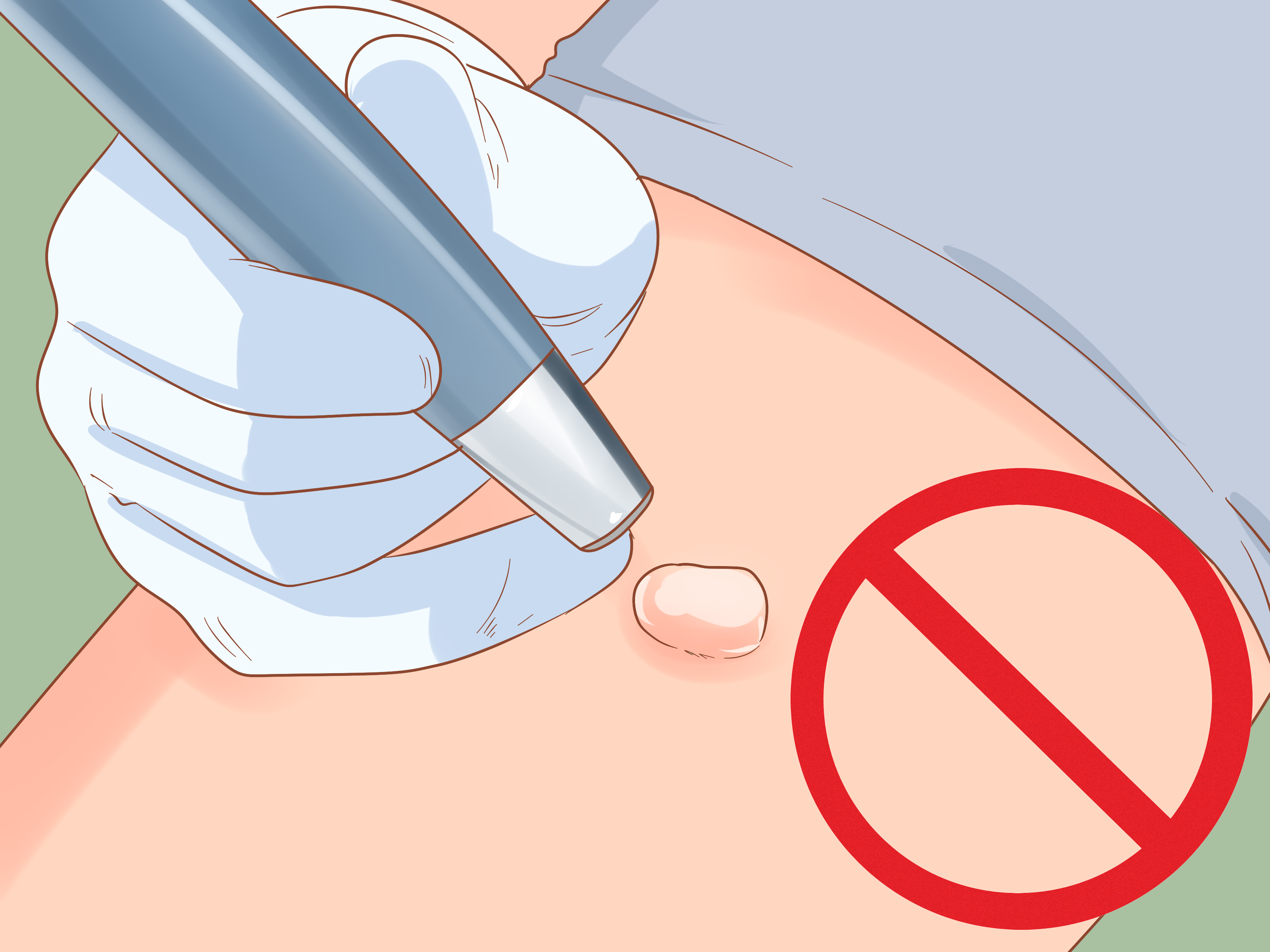
People often assume the answer is simple: cut the keloid off and move on with life. Unfortunately, keloids love sequels. Surgery by itself can trigger the body to make another keloid, sometimes an even larger one.
That does not mean surgery is never used. It can be useful, especially for large or bothersome keloids, but it is usually paired with other treatments afterward, such as steroid injections, silicone, pressure therapy, or radiation in selected cases. If a doctor recommends removal, ask what the plan is to prevent recurrence. That question is not extra. It is essential.
10. Stick with the Plan Long Enough to Judge It Fairly
Keloids rarely respond overnight. Silicone takes time. Injections are usually spaced out. Laser therapy may require multiple sessions. Pressure devices and scar massage, when recommended by a clinician, also require consistency.
If you stop too soon because the scar is “still there,” you may miss the gradual improvements that matter most: less itching, softer texture, slower growth, flatter borders, or reduced redness. Keloid treatment is usually a marathon with fewer medals and more follow-up appointments. Annoying, yes. Still worth it.
When to See a Doctor Sooner Rather Than Later
Make an appointment if a scar is growing quickly, becoming painful, bleeding, interfering with movement, getting repeatedly irritated, or affecting your confidence and daily life. Also get help if you are not sure it is actually a keloid. Not every lump or raised scar should be self-diagnosed from three phone photos and one burst of optimism.
A dermatologist or plastic surgeon can help confirm the diagnosis and suggest the most appropriate treatment based on the location, size, skin tone, symptoms, and how long the scar has been there. Early guidance can also help prevent a smaller scar from becoming a bigger project later.
Common Mistakes That Can Make a Keloid Worse
- Ignoring a growing scar for months because it is “probably nothing.”
- Using harsh products on fresh wounds and delaying normal healing.
- Putting silicone sheets on open skin or scabs.
- Picking, scratching, or rubbing the scar.
- Getting another piercing in the same area after already developing a keloid.
- Assuming surgery alone will solve the problem permanently.
- Quitting treatment before it has had enough time to work.
What Real Experiences Usually Teach People About Keloids
One of the most common experiences people describe is surprise. The original injury may have been tiny: a pimple, an ear piercing, a bug bite, a small surgical cut. Then weeks or months later, the scar keeps thickening, itching, or spreading beyond the original spot. Many people assume it is just “healing weirdly” until they realize the bump is not settling down at all. That delay is understandable, but it is also why early action matters.
Another frequent experience is frustration with trial and error. People often start with over-the-counter creams that promise a lot and deliver the emotional equivalent of a shrug. Some moisturizers can make the skin feel better, but they usually do not stop a true keloid from growing on their own. What tends to make the biggest difference is a more structured plan: reducing friction, using silicone correctly, and seeing a dermatologist when the scar is active.
Many people also report that itching is one of the first signs that a keloid is waking up and choosing chaos. The area may feel tight, prickly, or tender before it looks dramatically larger. That symptom can be easy to dismiss, but it is worth paying attention to. A scar that suddenly becomes more itchy or irritated may be telling you it needs attention, not just willpower.
There is also a strong emotional side to this topic that deserves to be said out loud. Keloids are not dangerous in most cases, but they can be exhausting. They can affect clothing choices, confidence, hairstyles, jewelry, and even how someone feels in photos or social settings. Ear keloids after piercings are a big example. What started as a fun style choice can turn into discomfort, self-consciousness, and repeated medical appointments. That experience is more common than people think, and it is a valid reason to seek treatment.
People who get the best long-term results often seem to have one thing in common: they stop expecting one heroic fix. Instead, they treat keloid care like maintenance. They protect healing skin, avoid repeat trauma, follow through with appointments, and understand that improvement can be gradual. The scar may not vanish, but it can become flatter, calmer, and easier to live with.
In other words, the real-life lesson is not “find the miracle product.” It is “catch it early, stop feeding the irritation, and use the right medical help when needed.” That approach is not flashy, but it is a lot more reliable than hoping your scar will suddenly get bored and leave.
Final Thoughts
If you want to know how to stop a keloid from growing, the most effective approach is usually a combination of early action, gentle scar care, less friction, silicone on healed skin, and prompt medical treatment when the scar is active. The sooner you intervene, the better your odds of slowing the growth before the keloid becomes larger and harder to treat.
No single method works for everyone, and keloids can be stubborn. But stubborn is not the same thing as unbeatable. A thoughtful plan, steady follow-through, and a dermatologist who knows what they are doing can make a very real difference.