Note: This article is an original, SEO-ready feature inspired by real wedding etiquette debates, online wedding-shaming communities, and common planning mistakes discussed across reputable U.S. wedding and lifestyle sources.
Weddings are supposed to be joyful, emotional, beautifully chaotic celebrations of love. Ideally, everyone cries during the vows, laughs during the speeches, eats cake politely, and goes home with a tiny favor they will definitely forget in the car. But as the internet has repeatedly taught us, some weddings don’t just go off-scriptthey grab the script, spill champagne on it, and set it on fire with a sparkler exit gone wrong.
That is exactly why online wedding-shaming groups have become such a guilty pleasure. Communities like Reddit’s wedding-shaming forums gather stories about bridezillas, guestzilla behavior, baffling dress codes, awkward family drama, uninvited plus-ones, chaotic receptions, and décor choices that make people whisper, “Was there no one in this group chat brave enough to say no?”
The appeal is not only the drama. It is the etiquette lesson hiding behind the chaos. Every shamed wedding moment reveals something important about modern weddings: they are expensive, emotionally loaded, socially complicated events where one bad decision can become a group-text legend forever. Below are 30 types of weddings and wedding moments that commonly get roasted online, plus what couples and guests can learn from them.
Why Do Wedding-Shaming Groups Exist?
Wedding-shaming groups thrive because weddings combine money, family expectations, fashion, food, etiquette, romance, and alcoholalso known as the perfect recipe for human nonsense. A wedding may look like a fairy tale on Instagram, but behind the scenes there may be seating-chart warfare, a mother-in-law in a suspiciously bridal gown, or a best man preparing a speech that should have been legally reviewed.
Most online wedding criticism falls into two categories. The first is funny, low-stakes embarrassment: unusual centerpieces, cringe-worthy signs, awkward first dances, or DIY projects that had ambition but not necessarily structural integrity. The second is more serious: selfish demands, rude guests, financial pressure, exclusion, public humiliation, racism, family manipulation, and behavior that turns someone’s big day into emotional dodgeball.
Good wedding etiquette is not about being fancy. It is about being considerate. The best weddings do not have to be expensive, trendy, or perfect. They simply need to make guests feel respected and keep the focus on the couple without turning everyone else into unpaid staff, background props, or emotional hostages.
30 Weddings That Got Shamed By This Online Group
1. The Wedding With the “No Talking” Guest Rule
Some couples create hyper-specific guest rules, but banning normal conversation takes things from “organized” to “royal courtroom energy.” Dress codes, ceremony silence, and unplugged photo rules can be reasonable. Telling adults they may not speak above a whisper all night? That is not a wedding; that is a very expensive library with cake.
2. The Bride Who Required Guests to Wear One Exact Color
Color-themed weddings can be elegant, especially when the request is simple. But demanding that every guest buy a brand-new outfit in one difficult shademustard yellow, dusty sage, or “sunset terracotta but not too orange”often gets roasted. Guests are not décor. If the couple wants a perfect color palette, flowers are usually more cooperative than cousins.
3. The Guest Who Wore White
Few wedding mistakes get online communities fired up faster than a guest wearing white, ivory, champagne, or anything that looks suspiciously bridal. Even if the guest insists, “It’s cream, not white,” the internet will calmly respond, “That is white with a publicist.” When in doubt, wear literally any other color on Earth.
4. The Mother-in-Law in a Wedding Gown
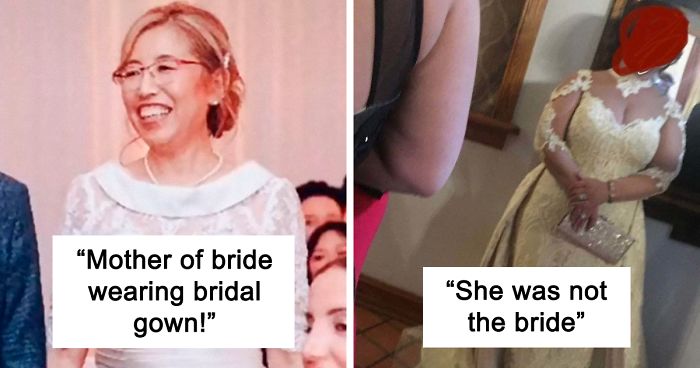
Some mothers of the bride or groom accidentally choose pale dresses. Others arrive looking like they are one veil away from walking down the aisle themselves. Online groups shame this because it feels like attention-stealing at the exact moment the spotlight should belong to the couple.
5. The Couple Who Charged Guests an Entry Fee
Cash bars are debated. Honeymoon funds are common. But asking guests to pay admission to attend a wedding is where many people draw the line. A wedding invitation should not feel like a concert ticket, especially if guests are already paying for travel, outfits, gifts, childcare, and possibly a hotel room with suspiciously thin pillows.
6. The “Bring Your Own Chair” Wedding
Budget weddings can be charming, personal, and meaningful. But when guests are asked to bring chairs, food, drinks, plates, ice, and emotional resilience, the event starts to resemble a survival retreat. DIY is wonderful; outsourcing the entire reception to confused relatives is less wonderful.
7. The Bridezilla Bridesmaid Contract
Online wedding groups often criticize bridesmaid “contracts” that demand strict diets, specific hairstyles, mandatory tanning, costly trips, or unlimited availability. Bridesmaids are friends, not seasonal employees. Clear communication is helpful; a twelve-page document with penalties is how you get muted in the group chat.
8. The Destination Wedding With No Consideration for Guests
Destination weddings can be magical, but they can also become financial obstacle courses. Flights, hotels, passports, PTO, outfits, and meals add up quickly. Couples get shamed when they treat attendance as mandatory while ignoring the cost. An invitation is not a summons, even if it arrives in elegant calligraphy.
9. The Couple Who Demanded Expensive Gifts
Registries are useful because they help guests choose things the couple actually wants. Problems begin when couples publicly complain about “cheap” gifts or demand cash amounts that make guests check their bank accounts in fear. Gratitude is always more attractive than a luxury blender tantrum.
10. The Guest Who Brought an Uninvited Plus-One
Wedding guest lists are often built around venue limits, catering costs, seating charts, and family politics. Bringing an extra date without permission is not romantic spontaneity; it is a logistical jump scare. If the invitation does not say “and guest,” assume the plus-one is not invited.
11. The Guest Who Brought Kids to an Adults-Only Wedding
Adults-only weddings are sometimes necessary because of budget, venue rules, late-night schedules, or the couple’s preference. Online groups usually side-eye guests who bring children anyway, especially when they were clearly told not to. The phrase “but they’re well-behaved” has launched a thousand comment-section debates.
12. The Wedding With a Dress Code Nobody Could Understand
“Garden formal,” “elevated whimsical,” and “coastal black-tie disco” may sound chic, but guests need practical guidance. A confusing dress code creates panic shopping and awkward arrivals. If guests need a translation guide, mood board, and minor in fashion history, the dress code may be doing too much.
13. The Ceremony Ruined by Phones
Professional photographers are hired to capture the wedding. Yet some guests still leap into the aisle with phones and tablets like they are documenting a rare bird sighting. Online groups often shame these moments because one guest’s blurry video can ruin the couple’s expensive professional shot.
14. The Reception Where Guests Changed Seats
Assigned seating exists for a reason. It manages family tension, meal choices, accessibility needs, and venue flow. Guests who swap seats because they “like this table better” can create chaos for servers and awkwardness for everyone else. A seating chart is not a polite suggestion; it is a peace treaty.
15. The Wedding With a Public Proposal
Proposing at someone else’s wedding is one of the most reliably shamed moves online. Unless the couple explicitly approves it, do not borrow their venue, flowers, photographer, emotional atmosphere, and captive audience for your own romantic announcement. That is not love; that is spotlight theft with a ring box.
16. The Speech That Became a Roast
Wedding speeches should be warm, brief, and appropriate for grandparents. Unfortunately, some speakers mistake the microphone for a comedy club and start sharing ex stories, embarrassing secrets, or jokes that belong in a locked drawer. The best toast celebrates the couple. The worst toast makes the DJ consider cutting the power.
17. The Drunk Guest Who Became the Entertainment
Open bars are beloved, but they are not a personal challenge. Online wedding forums frequently shame guests who overdrink, argue, fall, break décor, interrupt speeches, or turn the dance floor into a medical concern. A good rule: if the bartender knows your life story by 8 p.m., hydrate immediately.
18. The Couple Who Forgot to Feed People
Guests can forgive many things. They are less forgiving when trapped at a five-hour reception with two passed appetizers and a decorative cupcake tower guarded like museum property. If people are invited during mealtime, they need real food. Love may be enough for marriage, but it is not enough for Aunt Linda’s blood sugar.
19. The Wedding With a Cash Bar and No Warning
A cash bar is not automatically rude, especially when budgets are tight. The issue is surprise. Guests appreciate knowing ahead of time so they can bring cards or cash. Nothing kills a festive mood like discovering the signature cocktail costs $18 and your wallet is in another jacket.
20. The Bride Who Expected Free Labor
Friends may happily help with setup, flowers, playlists, favors, or cleanup. But online groups criticize couples who treat loved ones like unpaid vendors. Asking a cousin to photograph the wedding for free or making bridesmaids assemble 300 centerpieces at midnight can strain relationships fast.
21. The Vendor Meal Disaster
Photographers, planners, DJs, videographers, and musicians often work long wedding days. When couples refuse proper vendor meals, online communities tend to notice. A fed vendor is a functional vendor. A starving photographer may still capture the day beautifully, but internally they are writing a Yelp review with their soul.
22. The Wedding That Ignored Accessibility
Some shamed weddings involve venues with no ramps, no seating for elderly guests, long walks in rough terrain, or ceremonies held in extreme heat without shade. Beautiful scenery is not worth making guests physically struggle. A thoughtful wedding considers mobility, weather, bathrooms, transportation, and comfort.
23. The Invitation That Insulted Guests
Wedding invitations should provide details, not threats. Online groups love to roast invitations that sound hostile: “Do not bother us with questions,” “Don’t come if you won’t gift cash,” or “No drama allowed.” Boundaries are fine, but if the invite reads like a courtroom warning, guests may RSVP “no” with enthusiasm.
24. The Couple Who Publicly Ranked Guests
Some couples organize guest lists into tiers while planning, which is common privately. But when guests discover they were labeled “B-list,” “backup,” or “only invited if someone cancels,” feelings get bruised. A wedding should make people feel welcomed, not drafted in round three.
25. The Wedding Website With Too Much Information
A wedding website is helpful for schedules, hotel blocks, dress codes, registries, and FAQs. But some couples turn it into a manifesto. Ten pages about how guests should behave, what they should post, how they should compliment the décor, and which facial expressions are acceptable may be a sign that the planning stress has won.
26. The Overly Personal Vows
Personal vows can be beautiful. They become risky when they include private fights, bedroom jokes, family secrets, or references that make the officiant stare at the floor. Wedding vows are not a podcast episode. Keep them heartfelt, specific, and safe for public consumption.
27. The Couple Who Made Guests Wait Forever
Long gaps between ceremony and reception can work when guests are informed and given options. But leaving people hungry, overdressed, and confused for three hours in a hotel lobby is not romantic. A wedding schedule should respect guests’ time, especially when they traveled to be there.
28. The Theme That Went Too Far
Themed weddings can be unforgettable in the best way. But a theme becomes shaming material when it makes guests uncomfortable or confused. Medieval banquet? Fun. Mandatory character assignments? Risky. Guests should not need an acting coach to attend cocktail hour.
29. The Family Member Who Tried to Control Everything
Parents and relatives often help financially or emotionally, but that does not make the wedding theirs. Online groups frequently discuss relatives who hijack guest lists, menus, music, outfits, or ceremony traditions. Help is generous. Control is a seating-chart grenade.
30. The Couple Who Forgot the Marriage Part
The most shamed weddings are often the ones so focused on aesthetics that the actual relationship feels like a footnote. When every decision is about photos, status, gifts, or social media, guests can sense it. A beautiful wedding is nice. A healthy marriage is better. Ideally, have bothbut if forced to choose, pick the marriage.
What These Wedding Fails Teach Us About Etiquette
The funny thing about wedding shaming is that beneath the snark, there is usually a useful rule: be clear, be kind, and do not make your celebration harder for the people who love you. Modern wedding etiquette is less about following dusty rules and more about balancing personal style with social awareness.
For couples, that means communicating expectations early. If the wedding is adults-only, say so politely. If the dress code matters, explain it in plain language. If the event is outdoors, warn guests about grass, heat, bugs, or walking distance. If you cannot afford plus-ones for everyone, create a consistent policy instead of making emotional exceptions that cause drama later.
For guests, the rules are equally simple. RSVP on time. Do not bring extra people. Follow the dress code. Arrive before the ceremony starts. Keep your phone out of the aisle. Drink like you want to be invited to future family events. Do not use the reception to announce your pregnancy, engagement, divorce, business launch, or personal rebrand.
Why People Love Reading About Wedding Drama
Wedding drama is oddly fascinating because it is both glamorous and deeply human. Everyone understands the pressure. Weddings cost real money, involve real relationships, and create real expectations. When something goes wrong, it becomes a social case study with centerpieces.
Online wedding-shaming groups also offer a safe distance. Readers can gasp at someone else’s mother-in-law dress, someone else’s cash-grab registry, or someone else’s disastrous toast without having to personally hide in the venue bathroom. It is entertainment, yes, but it is also a reminder that taste is subjective while rudeness is usually obvious.
The best takeaway is not “mock every imperfect wedding.” Many budget weddings, quirky weddings, and unconventional celebrations are wonderful. A backyard potluck can be more meaningful than a ballroom reception. A thrifted dress can be more beautiful than a designer gown. A small courthouse ceremony can hold more love than a 300-person event with imported orchids.
The weddings that get truly shamed are usually not imperfect. They are inconsiderate. That is the difference.
Extra Experiences and Lessons From Wedding-Shaming Culture
Anyone who has attended a few weddings has probably seen at least one moment that could have gone straight to an online shaming group. Maybe it was the guest who arrived halfway through the vows and loudly asked, “Did I miss anything important?” Maybe it was the uncle who treated the open bar like an Olympic sport. Maybe it was the friend who wore a floor-length ivory lace dress and insisted it was “technically beige.” Weddings have a way of revealing people’s manners with the brightness of professional lighting.
One common experience is the RSVP mystery. Couples spend months planning food, tables, chairs, favors, and transportation, only to have guests respond late, change their minds, or casually ask to bring someone new two days before the wedding. To the guest, it may feel harmless. To the couple, it can mean redoing seating charts, paying for extra meals, and having awkward conversations with the venue. The lesson is simple: RSVP by the deadline and treat your response like a commitment.
Another familiar wedding-shaming theme is fashion confusion. Most guests do not intend to cause problems; they simply underestimate how symbolic clothing can be at weddings. White, ivory, champagne, and pale blush outfits may photograph much lighter than expected. Extremely revealing outfits, clubwear, jeans at formal events, or anything that competes with the couple can also draw attention for the wrong reasons. A good wedding outfit says, “I am happy to celebrate you,” not “Please direct all eyes toward my dramatic entrance.”
Family drama is another major source of online wedding stories. Weddings bring together divorced parents, competitive siblings, opinionated in-laws, and relatives who believe “tradition” means “whatever I personally want.” A mother may want a church ceremony. A father may want to invite coworkers the couple has never met. A sibling may complain about bridesmaid duties. A cousin may ask why their children are not invited. These conflicts can become painful quickly, especially when money is involved. The healthiest couples set boundaries early and present a united front.
Guest comfort is also a recurring lesson. A wedding does not need luxury, but it does need basic hospitality. Guests remember whether they had water in the heat, enough food at dinner, clear directions to the venue, safe transportation, and somewhere to sit. A stunning ceremony in a remote field may look dreamy online, but if guests in heels are trekking through mud with no restroom nearby, the romance fades fast.
Finally, wedding-shaming culture reminds us that humor and humility can save almost anything. Something will probably go wrong: a flower girl may refuse to walk, the cake may lean, the DJ may mispronounce a name, or the weather may choose violence. The weddings people remember fondly are not the flawless ones. They are the ones where the couple laughed, adapted, thanked their guests, and kept the day centered on love rather than control. In the end, the best way to avoid being shamed online is not to plan a perfect wedding. It is to plan a thoughtful one.
Conclusion
Online groups that shame weddings may look like pure entertainment, but they reveal a lot about modern etiquette. The biggest wedding mistakes are rarely about money or style. They are about forgetting that a wedding is a shared experience. Couples deserve to celebrate their love in a way that feels personal, but guests also deserve respect, clarity, food, and the freedom not to dress like matching throw pillows.
The 30 weddings that got shamed by this online group show us what happens when attention, pressure, and poor planning collide. Whether the issue is a white dress, an uninvited plus-one, a confusing dress code, or a speech that should have stayed in drafts, the lesson is the same: good manners never go out of style. A wedding can be funny, quirky, affordable, glamorous, traditional, or wildly creative. Just do not make it inconsiderate. The internet has screenshots, and it is not afraid to use them.