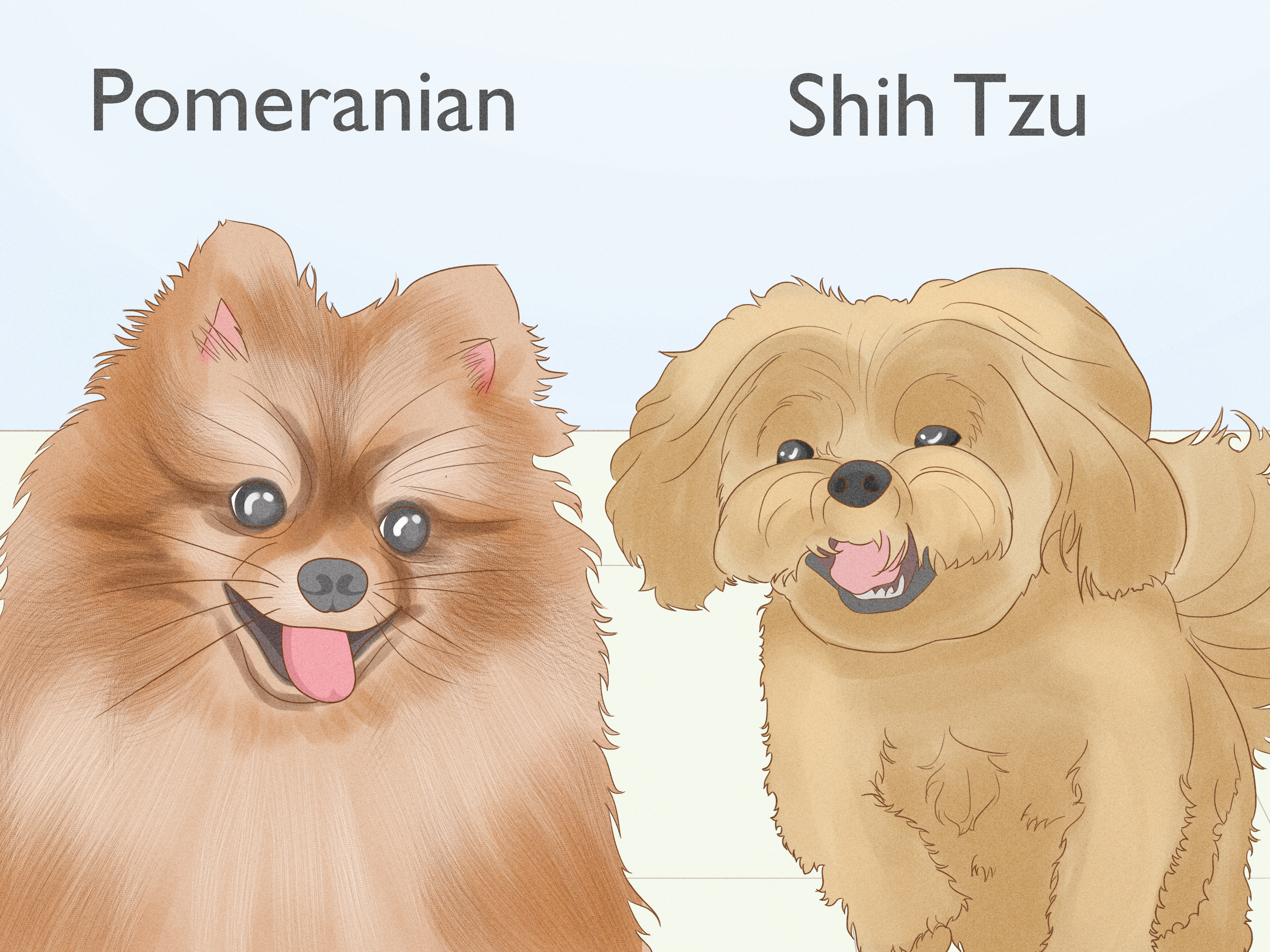
A small dog trots into view wearing a cloud of hair, a mustache worthy of a tiny professor, and the self-confidence of someone who expects a velvet cushion. Is it a Shih Tzu, a Lhasa Apso, a Havanese, or an adorable mix who borrowed features from all three?
Learning how to identify a Shih Tzu is easier when you examine the whole dog instead of relying on one dramatic feature. A long coat alone proves very little. The most useful clues are the dog’s compact build, distinctive head and face, double coat and plumed tail, and characteristic movement and carriage.
Even when every visible trait seems to match, appearance can only suggest breed ancestry. It cannot prove that a dog is purebred. Pedigree records or a reliable canine DNA test are needed when certainty matters.
Shih Tzu Identification at a Glance
An adult Shih Tzu is a sturdy toy dog that generally stands about 9 to 10.5 inches tall at the shoulder and weighs approximately 9 to 16 pounds. The body is compact, solid, and slightly longer than it is tall.
The head is broad and round, while the muzzle is very short and square. Large, dark eyes create an alert, warm expression. The ears hang down beneath abundant hair, and the heavily feathered tail is set high and carried in a curve over the back.
A traditional Shih Tzu has a long double coat that can appear in almost any color or combination of colors. However, many pets wear a practical puppy cut, so coat length should never be your only clue.
Here are the four most useful ways to recognize the breed without relying on the highly scientific method of declaring, “It looks like a walking throw pillow.”
1. Check the Size, Proportions, and Overall Build
Look for a small dog with surprising substance
A Shih Tzu belongs to the Toy Group, but a well-built example should not appear fragile, narrow, or spindly. Beneath all that hair is a compact little dog with good bone, a broad chest, and more physical substance than many people expect.
Most adult Shih Tzus weigh between 9 and 16 pounds. Individual pets may fall outside that range because of age, body condition, genetics, or mixed ancestry. A dog weighing 17 pounds is not automatically an impostor, especially when the other breed characteristics are convincing.
Height provides another clue. An adult Shih Tzu usually measures approximately 9 to 10.5 inches at the withers, which is the highest point of the shoulders. The measurement should be taken while the dog stands naturally on a level surface.
Do not measure to the top of the head or the peak of a topknot. That may produce an impressively regal number, but it will not tell you the dog’s official height.
Notice the slightly rectangular outline
A typical Shih Tzu is slightly longer from the front of the shoulder to the rear of the body than it is tall. This creates a compact rectangular silhouette rather than a perfectly square one.
The legs are relatively short, but the dog should not appear to drag its belly along the ground. The back generally looks level, and the body should feel solid rather than delicate.
A full show coat can make the legs disappear and distort the body’s outline. A short puppy cut may reveal the underlying structure more clearly. When a familiar dog is comfortable being handled, you can gently feel the shoulder line, rib cage, and length of the body beneath the hair.
Never force an unfamiliar or nervous dog to cooperate. Even tiny palace dogs have personal boundaries.
2. Study the Head, Face, Eyes, and Bite
Find the broad, round “chrysanthemum” face
The head is one of the strongest Shih Tzu identification clues. It should appear broad and round, with plenty of space between the eyes. Abundant facial hair grows outward in several directions around the nose, producing the breed’s famous “chrysanthemum” appearance.
This flower-like effect is especially noticeable in dogs with long facial hair. A clipped Shih Tzu may lose some of the floral drama, but the broad skull and compact facial structure remain visible.
The muzzle is short and square rather than long, narrow, or pointed. The nose sits relatively close to the eyes, giving the breed its flat-faced, or brachycephalic, profile.
Although the muzzle is naturally short, the nostrils should permit comfortable breathing. Persistent wheezing, blue or pale gums, fainting, or obvious respiratory distress requires veterinary care.
Look for large, round, expressive eyes
Typical Shih Tzu eyes are large, round, widely spaced, and usually dark. They contribute heavily to the breed’s alert but affectionate expressionthe famous look that says, “I love you deeply, and I also noticed you opened cheese.”
Eye color may be lighter in dogs with certain coat pigments. Color alone is less important than the overall shape, placement, and expression.
The eyes should not look painfully swollen or irritated. Because they are prominent and may be exposed to facial hair, Shih Tzu eyes can be vulnerable to injury and irritation. Squinting, redness, cloudiness, pawing at the face, or unusually heavy discharge should be evaluated promptly.
Check the drop ears
A Shih Tzu has large ears that hang down rather than standing upright. They are set slightly below the crown of the head and are covered with long hair that blends into the neck coat.
In a full-coated dog, the actual outline of the ear leather may be surprisingly difficult to see. Upright, sharply pointed ears would suggest another breed or mixed ancestry.
Notice the characteristic underbite
Many Shih Tzus have an undershot bite, meaning the lower jaw extends slightly in front of the upper jaw. This may create a serious-looking expression or allow a small lower tooth to peek out beneath the lip.
Do not pry open a dog’s mouth simply to conduct your investigation. If the dog is relaxed and accustomed to handling, you may briefly lift the lip. Otherwise, ask a veterinarian or professional groomer to examine the bite.
A mild breed-typical underbite should not prevent normal eating. A severe dental misalignment that causes pain, mouth injuries, or difficulty chewing is a medical concern rather than an extra-authentic breed feature.
3. Examine the Double Coat, Colors, and Tail
Do not let the haircut fool you
The traditional Shih Tzu coat is long, abundant, and double-layered. The outer coat is relatively smooth and flowing, while the undercoat provides softness and volume.
Show dogs may wear floor-length hair with the hair over the eyes gathered into a topknot. Most family pets wear a shorter puppy cut because it is easier to brush, wash, dry, and keep free from mats.
A short haircut does not make a dog less likely to be a Shih Tzu. Examine the coat texture growing from the ears, tail, legs, and body, then combine those observations with the dog’s facial structure and proportions.
Puppies can be particularly confusing because their coats are usually softer and fluffier than those of mature adults. At this age, many resemble animated stuffed animals with very firm opinions about bedtime.
Expect a wide range of colors
Color is one of the least reliable ways to identify a Shih Tzu because the breed appears in a broad variety of colors and patterns. Common shades include black, white, gold, red, silver, liver, blue, and brindle, along with numerous combinations and markings.
A gold-and-white coat may be familiar, but it is not required. Solid black, mostly white, brindle, or darker multicolored Shih Tzus can be equally typical.
Coat colors may also change as a puppy matures. Dark areas can become lighter, facial markings may spread, and previously bold patterns may soften. Never reject a dog as “not a real Shih Tzu” solely because its color looks unusual.
Look for a high-set, heavily plumed tail
The Shih Tzu tail is set high and covered with abundant feathering. When the dog is relaxed and confident, the tail normally curves over the back, creating a soft plume that balances the dog’s prominent head.
A frightened, exhausted, sick, or uncomfortable dog may lower its tail temporarily. Observe tail carriage over time and in a relaxed environment rather than treating one moment as a final verdict.
A low-set tail that consistently hangs down may suggest mixed ancestry, but tail carriage should always be considered alongside the dog’s build, head, coat, and movement.
4. Observe the Gait, Carriage, and Companion-Dog Personality
Watch the dog move naturally
When walking at a comfortable pace, a Shih Tzu should appear smooth, balanced, and surprisingly purposeful. The head is carried high, the back remains relatively level, and the tail usually stays curved over the back.
The front legs should reach forward freely while the rear legs provide steady drive. The dog should move directly rather than shuffling, wobbling, crossing its legs excessively, or hopping with both rear legs together.
Movement can help distinguish a Shih Tzu from a Pekingese. A Pekingese is generally lower, heavier through the front, and more likely to display a rolling gait. A Shih Tzu usually moves more freely and evenly.
Remember that long nails, slippery flooring, excess weight, arthritis, knee problems, injuries, or poor conditioning can alter any dog’s stride. An abnormal gait should not be used as a convenient breed clue when it may signal pain.
Consider proud head and tail carriage
A confident Shih Tzu often carries its head high and seems distinctly aware of its own importance. Breed standards traditionally describe this carriage as proud or even slightly arrogant.
That does not mean the dog should be unfriendly. It simply describes an upright, self-assured posture that makes a 12-pound companion appear ready to inspect the palace and issue several administrative corrections.
Use temperament only as supporting evidence
Shih Tzus were developed primarily as companion dogs. Many are affectionate, playful, outgoing, adaptable, and deeply interested in spending time with people.
A typical Shih Tzu may follow family members around the house, greet visitors enthusiastically, enjoy short play sessions, and then settle comfortably on a lap. The breed often needs less intense exercise than sporting or working dogs, although daily walks and mental stimulation remain important.
Shih Tzus can also be independent and stubborn. Some understand commands perfectly but appear to believe compliance is subject to negotiation, preferably involving treats.
Temperament is not a reliable stand-alone breed test. Training, socialization, age, health, and previous experiences have a powerful effect on behavior. A shy rescue can still be a Shih Tzu, and an affectionate long-haired dog could easily be a Havanese, Maltese mix, or Lhasa Apso.
How to Tell a Shih Tzu From Similar Small Dogs
Shih Tzu vs. Lhasa Apso
These breeds are frequently confused because both can have long coats, hanging ears, compact bodies, and tails carried over their backs.
A Lhasa Apso usually has a somewhat longer muzzle, a narrower head, and a more elongated outline. The breed was historically associated with watchdog duties and may appear more cautious or reserved around strangers.
A Shih Tzu typically has a rounder head, shorter muzzle, larger-looking eyes, and a more openly social expression. However, individual personalities vary, so physical structure is more useful than friendliness when comparing the two.
Shih Tzu vs. Havanese
A Havanese shares the Shih Tzu’s small size, cheerful personality, drop ears, and long coat. However, the Havanese coat is often softer, lighter, and more wavy, while the muzzle is noticeably longer.
Havanese movement may have a lively, springy quality. The Shih Tzu’s face is generally flatter, and its body often feels heavier and more solid for its size.
Shih Tzu vs. Maltese
A purebred Maltese is typically finer-boned and predominantly white. Its muzzle is longer and more tapered, and its overall outline tends to look lighter and more delicate.
A white Shih Tzu can cause confusion, especially after a short haircut. The Shih Tzu’s broader skull, short square muzzle, sturdy body, large eyes, and high plumed tail are the more reliable clues.
Shih Tzu vs. Pekingese
The Pekingese is generally lower to the ground, flatter-faced, and heavier through the front of the body. Its abundant hair may form a mane around the shoulders, and its gait can have a noticeable rolling motion.
The Shih Tzu usually has a more balanced rectangular body, slightly longer legs, and a smoother, more direct stride.
Shih Tzu vs. common Shih Tzu mixes
Mixed dogs can inherit almost any combination of characteristics. A Shih-poo may have curlier hair, a narrower face, and longer legs. A Shorkie may have a finer frame and more terrier-like expression. A Maltese–Shih Tzu mix may have a lighter build and a silkier white or cream coat.
Visual identification becomes less reliable in mixed dogs, particularly after grooming. When ancestry has practical importance, use documented lineage or a reputable canine DNA test instead of confidence, guesswork, or a neighbor who once watched three episodes of a dog show.
Common Shih Tzu Identification Mistakes
- Judging by color alone: Shih Tzus come in many colors and patterns, and those colors can change as the dog matures.
- Assuming a short coat indicates a mix: A puppy cut can completely change the breed’s familiar silhouette.
- Calling every small flat-faced dog a Shih Tzu: Pekingese, Japanese Chin, Pugs, and mixed dogs may share similar facial traits.
- Using friendliness as proof: A sociable personality is common in the breed but is not exclusive to it.
- Ignoring age and body condition: Puppies, seniors, underweight rescues, and overweight pets may not match ideal breed proportions.
- Treating health problems as breed characteristics: Pain, breathing distress, eye irritation, and abnormal movement require attention.
How to Confirm Whether a Shih Tzu Is Purebred
Visual examination can tell you that a dog strongly resembles a Shih Tzu, but it cannot conclusively establish purebred ancestry. Several small breeds share overlapping traits, and mixed dogs can inherit an unexpectedly complete set of Shih Tzu characteristics.
Review pedigree and registration records
A documented pedigree from a responsible breeder provides the clearest evidence of lineage. Registration papers should match the dog’s identifying information and should be supported by transparent health and breeding records.
Registration alone does not guarantee excellent health or ethical breeding practices, but properly documented lineage is more reliable than appearance.
Consider canine DNA testing
A reputable breed-identification DNA test can estimate the breeds present in a dog’s ancestry. Results are most useful for dogs whose background is unknown, although percentages and breed assignments may vary between testing companies.
DNA testing should complement physical observation rather than being treated as a perfect crystal ball. It may identify likely ancestry, but it cannot judge whether a dog meets a show standard.
Ask a veterinarian or experienced breed professional
A veterinarian, experienced Shih Tzu breeder, rescue organization, or professional groomer may recognize structural and coat characteristics that are difficult for a new owner to evaluate.
The most responsible experts will express conclusions in probabilities rather than pretending that a quick glance provides absolute certainty.
Practical Experiences With Identifying Shih Tzus
The following examples are composite scenarios based on situations commonly encountered by dog owners, groomers, shelter volunteers, and veterinary teams. They demonstrate how several clues work together and do not describe one specific animal.
Experience 1: The “Maltese” built like a loaf of bread
A family adopted a small white dog labeled as a Maltese mix. At first glance, the description seemed reasonable. The dog had white hair, dark eyes, hanging ears, and a friendly personality.
After the dog received a short haircut, however, its structure became much easier to examine. The head was broad, the muzzle was short and square, the body was sturdy, and the tail rose high before curving over the back. At approximately 13 pounds, the dog also had more substance than many Maltese.
The lesson was not that the original shelter label was careless. Shelters often receive dogs without records and must make the best possible estimate. The problem was that coat color had dominated the family’s first impression.
Once the dog was evaluated using four categoriesbuild, face, coat and tail, and movementShih Tzu ancestry became a much stronger possibility.
Experience 2: The puppy-cut disguise
Another common puzzle appears after grooming. A long-haired dog enters the salon looking unmistakably Shih Tzu-like, then leaves in a close puppy cut and suddenly resembles several other toy breeds.
Owners occasionally wonder whether the haircut has exposed evidence that the dog is mixed. Usually, it has simply removed the visual shorthand created by a flowing coat.
In this situation, begin the identification process again. Check the round head, short muzzle, widely spaced eyes, hanging ears, compact rectangular body, and high tail set. Then watch the dog walk across a nonslip surface.
When those features remain consistent, the haircut has not changed the dog’s ancestry. It has merely dismissed the costume department for the summer.
Experience 3: The Lhasa Apso look-alike
A gold-and-white long-haired dog may be introduced as a Shih Tzu, yet something about the face appears different. From the side, the muzzle looks longer. The head seems narrower, and the dog pauses to study strangers instead of greeting everyone as a future best friend.
Those clues may point toward Lhasa Apso ancestry. However, the observer should resist reaching a conclusion from temperament alone. Some Shih Tzus are cautious, while some Lhasa Apsos are extremely social.
The more accurate conclusion would be that the dog appears Lhasa-like or may be a mix. Pedigree records or DNA testing can provide additional information when a precise answer is needed.
Experience 4: Health problems concealed the classic carriage
An older rescue may carry its tail low, walk stiffly, avoid play, and appear withdrawn. Those signs can hide the proud carriage and cheerful behavior people associate with a Shih Tzu.
After treatment for painful knees, dental disease, tangled hair, overgrown nails, or eye irritation, the same dog may begin moving more freely. Its head comes up, its tail rises, and it becomes more interested in people.
This scenario shows why identification should never turn medical symptoms into breed stereotypes. A Shih Tzu may snore occasionally, but severe breathing difficulty is not a cute confirmation test. Prominent eyes are typical, but chronic squinting is not. An underbite may be expected, but difficulty eating is not.
The dog’s comfort and health must come before breed detective work.
Experience 5: The best answer was “probably”
Sometimes every clue points in the same direction. The dog stands about 10 inches tall, weighs 12 pounds, has a broad round head, a short muzzle, large dark eyes, drop ears, a double coat, and a high plumed tail. Its movement is smooth, and it carries itself with the confidence of a much larger animal.
Even in that situation, the most accurate visual conclusion is, “This dog strongly resembles a Shih Tzu.” Without reliable documentation, complete certainty remains limited.
That wording is not a failure. It is careful identification. Mixed-breed dogs can display remarkably breed-typical features, and dogs do not owe anyone a perfectly labeled family tree.
Use the four methods to make a thoughtful assessment, then turn to pedigree records, professional evaluation, or canine DNA testing when ancestry matters for registration, breeding, or health planning.
Conclusion
To identify a Shih Tzu, combine four groups of clues. Look for a small but sturdy rectangular build; a broad, round head with a short muzzle, expressive eyes, drop ears, and often an underbite; a double coat with a high, heavily plumed tail; and smooth movement accompanied by proud head and tail carriage.
Temperament can support the identification, especially when the dog is affectionate, playful, adaptable, and strongly focused on human companionship. However, personality should never replace physical evidence.
The key is to evaluate the complete dog. Haircuts, age, health, body weight, and mixed ancestry can all alter the classic appearance. When certainty matters, pair visual observation with pedigree documentation, veterinary input, or a canine DNA test.
Until then, saying a dog “strongly resembles a Shih Tzu” is both useful and honestand probably enough to explain why it has already claimed the best pillow in the house.