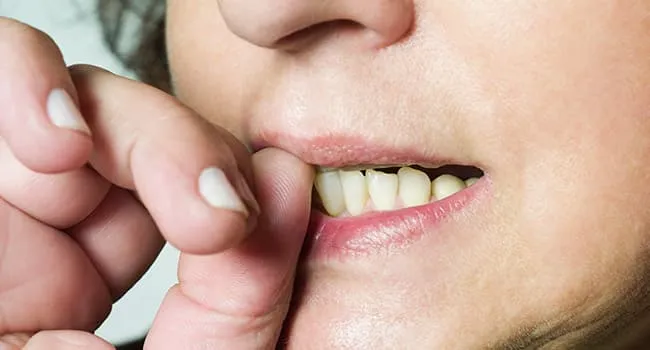
Generalized Anxiety Disorder, often shortened to GAD, is what happens when the brain’s “what if?” machine gets stuck on high speed. Everyone worries. Bills arrive, exams happen, bosses ask mysterious “quick questions,” and the coffee machine sometimes makes a noise that sounds financially threatening. But GAD is different from ordinary worry. It is persistent, hard to control, and often shows up in the body as much as in the mind.
This visual guide to generalized anxiety disorder breaks the condition into simple, picture-friendly ideas: what GAD feels like, how it affects daily life, what symptoms to watch for, how doctors diagnose it, and what treatment can actually help. Think of it as a map for a very noisy mental neighborhood. The goal is not to label every nervous moment as a disorder. The goal is to understand when worry has crossed from “normal human operating system” into “this deserves support.”
What Is Generalized Anxiety Disorder?
Generalized Anxiety Disorder is a mental health condition marked by excessive anxiety and worry about many different areas of life. The worry may focus on health, school, work, family, money, relationships, the future, or tiny details that suddenly feel as important as national security. A person with GAD often knows the worry is bigger than the situation calls for, but knowing that does not magically shut it off.
Clinically, GAD usually involves anxiety and worry occurring more days than not for at least six months. It also causes real distress or interferes with everyday functioning. That interference matters. GAD is not just “thinking too much.” It can affect sleep, concentration, mood, energy, digestion, decision-making, and relationships.
A Quick Visual Snapshot of GAD
The Worry Loop
Imagine a loop with four stops:
- Trigger: An email, symptom, conversation, test, bill, or uncertain situation appears.
- Thought spiral: The mind starts building possible disasters like an overfunded movie studio.
- Body alarm: Muscles tighten, the stomach churns, sleep gets shaky, and breathing may feel shallow.
- Temporary relief behavior: Rechecking, avoiding, asking for reassurance, overplanning, or procrastinating reduces anxiety brieflythen the loop restarts.
This is why GAD can feel so exhausting. The person is not lazy or dramatic. Their nervous system is working overtime, often without an off button.
Common Symptoms of Generalized Anxiety Disorder
GAD symptoms can be emotional, cognitive, physical, and behavioral. Some people experience all four categories. Others mostly notice the body symptoms and wonder why they feel tense, tired, or uneasy for no obvious reason.
Emotional Symptoms
Emotionally, GAD may feel like constant uneasiness. People often describe feeling on edge, restless, irritable, overwhelmed, or unable to relax. Even during calm moments, the brain may whisper, “Nice peace you’ve got there. Shame if something happened to it.”
Cognitive Symptoms
Cognitive symptoms involve the thinking side of anxiety. These may include racing thoughts, trouble concentrating, difficulty making decisions, expecting the worst, or mentally rehearsing conversations before they happen. A person may replay small events repeatedly, searching for hidden mistakes. The brain becomes less like a helpful assistant and more like a search engine with 47 tabs open.
Physical Symptoms
GAD often lives in the body. Common physical symptoms include muscle tension, headaches, fatigue, stomach discomfort, trembling, sweating, shortness of breath, lightheadedness, and sleep problems. Some people clench their jaw, tighten their shoulders, or feel as if their stomach is auditioning for a dramatic role.
Behavioral Symptoms
Behaviorally, GAD may lead to avoidance, overpreparing, constant checking, reassurance-seeking, procrastination, or difficulty starting tasks. The person may appear responsible and organized on the outside, while internally they are running a full-time anxiety control center with no lunch break.
How GAD Is Different From Normal Worry
Normal worry usually has a clear cause, rises and falls, and often leads to useful action. For example, worrying about a test may motivate someone to study. Worrying about a strange car noise may lead to scheduling a repair. Annoying? Yes. Useful? Sometimes.
GAD worry is broader, stickier, and harder to control. It may jump from one topic to another: health in the morning, money at lunch, relationships in the afternoon, and “what if my future collapses because I sent a weird text in 2019?” by bedtime. The intensity often does not match the actual risk, and the worry continues even after reasonable action has been taken.
What Causes Generalized Anxiety Disorder?
There is no single cause of GAD. It usually develops from a mix of genetics, brain chemistry, personality traits, life experiences, stress, and learned coping patterns. Some people are naturally more sensitive to uncertainty. Others grow up in environments where staying alert felt necessary. Some develop GAD after long periods of stress, illness, major change, family pressure, trauma, or repeated unpredictability.
In simple terms, GAD is not a character flaw. It is not weakness. It is not a hobby someone accidentally took too seriously. It is a treatable mental health condition involving the brain, body, and environment.
Who Can Develop GAD?
Generalized Anxiety Disorder can affect adults, teens, and children. In adults, worries often focus on work, finances, health, family responsibilities, and relationships. In teens, GAD may appear as intense worry about grades, performance, friendships, future plans, family safety, or making mistakes. In children, it may show up as repeated questions, perfectionism, stomachaches, sleep problems, or fear that something bad will happen to loved ones.
Because many people with GAD are high-achieving, polite, careful, or “the responsible one,” their anxiety can be missed. They may look calm while internally running a mental fire drill. This is one reason early recognition matters.
How Doctors and Mental Health Professionals Diagnose GAD
A diagnosis of generalized anxiety disorder is usually made by a qualified healthcare or mental health professional. The clinician may ask about symptoms, how long they have been happening, what triggers them, how much they interfere with life, and whether physical health conditions or substances could be contributing.
Professionals may use screening tools such as the GAD-7 questionnaire, but a screening tool is not the same as a full diagnosis. It is more like a dashboard warning light. Helpful? Absolutely. A replacement for a mechanic? Not quite.
A clinician may also check for related conditions. GAD can occur alongside depression, panic disorder, social anxiety disorder, obsessive-compulsive disorder, post-traumatic stress disorder, substance use issues, sleep problems, thyroid conditions, or medication side effects. Good diagnosis looks at the whole picture, not just one symptom.
What GAD Feels Like in Everyday Life
GAD can make ordinary life feel like a series of hidden tests. Sending a message may lead to an hour of rereading. A minor headache may become a health investigation worthy of a detective board with red string. A quiet evening may feel suspicious instead of peaceful.
People with GAD may overplan because uncertainty feels unsafe. They may avoid tasks because starting feels overwhelming. They may ask others for reassurance, then feel embarrassed for needing it. They may struggle to fall asleep because the mind chooses bedtime as its preferred time to review every problem in alphabetical order.
The important point is that GAD is not “just stress.” Stress usually responds to rest, problem-solving, or a change in circumstances. GAD often continues even when there is no immediate problem to solve.
Visual Signs: What Others Might Notice
From the outside, GAD can look like perfectionism, irritability, overthinking, indecision, tiredness, people-pleasing, or being unable to relax. Someone may seem tense, distracted, or unusually prepared. They may arrive early, apologize often, ask repeated questions, or need extra time to make choices.
But appearances can be misleading. A person with GAD may look successful, cheerful, or calm. Anxiety does not always announce itself with dramatic music. Sometimes it wears a neat outfit, answers emails quickly, and silently panics in the cereal aisle because there are 26 kinds of granola.
Treatment Options for Generalized Anxiety Disorder
The good news: GAD is treatable. Many people improve with therapy, medication, lifestyle changes, or a combination of approaches. Treatment should be personalized because anxiety does not come in a one-size-fits-all hoodie.
Cognitive Behavioral Therapy
Cognitive Behavioral Therapy, or CBT, is one of the most widely used treatments for anxiety disorders. CBT helps people identify anxious thought patterns, challenge unrealistic predictions, reduce avoidance, and practice new responses. It is practical, skill-based, and often includes exercises between sessions.
For example, someone who worries “If I make one mistake, everything will fall apart” may learn to test that belief, gather evidence, and replace it with a more balanced thought: “Mistakes are uncomfortable, but I can handle them and correct them.” That may sound simple, but repeated practice can change how the brain responds to uncertainty.
Medication
Medication may also help. Healthcare professionals may prescribe antidepressants such as SSRIs or SNRIs for longer-term anxiety management. Other medications may be used depending on the person’s symptoms, medical history, age, and needs. Medication decisions should always be made with a qualified professional, and people should not stop prescribed medication suddenly without medical guidance.
Relaxation and Body-Based Skills
Because GAD affects the body, body-based coping skills can be powerful. These may include slow breathing, progressive muscle relaxation, mindfulness, gentle exercise, yoga, stretching, or grounding techniques. These tools do not “cure” anxiety instantly, but they can teach the nervous system that it does not need to stay in emergency mode all day.
Lifestyle Supports
Sleep, movement, nutrition, caffeine intake, screen habits, and daily structure can all influence anxiety. A consistent bedtime, regular meals, physical activity, reduced stimulant use, and realistic planning can support recovery. This does not mean anxiety is caused by poor habits. It means the brain is attached to a body, and the body appreciates basic maintenance.
Self-Help Strategies That Actually Make Sense
Self-help works best when it supports professional care, not when it replaces it during serious distress. Still, practical strategies can make a daily difference.
Try the “Name the Worry” Method
Instead of arguing with every anxious thought, label it. Say, “This is a health worry,” “This is a money worry,” or “This is my uncertainty alarm.” Naming the pattern creates a little distance. You are not the worry; you are noticing the worry.
Use a Worry Window
Set aside 10 to 20 minutes a day as a “worry window.” When worries appear outside that time, write them down and return to them later. This trains the brain that worry does not get unlimited access to the microphone.
Practice Balanced Thinking
Ask three questions: What is the evidence? What is another possible explanation? What would I tell a friend? Anxiety loves worst-case predictions. Balanced thinking does not force positivity; it brings in the rest of the facts.
Reduce Reassurance Loops
Reassurance can feel good briefly, but repeated reassurance-seeking may strengthen anxiety over time. A therapist can help reduce this pattern gradually, without throwing someone into the emotional deep end wearing imaginary floaties.
When to Seek Professional Help
Consider seeking help if worry feels uncontrollable, lasts for months, disrupts sleep, affects school or work, strains relationships, causes physical symptoms, or leads to avoidance. Help is also important if anxiety appears with depression, panic attacks, substance misuse, or thoughts of self-harm. In an immediate crisis or if someone may be in danger, contact emergency services or call or text 988 in the United States for urgent support.
Getting help early can prevent anxiety from becoming more deeply wired into daily routines. Therapy is not only for people who are “at the breaking point.” It is also for people who are tired of negotiating with their own nervous system every morning.
Living With GAD: Realistic Hope
Recovery from generalized anxiety disorder does not usually mean never feeling anxious again. Anxiety is part of being human. The goal is to make anxiety smaller, more manageable, and less in charge. With treatment and practice, people can learn to tolerate uncertainty, sleep better, reduce avoidance, improve focus, and make decisions without needing a courtroom-level amount of evidence.
Progress often looks ordinary: answering an email without rereading it twelve times, going to bed without solving the next decade, letting a sensation pass without panic-searching it, or saying, “I can handle this,” and actually believing it a little.
Experience Section: What GAD Can Feel Like From the Inside
Living with generalized anxiety disorder can feel like carrying an invisible backpack filled with “just in case” bricks. Nobody else sees it, so they may not understand why simple tasks feel heavy. You may wake up already tense, even before anything has happened. Your calendar may look normal, but your mind has added bonus assignments: predict every outcome, prepare for every problem, and prevent every possible disappointment. Very thoughtful of the brain. Also, very exhausting.
One common experience is the feeling of being unable to trust calm. A peaceful day may not feel peaceful; it may feel like the quiet part of a movie before something jumps out. You might scan your body for symptoms, scan messages for hidden meanings, or scan other people’s faces for signs that they are upset. This constant monitoring can make life feel smaller. Instead of enjoying the moment, the mind keeps checking the exits.
Another experience is decision fatigue. GAD can turn small choices into Olympic events. Choosing what to wear, what to eat, whether to text back now or later, or whether a sentence sounded “weird” can take far more energy than expected. The problem is not the size of the decision. The problem is the fear of regret. Anxiety says, “Choose perfectly, or disaster may arrive wearing tap shoes.”
People with GAD may also become experts at looking fine. They may smile, perform well, meet deadlines, and support everyone else while privately feeling overwhelmed. This can lead to loneliness because others may say, “But you seem so calm.” For some people, the outside calm is not proof that anxiety is absent. It is proof that they have spent years practicing how to function while anxious.
Helpful change often begins with small moments of honesty. Saying “I am anxious” instead of “I am failing” can shift the entire story. Taking one slow breath before responding to a worry can create space. Letting one email remain imperfect, going for a short walk, writing down a fear instead of obeying it, or asking for professional support can become a quiet rebellion against the worry loop.
Over time, the goal is not to become a person who never worries. That person does not exist, and if they did, they would probably forget to renew their car insurance. The goal is to become someone who can notice worry, respond wisely, and keep living anyway. GAD may be loud, but it does not have to be the narrator of the whole life story.
Conclusion
Generalized Anxiety Disorder is a real, common, and treatable condition. It can affect thoughts, emotions, physical health, habits, and relationships, often in ways that are easy to misunderstand. A visual guide to generalized anxiety disorder helps make the invisible visible: the worry loop, the body alarm, the avoidance patterns, and the path toward treatment.
With therapy, possible medication, practical coping skills, and supportive lifestyle changes, people with GAD can feel better and function better. The anxious brain may never become completely silent, but it can learn to lower the volume. And honestly, any brain that stops sending fake emergency alerts at 2 a.m. deserves a round of applause.